


-News Center-
Motor Grader vs Bulldozer: Which Machine Gives a Smoother Finish?
A smooth finish is rarely about power alone, and for project managers choosing between these two machines, the difference comes down to control, not force. A bulldozer moves large volumes of earth quickly, but its tracks and fixed blade make fine grading difficult to hold over long runs. A motor grader, with its long wheelbase, articulated frame and precise blade control, is built to shape, level and finish surfaces to tight tolerances. This comparison explains when each machine earns its place, and why the grader usually delivers the smoother result.
The geometry is doing most of the work
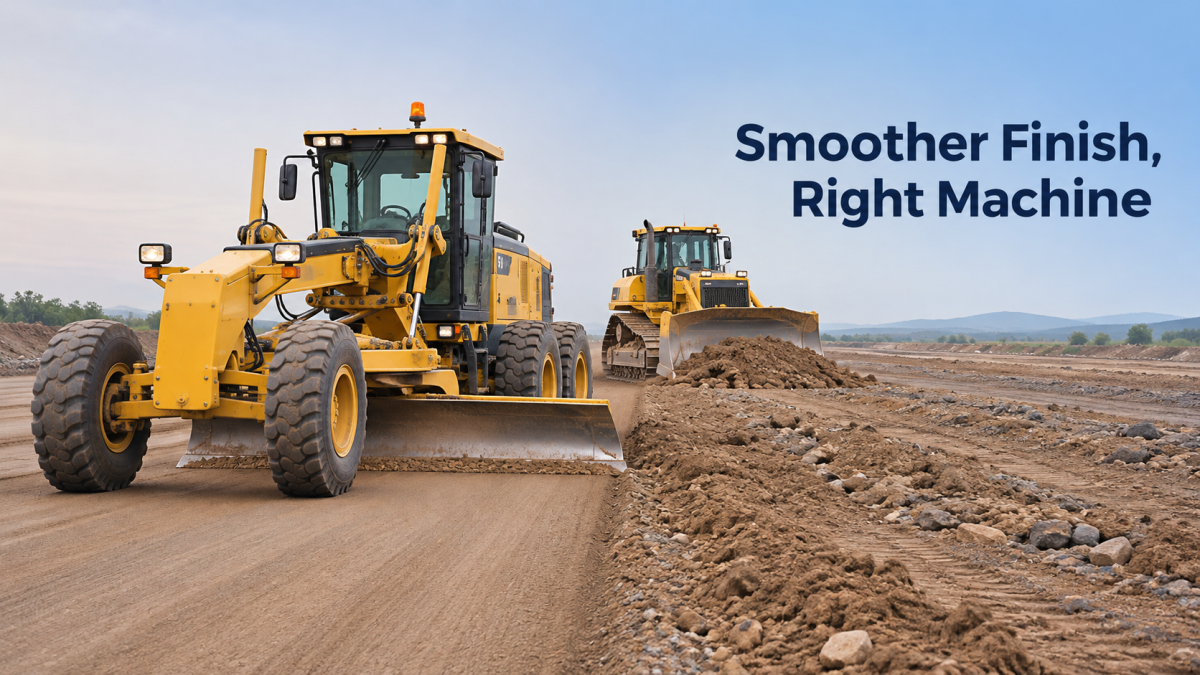
A MOTOR GRADER carries its blade between the front and rear axles, on a wheelbase that is much longer than the blade itself. That matters more than horsepower. When the front wheels ride over a bump or dip, the blade in the middle moves far less, so the cut stays closer to grade. The articulated frame adds another advantage: the operator can angle the machine to work along a slope or around an obstruction while keeping the blade on line. Blade tilt, pitch, side-shift and rotation can be adjusted in small increments, which means thin layers can be shaved off rather than gouged out. For road formation, pads, drainage falls and final trimming, that kind of control is hard to replace.
A bulldozer works from the opposite layout. Its blade sits at the front, close to the tracks, and it follows whatever the tracks are doing. That is ideal when the job is to push, cut and carry material over short distances, especially in soft or uneven ground where traction matters. The machine can clear, strip and roughly shape a site faster than a grader, and it can work in conditions where wheeled machines would struggle. The problem starts when that same layout is asked to produce a finished surface. Every change in track height is passed straight to the blade, so the operator is constantly correcting, and small errors tend to repeat along the run.
Finish fails in the details, not the brochure
Most poor finishes are not caused by choosing the wrong brand. They come from speed, material and setup. A grader moving too fast will skip over high spots and leave washboarding, while a blade loaded unevenly will pull to one side and change the crossfall without the operator noticing. Dry, segregated material behaves differently from moist, well-graded fill, and a thin finishing layer on a soft base will not hold shape no matter how carefully it is bladed. Tracks can also leave their own mark. Even a well-maintained dozer can imprint a pattern that shows up after rolling, whereas a grader on tyres leaves a cleaner surface to compact. Checking grade with a string line, level or laser system during the pass, rather than only at the end, usually catches these issues while they are still cheap to fix.
Operator skill sits on top of all of this. Laser and GPS grade control help a good operator hold tolerance, but they do not turn a rough-cut machine into a finishing machine. A skilled grader operator reads the material, adjusts blade load, changes direction of travel to break up ridges, and knows when to stop cutting and start trimming. On many sites, the second pass at a slight angle does more for smoothness than extra horsepower. That is why two projects with the same specification can end up with very different surfaces: the machine matters, but the way it is set up and driven matters just as much.
When the dozer still earns its place
The sensible answer on most earthworks is not one machine or the other, but a sequence. Use the dozer for bulk movement, cutting to near grade and building up layers, then bring in the grader for shaping and finishing. That split saves time and avoids asking the dozer to do work it was never designed for. It also protects the finish: a dozer that has already done the heavy pushing is less likely to disturb a prepared base when it is time to trim. If a dozer is kept on site for longer finishing work, its undercarriage condition becomes part of the quality question. Worn rollers can cause uneven travel and small lurches that show up in the surface, so checking wear parts before the finishing stage is worth the effort. For SEM machines, for example, a worn chassis component such as the 5183479 6031609 BULLDOZER SEM SPARE PARTS CHASSIS PART SEM816D ROLLER should be assessed alongside track tension and pin wear. TerraMech, with over two decades of experience in engineering machinery, supplies equipment and components from brands including Caterpillar, Komatsu, Volvo, SEM, Shantui, XCMG, SDLG, Weichai and SDEC, which makes it easier to keep both types of machine in serviceable condition for the work they are best suited to.
Making the call for your project
For a project manager, the decision usually comes down to tolerance, distance and material. If the specification calls for a tight finish on a road, yard, pad or drainage surface, the grader should lead the final stage. If the work is bulk earthmoving, short pushes, clearing or rough shaping, the dozer will be faster and more economical. Long hauls of material, soft ground and steep working faces also favour the dozer, while long, open runs with a defined grade favour the grader. Using both machines in the right order often costs less than reworking a surface that was finished with the wrong one. Before committing, confirm the required tolerance, the material and moisture conditions, the length of the finished runs and the availability of a trained operator. Those details, rather than a simple comparison of engine power, will decide which machine gives the smoother finish on your site.
In short, the grader wins on finish because it was built to control a blade, not just to push. Keep the dozer for what it does best, plan the handover between the two machines, and check the grade as you go. That sequence is what turns a rough site into a surface that holds up under inspection and under traffic.
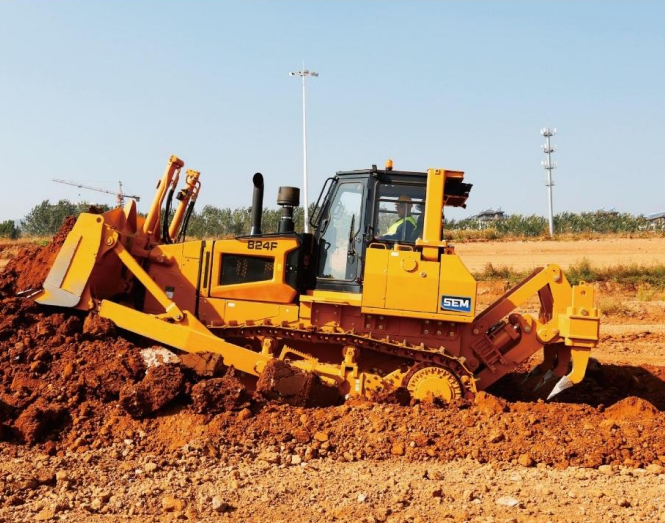
 SEM 824F ProductThe 824F features the new F Series design and is powered by a Weichai WD12T2 engine, delivering a gross power output of up to 185 kW (248 hp). The machine utilizes an electronically controlled hydrostatic transmission system, enhancing productivity and maneuverability. It offers various track shoe widths from 560 mm to 915 mm, as well as multiple blade options, including SU, S, U, Waste Handling, and Forest blades. Rear equipment options include a multi-shank ripper, single-shank ripper, and winch to meet diverse customer needs.
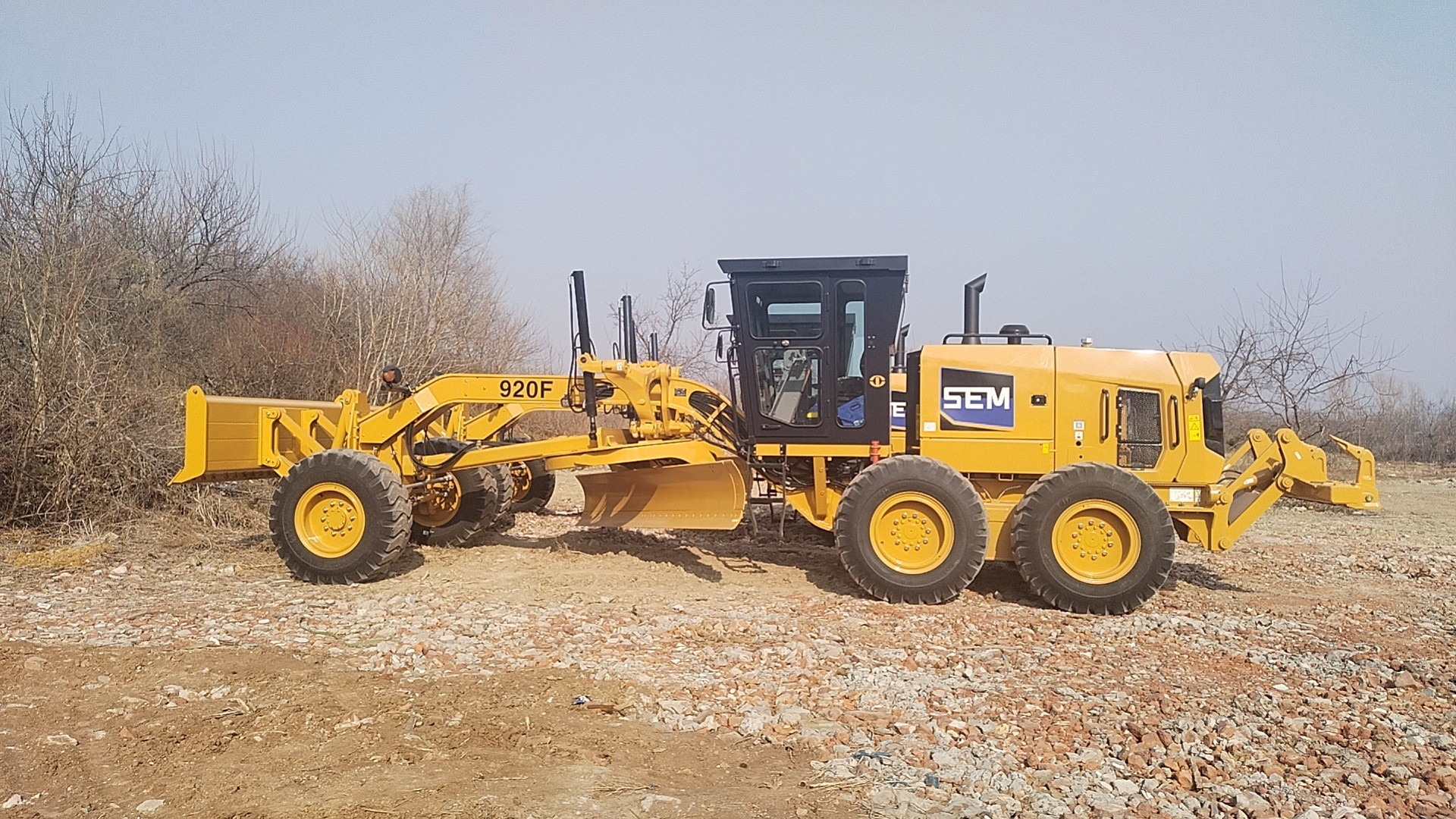
 SEM 920F Motor GraderThe SEM F Series Tier 2 Motor Grader is equipped with an SDEC engine and a PPC load-sensing hydraulic system for consistent, precise blade movement and reduced fuel consumption. The rear tandem drive is manufactured by Caterpillar and incorporates Caterpillar’s proven tandem axle design, delivering differentiated reliability, longer service life, and lower ownership and operating costs.
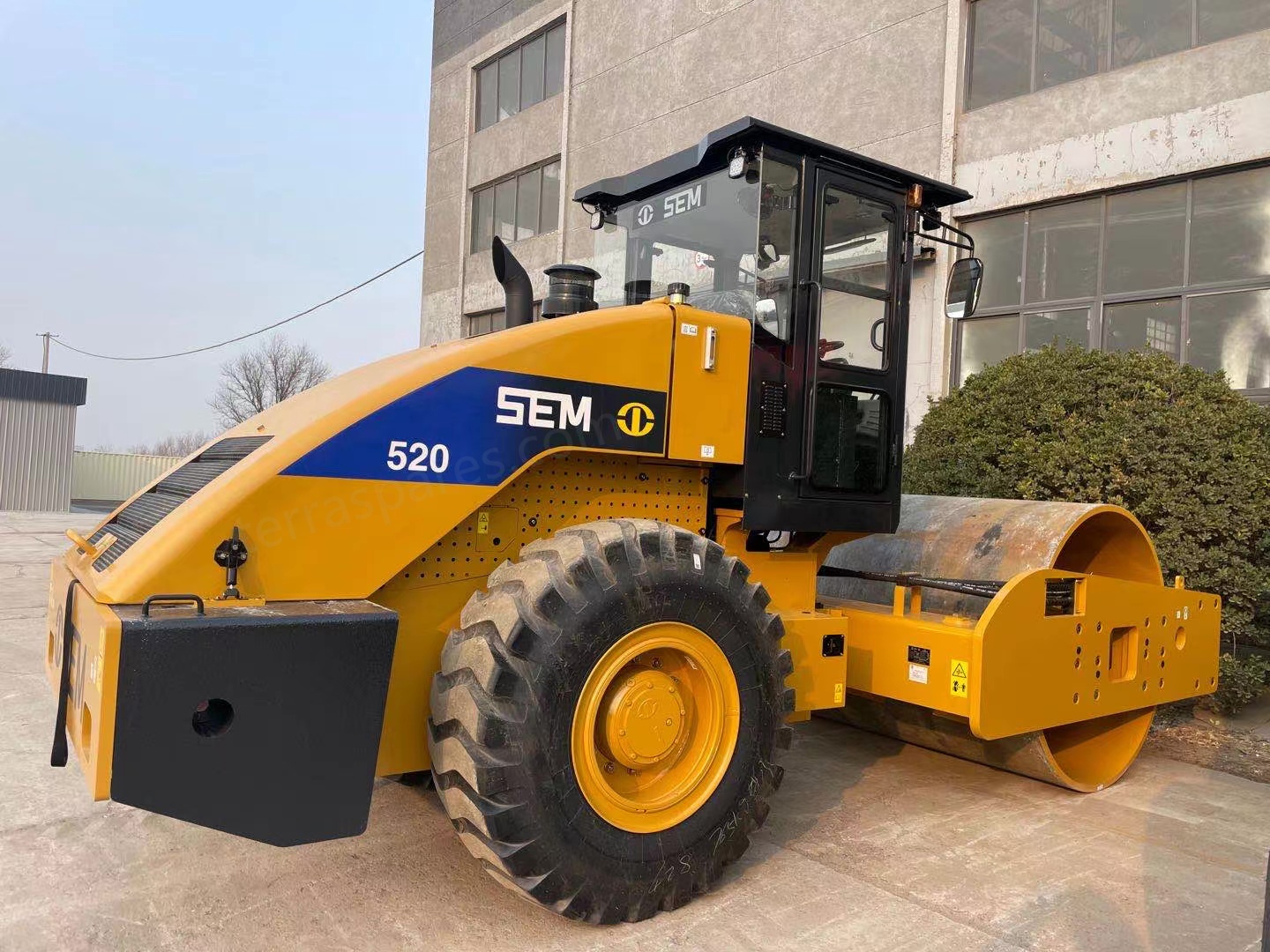
 SEM Road Roller Machines SEM 520The SEM 520 Single Drum Vibratory Road Roller is a heavy-duty compaction machine designed for large-scale road construction, highway projects and heavy earthwork tasks. Powered by a high-performance Weichai engine, it delivers steady and sufficient power for long-hour continuous operation. Equipped with the advanced pod-type sealed vibration system, it effectively resists dust and water intrusion, greatly extending the service life of core components. With powerful excitation force, optimized vibration frequency and amplitude, it achieves outstanding compaction results on soil, gravel and asphalt layers. The reinforced body structure and reliable wet brake system ensure superior stability and operational safety on various terrains. As an export-ready National II / Tier 2 model, it works well with regular fuel and features a service-friendly layout for easy daily upkeep.
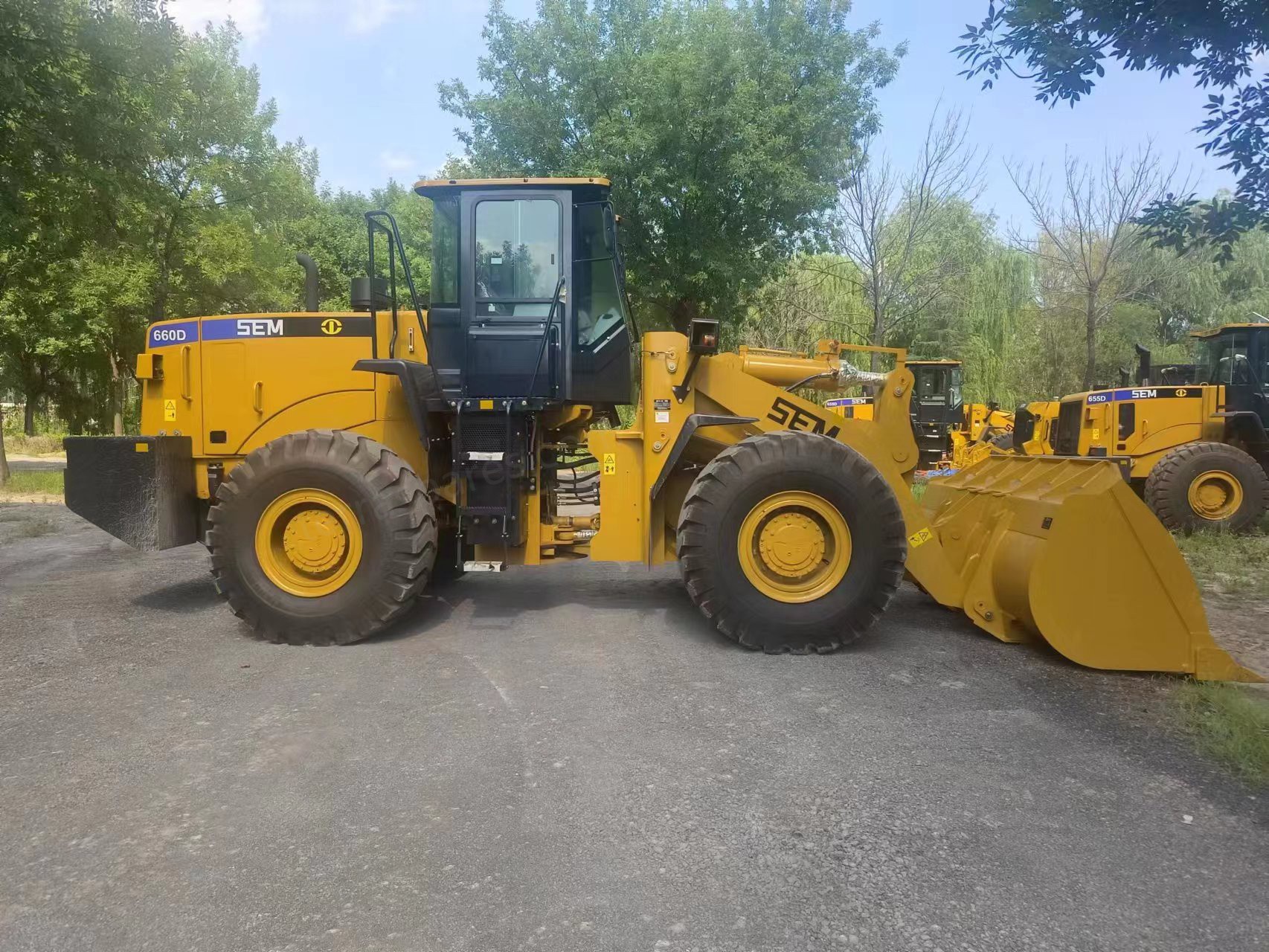
 SEM Wheel Loader Machines SEM 660D 6 Ton Wheel LoaderThe SEM 660D 6 Ton Wheel Loader is a heavy-duty, high-performance machine built to tackle the most demanding loading, stockpiling, and material handling tasks. Powered by a robust 178kW Weichai engine and paired with a durable countershaft transmission, it delivers consistent power and reliable torque for its 6-ton rated load. Equipped with advanced load-sensing hydraulics, the 660D ensures smooth, responsive operation and fast cycle times, boosting productivity on every shift. With a bucket capacity ranging from 2.8 to 5.5 m³, it adapts to a wide variety of applications, including mining, quarries, ports, and construction sites. Designed with operator comfort and low maintenance in mind, this export-ready National II / Tier 2 model runs reliably on low-quality fuel and features a simple, service-friendly layout.