-News Center-
Counterfeit Construction Machinery Parts Risks Are Rising
Counterfeit construction machinery parts are becoming a serious threat to equipment reliability, workplace safety, and quality control standards. For QA teams and safety managers, even a single fake component can lead to unexpected failures, costly downtime, and compliance risks. Understanding how counterfeit parts enter the supply chain—and how to identify trusted sources—is now essential for protecting both machines and people.
Why counterfeit construction machinery parts demand immediate attention
The core search intent behind this topic is practical risk control. Quality and safety professionals are not looking for theory alone. They want to know how fake parts affect operations, how to identify them, and how to prevent them from entering approved inventory.
For construction fleets, counterfeit construction machinery parts create more than maintenance issues. They can trigger mechanical breakdowns, unsafe site conditions, warranty disputes, and failed audits. In high-load applications, a low-quality component may perform normally at first, then fail without warning under stress.
This is why the issue has escalated from a purchasing concern to a broader quality management and safety management priority. If the wrong part reaches a machine, the consequences may affect operators, project timelines, and company reputation at the same time.
What QA and safety managers care about most
For this audience, the biggest concern is not only whether a part is fake, but whether the organization has a reliable system to detect risk early. They need methods that support incoming inspection, supplier approval, traceability, and incident prevention.
In practice, four questions matter most: Is the part authentic? Does it meet performance standards? Can the supplier provide documentation and traceability? If the part fails, what is the operational and safety impact?
These questions are especially important for critical rotating, load-bearing, hydraulic, and drivetrain components. A counterfeit item in these categories can quickly turn into a high-cost failure because the equipment often works under heavy torque, shock loads, dust, heat, and repeated directional changes.
How counterfeit parts typically enter the supply chain
Counterfeit products rarely appear by accident. They usually enter through price-driven sourcing, unauthorized distributors, incomplete supplier verification, or emergency replacement purchases made during unplanned downtime. When machines must return to work fast, controls often become weaker.
Another common weak point is inconsistent part-number verification. Similar packaging, copied labels, and reused serial formats can make a fake part appear legitimate. Without a strong inspection process, warehouse teams may accept the item and move it directly into maintenance stock.
Online sourcing also increases exposure. Listings may use original brand names, vague photos, or partial specifications to attract buyers. If documentation is missing or the seller cannot confirm origin, the risk is significantly higher.
What warning signs should trigger deeper inspection
QA teams should treat unusual pricing as an early warning, especially when the discount is far below normal market variance. Other red flags include poor packaging quality, inconsistent branding, altered labels, missing certificates, and surface finishing that does not match known OEM standards.
Dimensional inconsistency is another major signal. Even small deviations in fit, balance, hardness, material quality, or machining accuracy can shorten service life. For safety managers, that matters because many failures begin as hidden quality defects long before visible breakdown occurs.
Performance clues also matter. Excess vibration, abnormal wear, noise, heat buildup, repeated seal damage, or shortened maintenance intervals may indicate a counterfeit or substandard component already in use. These symptoms should feed back into both purchasing review and root-cause analysis.
What an effective prevention strategy looks like
The most useful approach combines sourcing discipline with inspection discipline. Start by approving suppliers based on brand authorization, export experience, technical support capability, and documentation consistency. Trusted partners should be able to confirm part origin, model fitment, and quality records.
Next, build a receiving checklist for construction machinery parts. Verify part numbers, packaging, labeling, material appearance, dimensions, and supporting documents before the item is released for use. For high-risk categories, consider sample testing or comparison against known genuine parts.
It also helps to maintain equipment-specific parts lists and approved vendor databases. When maintenance teams can quickly match machines to validated components, they are less likely to rely on uncertain spot purchases during urgent repairs.
Companies that source from experienced providers often reduce risk at both the quality and operational levels. TerraMech, for example, supports globally recognized brands and helps buyers match components more accurately across applications in demanding engineering environments.
Why component fit and application matter as much as authenticity
A genuine-looking part is not enough if the application match is wrong. Quality teams should verify that the component is built for the machine model, load profile, and working conditions. This is particularly important for drivetrain parts used in wheel loaders and other heavy-duty equipment.
For example, SEM SPARE PARTS 5219677 Z5B01000100 WHEEL LOADER DRIVESHAFT is designed for wheel loader applications including SEM650B, SEM660B, SEM653D, SEM656D, SEM660D, and SEM663D. In demanding duty cycles, buyers should evaluate torque capacity, durability, impact resistance, and long-term reliability rather than price alone.
For safety and quality personnel, this kind of application-specific verification helps reduce the chance of installing a mismatched part that may pass visual inspection but fail in operation. It also supports better documentation during audits, maintenance reviews, and incident investigations.
Final takeaway for quality and safety teams
The rising risk of counterfeit construction machinery parts is ultimately a control issue. The organizations that manage it best are the ones that connect supplier qualification, incoming inspection, traceability, and field performance monitoring into one system.
For QA and safety managers, the goal is clear: stop fake or unsuitable parts before they reach the machine. That means treating every suspicious source, missing document, and unusual performance sign as a real operational signal, not a minor purchasing exception.
When sourcing standards are strict and verification is consistent, companies protect equipment uptime, worker safety, and compliance performance together. In today’s market, that is no longer optional. It is a basic requirement for responsible fleet and site management.
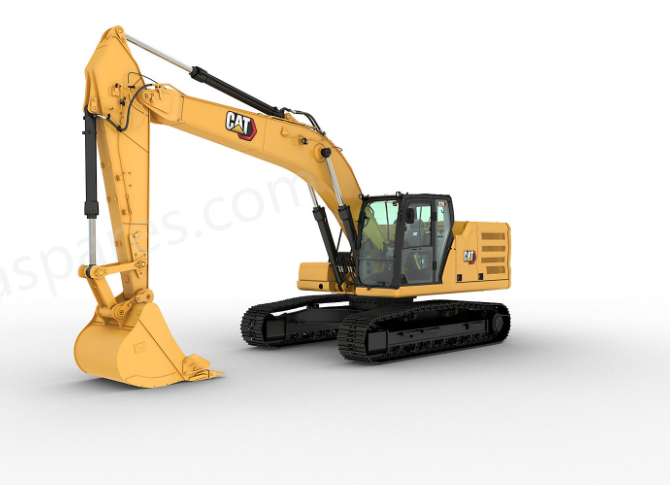
 CAT Excavator 326Premium Performance with Simple-to-Use Technologies
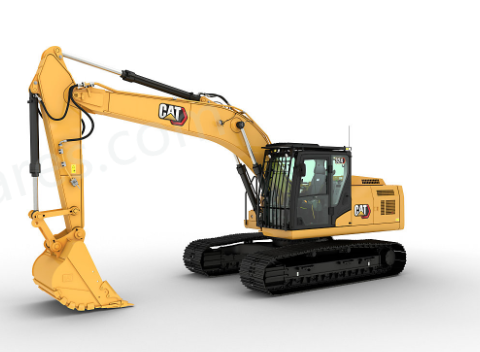
The Cat® 326 Excavator brings premium performance with simple-to-use technologies to boost your operator efficiencies. Combine these features with an ergonomic cab, longer maintenance intervals, and a power system that reduces fuel and you have a low-cost-per-unit-of-production excavator that’s perfect for medium to heavy-duty applications. CAT Excavator 324Heavy-Duty Muscle Built to Outperform
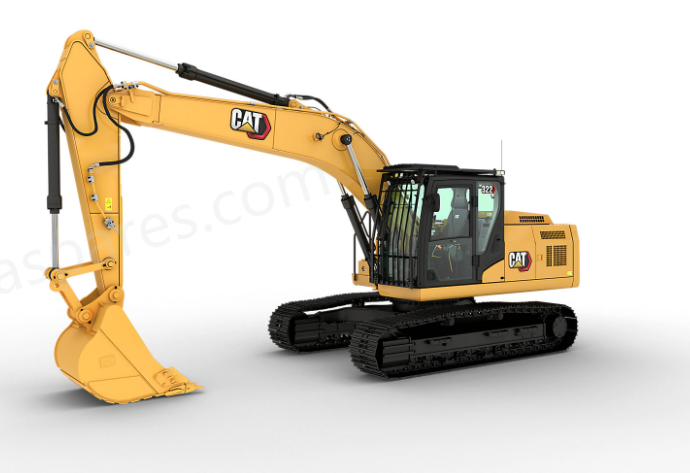
The Cat® 324 excavator is built to handle high-production workloads with the perfect balance of brute strength and refined control. Its powerful Cat® C7.1 engine, high-flow hydraulics, and advanced electrohydraulic system give you the muscle to move heavy material fast, without burning through your budget. With reinforced structures, field-proven durability, and easy-to-maintain components, the 324 is your go-to solution for tackling tough jobs with less downtime. CAT Excavator 322Profit-Driven Powerhouse for Heavy Loads
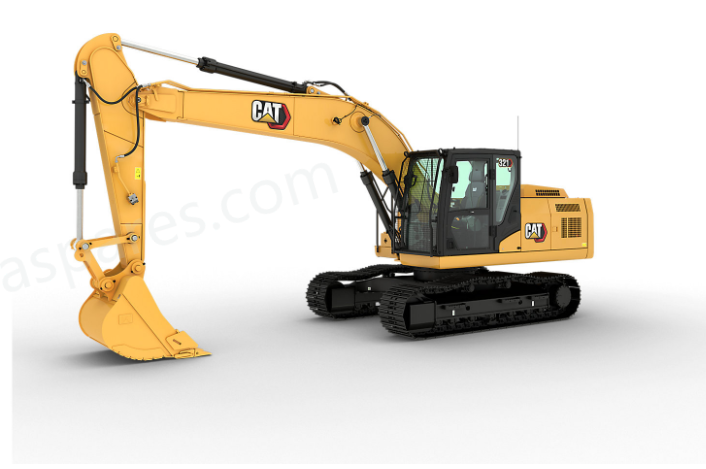
When you need muscle, precision, and cost control in one machine, the Cat® 322 excavator delivers. Purpose-built for high production, the 322 pairs fast cycle times with large bucket options to move more material in fewer passes. Its responsive electrohydraulic controls and rugged design keep you productive on the tough jobs, while smart fuel efficiency and streamlined maintenance help you stay profitable every step of the way. Whether you’re loading, trenching, or lifting, the 322 is a heavy-duty workhorse that pays you back. CAT Excavator 321Versatility at the Lowest Cost Per Hour
Powered by the reliable Cat® C3.6 engine, the Cat® 321 excavator delivers high torque and fast cycle times to maximize productivity. Reinforced Cat structures extend machine life and withstand the toughest conditions, while the latest cab design puts operator safety and comfort first. Every core system undergoes rigorous testing, so you can count on consistent, reliable performance shift after shift.