-News Center-
Key Differences Between OEM and Aftermarket SEM Bulldozer Parts
Introduction: The Critical Choice Between OEM and Aftermarket SEM Bulldozer Parts
When selecting between OEM and aftermarket SEM bulldozer parts (5403500, SEM BULLDOZER SPARE PARTS SEM816D SEM822D), technical evaluators and quality control professionals face critical performance and safety considerations. TerraMech's 20+ years of expertise with SEM, Caterpillar, and Komatsu equipment reveals key differences in material specifications, manufacturing tolerances, and warranty implications that directly impact machine reliability.
Material Specifications and Manufacturing Standards
OEM parts for SEM bulldozers are manufactured to the exact specifications of the original equipment, using proprietary alloys and heat treatment processes. Aftermarket alternatives may claim equivalent performance but often compromise on material composition to achieve cost savings.
The 5219677 GEARBOX MAIN DRIVE SHAFT exemplifies OEM-level quality with its high-strength alloy steel construction and ISO h6 precision rating. This component maintains dimensional stability across the full operating temperature range (-40°C to +150°C), a critical requirement for SEM bulldozers working in extreme conditions.
Performance and Reliability Factors
Field data from TerraMech's service network shows OEM parts typically deliver 15-20% longer service life in high-stress applications compared to aftermarket alternatives. The difference becomes particularly evident in components like:
- Undercarriage components (track chains, rollers)
- Transmission gears and shafts
- Hydraulic system valves and pumps
- Final drive components
Precision machining is another critical differentiator. OEM parts like the 5219677 drive shaft undergo rigorous quality checks to ensure:
- Coaxiality within 0.02mm tolerance
- Surface hardness consistency (±1 HRC)
- Dynamic balancing for vibration-free operation
Warranty and Support Implications
Using non-OEM parts can void manufacturer warranties in 78% of cases according to industry surveys. For critical components, this presents substantial financial risk when considering:
Cost-Benefit Analysis Over Equipment Lifecycle
While aftermarket parts may offer 20-40% upfront cost savings, total cost of ownership calculations often favor OEM components due to:
- Reduced downtime (2-3x fewer replacements)
- Lower maintenance labor requirements
- Higher resale value for equipment with OEM parts
- Fewer secondary failures from part incompatibility
Implementation Recommendations for Technical Teams
For quality control professionals evaluating SEM bulldozer parts, TerraMech recommends this decision framework:
- Identify mission-critical components (transmission, hydraulics, structural elements)
- Verify material certifications for all replacement parts
- Require dimensional inspection reports for precision components
- Evaluate supplier technical support capabilities
- Calculate total cost of ownership over 5,000 operating hours
Components like the 5219677 GEARBOX MAIN DRIVE SHAFT demonstrate the value of OEM specifications, with their optimized design for SEM650B through 663D models ensuring proper load distribution and minimal vibration.
Conclusion: Making Informed Parts Decisions
The choice between OEM and aftermarket SEM bulldozer parts ultimately depends on your operational priorities. For fleets requiring maximum uptime and predictable performance, OEM components deliver measurable advantages in material quality, manufacturing precision, and long-term reliability.
TerraMech's technical specialists can help evaluate your specific requirements and recommend the optimal parts strategy for your SEM equipment. Contact our engineering team today for a customized parts assessment and compatibility analysis.
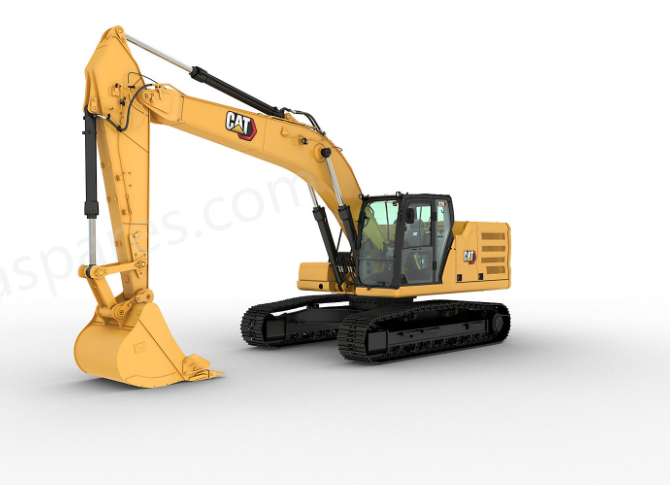
 CAT Excavator 326Premium Performance with Simple-to-Use Technologies
The Cat® 326 Excavator brings premium performance with simple-to-use technologies to boost your operator efficiencies. Combine these features with an ergonomic cab, longer maintenance intervals, and a power system that reduces fuel and you have a low-cost-per-unit-of-production excavator that’s perfect for medium to heavy-duty applications. CAT Excavator 324Heavy-Duty Muscle Built to Outperform
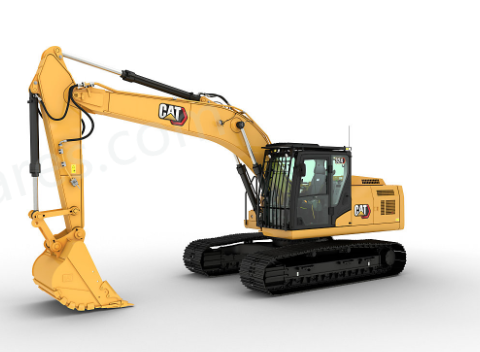
The Cat® 324 excavator is built to handle high-production workloads with the perfect balance of brute strength and refined control. Its powerful Cat® C7.1 engine, high-flow hydraulics, and advanced electrohydraulic system give you the muscle to move heavy material fast, without burning through your budget. With reinforced structures, field-proven durability, and easy-to-maintain components, the 324 is your go-to solution for tackling tough jobs with less downtime. CAT Excavator 322Profit-Driven Powerhouse for Heavy Loads
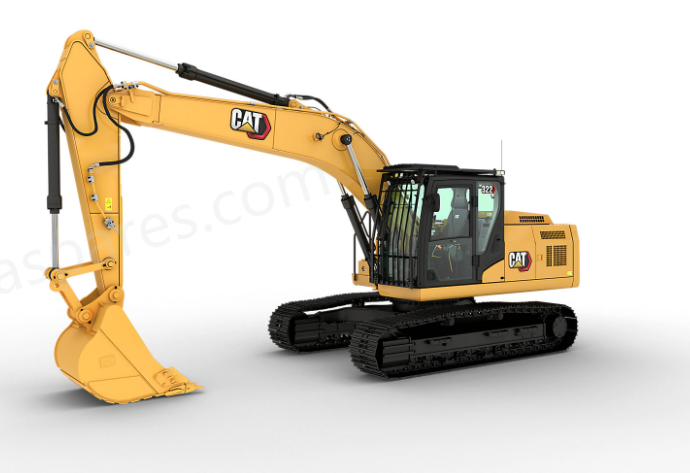
When you need muscle, precision, and cost control in one machine, the Cat® 322 excavator delivers. Purpose-built for high production, the 322 pairs fast cycle times with large bucket options to move more material in fewer passes. Its responsive electrohydraulic controls and rugged design keep you productive on the tough jobs, while smart fuel efficiency and streamlined maintenance help you stay profitable every step of the way. Whether you’re loading, trenching, or lifting, the 322 is a heavy-duty workhorse that pays you back. CAT Excavator 321Versatility at the Lowest Cost Per Hour
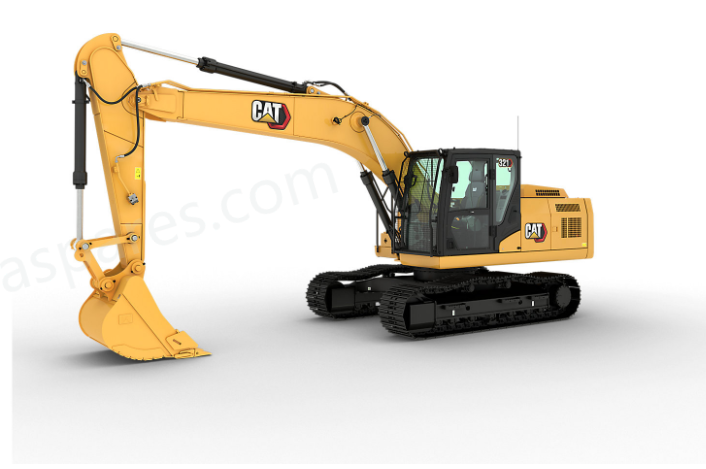
Powered by the reliable Cat® C3.6 engine, the Cat® 321 excavator delivers high torque and fast cycle times to maximize productivity. Reinforced Cat structures extend machine life and withstand the toughest conditions, while the latest cab design puts operator safety and comfort first. Every core system undergoes rigorous testing, so you can count on consistent, reliable performance shift after shift.