-News Center-
Shantui Spare Parts Demand Signals from the 2026 Market
As the 2026 market takes shape, demand signals for Shantui spare parts are becoming a key reference for business evaluators assessing equipment lifecycle costs, uptime risk, and procurement strategy. For buyers tracking construction machinery performance and replacement trends, understanding these indicators can reveal where budgets, supplier priorities, and service opportunities are heading next.
Market Context Behind Shantui Spare Parts Demand
Shantui spare parts demand reflects more than replacement volume. It shows how fleets are aging, how service intervals are shifting, and how operators balance cost against reliability.
In 2026, construction activity, mining support, road projects, and municipal work continue shaping parts consumption. Demand is strongest where machine utilization remains high and downtime carries measurable financial impact.
For the machinery parts sector, these signals help estimate future inventory pressure. They also guide sourcing decisions for undercarriage components, engine parts, hydraulic assemblies, filtration systems, and wear items.
TerraMech supports this market with branded equipment and components across Caterpillar, Komatsu, Volvo, SEM, Shantui, XCMG, SDLG, Weichai, and SDEC, backed by more than twenty years of engineering machinery experience.
Core Indicators Seen in the 2026 Market
Several measurable indicators help interpret Shantui spare parts demand. These indicators should be reviewed together rather than in isolation.
- Higher reorder frequency for filters, seals, brake materials, and track wear parts
- Longer machine operating hours before full fleet renewal
- Increased focus on preventive maintenance over reactive repair
- More demand for cross-brand compatible service planning
- Closer review of freight time, stock depth, and part traceability
Why These Signals Matter for Cost and Uptime
The value of tracking Shantui spare parts demand lies in forecasting operational risk. Spare parts demand often rises before major service bottlenecks appear in the field.
When replacement cycles shorten, maintenance budgets should be adjusted early. This helps avoid unplanned stoppages and protects productivity during peak workload periods.
Shantui spare parts data also supports lifecycle cost modeling. A machine with affordable purchase cost may become less competitive if key components require frequent replacement.
This is especially relevant for mixed fleets. Service providers increasingly compare Shantui spare parts trends with SEM, XCMG, SDLG, and Volvo component turnover to improve overall stocking efficiency.
A Related Example from Brake and Drivetrain Maintenance
Demand patterns are rarely isolated to one brand. Brake wear, directional shifts, impact loads, and torque stress affect many loader and grader applications across active job sites.
A practical reference is 5271992 SEM WHEEL LOADER GRADER BRAKE PADS SPARE PARTS, used in wheel loader parts planning where high strength, durability, and consistent braking performance matter.
Its relevance comes from a familiar market logic. When machines face regular gear changes and significant impact loads, brake and drivetrain parts move from routine inventory to critical uptime protection.
Typical Demand Areas and Part Categories
The 2026 outlook shows Shantui spare parts demand concentrating around several practical categories. These categories often align with machine stress, climate, and maintenance discipline.
- Undercarriage parts for bulldozers working in abrasive ground conditions
- Hydraulic seals, hoses, and pumps for repetitive heavy-duty cycles
- Engine service items including filters, belts, injectors, and cooling components
- Brake, axle, and transmission parts for loaders and road support equipment
- Electrical and sensor components supporting modern maintenance diagnostics
Practical Guidance for 2026 Procurement Planning
A useful approach begins with maintenance history. Review failure frequency, service intervals, and seasonal demand patterns across each machine category.
Next, separate fast-moving wear items from low-frequency critical parts. This reduces capital lockup while preserving response speed for costly breakdown scenarios.
Supplier evaluation should include authenticity control, export handling, technical clarity, and cross-brand support. These factors matter as much as unit price in the machinery parts trade.
For example, products such as 5271992 SEM WHEEL LOADER GRADER BRAKE PADS SPARE PARTS show how durable components and dependable service support can reduce owning and operating costs.
TerraMech combines branded supply access, global customer service, extensive export experience, and ODM or OEM support to help align parts planning with actual field demand.
Next-Step Reference for Market Evaluation
Shantui spare parts trends in 2026 point toward disciplined maintenance, stronger uptime planning, and higher value placed on trusted supply channels.
The most useful signal is not a single price change. It is the combination of usage intensity, replacement timing, logistics stability, and component criticality.
Use these demand signals to refine stocking priorities, compare lifecycle cost assumptions, and strengthen long-term equipment support decisions. In a volatile market, informed spare parts planning remains a durable advantage.
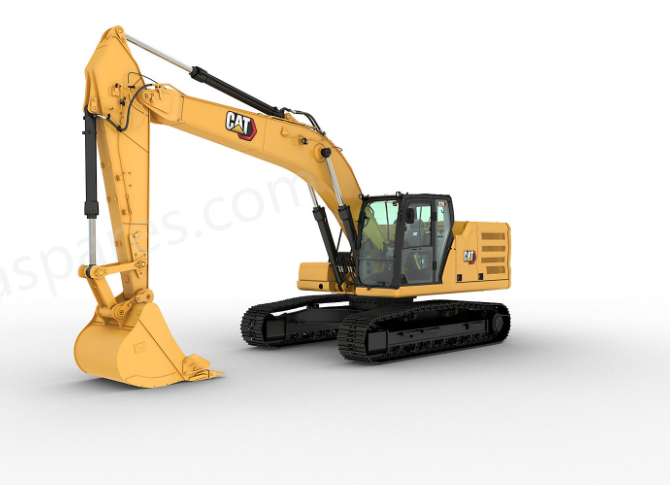
 CAT Excavator 326Premium Performance with Simple-to-Use Technologies
The Cat® 326 Excavator brings premium performance with simple-to-use technologies to boost your operator efficiencies. Combine these features with an ergonomic cab, longer maintenance intervals, and a power system that reduces fuel and you have a low-cost-per-unit-of-production excavator that’s perfect for medium to heavy-duty applications. CAT Excavator 324Heavy-Duty Muscle Built to Outperform
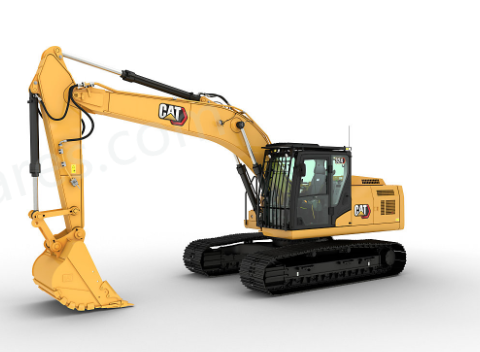
The Cat® 324 excavator is built to handle high-production workloads with the perfect balance of brute strength and refined control. Its powerful Cat® C7.1 engine, high-flow hydraulics, and advanced electrohydraulic system give you the muscle to move heavy material fast, without burning through your budget. With reinforced structures, field-proven durability, and easy-to-maintain components, the 324 is your go-to solution for tackling tough jobs with less downtime. CAT Excavator 322Profit-Driven Powerhouse for Heavy Loads
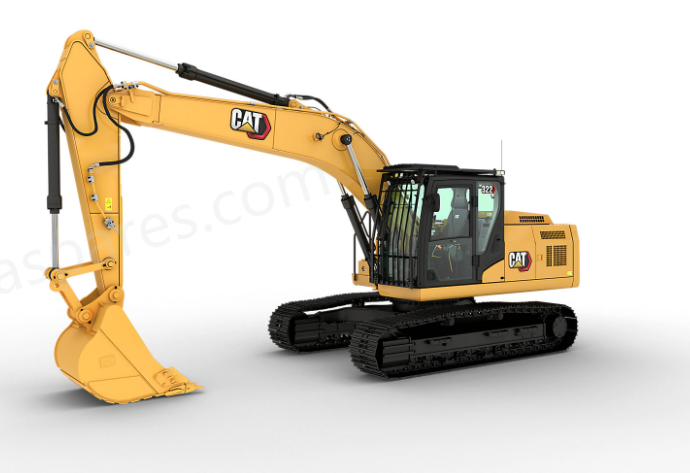
When you need muscle, precision, and cost control in one machine, the Cat® 322 excavator delivers. Purpose-built for high production, the 322 pairs fast cycle times with large bucket options to move more material in fewer passes. Its responsive electrohydraulic controls and rugged design keep you productive on the tough jobs, while smart fuel efficiency and streamlined maintenance help you stay profitable every step of the way. Whether you’re loading, trenching, or lifting, the 322 is a heavy-duty workhorse that pays you back. CAT Excavator 321Versatility at the Lowest Cost Per Hour
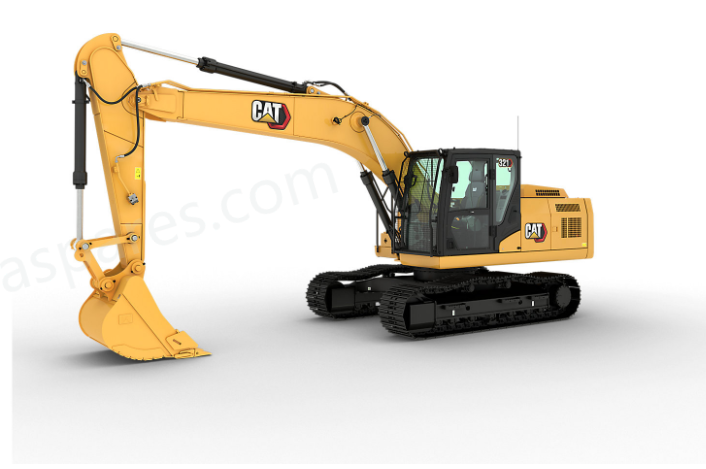
Powered by the reliable Cat® C3.6 engine, the Cat® 321 excavator delivers high torque and fast cycle times to maximize productivity. Reinforced Cat structures extend machine life and withstand the toughest conditions, while the latest cab design puts operator safety and comfort first. Every core system undergoes rigorous testing, so you can count on consistent, reliable performance shift after shift.