-News Center-
How to Identify Genuine SEM Machinery Parts Quickly
Sourcing authentic SEM machinery parts quickly is critical for controlling downtime, repair quality, and supplier risk.
With many lookalike components available, fast verification helps avoid premature failure, fitment issues, and hidden replacement costs.
This guide explains how to identify genuine SEM machinery parts with practical checks that improve purchase speed and confidence.
What makes genuine SEM machinery parts different?
Genuine SEM machinery parts are built to match original equipment specifications, tolerances, and material standards.
That means correct dimensions, stable metallurgy, reliable sealing, and predictable wear performance in harsh working conditions.
Non-genuine parts may look similar, but small differences often create vibration, leakage, overheating, or shortened service life.
For construction equipment, these differences affect engine systems, undercarriage assemblies, hydraulic circuits, and structural wear parts.
Which checks help identify SEM machinery parts quickly?
Start with the part number. A correct number should match the machine model, serial range, and component category.
Then inspect packaging quality. Genuine SEM machinery parts usually have clear labeling, consistent printing, and traceable supplier information.
Next, compare surface finish. Authentic parts often show better machining precision, cleaner edges, and more uniform coatings.
Weight also matters. A noticeable deviation may indicate different material density or internal structure.
If available, request batch records, inspection reports, or origin documents before placing a larger order.
- Confirm part number and machine compatibility
- Check label clarity and traceability marks
- Review finish, welds, casting, or machining quality
- Compare weight, dimensions, and mounting points
- Ask for supplier quality documentation
How can packaging and markings reveal authenticity?
Packaging is often the first quick filter when screening SEM machinery parts from multiple sources.
Look for consistent logos, accurate product descriptions, legible barcodes, and matching carton and label data.
Poor spelling, faded ink, loose stickers, or missing batch codes are common warning signs.
Markings on the part itself should align with the packaging details and technical drawing references.
When markings seem incomplete, ask for close-up photos and cross-check them against previous trusted deliveries.
How do you verify fit, material, and durability before purchase?
Fast identification is not only visual. Technical suitability matters just as much as label accuracy.
Check dimensions, bore size, sealing surfaces, and installation points against service manuals or old sample parts.
For undercarriage or wear components, material grade and hardness strongly influence service life.
A useful reference is 16Y-40-09000P010-01 ROLLER SHANTUI SPARE PARTS, used in underground chassis applications.
Products in this category often use abrasion resistant material and focus on high strength, durability, and reliable protection.
These traits help reduce downtime and maintenance cost, which is also a key goal when selecting SEM machinery parts.
What supplier signals reduce the risk of counterfeit SEM machinery parts?
Supplier credibility speeds verification because reliable records reduce the need for repeated checks.
Choose companies with stable export experience, recognizable brand coverage, and responsive technical support.
TerraMech supplies branded construction machinery and parts with more than twenty years of industry experience.
Its portfolio includes Caterpillar, Komatsu, Volvo, SEM, Shantui, XCMG, SDLG, Weichai, and SDEC components.
A supplier with broad product knowledge can confirm substitutions, compatibility ranges, and lead time more accurately.
Also ask how warranty claims are handled. Clear after-sales procedures often reflect better quality control.
What common mistakes slow down SEM machinery parts identification?
One mistake is judging authenticity by appearance alone. Visual similarity does not guarantee internal quality.
Another mistake is ignoring serial number range. The same machine family may use updated versions over time.
Price-only decisions create risk too. Very low offers may hide poor material, mixed stock, or inaccurate labeling.
Some buyers also skip sample approval. A small test order can expose issues before a large shipment arrives.
If lead time is urgent, prepare a verification checklist in advance to speed up comparison and approval.
Quick FAQ table: how to evaluate SEM machinery parts faster?
Identifying genuine SEM machinery parts quickly depends on combining visual checks, technical verification, and supplier screening.
Use part numbers, packaging details, dimensional checks, and documentation as your first-line filters.
When possible, work with experienced sources that understand branded machinery components and application-specific requirements.
A disciplined process reduces risk, speeds approval, and helps keep equipment running with fewer costly interruptions.
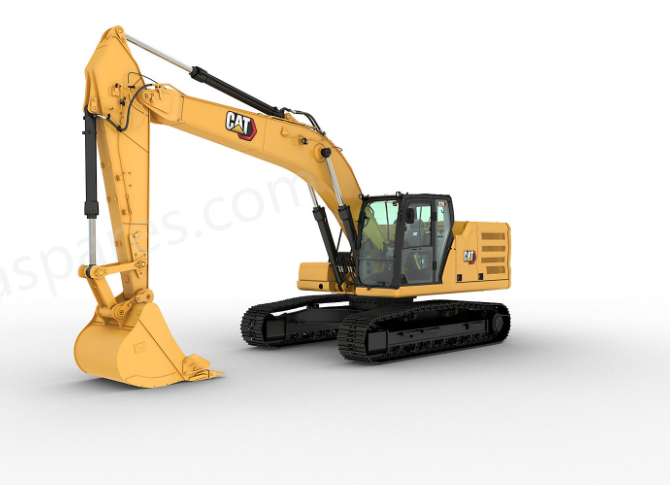
 CAT Excavator 326Premium Performance with Simple-to-Use Technologies
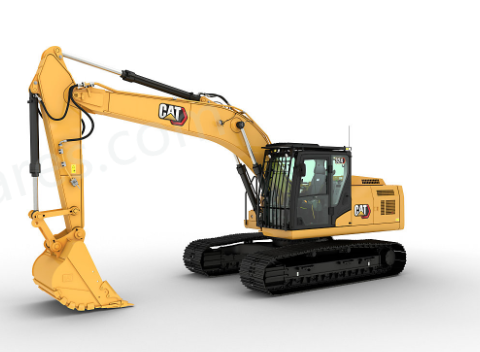
The Cat® 326 Excavator brings premium performance with simple-to-use technologies to boost your operator efficiencies. Combine these features with an ergonomic cab, longer maintenance intervals, and a power system that reduces fuel and you have a low-cost-per-unit-of-production excavator that’s perfect for medium to heavy-duty applications. CAT Excavator 324Heavy-Duty Muscle Built to Outperform
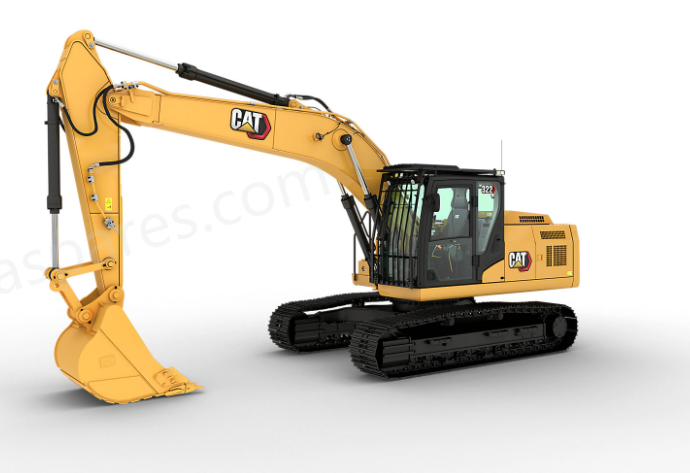
The Cat® 324 excavator is built to handle high-production workloads with the perfect balance of brute strength and refined control. Its powerful Cat® C7.1 engine, high-flow hydraulics, and advanced electrohydraulic system give you the muscle to move heavy material fast, without burning through your budget. With reinforced structures, field-proven durability, and easy-to-maintain components, the 324 is your go-to solution for tackling tough jobs with less downtime. CAT Excavator 322Profit-Driven Powerhouse for Heavy Loads
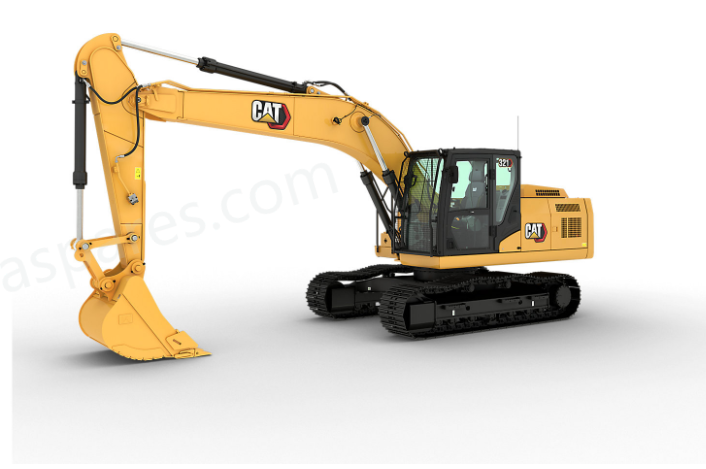
When you need muscle, precision, and cost control in one machine, the Cat® 322 excavator delivers. Purpose-built for high production, the 322 pairs fast cycle times with large bucket options to move more material in fewer passes. Its responsive electrohydraulic controls and rugged design keep you productive on the tough jobs, while smart fuel efficiency and streamlined maintenance help you stay profitable every step of the way. Whether you’re loading, trenching, or lifting, the 322 is a heavy-duty workhorse that pays you back. CAT Excavator 321Versatility at the Lowest Cost Per Hour
Powered by the reliable Cat® C3.6 engine, the Cat® 321 excavator delivers high torque and fast cycle times to maximize productivity. Reinforced Cat structures extend machine life and withstand the toughest conditions, while the latest cab design puts operator safety and comfort first. Every core system undergoes rigorous testing, so you can count on consistent, reliable performance shift after shift.