-News Center-
How 5217288 Quality Influences Downtime, Service Life, and Maintenance Cost
How 5217288 Quality Influences Downtime, Service Life, and Maintenance Cost
For construction machinery operations, 5217288 quality affects far more than part replacement cycles.
It shapes uptime, repair frequency, labor efficiency, and even resale value.
A low-cost purchase can quickly become a high-cost mistake.
That is why evaluating 5217288 should focus on lifecycle cost, not unit price alone.
In real fleet management, a dependable 5217288 helps reduce failure risk and supports stable machine output.
It also creates more predictable maintenance planning across mixed-brand equipment environments.
Why 5217288 Quality Matters in Daily Operations
When 5217288 meets proper material and dimensional standards, machine behavior stays more consistent.
That consistency reduces unplanned stoppages during loading, grading, and transport cycles.
The clearer signal appears during peak workload periods.
Under heat, vibration, dust, and repeated load changes, weak parts fail much faster.
Higher-quality 5217288 usually delivers better wear resistance and more stable performance.
This means fewer interruptions for troubleshooting, replacement, and secondary component damage.
- Less emergency maintenance during active projects
- Lower risk of sudden production delays
- Better use of technicians and service windows
- More stable equipment availability rates
The Link Between 5217288 and Downtime Cost
Downtime is rarely caused by one broken part alone.
It usually triggers idle operators, delayed schedules, and rushed parts procurement.
If 5217288 quality is inconsistent, these hidden costs rise quickly.
A part that wears early can force repeated shutdowns across a quarter or season.
That pattern hurts output more than a single, visible repair invoice.
From a procurement perspective, the safest choice is often the part with the lowest failure probability.
How Better 5217288 Extends Service Life
Service life depends on more than hardness or surface finish.
It also depends on fit accuracy, load tolerance, and manufacturing consistency.
A well-made 5217288 works within the system instead of fighting against it.
That reduces abnormal friction, stress concentration, and early wear.
In heavy equipment, this matters because operating conditions are rarely gentle.
Machines face impact loads, repeated torque demand, and frequent direction changes.
These conditions reward parts built for durability rather than short-term savings.
This is also why many buyers compare adjacent wear components during sourcing.
For example, 5271992 SEM WHEEL LOADER GRADER BRAKE PADS SPARE PARTS fits wheel loader applications where high strength and durability are critical.
Products designed for significant impact loads and regular gear changes often reflect the same procurement logic used for 5217288.
What to Check Before Buying 5217288
A reliable sourcing decision starts with supplier evidence, not promises.
Ask practical questions that connect directly to operating cost.
- What material standards support 5217288 performance?
- How stable are tolerances across production batches?
- Is there application experience in similar machinery conditions?
- What is the response speed for after-sales support?
- Can the supplier support long-term supply continuity?
These checks reduce the chance of buying a part that looks acceptable but performs poorly in the field.
They also help compare quotations on a true total-cost basis.
Why Supplier Strength Changes the 5217288 Decision
Part quality is closely tied to supplier capability.
An experienced supplier is more likely to maintain stable sourcing, inspection, and technical support.
That matters when fleets run equipment from Caterpillar, Komatsu, Volvo, SEM, Shantui, XCMG, SDLG, Weichai, or SDEC.
TerraMech brings over two decades of engineering machinery experience to this process.
Its focus on branded machinery and parts helps buyers source with more confidence.
In practice, global service capability and export experience can shorten lead times and reduce procurement friction.
That advantage becomes especially useful when maintenance schedules are tight.
A Smarter Cost Strategy for 5217288 Procurement
The best 5217288 decision balances price, durability, support, and operational risk.
A cheaper part only saves money when it performs reliably for the expected interval.
If it causes extra downtime, the savings disappear fast.
A practical approach is to evaluate 5217288 with three filters.
- Performance under real operating loads
- Expected service life versus purchase cost
- Supplier reliability before and after delivery
This method keeps procurement aligned with uptime targets and maintenance budgets.
It also supports better long-term asset management.
When reviewing options, it helps to benchmark related parts like 5271992 SEM WHEEL LOADER GRADER BRAKE PADS SPARE PARTS to understand how robust component design lowers owning and operating costs.
In the end, better 5217288 quality is not just a technical preference. It is a purchasing decision that protects uptime, extends service life, and keeps maintenance cost under control.
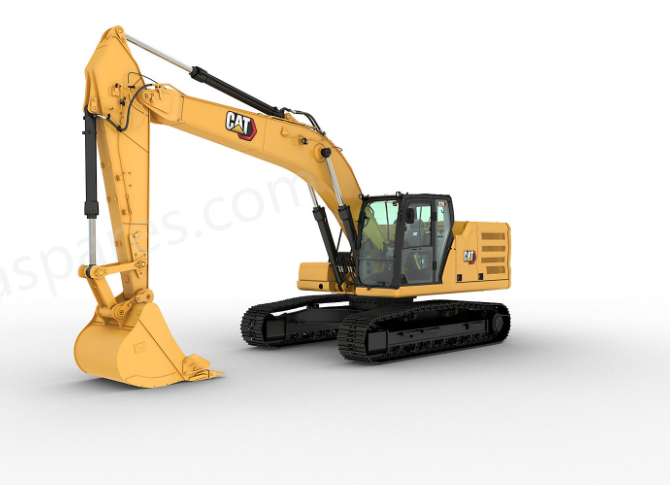
 CAT Excavator 326Premium Performance with Simple-to-Use Technologies
The Cat® 326 Excavator brings premium performance with simple-to-use technologies to boost your operator efficiencies. Combine these features with an ergonomic cab, longer maintenance intervals, and a power system that reduces fuel and you have a low-cost-per-unit-of-production excavator that’s perfect for medium to heavy-duty applications. CAT Excavator 324Heavy-Duty Muscle Built to Outperform
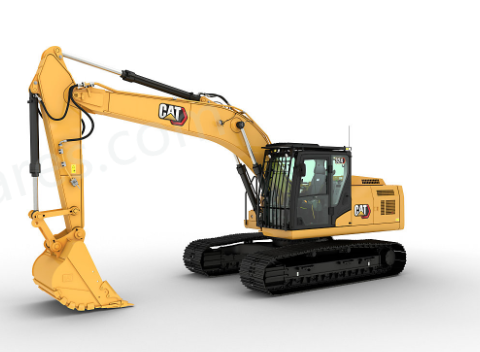
The Cat® 324 excavator is built to handle high-production workloads with the perfect balance of brute strength and refined control. Its powerful Cat® C7.1 engine, high-flow hydraulics, and advanced electrohydraulic system give you the muscle to move heavy material fast, without burning through your budget. With reinforced structures, field-proven durability, and easy-to-maintain components, the 324 is your go-to solution for tackling tough jobs with less downtime. CAT Excavator 322Profit-Driven Powerhouse for Heavy Loads
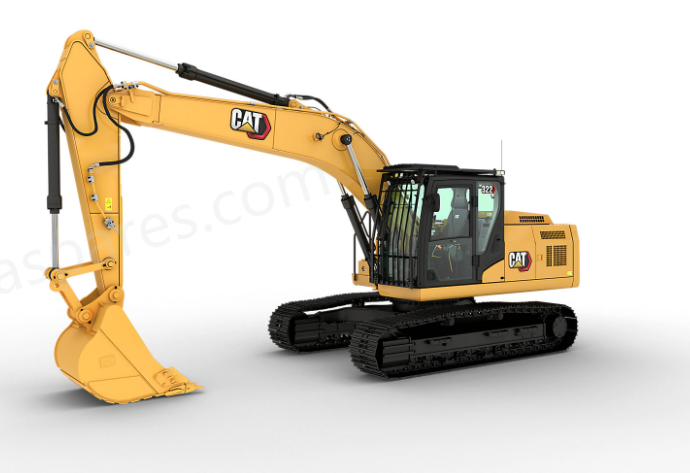
When you need muscle, precision, and cost control in one machine, the Cat® 322 excavator delivers. Purpose-built for high production, the 322 pairs fast cycle times with large bucket options to move more material in fewer passes. Its responsive electrohydraulic controls and rugged design keep you productive on the tough jobs, while smart fuel efficiency and streamlined maintenance help you stay profitable every step of the way. Whether you’re loading, trenching, or lifting, the 322 is a heavy-duty workhorse that pays you back. CAT Excavator 321Versatility at the Lowest Cost Per Hour
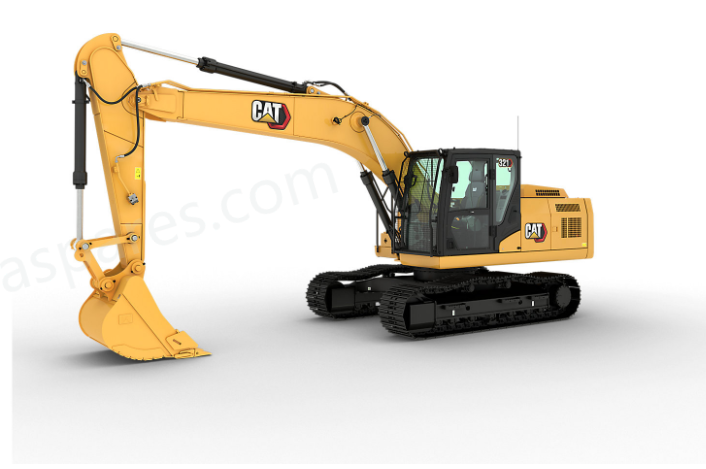
Powered by the reliable Cat® C3.6 engine, the Cat® 321 excavator delivers high torque and fast cycle times to maximize productivity. Reinforced Cat structures extend machine life and withstand the toughest conditions, while the latest cab design puts operator safety and comfort first. Every core system undergoes rigorous testing, so you can count on consistent, reliable performance shift after shift.