-News Center-
How Distributors Can Evaluate Demand for Wheel Loader Gear GP in Local Markets
Why local demand for wheel loader gear GP is easy to misread
Demand for MACHINERY WHEEL LOADER GEAR GP is rarely driven by headline machine sales alone. In most local markets, it sits much closer to parts turnover, fleet age, operating conditions, maintenance discipline, and the installed base of specific loader models. That matters for distributors because gear group demand can look steady on paper while actual buying behavior is uneven, brand-specific, and highly sensitive to downtime risk.
A common mistake is to treat a gear GP as a generic wear part with predictable monthly movement. It is not. In wheel loaders, gear groups are tied to drivetrain and transmission-related service needs, and replacement usually follows a combination of heavy-duty use, delayed maintenance, contamination, poor lubrication history, or overhaul cycles. In other words, this is a parts category where volume depends less on broad market optimism and more on what machines are actually doing in quarries, aggregate yards, municipal work, ports, and construction sites nearby.
For a distributor, evaluating the market starts with one practical question: how many loaders are operating within your service radius, and how hard are they being worked? If the local machine population is young and under OEM warranty, demand may skew toward planned servicing through dealer channels. If the region runs older mixed-brand fleets, especially imported or second-hand units, gear GP demand is more likely to appear in the independent aftermarket.
Installed machine population matters more than broad equipment trends
The strongest signal usually comes from machine population mapping. That means identifying which wheel loader brands and models dominate local work, then narrowing down which ones have meaningful parts consumption history. A district full of loaders does not automatically create strong demand for the same part numbers. Caterpillar, Komatsu, SDLG, XCMG, SEM, Volvo, and Shantui fleets can coexist in one region, but their aftermarket behavior often differs because of service access, operator habits, and customer preference for OEM versus alternative supply.
Distributors with real traction in this category usually track three layers at once:
- the number of active wheel loaders by brand and approximate age band,
- the industries using them, such as mining support, sand and gravel, road work, or yard loading,
- the service model behind those fleets, whether owner-maintained, contractor-maintained, or dealer-maintained.
That is a better predictor than national machinery sentiment, because wheel loader gear GP sales tend to form around local repair ecosystems. A market with strong rebuild workshops and independent mechanics often produces clearer replacement demand than a market where major fleet owners simply rotate machines out before heavy transmission work begins.
Replacement cycles are not fixed, but the operating environment leaves clues
There is no universal service interval that tells you exactly when a gear GP will move. The category is too dependent on duty cycle and maintenance quality. Still, distributors can read likely consumption by watching local operating conditions. High-load environments, repeated short-cycle loading, steep haul approaches, and dusty or poorly controlled sites all tend to increase drivetrain stress. So do fleets with inconsistent lubrication practices or delayed oil analysis.
This is where field conversations matter more than spreadsheet theory. Workshop owners, mobile technicians, and fleet supervisors often reveal whether failures are isolated or repeating across a model family. If several repair shops mention the same loader series coming in for drivetrain-related work after similar hours or usage patterns, that is a meaningful market signal. It does not prove a formal trend, but it is often enough to justify selective stocking.
The opposite is also true. If customers ask for quotations but rarely convert, the issue may not be low demand. It may be that the market buys only when breakdowns are critical, or that buyers are still comparing rebuilt, used, and new options. In this category, quote volume without order quality can be misleading.
Project activity influences urgency more than total demand
Regional project activity does affect parts sales, but mostly by changing urgency and machine utilization. When quarry output rises, infrastructure work accelerates, or port handling intensifies, wheel loaders run longer shifts and downtime becomes more expensive. That tends to increase willingness to pay for available stock, especially for branded or trusted replacement components. The demand may not suddenly become larger in annual terms, but it becomes faster and less price-tolerant.
This is one reason experienced distributors do not separate parts planning from equipment planning. A contractor expanding earthmoving capacity may also be adding related machines such as CAT Excavator 330 units for site prep, utility work, or mass excavation. That does not directly create wheel loader gear GP demand, but it can signal rising project throughput and heavier fleet utilization across the same customer base. In practice, mixed fleets often age and fail in clusters when work intensity rises.
What distributors should check before committing stock
The most reliable evaluation combines sales history with repair-path intelligence. Internal data tells you what has moved. External conversations tell you what is about to move. Neither is enough by itself.
Another useful check is part specificity. Some buyers ask for “gear GP” when they actually need confirmation of the full assembly, variant, or machine serial match. Demand can be overstated if inquiries are broad but conversion depends on exact fitment. Stocking decisions improve when the sales team can separate casual price checks from technically verified demand.
Brand trust still shapes buying decisions in this category
For critical drivetrain parts, local buyers are often more conservative than they are with filters or routine service items. They may accept alternatives, but only from suppliers who can explain source quality, dimensional consistency, and application fit. TerraMech’s experience across globally recognized brands suggests that customers do not evaluate major components on price alone when machine downtime is expensive. They weigh lead time, supplier credibility, technical support, and the risk of repeat failure.
That is why “local demand” should not be reduced to how many people ask for a low quote. Real demand for MACHINERY WHEEL LOADER GEAR GP exists where fleets need dependable replacement options and trust the distributor to identify the right component quickly. In some markets, the better opportunity is not deeper discounting but better fitment control, better response time, and clearer coverage across major brands.
A workable way to read the market
If you need a practical rule, look for overlap between three things: a meaningful installed base of working wheel loaders, evidence of transmission or drivetrain repair activity, and customer willingness to buy reliable parts with short lead times. When only one of those exists, demand is still speculative. When all three line up, the market is usually real enough to support focused inventory.
The best distributors keep refining that view. They listen to workshops, track failed quotation patterns, watch which brands stay in the field longest, and connect parts demand with what local contractors are actually building, moving, and loading. That is how a market trend becomes something usable: not a vague sense that construction is busy, but a grounded reading of where wheel loader gear GP sales are most likely to convert.
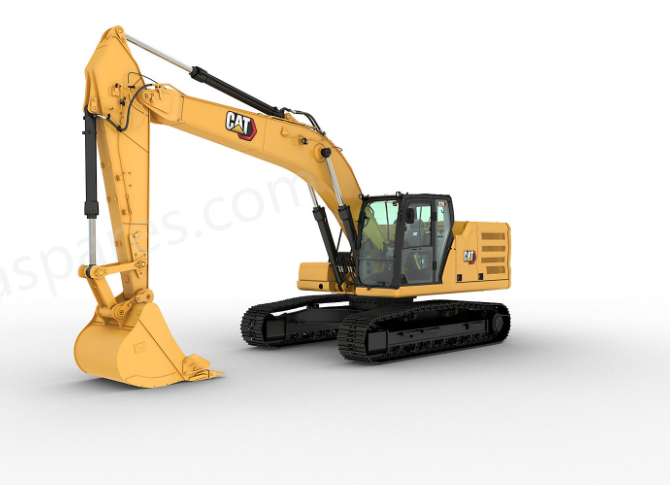
 CAT Excavator 326Premium Performance with Simple-to-Use Technologies
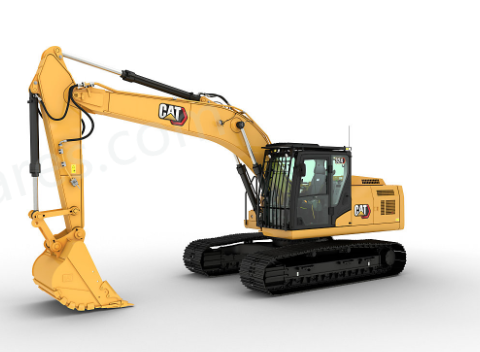
The Cat® 326 Excavator brings premium performance with simple-to-use technologies to boost your operator efficiencies. Combine these features with an ergonomic cab, longer maintenance intervals, and a power system that reduces fuel and you have a low-cost-per-unit-of-production excavator that’s perfect for medium to heavy-duty applications. CAT Excavator 324Heavy-Duty Muscle Built to Outperform
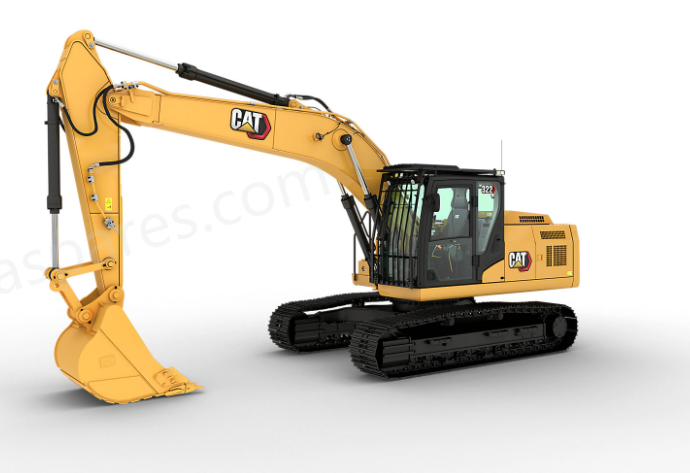
The Cat® 324 excavator is built to handle high-production workloads with the perfect balance of brute strength and refined control. Its powerful Cat® C7.1 engine, high-flow hydraulics, and advanced electrohydraulic system give you the muscle to move heavy material fast, without burning through your budget. With reinforced structures, field-proven durability, and easy-to-maintain components, the 324 is your go-to solution for tackling tough jobs with less downtime. CAT Excavator 322Profit-Driven Powerhouse for Heavy Loads
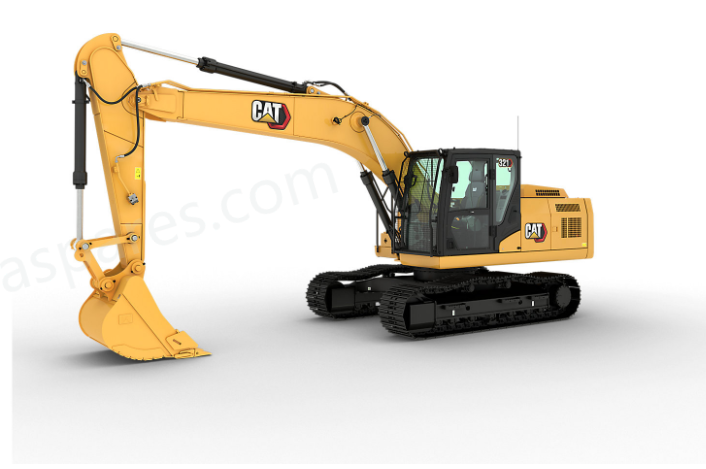
When you need muscle, precision, and cost control in one machine, the Cat® 322 excavator delivers. Purpose-built for high production, the 322 pairs fast cycle times with large bucket options to move more material in fewer passes. Its responsive electrohydraulic controls and rugged design keep you productive on the tough jobs, while smart fuel efficiency and streamlined maintenance help you stay profitable every step of the way. Whether you’re loading, trenching, or lifting, the 322 is a heavy-duty workhorse that pays you back. CAT Excavator 321Versatility at the Lowest Cost Per Hour
Powered by the reliable Cat® C3.6 engine, the Cat® 321 excavator delivers high torque and fast cycle times to maximize productivity. Reinforced Cat structures extend machine life and withstand the toughest conditions, while the latest cab design puts operator safety and comfort first. Every core system undergoes rigorous testing, so you can count on consistent, reliable performance shift after shift.