-News Center-
Best Inspection Steps for Wheel Loader Gear GP Before Installation and Startup
Best Inspection Steps for Wheel Loader Gear GP Before Installation and Startup
Before installation and startup, a thorough inspection of the MACHINERY WHEEL LOADER GEAR GP is essential to prevent early wear, unexpected failure, and costly downtime. For after-sales maintenance personnel, the value of inspection is not in ticking boxes. It is in catching the small mismatch that later becomes a noise complaint, a hot housing, or a gearbox teardown after only a few hundred hours. In loader drivetrains, that usually means looking beyond the gear teeth alone and checking how the entire assembly will behave once torque, impact load, and repeated direction changes start working through the system.
The first thing worth clarifying on site is whether the machine is being rebuilt after failure, receiving preventive replacement, or assembled after a major overhaul. The inspection depth should change with that context. A planned replacement on a machine with stable service history often focuses on dimensional fit, tooth surface condition, lubrication path cleanliness, and bearing seating. A post-failure rebuild needs a wider lens. Metal debris may have migrated into adjacent housings, damaged shims may have altered backlash, and heat from the original failure may have affected surfaces that still look acceptable at a glance.
What Usually Gets Missed Before the Gear Set Goes In
Visual inspection is necessary, but it is rarely sufficient. On wheel loader gear groups, the common field mistake is accepting a part because the tooth profile looks clean and the part number matches. In real workshop conditions, problems are more often tied to burrs on key contact faces, contamination in the housing, inconsistent bearing preload, or reused mating parts that have already developed a wear pattern with the old gear set. When a loader works in quarry stockpiles, aggregate yards, or muddy earthmoving conditions, shock loading and contamination make these details matter more than they might on lighter-duty machines.
Check every machined seating surface before assembly, especially where the gear group interfaces with shafts, bearings, and retaining components. A light score mark may not stop installation, but it can influence alignment once the housing is torqued down. This is also the point where technicians should confirm that oil passages, breathers, and sealing lips are clean and undamaged. If the gear group is installed into a contaminated environment, startup may distribute abrasive residue across new contact surfaces before the oil film has stabilized.
Backlash and contact pattern deserve more attention than they often receive in field repairs. A gear set can rotate freely by hand and still run poorly under load. Where the service procedure allows measurement, backlash should be checked against the machine's service documentation rather than judged by feel. If no verified specification is immediately available on site, the safer decision is to pause startup rather than rely on workshop habit. That restraint saves far more time than reopening a transmission after abnormal noise appears.
Bearing Condition Is Part of Gear Inspection
A MACHINERY WHEEL LOADER GEAR GP does not operate in isolation, and experienced technicians know that many gear complaints begin as bearing problems. If the bearing support is compromised, the gear mesh changes under load, even when the gear itself is new. That is why bearing inspection should be treated as part of the same decision, not as a separate line item. In drivetrain systems exposed to high torque, impact loads, and frequent forward-reverse shifts, bearing performance has a direct effect on gear life.
For SEM wheel loader maintenance, one relevant supporting component is W040300000 5217524 SEM MACHINERY BEARING GP . It is used in wheel loader drivetrain applications such as SEM650B, SEM655D, SEM656D, and SEM658D, where durability under repeated directional change matters as much as static load capacity. In practice, when technicians inspect a gear group before installation, checking whether the associated bearing group has matching fit, smooth rotation, and no transport damage is often the difference between a stable startup and a repeat service call.
This is also where workshop judgment has to stay disciplined. A bearing that feels acceptable during hand rotation may still be unsuitable if storage conditions were poor, packaging was compromised, or seating marks suggest prior mishandling. In our industry, parts distribution experience matters because damage does not always happen in operation; sometimes it begins between warehouse handling and final assembly. TerraMech has spent more than two decades supplying machinery and components across brands including Caterpillar, Komatsu, Volvo, SEM, Shantui, XCMG, SDLG, Weichai, and SDEC, and one practical lesson from that experience is simple: installation quality starts before the part reaches the machine.
Site Conditions Change the Inspection Priorities
Not every wheel loader works under the same duty cycle, so inspection priorities should follow the machine's actual environment. A loader in a municipal material yard may see many short runs, frequent reversing, and moderate bucket loads. A loader feeding stone in a quarry usually sees heavier shock, dust exposure, and longer periods under sustained load. The same gear group can fail for different reasons in those two settings. In the first case, poor lubrication distribution during repeated starts and stops may show up early. In the second, tooth edge distress and accelerated bearing wear are more likely if alignment and sealing are not right from the beginning.
Cold-weather sites add another layer. If the loader is restarted after overnight exposure, oil viscosity at startup may delay proper film formation. That does not change the gear inspection checklist, but it does affect startup discipline. Technicians should be more cautious about initial no-load running time, abnormal sound monitoring, and heat buildup around the housing. At the other extreme, high-ambient and dusty conditions make seal integrity and breather function more critical because contamination ingress becomes a larger threat than many teams expect.
A Short Checklist That Actually Helps in the Workshop
That checklist is short on purpose. Workshop teams usually do not need more paperwork; they need the few checkpoints that change outcomes. The startup phase should continue the same logic. Listen for tonal changes rather than just obvious noise, check for localized heating, confirm oil circulation, and avoid putting the machine into full production before initial behavior looks stable. If the machine was rebuilt after a drivetrain event, oil inspection after early runtime is a sensible follow-up, even when the startup itself appears normal.
One last point matters when choosing supporting parts around the gear assembly. Cost control is real, especially on heavily used loaders, but low initial price is rarely the right filter if it introduces repeat labor, lost machine hours, or unstable drivetrain performance. Components such as W040300000 5217524 SEM MACHINERY BEARING GP are usually judged less by catalog language and more by whether they hold alignment, carry torque reliably, and reduce unplanned maintenance in demanding service. That is the standard the inspection process should protect before the machine ever turns a wheel.
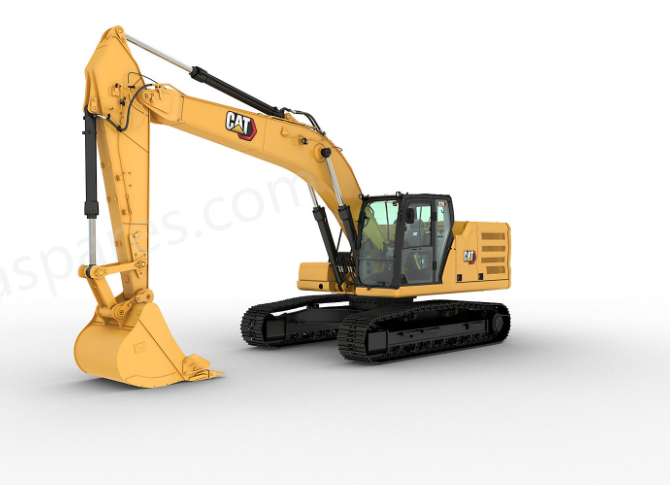
 CAT Excavator 326Premium Performance with Simple-to-Use Technologies
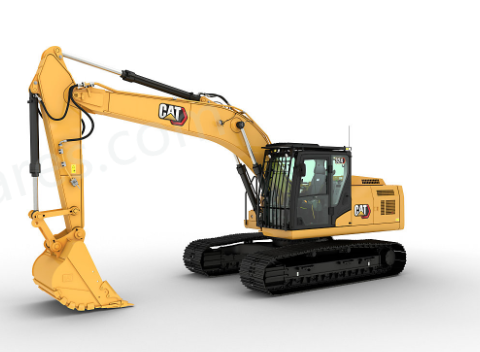
The Cat® 326 Excavator brings premium performance with simple-to-use technologies to boost your operator efficiencies. Combine these features with an ergonomic cab, longer maintenance intervals, and a power system that reduces fuel and you have a low-cost-per-unit-of-production excavator that’s perfect for medium to heavy-duty applications. CAT Excavator 324Heavy-Duty Muscle Built to Outperform
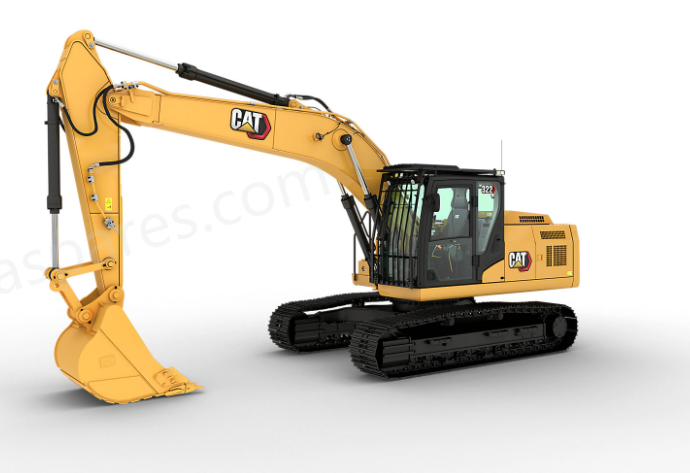
The Cat® 324 excavator is built to handle high-production workloads with the perfect balance of brute strength and refined control. Its powerful Cat® C7.1 engine, high-flow hydraulics, and advanced electrohydraulic system give you the muscle to move heavy material fast, without burning through your budget. With reinforced structures, field-proven durability, and easy-to-maintain components, the 324 is your go-to solution for tackling tough jobs with less downtime. CAT Excavator 322Profit-Driven Powerhouse for Heavy Loads
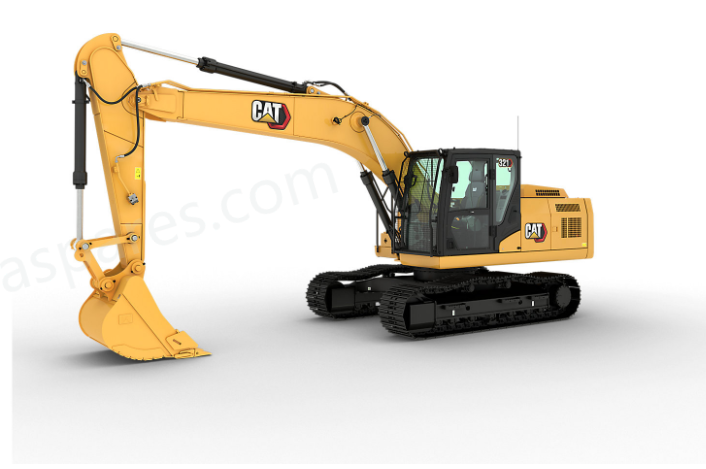
When you need muscle, precision, and cost control in one machine, the Cat® 322 excavator delivers. Purpose-built for high production, the 322 pairs fast cycle times with large bucket options to move more material in fewer passes. Its responsive electrohydraulic controls and rugged design keep you productive on the tough jobs, while smart fuel efficiency and streamlined maintenance help you stay profitable every step of the way. Whether you’re loading, trenching, or lifting, the 322 is a heavy-duty workhorse that pays you back. CAT Excavator 321Versatility at the Lowest Cost Per Hour
Powered by the reliable Cat® C3.6 engine, the Cat® 321 excavator delivers high torque and fast cycle times to maximize productivity. Reinforced Cat structures extend machine life and withstand the toughest conditions, while the latest cab design puts operator safety and comfort first. Every core system undergoes rigorous testing, so you can count on consistent, reliable performance shift after shift.