-News Center-
5371024 SEM Wheel Loader Pulley: Key Dimensions and Fitment Checks Explained
5371024 SEM Wheel Loader Pulley: Key Dimensions and Fitment Checks Explained
When evaluating the 5371024 PULLEY for SEM wheel loaders, precise dimensions and verified fitment are critical to avoid installation issues and performance loss. This guide explains the key checks technical evaluators should make before sourcing SEM WHEEL LOADER PULLEY SPARE PARTS, helping ensure compatibility, durability, and reliable operation in demanding machinery applications.
In practice, most pulley problems do not start after installation. They start during comparison, when a part number is treated as enough on its own. With wheel loader pulleys, that is risky. Even when the marking reads 5371024, evaluators still need to confirm the working dimensions, the mating components, and the actual machine configuration. That is especially true on older machines, mixed-service fleets, or units that may already carry replacement parts from different supply channels.
What to verify before approving 5371024 PULLEY
- Confirm the full machine identity, not just “SEM wheel loader.” Model, serial number, production batch, and any engine or accessory change matter. A pulley may look interchangeable at a glance, but bracket offset or belt path can differ across variants.
- Check whether 5371024 is used as a drive pulley, idler pulley, or accessory-related pulley in the actual parts list. Buyers sometimes compare parts by appearance while missing the function. That usually leads to wrong groove geometry or wrong hub dimensions.
- Ask for a dimensional drawing or at least a measurement sheet from the supplier. If that cannot be provided, treat the fitment as unverified.
For technical reviewers, the useful habit is simple: do not approve based on one reference point. Match part number, drawing, machine application, and physical measurements together. If one of those is missing, you are not really doing a fitment check yet.
Dimensions that actually decide fitment
The dimensions that matter most are not complicated, but they must be read carefully. For a 5371024 PULLEY, evaluators usually focus on these points:
One common mistake is checking only outer diameter and bore. That is not enough. Groove count, groove angle, and pulley face offset often decide whether the part runs cleanly for 2,000 hours or starts eating belts in the first service interval. If the supplier cannot provide those details, request a side profile photo with scale and a hub detail photo at minimum. It is not perfect, but it helps screen out obvious mismatches.
Material and manufacturing checks that should not be skipped
Technical buyers sometimes focus so much on dimensions that they overlook how the pulley is made. That can be expensive. A dimensionally correct pulley with poor balance, weak casting quality, or inadequate surface finish may still create vibration, belt tracking issues, or early bearing stress.
- Review the material description if available. If no material information is supplied, note it as a sourcing risk.
- Inspect machining quality around the bore, keyway, and groove surfaces. Burrs and rough edges are not minor cosmetic issues on rotating parts.
- Ask whether dynamic balance control is applied when relevant. Exact acceptance criteria are application-specific and should be verified against OEM or drawing requirements【待核实】.
- Look for signs of coating inconsistency or corrosion if the part has been stored for a long period.
This is where experienced suppliers add value. TerraMech, with more than two decades in construction machinery and components across brands such as SEM, Caterpillar, Komatsu, Volvo, Shantui, XCMG, SDLG, Weichai, and SDEC, is typically expected to understand that application context matters as much as the label on the box. For evaluators, that kind of cross-brand field familiarity is useful because many fleet issues come from mixed replacement history rather than from a single clean OEM chain.
Fitment checks on the machine side
Before release for purchase, compare the replacement part against the removed component if possible. That physical comparison often reveals what paperwork misses.
- Measure shaft diameter in at least two positions to check wear.
- Inspect key and keyway condition. A correct pulley will not solve an already damaged drive interface.
- Check adjacent components: brackets, tensioners, belt condition, and bearing play.
- Verify alignment across the full belt path, not only at the pulley being replaced.
That last point matters more than many buyers expect. A pulley may be blamed for noise or rapid wear when the real problem is a weak tensioner, bent bracket, or worn accessory bearing. If the review is limited to the loose part on the table, the root cause stays in the machine and the repeat failure comes back later.
This is also why technical teams often review related hydraulic and drive components together. In some procurement cycles, a pulley inquiry appears alongside pump or accessory system parts. For example, when evaluating broader WHEEL LOADER PARTS for hydraulic-system reliability, it may make sense to cross-check associated items such as 5227803 W42201000 WHEEL LOADER PUMP if the machine is already being assessed for downtime reduction and lifecycle cost control.
Supplier questions worth asking before you sign off
A short, direct technical query usually tells you more than a polished quotation sheet. Ask for:
- Part drawing, measurement report, or inspection sheet
- Confirmed machine application and cross-reference basis
- Photos of front face, side profile, bore, and keyway
- Packing method and corrosion protection for export or long storage
- Any known revision difference or substitute number that may affect installation
If the answers stay vague, treat that as a technical signal, not just a sales issue. Evaluators are not there to guess. They are there to reduce uncertainty before the part reaches site.
A practical close-out check
For 5371024 PULLEY sourcing, the clean approval path is straightforward: verify machine identity, confirm function in the assembly, match critical dimensions, review groove and offset details, inspect manufacturing quality, and check the machine-side condition that may have caused the replacement in the first place. That is how technical teams avoid buying the “almost right” SEM WHEEL LOADER PULLEY SPARE PARTS that consume time later.
If any one of those checks cannot be completed from the available documents, keep the item marked for further verification rather than forcing a release. On pulleys, small unknowns have a habit of turning into field problems.
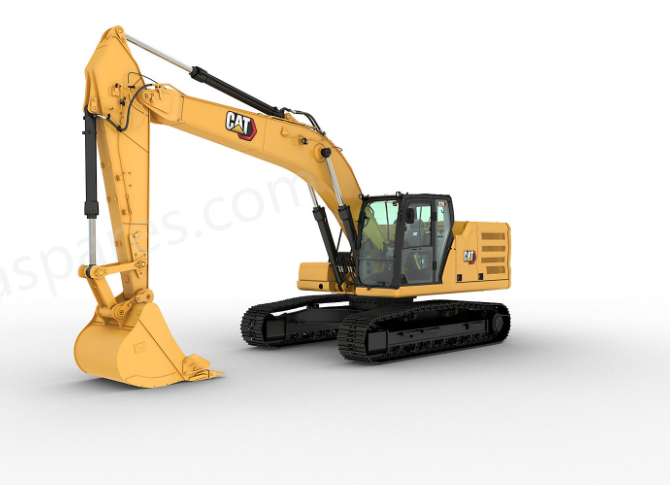
 CAT Excavator 326Premium Performance with Simple-to-Use Technologies
The Cat® 326 Excavator brings premium performance with simple-to-use technologies to boost your operator efficiencies. Combine these features with an ergonomic cab, longer maintenance intervals, and a power system that reduces fuel and you have a low-cost-per-unit-of-production excavator that’s perfect for medium to heavy-duty applications. CAT Excavator 324Heavy-Duty Muscle Built to Outperform
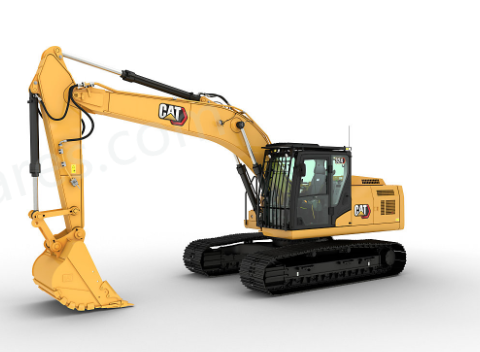
The Cat® 324 excavator is built to handle high-production workloads with the perfect balance of brute strength and refined control. Its powerful Cat® C7.1 engine, high-flow hydraulics, and advanced electrohydraulic system give you the muscle to move heavy material fast, without burning through your budget. With reinforced structures, field-proven durability, and easy-to-maintain components, the 324 is your go-to solution for tackling tough jobs with less downtime. CAT Excavator 322Profit-Driven Powerhouse for Heavy Loads
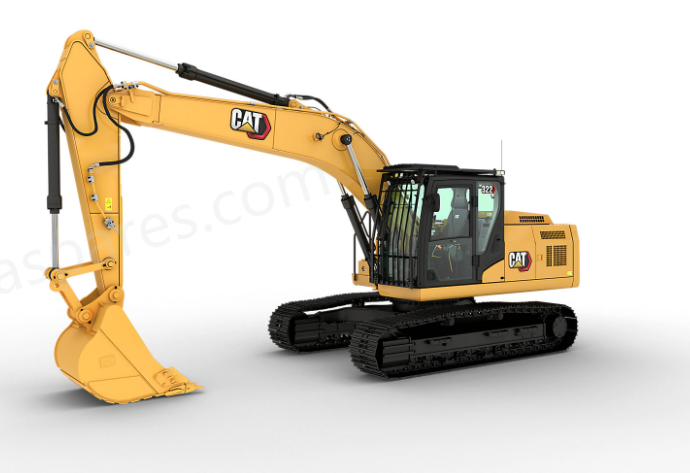
When you need muscle, precision, and cost control in one machine, the Cat® 322 excavator delivers. Purpose-built for high production, the 322 pairs fast cycle times with large bucket options to move more material in fewer passes. Its responsive electrohydraulic controls and rugged design keep you productive on the tough jobs, while smart fuel efficiency and streamlined maintenance help you stay profitable every step of the way. Whether you’re loading, trenching, or lifting, the 322 is a heavy-duty workhorse that pays you back. CAT Excavator 321Versatility at the Lowest Cost Per Hour
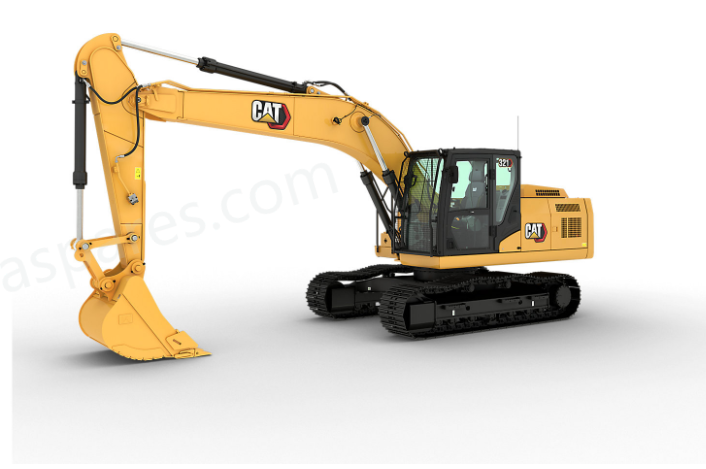
Powered by the reliable Cat® C3.6 engine, the Cat® 321 excavator delivers high torque and fast cycle times to maximize productivity. Reinforced Cat structures extend machine life and withstand the toughest conditions, while the latest cab design puts operator safety and comfort first. Every core system undergoes rigorous testing, so you can count on consistent, reliable performance shift after shift.