-News Center-
How to Inspect MG19046501 5441301CHAIN GP for Wear and Stretch
For aftersales maintenance teams, accurately identifying wear and stretch in the MG19046501 5441301CHAIN GP is essential to preventing unexpected downtime, poor machine performance, and costly component damage. This guide explains how to inspect the chain group systematically, from visual checks and measurement methods to key signs that indicate replacement may be required. By following a practical inspection process, maintenance personnel can improve equipment reliability, extend service life, and ensure construction machinery continues operating safely and efficiently in demanding jobsite conditions.
In construction machinery, a chain group is rarely an isolated component. It works with sprockets, rollers, guards, lubrication points, and load-bearing structures. A small amount of elongation can change load distribution across several parts, especially after 500 to 1,000 operating hours in abrasive or high-impact environments.
Why Wear and Stretch Inspection Matters for Chain Group Reliability
The MG19046501 5441301CHAIN GP should be inspected as part of a preventive maintenance routine, not only after abnormal noise appears. Stretch usually develops gradually, while wear may concentrate around pins, bushings, plates, and contact surfaces exposed to dust, mud, and heavy loading.
Common operating conditions that accelerate damage
Aftersales maintenance personnel often see faster deterioration when machines work 8 to 12 hours per shift, carry irregular loads, or operate in sand, quarry dust, or wet soil. Poor lubrication can shorten chain life significantly, even when the machine is otherwise well maintained.
- High shock loading during digging, grading, loading, or sudden reversing operations.
- Contamination by abrasive particles that enter pin and bushing contact areas.
- Incorrect tension that causes slapping, jumping, side loading, or uneven sprocket engagement.
- Delayed replacement of related parts, such as worn sprockets or damaged guards.
Risk impact on maintenance planning
A stretched chain may still move, but it can transfer load unevenly and increase vibration. If ignored for 2 or 3 service intervals, the machine may require more than a chain replacement, raising both labor time and parts cost.
Pre-Inspection Preparation and Safety Controls
Before inspecting the MG19046501 5441301CHAIN GP, the machine must be secured according to site safety rules. A practical inspection usually takes 30 to 60 minutes, depending on access space, contamination level, and whether covers need removal.
Tools and records needed before measurement
Use calibrated measuring tools whenever possible. A steel rule may help with quick screening, but a vernier caliper, chain gauge, or fixed reference fixture gives better repeatability when tracking stretch over multiple inspections.
The following table outlines the basic preparation items maintenance teams should confirm before opening the inspection area. It supports consistent checks across different machines and shift teams.
The key conclusion is simple: measurement accuracy depends on preparation. If dirt remains between links or the chain is under irregular tension, the recorded stretch of the MG19046501 5441301CHAIN GP may be misleading.
Step-by-Step Inspection Process for MG19046501 5441301CHAIN GP
A structured process helps technicians find early-stage problems before they become expensive failures. For most aftersales teams, a 5-step routine is practical enough for field service and detailed enough for workshop diagnostics.
Step 1: Perform a visual condition check
Inspect outer plates, inner plates, pin ends, bushings, and contact faces. Look for red rust, polished flat spots, cracked plates, missing retaining features, and uneven side wear. Any visible crack should be treated as a serious replacement signal.
Step 2: Check articulation and tight joints
Move a short section through its normal path if access allows. A healthy chain should articulate smoothly. Tight joints, binding, or a link that stays angled can indicate internal contamination, corrosion, or pin and bushing deformation.
Step 3: Measure chain stretch across fixed pitches
Select a straight section under light, consistent tension. Measure from a repeatable point on one pin to the same point on another pin across 6 to 10 pitches. Compare the result with the new-chain reference or the manufacturer’s service data.
- Clean the selected section and mark the start and end pins.
- Apply consistent tension without forcing the chain beyond its normal operating position.
- Record the measurement to the nearest practical increment, such as 0.5 mm.
- Repeat the measurement at 2 or 3 locations to identify uneven elongation.
- Compare results with past service records to evaluate the wear trend.
Step 4: Inspect sprocket and alignment interaction
Do not assess the MG19046501 5441301CHAIN GP alone. Worn sprocket teeth can make a serviceable chain appear faulty, while a stretched chain can quickly damage new sprockets. Check engagement depth, tooth profile, and side alignment.
Step 5: Record findings and classify action
Classify results into 3 levels: continue monitoring, schedule replacement, or stop operation for repair. This keeps communication clear between field technicians, service supervisors, warehouse teams, and procurement staff.
Wear Indicators, Stretch Thresholds, and Replacement Decisions
Replacement should be based on combined evidence, not one observation. A chain may show moderate stretch but severe side wear, or it may measure within range while several links are cracked or seized.
Interpreting inspection results in field conditions
When official service limits are unavailable at the worksite, many maintenance teams use conservative internal thresholds. For chain elongation, a 1.5% to 2.0% increase is often treated as a planning point, while higher stretch requires closer review.
The table below helps organize typical findings for the MG19046501 5441301CHAIN GP and similar heavy-duty chain groups used in construction machinery applications.
The most important lesson is to avoid single-factor decisions. Stretch percentage, visual damage, articulation quality, sprocket condition, and operating urgency should be reviewed together before approving continued use.
Maintenance Practices That Extend Service Life
Inspection identifies problems, but daily maintenance slows their development. For machines working in heavy dust or wet ground, chain-related checks may be needed every shift, while general measurement can remain on a 250-hour or monthly cycle.
Lubrication, tension, and cleaning discipline
Lubrication must reach the pin and bushing interface, not only coat the outside surface. Excess grease mixed with dust can become abrasive, so the correct lubricant type and application volume matter more than simply applying more product.
- Check tension after installation, after the first 50 hours, and during each scheduled service interval.
- Clean compacted soil before measurement to avoid a false stretch reading.
- Replace sprockets or guides when their wear pattern would damage a new chain group.
- Keep records for at least 3 inspection cycles to identify abnormal wear acceleration.
Avoiding common service mistakes
One common mistake is adjusting tension repeatedly to compensate for elongation. This may temporarily reduce noise, but it does not restore pitch accuracy. Over-tensioning can increase bearing load and accelerate wear in connected parts.
Another mistake is installing a new MG19046501 5441301CHAIN GP without checking mating components. If sprocket teeth are hooked or guides are misaligned by several millimeters, the new chain may show premature wear within a short service period.
Parts Sourcing and Aftersales Support Considerations
When replacement is required, the sourcing process should protect both machine uptime and component compatibility. Maintenance teams should confirm part number, machine application, installation position, and any related components before ordering.
What aftersales teams should confirm before purchase
For B2B maintenance operations, the purchase decision is not only about unit price. Availability, brand compatibility, documentation, packaging protection, and technical response time can affect whether the repair is completed in 1 day or delayed for a week.
- Confirm the exact part number MG19046501 5441301CHAIN GP and cross-check machine information.
- Review whether sprockets, pins, guards, or hardware should be replaced together.
- Check stock availability and expected dispatch time, especially for urgent jobsite repairs.
- Request clear photos, packaging details, and product condition information when needed.
- Keep installation records for future warranty, maintenance, and fleet cost analysis.
TerraMech supports construction machinery users with branded equipment and parts backed by more than 20 years of industry experience. Our team works with globally recognized brands including Caterpillar, Komatsu, Volvo, SEM, Shantui, XCMG, SDLG, Weichai, and SDEC.
For maintenance personnel, that experience helps reduce uncertainty during part identification and replacement planning. A reliable supplier can help verify the chain group, recommend related inspection points, and support practical repair scheduling.
Final Recommendations for Reliable Chain Group Inspection
A dependable inspection of the MG19046501 5441301CHAIN GP combines visual checks, measured stretch, articulation assessment, and review of adjacent components. The best results come from consistent measurement methods and service records over several intervals.
For aftersales maintenance teams, this approach supports safer operation, fewer unplanned stoppages, and better spare parts planning. It also helps decision-makers avoid replacing components too late or too early without technical evidence.
If your team needs help confirming the MG19046501 5441301CHAIN GP, comparing replacement options, or planning parts supply for construction machinery maintenance, contact TerraMech to consult product details or request a tailored parts solution.
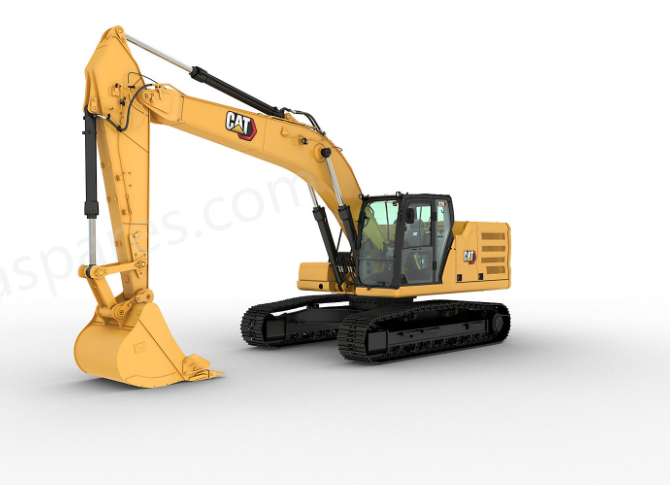
 CAT Excavator 326Premium Performance with Simple-to-Use Technologies
The Cat® 326 Excavator brings premium performance with simple-to-use technologies to boost your operator efficiencies. Combine these features with an ergonomic cab, longer maintenance intervals, and a power system that reduces fuel and you have a low-cost-per-unit-of-production excavator that’s perfect for medium to heavy-duty applications. CAT Excavator 324Heavy-Duty Muscle Built to Outperform
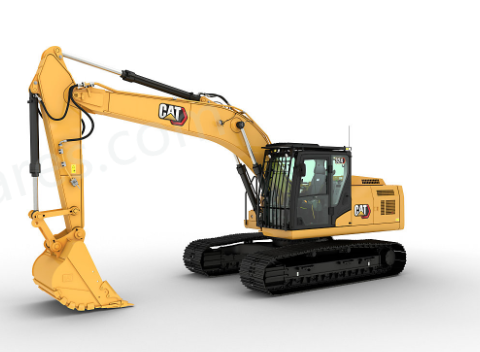
The Cat® 324 excavator is built to handle high-production workloads with the perfect balance of brute strength and refined control. Its powerful Cat® C7.1 engine, high-flow hydraulics, and advanced electrohydraulic system give you the muscle to move heavy material fast, without burning through your budget. With reinforced structures, field-proven durability, and easy-to-maintain components, the 324 is your go-to solution for tackling tough jobs with less downtime. CAT Excavator 322Profit-Driven Powerhouse for Heavy Loads
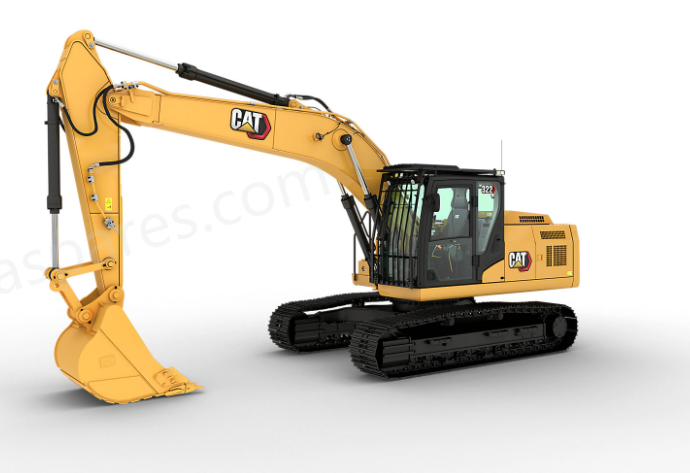
When you need muscle, precision, and cost control in one machine, the Cat® 322 excavator delivers. Purpose-built for high production, the 322 pairs fast cycle times with large bucket options to move more material in fewer passes. Its responsive electrohydraulic controls and rugged design keep you productive on the tough jobs, while smart fuel efficiency and streamlined maintenance help you stay profitable every step of the way. Whether you’re loading, trenching, or lifting, the 322 is a heavy-duty workhorse that pays you back. CAT Excavator 321Versatility at the Lowest Cost Per Hour
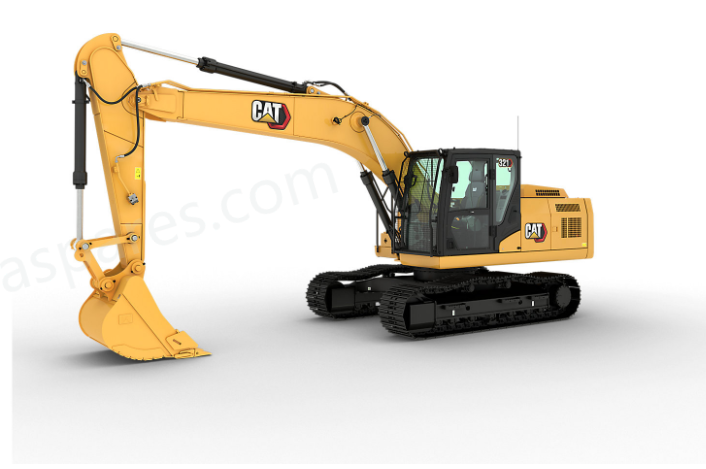
Powered by the reliable Cat® C3.6 engine, the Cat® 321 excavator delivers high torque and fast cycle times to maximize productivity. Reinforced Cat structures extend machine life and withstand the toughest conditions, while the latest cab design puts operator safety and comfort first. Every core system undergoes rigorous testing, so you can count on consistent, reliable performance shift after shift.