-News Center-
Common Problems Solved by Replacing Worn SEM 636D LOADER PARTS
Common Problems Solved by Replacing Worn SEM 636D LOADER PARTS
Frequent breakdowns, poor bucket response, hydraulic leaks, and rising downtime often point to worn SEM 636D LOADER PARTS that can no longer support reliable performance.
Replacing the right parts at the right time helps restore efficiency, improve safety, and control repair costs before bigger failures appear.
In daily service work, small signs usually come first. Slower cycles, abnormal noise, and uneven force are often early warnings of wear.
Why worn SEM 636D LOADER PARTS create repeat failures
A loader rarely fails because of one dramatic event. More often, worn SEM 636D LOADER PARTS gradually weaken the whole working system.
Pins, bushings, seals, hoses, and linkage components affect movement accuracy. When clearances grow, every work cycle becomes less stable.
This also means stress shifts to nearby parts. One worn connection point can increase load on cylinders, arms, and bucket joints.
- Loose joints reduce bucket control.
- Worn seals trigger oil leakage.
- Damaged hoses slow hydraulic response.
- Fatigued pins create impact and noise.
Problem 1: Slow bucket response and weak lifting force
When the bucket feels sluggish, the issue is not always the pump. Worn SEM 636D LOADER PARTS around the linkage can cause delayed motion.
Excessive play at pins and joints wastes hydraulic force. Instead of clean movement, energy is lost through looseness and vibration.
A practical example is the loader pin area. If the pin surface is worn, alignment changes and the work tool no longer moves smoothly.
In this situation, a component like 5228212 Z510010821 PIN SEM MACHINERY can support stable articulation in wheel loader applications.
Its robust construction improves durability, while weld seams placed in low-stress areas help reduce fatigue during repeated heavy loading.
- Check bucket rollback speed under load.
- Measure pin clearance at key joints.
- Inspect uneven wear on bushings.
- Replace matched wear parts together.
Problem 2: Hydraulic leaks that keep coming back
Hydraulic leaks often look simple, but repeat leaks usually point to deeper wear. Replacing only a seal may not solve the real problem.
Worn SEM 636D LOADER PARTS can misalign cylinders and hoses. Once alignment shifts, new seals wear faster and leakage returns.
From recent service trends, recurring leaks are often linked to neglected pins, mounting points, and joint wear rather than oil quality alone.
- Confirm the exact leak source.
- Inspect adjacent moving connections.
- Check whether side load exists.
- Replace damaged supporting parts together.
This approach saves time because it targets the root cause. It also reduces the cycle of repeated shutdown, refill, and cleanup.
Problem 3: Excessive vibration, noise, and structural stress
Clunking sounds during lifting or dumping should not be ignored. They often signal worn SEM 636D LOADER PARTS in the loader arm linkage.
As wear grows, metal contact increases. The loader then transfers shock loads into surrounding structures, accelerating fatigue in connected assemblies.
More importantly, vibration affects operator confidence and control accuracy. That can slow loading cycles and increase the risk of secondary damage.
Problem 4: Rising downtime and repair costs
Downtime rarely starts with a total stop. It begins with slower work, extra checks, emergency adjustments, and frequent replacement of minor items.
That is why timely replacement of SEM 636D LOADER PARTS matters. Planned maintenance costs less than repeated field failure and urgent repair.
Reliable suppliers also make a difference. TerraMech brings more than twenty years of engineering machinery experience and supports globally recognized brands.
This helps service teams source quality parts faster, reduce mismatch risk, and keep maintenance planning more predictable.
How to choose replacement parts that solve the issue
Not every replacement delivers the same result. Good SEM 636D LOADER PARTS should match the machine, the workload, and the real failure mode.
- Verify model compatibility before ordering.
- Review wear patterns, not just damage points.
- Choose durable materials for heavy cycles.
- Prefer suppliers with export and service experience.
- Consider one-stop ODM and OEM support if needed.
For example, 5228212 Z510010821 PIN SEM MACHINERY is engineered for dependable performance across diverse work tool conditions.
That kind of design matters when loaders face different attachments, repeated shock loads, and changing jobsite demands.
Final takeaway
Many common loader problems are not isolated faults. They are direct results of worn SEM 636D LOADER PARTS working beyond their safe service life.
When slow response, leaks, vibration, or repeated downtime appear together, targeted replacement becomes the most practical fix.
Start with inspection, confirm the wear source, and replace critical parts before damage spreads. That simple step keeps SEM 636D loaders productive and easier to maintain.
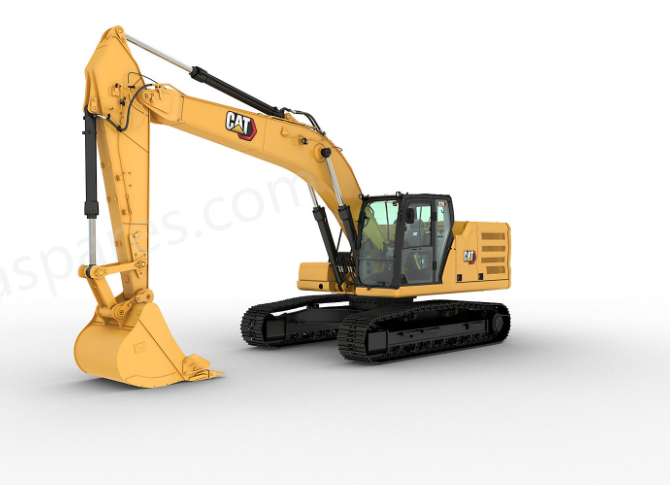
 CAT Excavator 326Premium Performance with Simple-to-Use Technologies
The Cat® 326 Excavator brings premium performance with simple-to-use technologies to boost your operator efficiencies. Combine these features with an ergonomic cab, longer maintenance intervals, and a power system that reduces fuel and you have a low-cost-per-unit-of-production excavator that’s perfect for medium to heavy-duty applications. CAT Excavator 324Heavy-Duty Muscle Built to Outperform
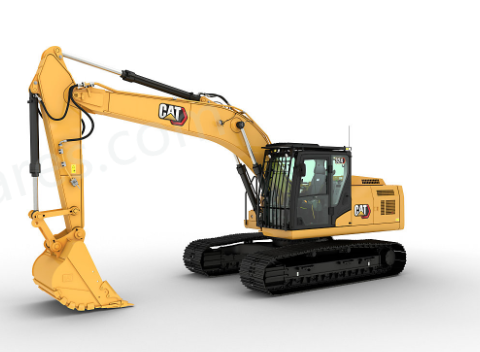
The Cat® 324 excavator is built to handle high-production workloads with the perfect balance of brute strength and refined control. Its powerful Cat® C7.1 engine, high-flow hydraulics, and advanced electrohydraulic system give you the muscle to move heavy material fast, without burning through your budget. With reinforced structures, field-proven durability, and easy-to-maintain components, the 324 is your go-to solution for tackling tough jobs with less downtime. CAT Excavator 322Profit-Driven Powerhouse for Heavy Loads
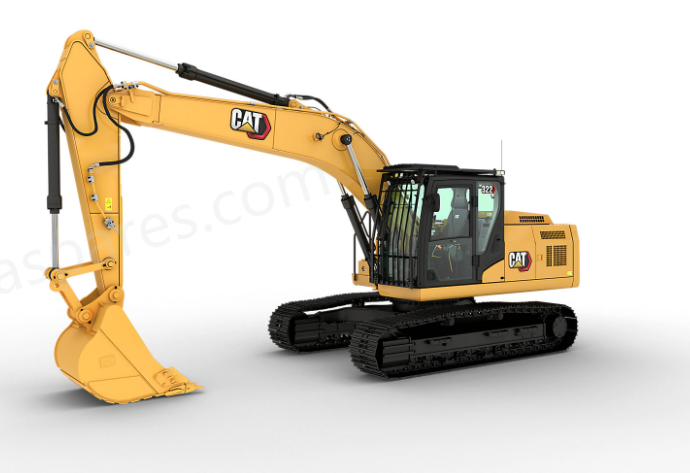
When you need muscle, precision, and cost control in one machine, the Cat® 322 excavator delivers. Purpose-built for high production, the 322 pairs fast cycle times with large bucket options to move more material in fewer passes. Its responsive electrohydraulic controls and rugged design keep you productive on the tough jobs, while smart fuel efficiency and streamlined maintenance help you stay profitable every step of the way. Whether you’re loading, trenching, or lifting, the 322 is a heavy-duty workhorse that pays you back. CAT Excavator 321Versatility at the Lowest Cost Per Hour
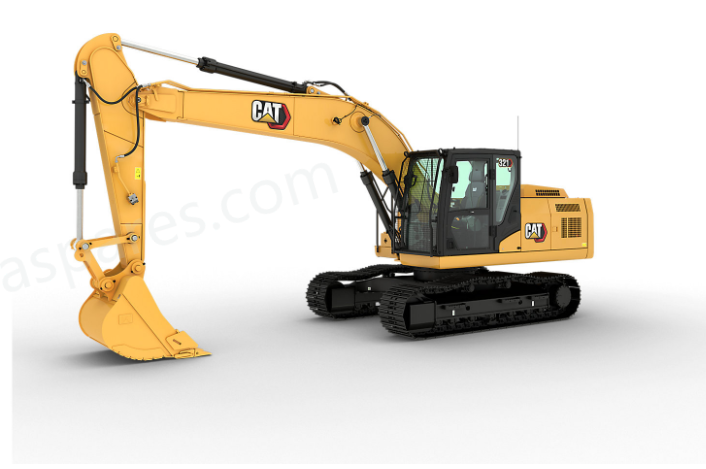
Powered by the reliable Cat® C3.6 engine, the Cat® 321 excavator delivers high torque and fast cycle times to maximize productivity. Reinforced Cat structures extend machine life and withstand the toughest conditions, while the latest cab design puts operator safety and comfort first. Every core system undergoes rigorous testing, so you can count on consistent, reliable performance shift after shift.