-News Center-
What Is 5338057 and Which Loader Systems Commonly Use This Part?
Researching 5338057 usually starts with a practical need: finding the correct replacement before downtime grows. In loader parts, a number alone is never enough. The real value lies in knowing what 5338057 does, where it fits, and how it affects reliability, service intervals, and repair cost across common loader systems.
Why 5338057 matters in loader parts sourcing
In construction machinery, part matching is closely tied to machine uptime. A wrong reference can create installation issues, hydraulic inefficiency, premature wear, or repeat maintenance.
That is why 5338057 attracts attention in the aftermarket and service supply chain. It is searched not only as a part number, but also as a compatibility question.
For companies handling branded equipment portfolios, this matters every day. TerraMech works across established machinery brands and parts lines, so accurate cross-checking is part of routine support rather than a secondary step.
What 5338057 usually refers to
In most parts research contexts, 5338057 is treated as an OEM-style reference used in construction equipment component catalogs. It is generally associated with loader system assemblies rather than universal hardware.
Simple identification means checking three layers at once: the part number, the machine model, and the system location. Without that combination, even a genuine-looking 5338057 may not be the right fit.
Depending on the catalog structure, 5338057 may appear in linkage-related, hydraulic-related, or support-component listings. This is common in loader maintenance, where several assemblies interact under heavy load.
Loader systems that commonly require this kind of part
5338057 is most relevant when reviewing wheel loader systems exposed to constant vibration, repeated lifting cycles, and dusty jobsite conditions.
Typical application areas include the following:
- Loader hydraulic systems, where accurate fit affects control response and sealing performance.
- Bucket or lift-arm support assemblies, where load transfer and alignment are critical.
- Articulation or frame-adjacent component groups, especially in machines used for repeated heavy-duty cycles.
- Auxiliary mounting positions connected to serviceability and wear management.
In practice, the exact system depends on brand, serial range, and design revision. Two loaders with similar names may still use different versions around the same function point.
Common operating environments
Parts like 5338057 are often checked during repairs on quarry loaders, aggregate handlers, earthmoving machines, and site support equipment working long daily shifts.
These environments accelerate wear. That makes correct replacement more important than simply finding a visually similar component.
What buyers and maintenance teams should verify
The fastest mistake is matching only by number. A better approach is to compare several points before ordering 5338057.
This verification process is especially useful when equipment fleets contain multiple global brands. A structured comparison often saves more time than repeated trial fitting.
How 5338057 fits broader equipment decisions
A single part reference can also reveal something larger about equipment management. Machines used in demanding cycles need components that support predictable maintenance, not only initial replacement.
That is one reason many buyers compare parts support with machine design philosophy. For example, equipment built for easy maintenance and stable hydraulic behavior tends to reduce unplanned service interruptions.
This can also be seen outside loaders. In road construction and earthwork applications, SEM 922F Motor Grader reflects the same practical logic through a 162 kW SDEC Tier 2 engine, PPPC load-sensing hydraulic system, durable tandem axle design, and lower operating cost focus.
Although it serves a different machine category, the lesson is similar: reliable system performance starts with proper component matching and service-friendly engineering.
When 5338057 needs closer review
Some situations deserve extra caution before confirming 5338057.
- The old part is missing and identification relies only on memory.
- The machine has undergone previous modifications or non-original repairs.
- The equipment works in high-impact mining or abrasive aggregate conditions.
- The catalog shows superseded numbers or alternative revisions for 5338057.
In these cases, photos, measurements, and serial data should be checked together. A revised part number may be the correct answer even when 5338057 appears in older records.
A practical way to move forward
Understanding 5338057 is less about memorizing a code and more about placing it in the correct loader system context. That is what turns a search term into a dependable maintenance decision.
If 5338057 is under review, the next step is straightforward: gather the machine model, serial number, system location, and any old part markings. From there, compare catalog references carefully and confirm whether the current version, a superseded version, or a cross-reference is the best match.
That approach keeps parts sourcing accurate, protects loader performance, and makes follow-up maintenance easier to plan.
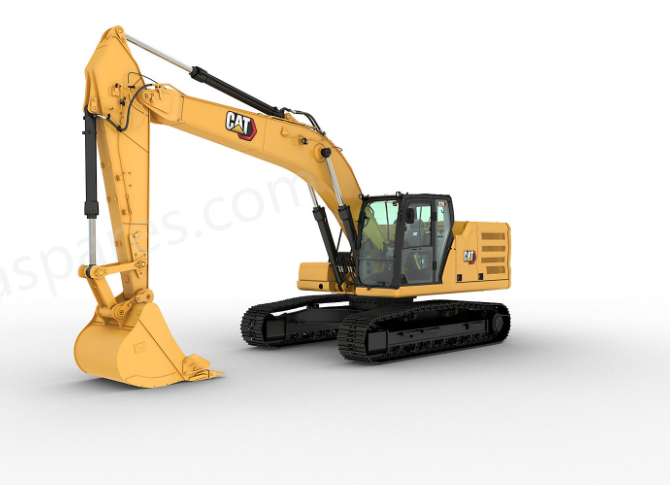
 CAT Excavator 326Premium Performance with Simple-to-Use Technologies
The Cat® 326 Excavator brings premium performance with simple-to-use technologies to boost your operator efficiencies. Combine these features with an ergonomic cab, longer maintenance intervals, and a power system that reduces fuel and you have a low-cost-per-unit-of-production excavator that’s perfect for medium to heavy-duty applications. CAT Excavator 324Heavy-Duty Muscle Built to Outperform
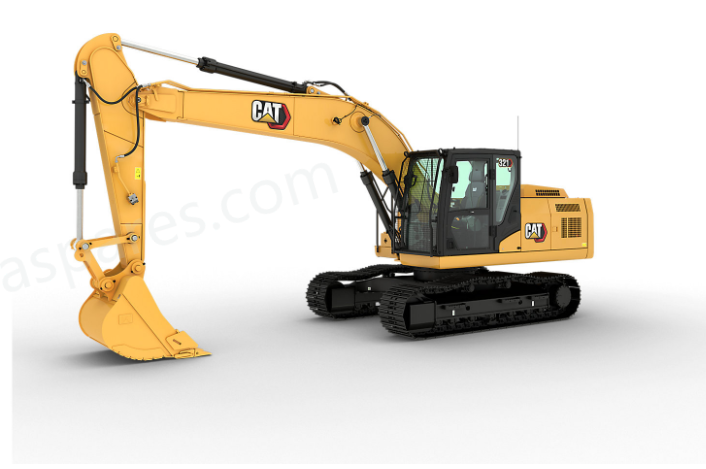
The Cat® 324 excavator is built to handle high-production workloads with the perfect balance of brute strength and refined control. Its powerful Cat® C7.1 engine, high-flow hydraulics, and advanced electrohydraulic system give you the muscle to move heavy material fast, without burning through your budget. With reinforced structures, field-proven durability, and easy-to-maintain components, the 324 is your go-to solution for tackling tough jobs with less downtime. CAT Excavator 322Profit-Driven Powerhouse for Heavy Loads
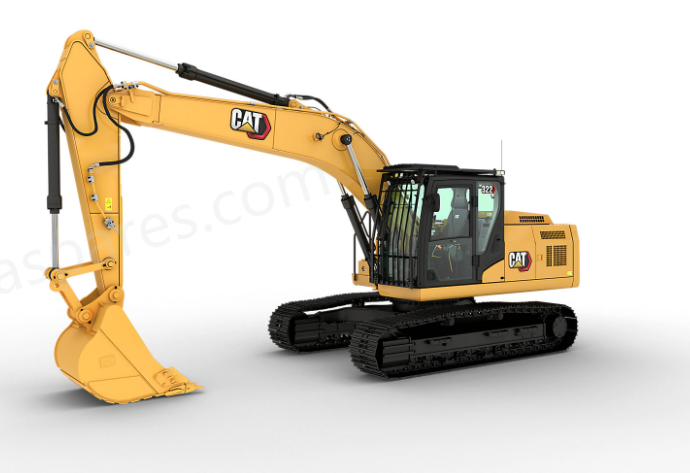
When you need muscle, precision, and cost control in one machine, the Cat® 322 excavator delivers. Purpose-built for high production, the 322 pairs fast cycle times with large bucket options to move more material in fewer passes. Its responsive electrohydraulic controls and rugged design keep you productive on the tough jobs, while smart fuel efficiency and streamlined maintenance help you stay profitable every step of the way. Whether you’re loading, trenching, or lifting, the 322 is a heavy-duty workhorse that pays you back. CAT Excavator 321Versatility at the Lowest Cost Per Hour
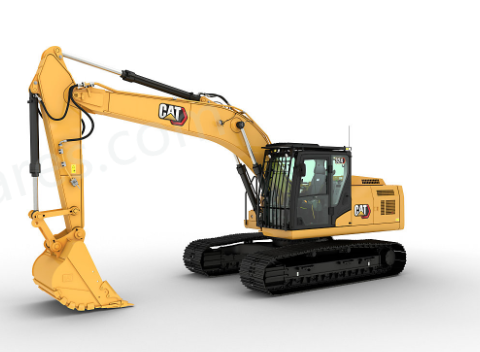
Powered by the reliable Cat® C3.6 engine, the Cat® 321 excavator delivers high torque and fast cycle times to maximize productivity. Reinforced Cat structures extend machine life and withstand the toughest conditions, while the latest cab design puts operator safety and comfort first. Every core system undergoes rigorous testing, so you can count on consistent, reliable performance shift after shift.