-News Center-
Wheel Loader Gear GP Selection Guide for Heavy-Duty Construction Applications
Wheel Loader Gear GP Selection Guide for Heavy-Duty Construction Applications
Selecting the right MACHINERY WHEEL LOADER GEAR GP is not a paperwork exercise. It affects shift quality, axle response, bearing life, oil temperature, and how often the machine ends up parked for avoidable teardown work. For technical evaluators handling quarry loaders, mining support units, bulk material handling machines, or long-shift earthmoving fleets, the wrong gear group usually shows up later as noise, backlash, seal failure, or inconsistent torque transfer under load. That is expensive downtime.
A practical evaluation starts with fitment, then moves quickly into load path, metallurgy, operating duty, and supplier traceability. TerraMech has spent more than two decades working with construction machinery and replacement parts across brands such as Caterpillar, Komatsu, Volvo, SEM, Shantui, XCMG, SDLG, Weichai, and SDEC, and one lesson repeats itself: a gear GP that looks acceptable on paper can still fail early if the application details are wrong.
Start with the exact machine configuration, not the model family
A loader model name is only a starting point. Evaluators should confirm serial range, transmission variant, axle arrangement, and any field modifications already made on the machine. Gear groups often change within the same platform because of production updates, regional emissions packages, or supplier substitutions. If the current failed part is available, compare tooth count, spline form, face width, mounting dimensions, and any casting or forging marks before approving a replacement.
This is where many purchasing teams lose time. They match a part to a brochure model, not to the actual machine standing in the yard. For a MACHINERY WHEEL LOADER GEAR GP used in high-load cycles, that shortcut is risky.
- Check OEM part number history and supersession notes if available.
- Confirm whether the gear runs with a matched pinion or mating gear set.
- Review service records for prior transmission or differential rebuilds.
Look hard at the duty cycle
Not every wheel loader works the same way. A stockyard machine doing repetitive short pushes does not load the drivetrain like a loader climbing ramps with a full bucket all day. Ask what the machine actually does: loose aggregate, blasted rock, wet clay, timber yard handling, or constant truck loading. Also ask about haul distance, tire slip, slope, shock loading, and operator behavior. These factors decide whether you need a standard replacement or a higher-confidence option with better wear resistance and more stable heat treatment.
If the old gear failed through pitting, scuffing, tooth root cracking, or abnormal wear pattern, do not treat it as a simple parts swap. The failure mode tells you whether the root problem was overload, lubrication breakdown, alignment error, contamination, or mismatched hardness between mating parts.
Material and heat treatment deserve real attention
Technical buyers should ask what material grade and heat treatment route are being used, even if the supplier does not disclose every process detail. For heavy-duty loader applications, gear performance depends heavily on core toughness, surface hardness consistency, and dimensional stability after treatment. Without verified documentation, broad claims like “high strength” are not very useful.
You do not need marketing language here. You need answers to practical questions:
- Is hardness controlled consistently across the tooth surface and root area?
- Is there inspection data for key dimensions after heat treatment?
- Can the supplier provide batch traceability or at least production lot identification?
- Are mating components recommended to be replaced together?
If these points cannot be clarified, keep the risk rating high. For critical fleet units, that uncertainty alone can justify rejecting the part.
Dimensional accuracy matters more than many teams expect
A wheel loader gear GP can be made from decent material and still create trouble if profile accuracy, runout, bore tolerance, or spline fit is marginal. In service, small dimensional errors become noise, localized load concentration, premature bearing stress, and oil contamination. That is why incoming inspection should include more than a visual check.
Do not separate the gear from the lubrication reality
Some repeat failures are blamed on the replacement gear when the real issue is oil cleanliness, wrong lubricant specification, or poor sealing upstream. If the machine works in abrasive dust, wet handling areas, or severe temperature swings, inspect the full lubrication environment before signing off on a new part. Ask for oil analysis if the fleet already uses it. If not, at least check for metal debris patterns and water contamination during teardown. That information is often more useful than a generic failure photo.
This is also where an evaluator may need to consider related service parts. In broader engine-system sourcing, teams sometimes bundle wear items for planned maintenance, such as SHANTUI BULLDOZER 04121-22281 SD16 SD22 SD32 BELT, especially when they are already consolidating parts orders across mixed-brand equipment. It does not replace careful drivetrain selection, but coordinated procurement can reduce idle time during service windows.
Evaluate the supplier like you would evaluate the part
For technical evaluation, supplier capability is part of product suitability. A vendor that understands cross-brand machinery support, export handling, and replacement part consistency is easier to work with when fitment questions come up late. TerraMech’s operating model, built around recognized machinery brands and long-term parts supply, reflects what many buyers now need: reliable communication, batch consistency, and the ability to support different equipment lines without turning every order into a one-off investigation.
Useful questions to ask a supplier before approval:
- Can they confirm brand-specific fitment for the exact machine record you provide?
- Do they have experience shipping to your target market with the required commercial documents?
- Can they support OEM or ODM requests if your fleet has special sourcing rules?
- How do they handle discrepancy claims when a part arrives but does not match the verified spec?
If the answers are vague, expect friction later.
Keep a short approval checklist before release
Before you issue the purchase decision for a MACHINERY WHEEL LOADER GEAR GP, make sure the file includes the machine identification details, the failed-part findings, dimensional comparison results, supplier confirmation, and any installation notes for backlash or mating-part replacement. If one of those pieces is missing, the evaluator is being asked to accept risk without enough evidence.
A solid decision usually looks simple in hindsight: the part fits the exact machine, the expected load is understood, the manufacturing quality is supportable, and the supplier can stand behind what was shipped. That is what reduces repeat failures. Not a low quote, not a generic interchange claim, and not a rushed match from an old spreadsheet.
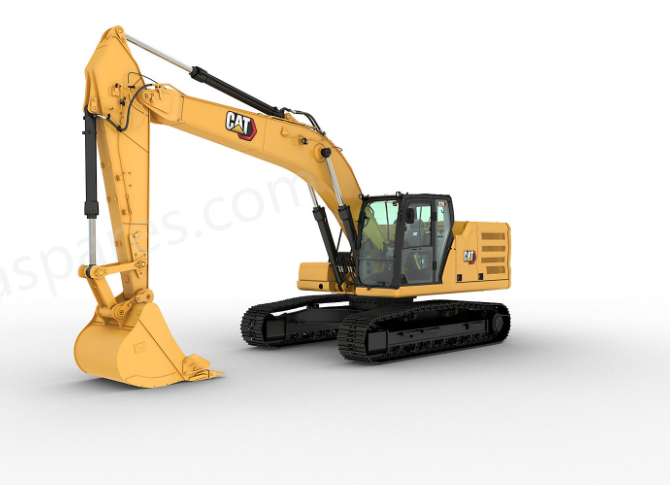
 CAT Excavator 326Premium Performance with Simple-to-Use Technologies
The Cat® 326 Excavator brings premium performance with simple-to-use technologies to boost your operator efficiencies. Combine these features with an ergonomic cab, longer maintenance intervals, and a power system that reduces fuel and you have a low-cost-per-unit-of-production excavator that’s perfect for medium to heavy-duty applications. CAT Excavator 324Heavy-Duty Muscle Built to Outperform
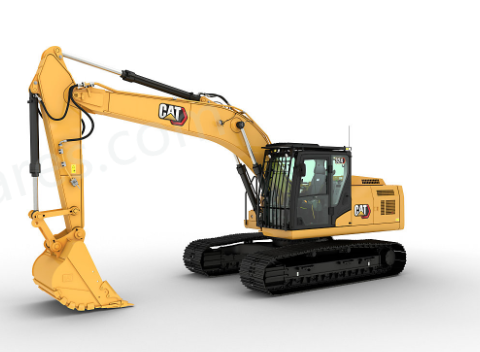
The Cat® 324 excavator is built to handle high-production workloads with the perfect balance of brute strength and refined control. Its powerful Cat® C7.1 engine, high-flow hydraulics, and advanced electrohydraulic system give you the muscle to move heavy material fast, without burning through your budget. With reinforced structures, field-proven durability, and easy-to-maintain components, the 324 is your go-to solution for tackling tough jobs with less downtime. CAT Excavator 322Profit-Driven Powerhouse for Heavy Loads
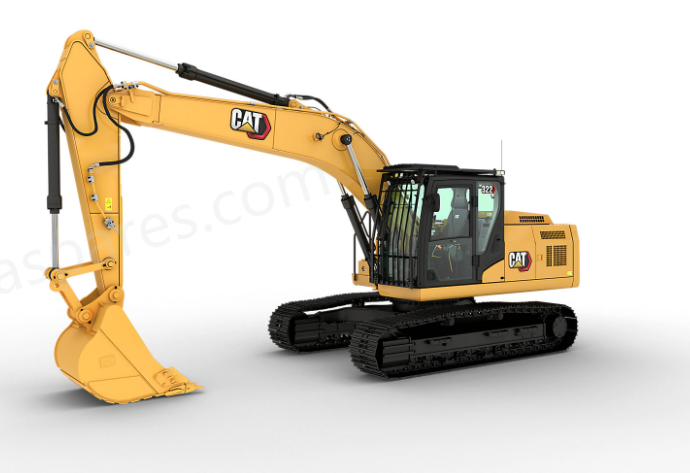
When you need muscle, precision, and cost control in one machine, the Cat® 322 excavator delivers. Purpose-built for high production, the 322 pairs fast cycle times with large bucket options to move more material in fewer passes. Its responsive electrohydraulic controls and rugged design keep you productive on the tough jobs, while smart fuel efficiency and streamlined maintenance help you stay profitable every step of the way. Whether you’re loading, trenching, or lifting, the 322 is a heavy-duty workhorse that pays you back. CAT Excavator 321Versatility at the Lowest Cost Per Hour
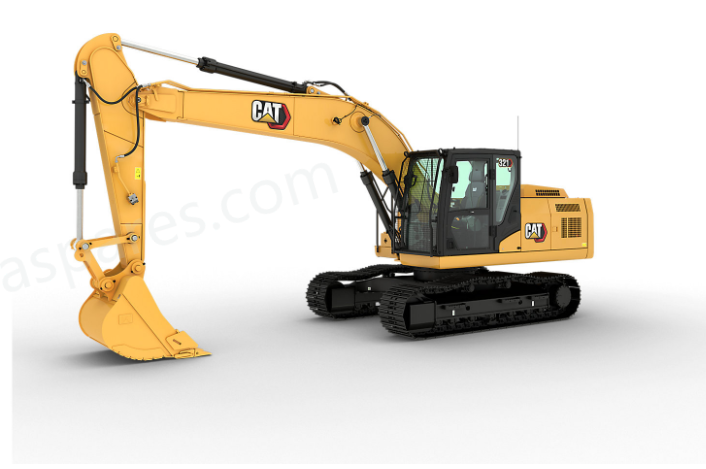
Powered by the reliable Cat® C3.6 engine, the Cat® 321 excavator delivers high torque and fast cycle times to maximize productivity. Reinforced Cat structures extend machine life and withstand the toughest conditions, while the latest cab design puts operator safety and comfort first. Every core system undergoes rigorous testing, so you can count on consistent, reliable performance shift after shift.