-News Center-
Is 5224345 Compatible with Your Equipment? Key Fitment Questions to Ask
A part number is only the starting point
When someone asks whether 5224345 is compatible with a machine, the part number alone rarely settles it. In construction equipment, fitment is shaped by a stack of practical variables: the machine family, production variation, serial number breakpoints, attachment configuration, and the actual duty cycle in the field. A component can look correct on paper and still create alignment problems, premature wear, or interference with adjacent parts once it reaches the machine.
That is why experienced evaluators do not treat compatibility as a catalog lookup exercise. They treat it as a verification process. The goal is not just to see whether 5224345 appears in a parts list, but to confirm that it will install correctly, work within the intended system, and hold up under the operating conditions of the machine it is going into.
Start with the equipment identity, not the part itself
The first question is straightforward: what exactly is the machine? Model name helps, but it is not enough. On many construction platforms, the same model designation may cover multiple production revisions. A grader, loader, or excavator built in one serial range can use a different mounting pattern, material thickness, or associated hardware than a machine with the same commercial model name built later.
For that reason, a technical review of 5224345 should begin with four basic identifiers:
- Machine brand and model
- Serial number or VIN-equivalent equipment ID
- Production year or build range, if available
- Current configuration, including attachment or tool setup
This sounds obvious, but it is where many wrong orders begin. Teams often verify only the machine model and assume the rest is stable. In real fleets, machines are modified, repaired with alternative components, or rebuilt after hard service. The installed condition may already differ from the original factory configuration.
Ask what function 5224345 serves in the assembly
A useful compatibility check always includes the role of the part. Is 5224345 a wear component, a structural item, a sealing element, or a system interface part? The risk profile changes with that function. A cosmetic panel mismatch is inconvenient. A wear strip, mounting element, or load-bearing component mismatch can affect service life and surrounding hardware.
This is especially important in grader and undercarriage-related applications, where the part may be expected to tolerate abrasion, vibration, and repeated impact loading. In those cases, dimensional interchangeability is only one layer of fitment. Material behavior, weld location, and stress distribution matter as well. That is one reason buyers evaluating related wear solutions often compare field-oriented design features rather than relying only on model references. A product such as MG19005031 5358198 STRIP WEAR SEM MOTOR GRADER PARTS is typically assessed not just by nominal application, but by durability details, including how the structure is built for repeated service exposure and whether it accommodates different tool setups without creating new wear points.
Dimensions decide more than catalogs do
If 5224345 has a physical mounting interface, the next step is measurement. Evaluators should confirm actual dimensions from the machine side and the replacement side, especially when the original part is worn, repaired, or partially deformed. The most useful checks usually include hole spacing, overall length, width, thickness, offset, edge profile, and any locating surfaces that control how the part sits under load.
A common mistake is to treat “fits the same location” as “performs the same way.” In mechanical parts, a small deviation in thickness or geometry can alter clamp load, contact pattern, or clearance. That may not prevent installation, but it can change wear behavior or make the neighboring component the new failure point.
If drawings are unavailable, photos with scale references and measurements taken from the removed component can still narrow the risk. The key is to compare controlled dimensions, not visual similarity alone.
Compatibility also means system compatibility
Some parts fail compatibility checks even when their dimensions look right, because they belong to a larger system with specific operating constraints. That can involve material pairing, fastener grade, hydraulic pressure environment, lubrication path, or contact with other wear surfaces. 5224345 may physically mount, yet still be unsuitable if the surrounding system expects a different hardness balance, fastening method, or service interval.
This is where experienced suppliers and evaluators tend to ask a different set of questions:
- What other part numbers are installed adjacent to it?
- Was the original machine assembly superseded by a later revision?
- Are there retrofit kits or updated hardware requirements?
- Does the machine operate with standard tools or a modified work setup?
Those questions matter because an isolated part substitution can expose weaknesses elsewhere. In heavy equipment maintenance, the best fitment decisions are usually made at the assembly level, not just at the single-part level.
Field conditions change the answer
A part that is acceptable in light-duty service may be the wrong decision in high-abrasion or shock-loaded work. Technical fitment should therefore include operating context: soil type, aggregate exposure, moisture, slope work, shift length, and maintenance discipline. None of those factors changes the part number itself, but they do affect whether 5224345 is the appropriate choice for the equipment in question.
This is one area where supplier experience matters. Companies serving mixed fleets across Caterpillar, Komatsu, Volvo, SEM, Shantui, XCMG, SDLG, Weichai, SDEC, and other major equipment ecosystems see a recurring pattern: the same nominal replacement decision can have very different outcomes depending on how the machine is used. TerraMech’s long involvement in engineering machinery and branded parts supply is relevant here because cross-brand support often reveals where interchange assumptions break down, particularly on wear items and machine-specific structural components.
What people often get wrong about fitment
One misconception is that OEM reference equivalence automatically guarantees installation success. In practice, part numbering may change over time, and some references point to superseded or region-specific variants. Another misconception is that if a replacement worked once on one machine, it should work across the fleet. That is only reliable when the fleet configuration is tightly controlled, which is not always the case in construction operations.
There is also a tendency to focus on purchase price before fitment risk is understood. For evaluators, that is backwards. The real cost driver is usually downtime, repeat labor, accelerated wear, and the possibility of damaging neighboring components. A cheaper part that requires rework or causes shortened service intervals is rarely the economical option.
A practical review path before ordering
Before approving 5224345, it helps to run a short decision check:
If any of those points remain unclear, the safest move is to pause the order and request drawings, machine identification details, or photos of the installed area. That is usually faster than correcting a bad fitment after delivery.
In the end, 5224345 is compatible only when the machine identity, physical interface, assembly context, and service conditions line up. That is the standard technical evaluators should use. Not “does the number look familiar,” but “can this part install correctly and perform as intended on this exact machine.” That difference is where most costly mistakes are avoided.
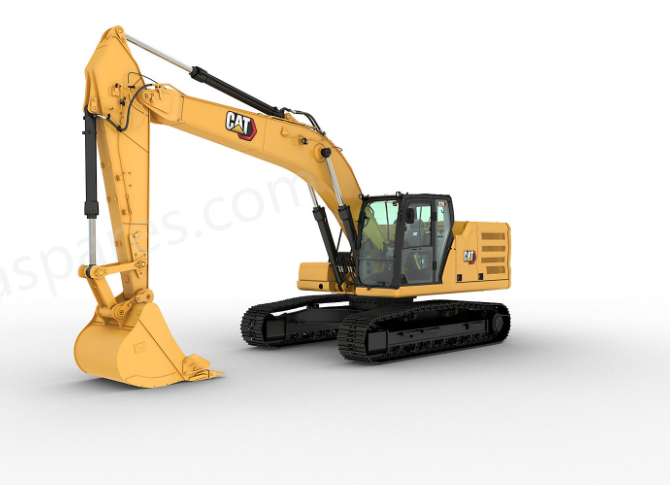
 CAT Excavator 326Premium Performance with Simple-to-Use Technologies
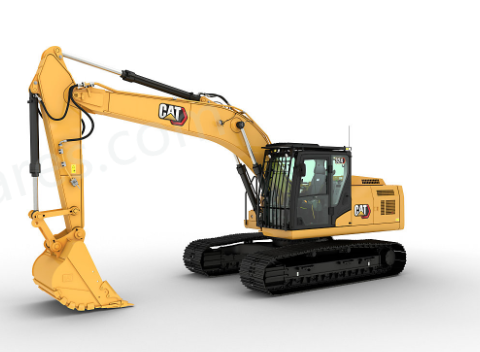
The Cat® 326 Excavator brings premium performance with simple-to-use technologies to boost your operator efficiencies. Combine these features with an ergonomic cab, longer maintenance intervals, and a power system that reduces fuel and you have a low-cost-per-unit-of-production excavator that’s perfect for medium to heavy-duty applications. CAT Excavator 324Heavy-Duty Muscle Built to Outperform
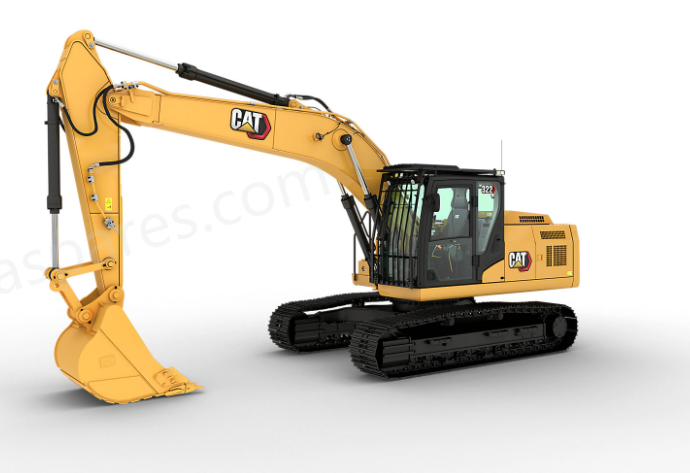
The Cat® 324 excavator is built to handle high-production workloads with the perfect balance of brute strength and refined control. Its powerful Cat® C7.1 engine, high-flow hydraulics, and advanced electrohydraulic system give you the muscle to move heavy material fast, without burning through your budget. With reinforced structures, field-proven durability, and easy-to-maintain components, the 324 is your go-to solution for tackling tough jobs with less downtime. CAT Excavator 322Profit-Driven Powerhouse for Heavy Loads
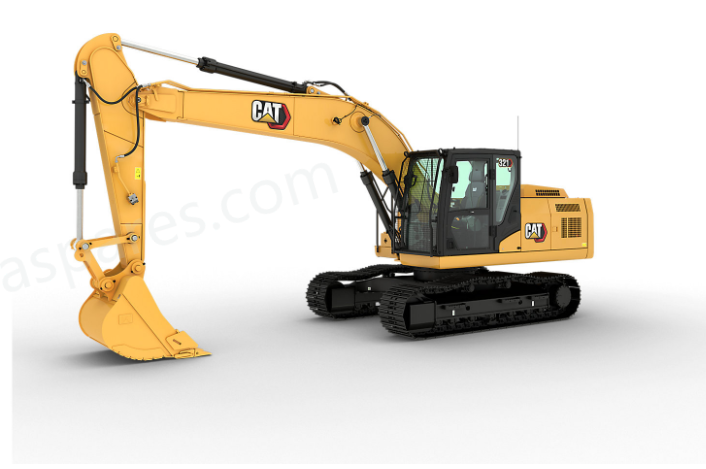
When you need muscle, precision, and cost control in one machine, the Cat® 322 excavator delivers. Purpose-built for high production, the 322 pairs fast cycle times with large bucket options to move more material in fewer passes. Its responsive electrohydraulic controls and rugged design keep you productive on the tough jobs, while smart fuel efficiency and streamlined maintenance help you stay profitable every step of the way. Whether you’re loading, trenching, or lifting, the 322 is a heavy-duty workhorse that pays you back. CAT Excavator 321Versatility at the Lowest Cost Per Hour
Powered by the reliable Cat® C3.6 engine, the Cat® 321 excavator delivers high torque and fast cycle times to maximize productivity. Reinforced Cat structures extend machine life and withstand the toughest conditions, while the latest cab design puts operator safety and comfort first. Every core system undergoes rigorous testing, so you can count on consistent, reliable performance shift after shift.