-News Center-
SEM 636D LOADER PARTS List: Wear Parts, Hydraulic Parts, and Engine Components
A clear SEM 636D LOADER PARTS reference matters before any replacement decision is made. For this loader, wear parts, hydraulic parts, and engine components affect uptime, operating cost, and service planning in very different ways.
That is why a parts list should be read as more than a catalog. It is a practical map for judging failure risk, compatibility, and maintenance timing across real construction workloads.
With more than twenty years in branded machinery and components, TerraMech supports equipment and parts across SEM, Caterpillar, Komatsu, Volvo, Shantui, XCMG, SDLG, Weichai, and SDEC. That broader parts experience helps put SEM 636D LOADER PARTS into a useful sourcing context.
Understanding the main parts groups
In daily operation, SEM 636D LOADER PARTS usually fall into three high-priority groups. Each group serves a different purpose, and each one fails in different patterns.
- Wear parts handle abrasion, impact, and repeated contact with aggregate, soil, or rock.
- Hydraulic parts control lifting, tilting, steering, and force transmission.
- Engine components support combustion, cooling, filtration, and stable power output.
Simple classification reduces mistakes during inquiry. It also helps separate routine replacement items from parts that need deeper technical verification.
Wear parts that usually need the earliest attention
Among SEM 636D LOADER PARTS, wear items often move fastest because they are exposed to friction, shock, and uneven loading. Their condition directly influences bucket efficiency and cycle time.
Typical wear components
In abrasive yards, these parts may drive service frequency more than larger assemblies do. Ignoring them often creates secondary stress on the bucket structure and linkage.
Hydraulic parts behind lifting and steering performance
Hydraulic performance is central to how the SEM 636D loader feels in real work. Slow bucket response, steering delay, or pressure loss usually points to this system first.
Key hydraulic items in the parts list
- Hydraulic pumps, including gear pump assemblies where applicable
- Lift cylinders, tilt cylinders, and seal kits
- Control valves, steering units, and pressure relief components
- Hydraulic hoses, fittings, filters, and reservoirs
When comparing hydraulic SEM 636D LOADER PARTS, pressure rating, port configuration, seal quality, and model compatibility deserve close review. Small mismatches often create leakage or unstable response.
For related wheel loader drivetrain and hydraulic demand, a component such as SEM WHEEL LOADER PARTS 5227803 GEAR PUMP SEM660D SEM655D shows what buyers typically value: high strength, durability, reliable torque delivery, and resistance to significant impact loads and repeated directional shifts.
That kind of comparison is useful even when researching the SEM 636D platform. It highlights how genuine or correctly matched parts support consistent power transfer and lower long-term operating cost.
Engine components that shape reliability
Engine-related SEM 636D LOADER PARTS are not always the most visible items, but they often determine whether the machine starts cleanly, runs efficiently, and avoids expensive downtime.
Core engine-related categories
- Air, fuel, and oil filters for contamination control
- Belts, tensioners, hoses, and cooling system items
- Starter, alternator, sensors, and electrical connectors
- Turbocharger, injectors, gaskets, and overhaul components
Usually, these parts should be judged by service interval, operating environment, and failure history. Dust-heavy sites, long idle periods, and fuel quality issues can all accelerate replacement needs.
Why this parts list matters in current sourcing work
The current market puts more pressure on lead time, interchange checks, and cost control. A detailed SEM 636D LOADER PARTS list helps reduce uncertainty before orders are placed.
It also helps separate urgent consumables from strategic stock items. That difference matters when balancing service continuity against inventory cost.
TerraMech’s cross-brand experience is relevant here. Many replacement decisions are not just about naming a part, but about confirming application logic, quality level, and expected working conditions.
Practical checks before choosing replacements
A useful SEM 636D LOADER PARTS inquiry should begin with machine identity, but it should not end there. Good replacement decisions usually depend on several practical checks.
- Confirm machine model, serial data, and original part number where possible.
- Match the part to the exact system location, not only the machine family.
- Check whether the loader works in quarry, municipal, yard, or mixed-duty conditions.
- Review wear patterns to identify root cause before repeating the same replacement.
- Compare aftermarket and genuine options by lifespan, fit, and maintenance impact.
For hydraulic and drivetrain items especially, one well-matched part can prevent repeated downtime. In that context, references such as SEM WHEEL LOADER PARTS 5227803 GEAR PUMP SEM660D SEM655D are useful because they reflect how durability, torque handling, and demanding load conditions are evaluated in real loader parts sourcing.
A smarter next step for parts evaluation
The best way to use a SEM 636D LOADER PARTS list is to turn it into a decision tool. Separate wear items, hydraulic assemblies, and engine components, then rank them by urgency, risk, and compatibility complexity.
From there, compare service records, operating conditions, and part specifications before shortlisting options. That approach gives a stronger basis for sourcing than relying on a name alone.
If the goal is reliable replacement planning, the next move is simple: build a verified parts checklist around actual machine usage, then confirm the details with a supplier that understands branded construction machinery across multiple systems.
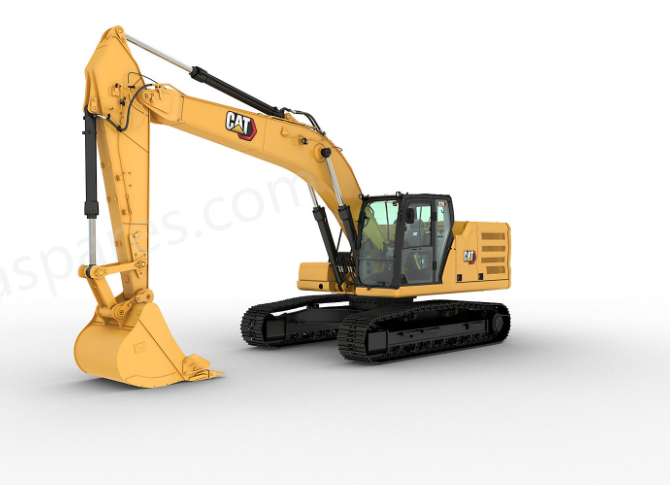
 CAT Excavator 326Premium Performance with Simple-to-Use Technologies
The Cat® 326 Excavator brings premium performance with simple-to-use technologies to boost your operator efficiencies. Combine these features with an ergonomic cab, longer maintenance intervals, and a power system that reduces fuel and you have a low-cost-per-unit-of-production excavator that’s perfect for medium to heavy-duty applications. CAT Excavator 324Heavy-Duty Muscle Built to Outperform
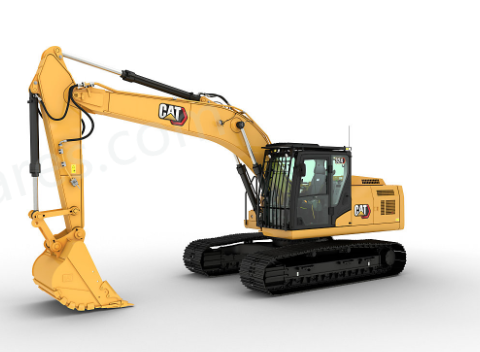
The Cat® 324 excavator is built to handle high-production workloads with the perfect balance of brute strength and refined control. Its powerful Cat® C7.1 engine, high-flow hydraulics, and advanced electrohydraulic system give you the muscle to move heavy material fast, without burning through your budget. With reinforced structures, field-proven durability, and easy-to-maintain components, the 324 is your go-to solution for tackling tough jobs with less downtime. CAT Excavator 322Profit-Driven Powerhouse for Heavy Loads
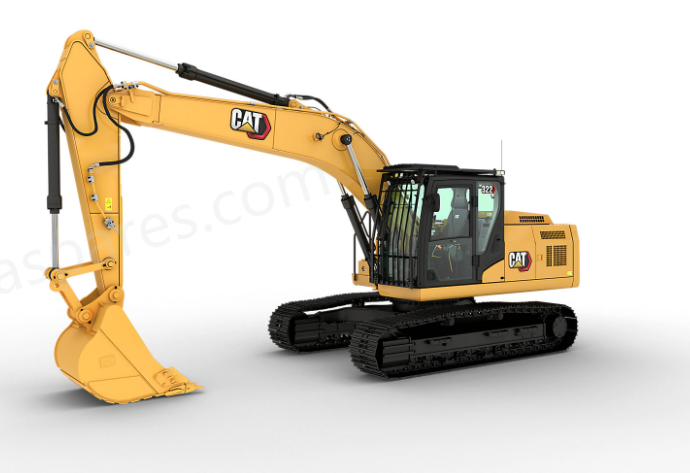
When you need muscle, precision, and cost control in one machine, the Cat® 322 excavator delivers. Purpose-built for high production, the 322 pairs fast cycle times with large bucket options to move more material in fewer passes. Its responsive electrohydraulic controls and rugged design keep you productive on the tough jobs, while smart fuel efficiency and streamlined maintenance help you stay profitable every step of the way. Whether you’re loading, trenching, or lifting, the 322 is a heavy-duty workhorse that pays you back. CAT Excavator 321Versatility at the Lowest Cost Per Hour
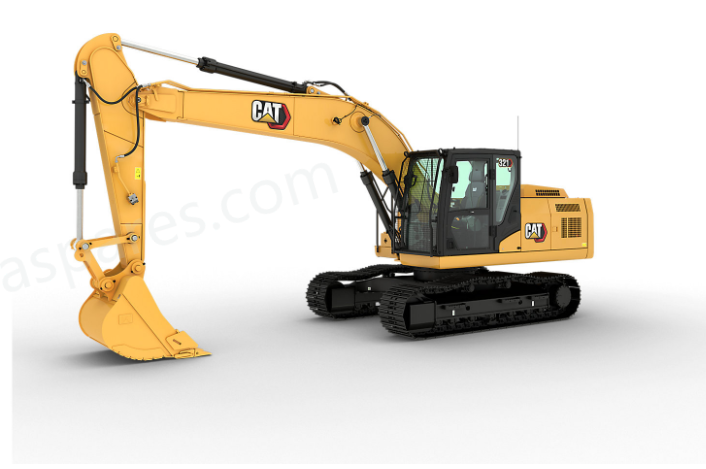
Powered by the reliable Cat® C3.6 engine, the Cat® 321 excavator delivers high torque and fast cycle times to maximize productivity. Reinforced Cat structures extend machine life and withstand the toughest conditions, while the latest cab design puts operator safety and comfort first. Every core system undergoes rigorous testing, so you can count on consistent, reliable performance shift after shift.