-News Center-
SDEC Diesel Engine Parts: Which Wear Parts Should Be Stocked for Fast Service
What should stay on the shelf first when service speed matters?
Fast turnaround usually depends on a small group of parts, not a huge warehouse.
For SDEC diesel engine parts, the first stocking layer should focus on wear items with frequent replacement cycles and broad model overlap.
That normally includes oil filters, fuel filters, air filters, belts, hoses, gaskets, seals, injectors, and common sensors.
These parts fail more often, are needed urgently, and directly affect whether equipment can return to work the same day.
In practical terms, smart stocking reduces machine downtime, protects service reputation, and avoids costly express procurement.
Companies with long experience across brands such as SDEC, SEM, Caterpillar, Komatsu, Volvo, SDLG, and XCMG usually build inventory around failure patterns, not assumptions.
Are all SDEC diesel engine wear parts equally urgent?
Not really. Some parts are routine consumables, while others become urgent because a machine cannot run safely without them.
A useful way to judge SDEC diesel engine parts is by combining replacement frequency with shutdown risk.
This table works best as a starting point. Final stocking levels should still reflect installed base, climate, fuel quality, and maintenance habits.
How do you decide between routine stock and occasional stock?
The better question is not only what fails, but what fails often enough to justify carrying cost.
Routine stock should cover predictable consumption and repeat service calls. Occasional stock should support failures that are expensive when missed.
- Keep routine stock for filters, fan belts, seal rings, hose clamps, and standard gasket sets.
- Keep occasional stock for injectors, water pumps, turbo-related seals, and selected fuel system components.
- Review emergency orders from the last six to twelve months.
- Flag parts that caused the longest machine downtime when unavailable.
That last point is usually where margin protection happens. A part with moderate annual demand may still deserve stock if delivery delays damage trust.
Where do stocking mistakes usually happen?
Most mistakes come from buying too broadly, or from treating all SDEC diesel engine parts as if demand were evenly distributed.
Another common issue is ignoring model compatibility and replacing based only on appearance.
In field service, a low-cost sealing part can block a complete repair if the exact size or material is wrong.
The same applies when engine-related service overlaps with drivetrain or loader system support.
For example, mixed fleets often need coordinated parts planning beyond the engine itself.
A practical case is 5338057 GEAR PUMP SEM655D SEM660D SEM 636D LOADER PARTS, used in SEM wheel loader applications where high strength, durability, torque load, and repeated gear changes matter.
It is not an SDEC engine wear item, yet it shows why aftermarket planning should match real machine service bundles instead of isolated part lists.
Does a larger inventory always lower service cost?
No. Larger inventory can reduce response time, but it can also lock cash into slow-moving SDEC diesel engine parts.
The more useful target is service-ready inventory with controlled obsolescence risk.
A balanced stock strategy usually looks like this:
- Fast movers in local stock.
- Medium-demand parts in shared regional stock.
- Low-frequency parts tied to a reliable replenishment partner.
This is where supplier depth matters. A source with broad construction machinery coverage can support SDEC demand while also handling cross-brand requirements from the same equipment base.
That kind of range is useful when service calls involve SEM, Shantui, Weichai, or Volvo equipment alongside SDEC-powered units.
What is the most practical way to build a better SDEC diesel engine parts plan?
Start with service records, not catalogs. Good stocking decisions come from actual repair frequency, repeat failures, and seasonal demand peaks.
Then group SDEC diesel engine parts into three decision bands.
Also confirm interchangeability carefully. Part numbers, engine variants, and machine applications should be checked before final stocking approval.
When engine service connects with loader transmission support, related items such as 5338057 GEAR PUMP SEM655D SEM660D SEM 636D LOADER PARTS can be planned within the same response framework.
So, which wear parts deserve priority?
If the goal is faster service with better cost control, start with the wear parts that combine high turnover and high downtime impact.
For most SDEC diesel engine parts programs, that means filters, belts, hoses, gaskets, seals, and selected fuel system items.
After that, refine stock using service history, lead time risk, and machine population by model.
The most reliable inventory plans are not the biggest ones. They are the ones built around actual field demand, compatible part coverage, and dependable replenishment capacity.
A useful next step is to review the last year of urgent orders, identify repeated shortages, and set stocking rules for the SDEC diesel engine parts that most often decide service speed.
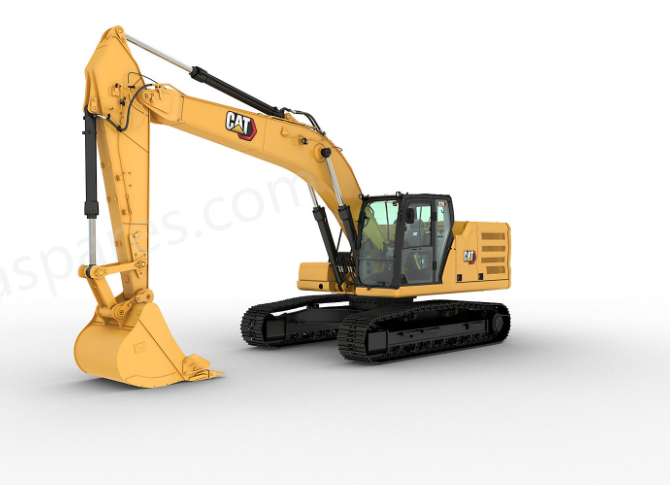
 CAT Excavator 326Premium Performance with Simple-to-Use Technologies
The Cat® 326 Excavator brings premium performance with simple-to-use technologies to boost your operator efficiencies. Combine these features with an ergonomic cab, longer maintenance intervals, and a power system that reduces fuel and you have a low-cost-per-unit-of-production excavator that’s perfect for medium to heavy-duty applications. CAT Excavator 324Heavy-Duty Muscle Built to Outperform
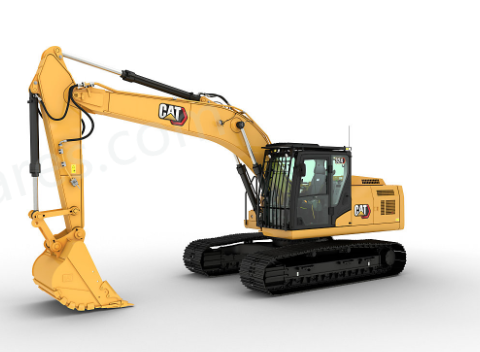
The Cat® 324 excavator is built to handle high-production workloads with the perfect balance of brute strength and refined control. Its powerful Cat® C7.1 engine, high-flow hydraulics, and advanced electrohydraulic system give you the muscle to move heavy material fast, without burning through your budget. With reinforced structures, field-proven durability, and easy-to-maintain components, the 324 is your go-to solution for tackling tough jobs with less downtime. CAT Excavator 322Profit-Driven Powerhouse for Heavy Loads
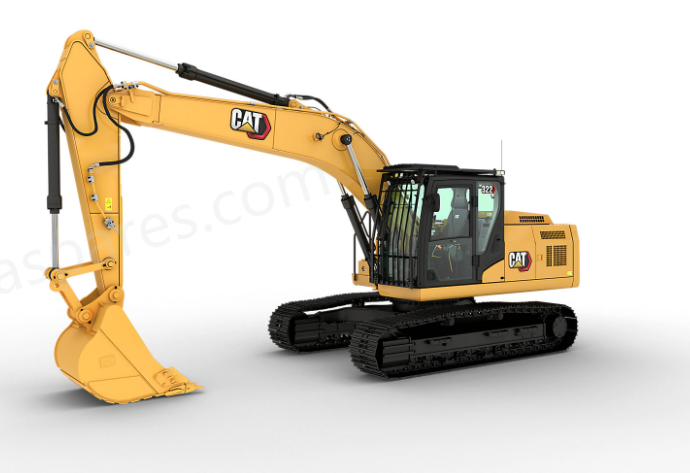
When you need muscle, precision, and cost control in one machine, the Cat® 322 excavator delivers. Purpose-built for high production, the 322 pairs fast cycle times with large bucket options to move more material in fewer passes. Its responsive electrohydraulic controls and rugged design keep you productive on the tough jobs, while smart fuel efficiency and streamlined maintenance help you stay profitable every step of the way. Whether you’re loading, trenching, or lifting, the 322 is a heavy-duty workhorse that pays you back. CAT Excavator 321Versatility at the Lowest Cost Per Hour
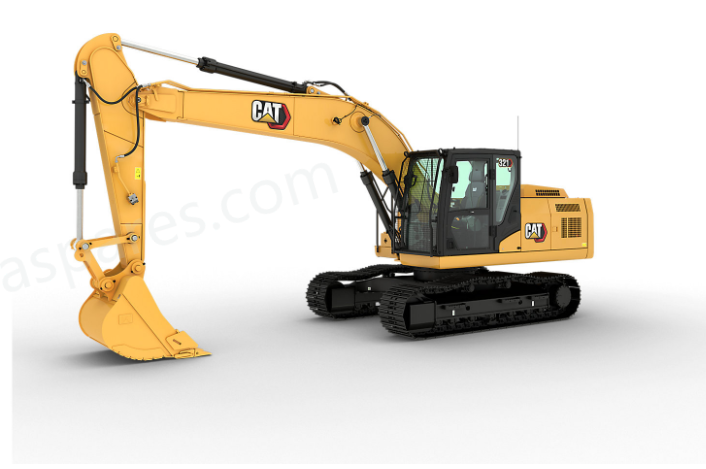
Powered by the reliable Cat® C3.6 engine, the Cat® 321 excavator delivers high torque and fast cycle times to maximize productivity. Reinforced Cat structures extend machine life and withstand the toughest conditions, while the latest cab design puts operator safety and comfort first. Every core system undergoes rigorous testing, so you can count on consistent, reliable performance shift after shift.