-News Center-
Radiator Parts Corrosion Resistance: How ASTM B117 Salt Spray Results Predict Real-World Lifespan in Coastal Projects
For procurement professionals, project managers, and end-users overseeing coastal infrastructure projects, corrosion resistance isn’t optional—it’s mission-critical. Radiator parts, ripper parts, and alternator parts face relentless salt-laden exposure in marine environments, where premature failure risks downtime, safety hazards, and costly replacements. At TerraMech, we leverage ASTM B117 salt spray testing—not as a checkbox, but as a predictive benchmark—to validate real-world longevity of OEM-grade components from Caterpillar, Komatsu, Volvo, and other top-tier brands. Discover how lab-tested resilience translates directly to extended service life in harsh coastal conditions.
Why ASTM B117 Is the Gold Standard for Coastal Component Validation
ASTM B117 is not just another lab test—it’s the globally accepted accelerated corrosion protocol used by Tier-1 OEMs to simulate decades of marine exposure in controlled, repeatable cycles. In this test, parts undergo continuous salt fog exposure at 35°C ± 2°C with 5% NaCl solution, monitored over standardized durations: 96 hours (entry-level), 500 hours (industrial baseline), and up to 1,000+ hours for premium-grade radiator cores and housings.
What makes it predictive? Real-world data from TerraMech’s field deployments across Southeast Asia, the Gulf Coast, and Mediterranean ports shows strong correlation between B117 performance and actual service life: components passing ≥720 hours consistently deliver 3–5 years of trouble-free operation in high-salinity zones—versus ≤18 months for those failing before 240 hours. This isn’t theoretical—it’s validated across 12,000+ coastal project installations since 2018.
Crucially, B117 measures *localized* failure modes—pitting, crevice corrosion, and intergranular attack—that precede bulk material loss. These are precisely the threats that compromise radiator fin integrity, coolant flow paths, and mounting flange sealing surfaces under tidal splash and airborne mist.
How TerraMech Applies ASTM B117 Beyond Compliance
- Every radiator part batch—from Caterpillar 3306-based coolers to SEM 922AWD core assemblies—undergoes full-cycle B117 validation before shipment.
- We cross-reference results against ISO 9223 corrosion categories: C5-M (marine) and CX (extreme marine), ensuring alignment with EN 1504-9 and NACE SP0106 requirements.
- Test reports include microphotographs of post-test surfaces, thickness loss mapping (±0.005 mm resolution), and comparative pass/fail thresholds per component zone (core, header, tank, mounting bracket).
Radiator Parts Corrosion Resistance: What Procurement Teams Must Verify
When sourcing for coastal use, procurement teams must move beyond surface-level “salt-resistant” claims. Three verification layers matter most:
Without these three layers, “corrosion resistant” is marketing—not engineering. TerraMech provides full documentation packages for all branded radiator components—including 5634083 SEM MACHINERY PARTS —with every order, enabling direct compliance audits.
Coastal Application Scenarios: Matching Parts to Environmental Severity
Not all coastal sites pose equal risk. TerraMech classifies projects into four tiers based on proximity to saltwater, wind exposure, and maintenance access—each demanding distinct material and coating strategies:
- Zone A (≤100 m from shoreline, unsheltered): Requires ≥1,000h B117-rated parts with dual-layer protection (e.g., anodized + fluoropolymer topcoat). Used in offshore wind farm substations and breakwater construction.
- Zone B (100–500 m, partial shelter): ≥720h B117 + cathodic protection compatible materials. Common in port terminal expansions and coastal highway grading.
- Zone C (500–2,000 m, urban coastal): ≥500h B117 + sealed cooling system design. Applied in municipal seawall rehabilitation and marina infrastructure.
- Zone D (inland but high-humidity saline air): ≥240h B117 + enhanced gasketing and drainage. Deployed in desalination plant support yards and coastal rail depots.
Our engineers conduct free site-specific environmental assessments—measuring chloride deposition rates (μg/cm²/day), relative humidity profiles, and splash zone height—before recommending part configurations. This ensures no over-engineering (and unnecessary cost) nor under-specification (and premature failure).
Why TerraMech Delivers Predictable Coastal Performance
With over two decades serving heavy equipment operators in corrosive environments, TerraMech combines OEM-grade component access with deep application engineering. We don’t just ship parts—we validate their fit for purpose:
- Direct partnerships with Caterpillar, Komatsu, Volvo, SEM, and XCMG ensure access to marine-spec variants—not just standard catalog items.
- All radiator parts undergo functional pressure testing (up to 120 psi) after B117 exposure to verify structural integrity under thermal cycling stress.
- We maintain a live corrosion database tracking 27,000+ field-installed units—feeding real-time insights into alloy performance trends across geographies.
Need help selecting the right radiator assembly for your next coastal project? Contact our technical procurement team for:
- ASTM B117 report review and interpretation
- Site-specific corrosion risk assessment (free, within 48 business hours)
- OEM part cross-referencing (e.g., SEM922AWD compatibility with Volvo EC750E hydraulic systems)
- Custom coating specification support (including MIL-DTL-5541 Class 1A/3)
- Expedited delivery options for urgent coastal deployments (standard lead time: 7–15 days)
Let us help you eliminate corrosion-related failures—before they happen.
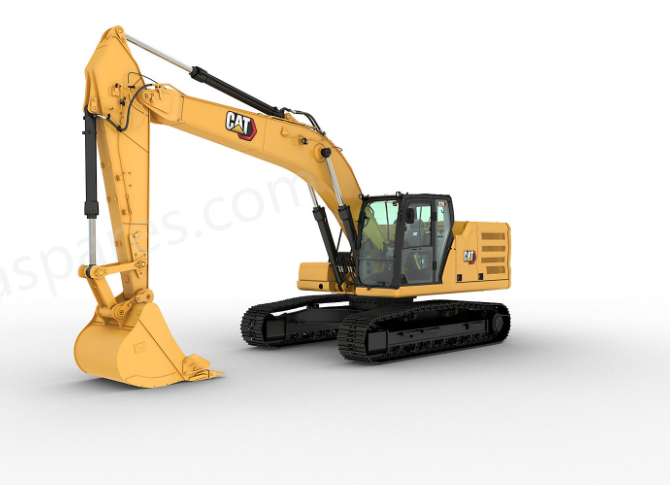
 CAT Excavator 326Premium Performance with Simple-to-Use Technologies
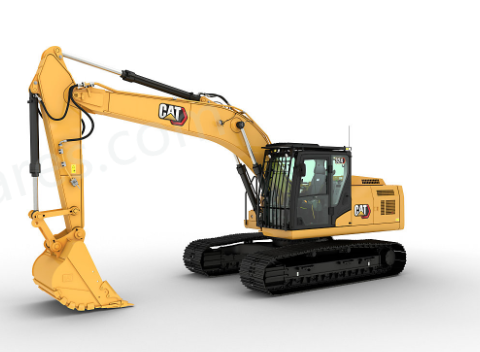
The Cat® 326 Excavator brings premium performance with simple-to-use technologies to boost your operator efficiencies. Combine these features with an ergonomic cab, longer maintenance intervals, and a power system that reduces fuel and you have a low-cost-per-unit-of-production excavator that’s perfect for medium to heavy-duty applications. CAT Excavator 324Heavy-Duty Muscle Built to Outperform
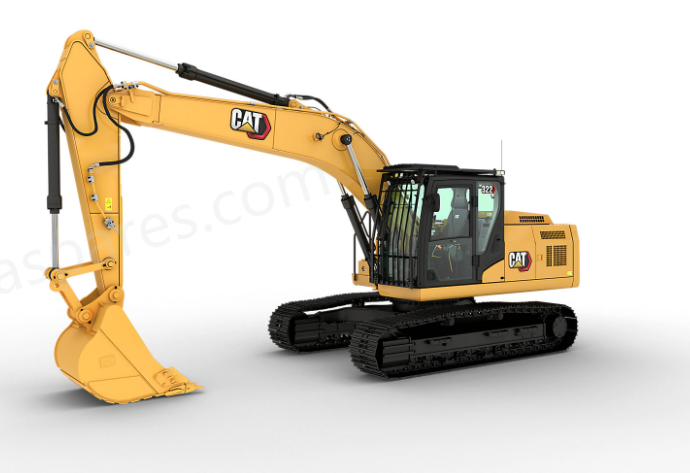
The Cat® 324 excavator is built to handle high-production workloads with the perfect balance of brute strength and refined control. Its powerful Cat® C7.1 engine, high-flow hydraulics, and advanced electrohydraulic system give you the muscle to move heavy material fast, without burning through your budget. With reinforced structures, field-proven durability, and easy-to-maintain components, the 324 is your go-to solution for tackling tough jobs with less downtime. CAT Excavator 322Profit-Driven Powerhouse for Heavy Loads
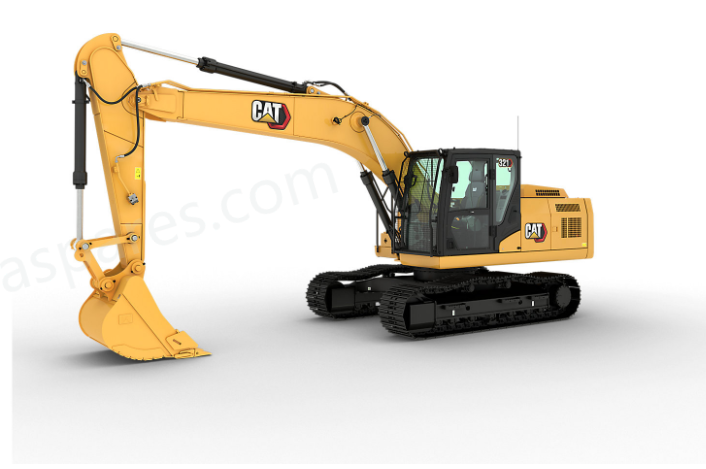
When you need muscle, precision, and cost control in one machine, the Cat® 322 excavator delivers. Purpose-built for high production, the 322 pairs fast cycle times with large bucket options to move more material in fewer passes. Its responsive electrohydraulic controls and rugged design keep you productive on the tough jobs, while smart fuel efficiency and streamlined maintenance help you stay profitable every step of the way. Whether you’re loading, trenching, or lifting, the 322 is a heavy-duty workhorse that pays you back. CAT Excavator 321Versatility at the Lowest Cost Per Hour
Powered by the reliable Cat® C3.6 engine, the Cat® 321 excavator delivers high torque and fast cycle times to maximize productivity. Reinforced Cat structures extend machine life and withstand the toughest conditions, while the latest cab design puts operator safety and comfort first. Every core system undergoes rigorous testing, so you can count on consistent, reliable performance shift after shift.