-News Center-
SEM SPARE PARTS 5217534 W110000160 GOVERNOR: Common Failure Symptoms and Causes
SEM SPARE PARTS 5217534 W110000160 GOVERNOR: Common Failure Symptoms and Causes
For after-sales maintenance teams, identifying issues with the SEM SPARE PARTS 5217534 W110000160 GOVERNOR early can reduce downtime, prevent secondary damage, and improve machine reliability.
This article explains the most common failure symptoms, likely causes, and practical inspection points for faster troubleshooting in demanding construction equipment applications.
Why the SEM SPARE PARTS 5217534 W110000160 GOVERNOR Matters
The governor plays a direct role in engine speed control. It helps the machine stay stable under changing loads and operating conditions.
When the SEM SPARE PARTS 5217534 W110000160 GOVERNOR begins to fail, the effect is rarely limited to speed fluctuation alone.
In real service work, governor-related issues can affect fuel efficiency, throttle response, idle quality, and overall machine productivity.
That also means a small control problem can quickly become a larger maintenance event if the warning signs are missed.
Common Failure Symptoms to Watch Closely
The most obvious sign is unstable engine speed. Idle may hunt, surge, or drop without a clear external load change.
Another common symptom is delayed throttle response. The machine feels slow to react when the operator demands more power.
Some units show unexpected overspeed. Others struggle to maintain rated speed when climbing, grading, or pushing under normal load.
Black smoke during acceleration may also appear. That usually points to poor fuel control rather than a simple air intake issue.
Hard starting, rough warm-up behavior, or stalling at low speed can also be linked to the SEM SPARE PARTS 5217534 W110000160 GOVERNOR.
In some cases, the symptom is less dramatic. Fuel consumption rises first, while engine behavior still looks acceptable to the operator.
- Idle speed hunting or irregular rpm
- Weak acceleration under moderate load
- Unexpected engine overspeed or underspeed
- Engine stalling during low-speed operation
- Higher fuel use without clear operating changes
Main Causes Behind Governor Failure
Wear is still the most frequent root cause. Over time, internal moving parts lose precision and response becomes inconsistent.
Contaminated fuel is another major factor. Fine debris, water, or degraded fuel quality can disturb governor control characteristics.
Poor lubrication also matters. Friction increases, movement slows down, and the governor may no longer react smoothly to engine demand.
Improper adjustment after previous repairs can create similar symptoms. This is why replacement alone does not always solve the problem.
Loose linkages, spring fatigue, or mounting instability can also affect how the SEM SPARE PARTS 5217534 W110000160 GOVERNOR behaves in service.
Heat, dust, and vibration accelerate deterioration in construction environments. Machines working long shifts usually show these effects sooner.
Practical Inspection Points During Troubleshooting
Start with the complaint history. Ask when the symptom appears, how long it lasts, and whether it changes with temperature or load.
Then inspect the external condition of the governor area. Look for looseness, oil leakage, contamination, corrosion, or abnormal vibration marks.
Check linkage movement by hand where appropriate. Resistance, sticking, or excessive free play often gives useful early clues.
Next, verify fuel supply condition. A governor diagnosis becomes unreliable if the fuel circuit already has pressure or cleanliness problems.
Observe idle stability first. After that, test engine response during controlled acceleration and under a repeatable working load.
- Confirm fuel quality, filtration status, and supply consistency.
- Inspect governor mounting, springs, rods, and linkage points.
- Compare actual idle and rated speed with service specifications.
- Check for sticking movement during throttle transitions.
- Review recent repairs that may have changed adjustment settings.
If the machine uses related wear components in nearby working assemblies, inspect those too. Secondary vibration can mislead diagnosis.
For example, durable grader wear parts help maintain stable operation under varied tool loads, especially in heavy field use.
One relevant option is MG19005031 5358198 STRIP WEAR SEM MOTOR GRADER PARTS, designed for motor grader applications with dependable structural durability.
How to Distinguish Governor Problems from Similar Faults
Not every rpm issue comes from the governor. Fuel pump wear, injector faults, air restriction, and sensor issues may look similar.
The difference is often in the pattern. Governor faults usually create unstable control behavior across more than one operating state.
If poor performance appears only at high load, the cause may sit elsewhere in the fuel or air system.
If the engine hunts at idle, hesitates during transition, and fails to hold speed, the SEM SPARE PARTS 5217534 W110000160 GOVERNOR deserves closer attention.
This step matters because replacing the wrong part wastes service time and can leave the actual root cause untouched.
Repair or Replace: A Practical Decision Standard
Repair may be reasonable when the issue is limited to adjustment error, external linkage wear, or minor contamination.
Replacement is usually the better choice when internal wear is advanced, response is inconsistent, or repeat failures already occurred.
In high-uptime fleets, the decision should include downtime cost, parts lead time, and the risk of secondary engine damage.
A governor that occasionally overspeeds should not stay in service simply because the machine can still run.
TerraMech supports parts supply across major construction machinery brands, backed by long industry experience and global service capability.
That broader sourcing capacity helps maintenance teams match replacement timing with real operating pressure, not just catalog availability.
Preventive Steps That Reduce Repeat Failures
The best prevention starts with cleaner fuel management. Storage, transfer, and filtration discipline directly protect governor performance.
Routine linkage inspection is also important. Small looseness today can become unstable control behavior during the next heavy shift.
Keep service records detailed. Repeated idle complaints, rising fuel use, and minor speed variation often show a pattern before failure becomes obvious.
- Use clean fuel and replace filters on schedule.
- Inspect governor linkages during routine service intervals.
- Correct abnormal vibration sources early.
- Verify adjustment values after repairs or component replacement.
- Track recurring performance changes across similar machines.
Final Troubleshooting Takeaway
The SEM SPARE PARTS 5217534 W110000160 GOVERNOR should be checked early whenever unstable speed, weak response, or unexplained fuel increase appears.
A clear diagnosis depends on symptom pattern, inspection discipline, and ruling out nearby fuel and linkage issues first.
When the SEM SPARE PARTS 5217534 W110000160 GOVERNOR is handled promptly, machines return to stable output faster and long-term reliability improves.
For field service teams, that practical approach remains the fastest way to reduce downtime, control repair cost, and protect equipment availability.
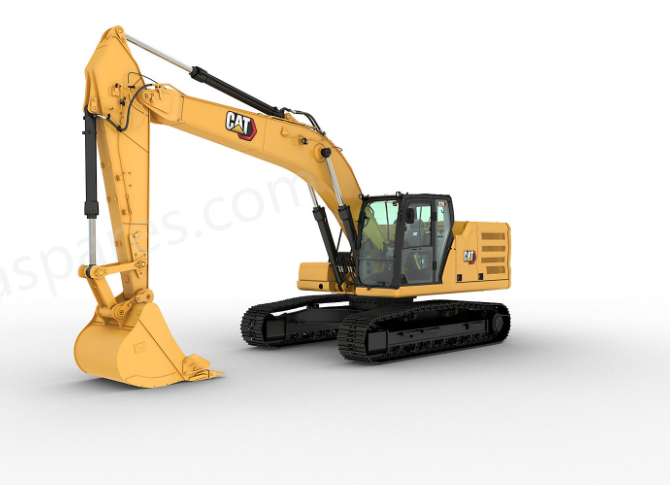
 CAT Excavator 326Premium Performance with Simple-to-Use Technologies
The Cat® 326 Excavator brings premium performance with simple-to-use technologies to boost your operator efficiencies. Combine these features with an ergonomic cab, longer maintenance intervals, and a power system that reduces fuel and you have a low-cost-per-unit-of-production excavator that’s perfect for medium to heavy-duty applications. CAT Excavator 324Heavy-Duty Muscle Built to Outperform
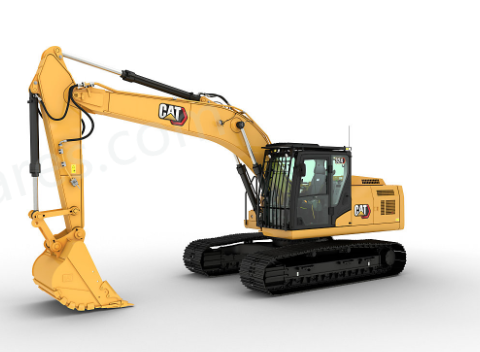
The Cat® 324 excavator is built to handle high-production workloads with the perfect balance of brute strength and refined control. Its powerful Cat® C7.1 engine, high-flow hydraulics, and advanced electrohydraulic system give you the muscle to move heavy material fast, without burning through your budget. With reinforced structures, field-proven durability, and easy-to-maintain components, the 324 is your go-to solution for tackling tough jobs with less downtime. CAT Excavator 322Profit-Driven Powerhouse for Heavy Loads
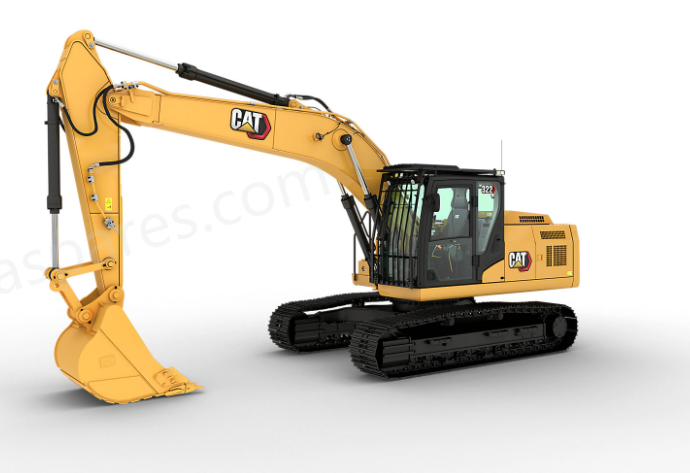
When you need muscle, precision, and cost control in one machine, the Cat® 322 excavator delivers. Purpose-built for high production, the 322 pairs fast cycle times with large bucket options to move more material in fewer passes. Its responsive electrohydraulic controls and rugged design keep you productive on the tough jobs, while smart fuel efficiency and streamlined maintenance help you stay profitable every step of the way. Whether you’re loading, trenching, or lifting, the 322 is a heavy-duty workhorse that pays you back. CAT Excavator 321Versatility at the Lowest Cost Per Hour
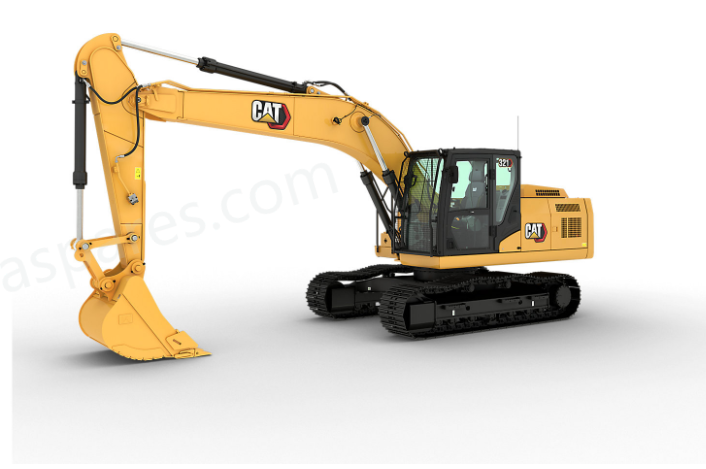
Powered by the reliable Cat® C3.6 engine, the Cat® 321 excavator delivers high torque and fast cycle times to maximize productivity. Reinforced Cat structures extend machine life and withstand the toughest conditions, while the latest cab design puts operator safety and comfort first. Every core system undergoes rigorous testing, so you can count on consistent, reliable performance shift after shift.