-News Center-
Construction Machinery Parts Quality Checks Tighten in 2026
In 2026, quality checks for construction machinery parts are becoming stricter as safety, compliance, and equipment uptime take center stage. For quality control and safety managers, this shift means closer attention to sourcing, traceability, material standards, and supplier reliability. Understanding these new expectations is essential to reducing risk, preventing failures, and ensuring every part meets the demands of modern construction operations.
Why are construction machinery parts inspections becoming stricter?
The pressure is coming from three directions: tighter site safety requirements, higher downtime costs, and greater accountability across the supply chain. A failed edge, pin, filter, seal, or drivetrain component can now trigger more than repair expense. It can stop production, raise incident exposure, and create compliance questions for procurement and QC teams.
For companies managing fleets across loaders, excavators, and dozers, construction machinery parts are no longer judged only by fit and price. They are reviewed for batch consistency, raw material control, documentation quality, and after-sales responsiveness. That is why supplier screening in 2026 is moving upstream.
- Traceability is becoming a practical requirement, not a nice-to-have, especially for safety-critical and wear-intensive parts.
- Material verification matters more in abrasive environments where premature wear directly affects bucket protection and productivity.
- Supplier reliability now includes delivery stability, technical support, and the ability to clarify model compatibility quickly.
What should QC and safety managers check first?
Before approving construction machinery parts for use, teams should evaluate risk in a structured way. The table below helps prioritize the most important checkpoints for 2026 purchasing and incoming inspection decisions.
This checklist shows that the best purchasing decision is usually not the cheapest visible quote. For construction machinery parts, lifecycle risk often costs more than the unit price difference.
A practical example in ground engaging tools
Wear parts deserve special attention because they work under repeated impact and abrasion. A suitable example is 5533093 Z5B148028 SEM CUTTING EDGE , used in Ground Engaging Tools applications. Built with abrasion resistant material, it is designed for high strength, durability, and reliable bucket protection.
For QC managers, the value is not only the component itself. It is the combination of verified application range, stable material performance, and reduced downtime potential across SEM650B, SEM655D, SEM656D, SEM658D, and SEM660D equipment.
How to compare suppliers of construction machinery parts in 2026
When two suppliers appear similar on paper, a comparison framework helps expose hidden differences. The following table focuses on the factors that matter most to quality control and safety management.
This is where TerraMech becomes relevant. With more than two decades in engineering machinery, the company supports branded equipment and parts sourcing with broad model familiarity, export experience, and one-stop coordination that reduces decision pressure for procurement, QC, and site safety teams.
Which standards and control methods matter most?
Not every part requires the same verification depth, but construction machinery parts should generally be checked against application demands, supplier consistency, and common industry control practices. Safety managers should align incoming inspection levels with risk exposure and machine criticality.
Recommended control points
- Confirm exact model fitment before ordering, especially where multiple revisions exist for one machine family.
- Review material suitability for abrasive, high-impact, or heat-sensitive operating conditions.
- Use batch-based receiving records so failures can be traced back to date, supplier, and machine assignment.
- Monitor wear trends in service, not only pass/fail status at delivery, because early wear patterns often reveal sourcing problems.
These measures help reduce hidden risk without creating unnecessary inspection burden. They also support better maintenance planning and safer fleet operation.
FAQ: common questions about construction machinery parts quality checks
How can I reduce the risk of non-conforming parts entering the site?
Start with approved supplier control, documented model confirmation, and receiving inspection tied to batch records. For high-wear or safety-sensitive items, increase sample checks and require clearer technical confirmation before shipment.
What do safety managers often overlook?
They sometimes focus on visible damage but miss compatibility and material mismatch. A part can look acceptable on arrival yet still fail early if it is not suited to the machine model or operating environment.
Are lower-cost alternatives always a bad choice?
Not always. The key is whether the supplier can explain material choice, application scope, and consistency controls. A lower purchase price becomes expensive when it increases downtime, repeat labor, or bucket and structure damage.
What should be discussed before placing an order?
Confirm part number, machine model, operating condition, expected service life, delivery timeline, packaging requirements, and any documentation needed for internal quality approval. This is especially important for construction machinery parts used in demanding ground contact applications.
Why choose us for branded construction machinery parts?
TerraMech supports buyers who need more than a price list. We help quality control and safety teams confirm parameters, check model compatibility, evaluate wear-part suitability, and coordinate branded parts across major machinery platforms. Our experience covers globally recognized brands and practical export support for complex orders.
- Ask us to verify part numbers, application scenarios, and interchangeability before purchase.
- Request support on product selection, delivery cycle planning, and sample evaluation for critical construction machinery parts.
- Discuss OEM or ODM needs, documentation expectations, and quotation options based on your maintenance budget and uptime targets.
If your 2026 quality checks are becoming harder to manage, a more structured sourcing process is the fastest way to reduce risk. Contact TerraMech to review specifications, lead times, customization options, and sourcing plans tailored to your fleet and inspection priorities.
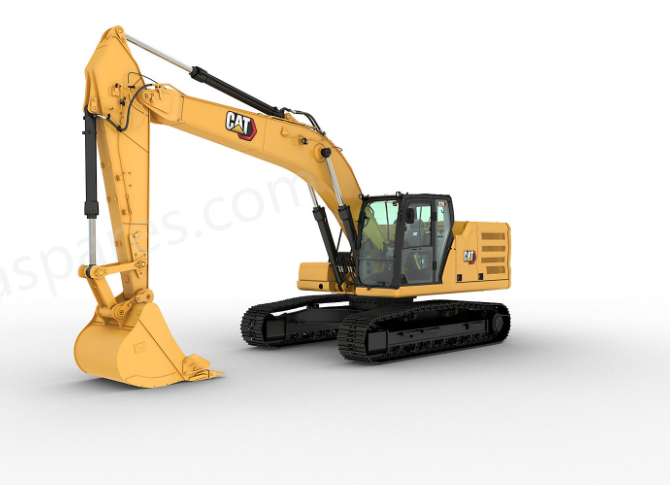
 CAT Excavator 326Premium Performance with Simple-to-Use Technologies
The Cat® 326 Excavator brings premium performance with simple-to-use technologies to boost your operator efficiencies. Combine these features with an ergonomic cab, longer maintenance intervals, and a power system that reduces fuel and you have a low-cost-per-unit-of-production excavator that’s perfect for medium to heavy-duty applications. CAT Excavator 324Heavy-Duty Muscle Built to Outperform
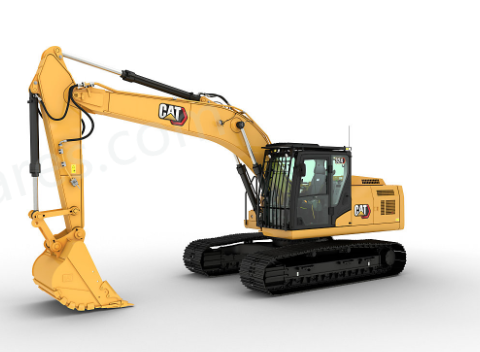
The Cat® 324 excavator is built to handle high-production workloads with the perfect balance of brute strength and refined control. Its powerful Cat® C7.1 engine, high-flow hydraulics, and advanced electrohydraulic system give you the muscle to move heavy material fast, without burning through your budget. With reinforced structures, field-proven durability, and easy-to-maintain components, the 324 is your go-to solution for tackling tough jobs with less downtime. CAT Excavator 322Profit-Driven Powerhouse for Heavy Loads
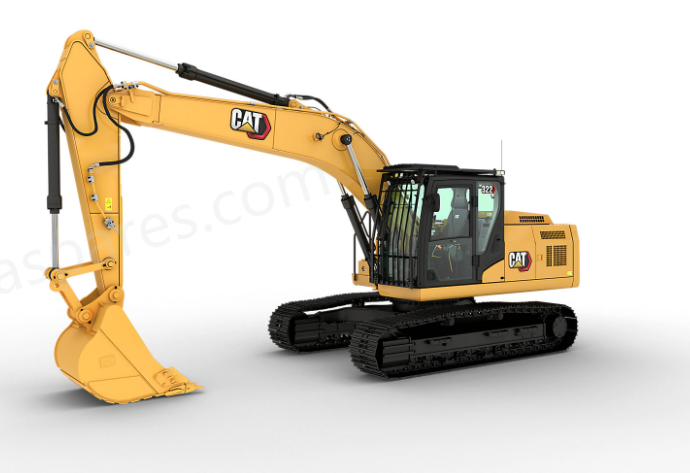
When you need muscle, precision, and cost control in one machine, the Cat® 322 excavator delivers. Purpose-built for high production, the 322 pairs fast cycle times with large bucket options to move more material in fewer passes. Its responsive electrohydraulic controls and rugged design keep you productive on the tough jobs, while smart fuel efficiency and streamlined maintenance help you stay profitable every step of the way. Whether you’re loading, trenching, or lifting, the 322 is a heavy-duty workhorse that pays you back. CAT Excavator 321Versatility at the Lowest Cost Per Hour
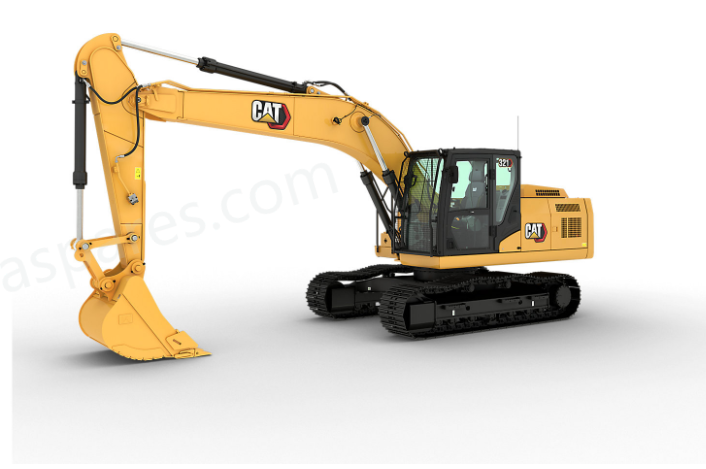
Powered by the reliable Cat® C3.6 engine, the Cat® 321 excavator delivers high torque and fast cycle times to maximize productivity. Reinforced Cat structures extend machine life and withstand the toughest conditions, while the latest cab design puts operator safety and comfort first. Every core system undergoes rigorous testing, so you can count on consistent, reliable performance shift after shift.