-News Center-
How to Identify the Correct 5371024 Pulley for SEM Wheel Loader Repairs?
How to Identify the Correct 5371024 Pulley for SEM Wheel Loader Repairs?
Choosing the right 5371024 PULLEY usually becomes urgent when a SEM wheel loader is already showing belt instability, abnormal noise, or inconsistent accessory drive performance. In workshop conditions, that decision is straightforward. In field service, it often is not. After-sales teams may be working on a machine parked in a quarry haul road, a stockyard, or a municipal jobsite where the loader cannot stay down for long. That is why a correct SEM WHEEL LOADER PULLEY decision depends on more than matching a number on an old part. It requires checking how the pulley sits in the actual drive system, what caused the original failure, and whether the replacement source understands construction equipment tolerances rather than only catalog references.
The first mistake seen in pulley replacement is treating all failures as simple wear. A pulley can fail because its groove profile has worn, but it can also be the secondary victim of belt misalignment, bearing drag, bracket deformation, or contamination from oil and dust. On SEM wheel loaders working in aggregate yards, fine abrasive material gets everywhere. That matters because even a genuine-looking replacement may not last if the surrounding components are already forcing side load into the belt path. When technicians inspect a 5371024 PULLEY, they should look for polished sidewalls, uneven groove wear, wobble marks around the hub, and heat discoloration. Those signs help distinguish a wrong-part issue from a system issue.
Fitment Is Confirmed by Structure, Not by Label Alone
In loader repair work, part numbers are the starting point, not the conclusion. A service team may receive a machine with a missing pulley, an unreadable tag, or a replacement history that is incomplete. In those cases, fitment usually has to be verified from several physical points at once: outer diameter, groove count and profile, bore dimensions, offset, mounting style, and the alignment relationship to adjacent pulleys. Even a small offset difference can create belt tracking problems that do not show up during idle inspection but become obvious under engine speed and hydraulic demand.
This is especially relevant for loaders that spend long shifts in repetitive bucket loading. The accessory drive sees more than static rotation. It sees vibration, shock, dust ingress, and sometimes uneven engine compartment cooling. A pulley that is “close enough” on paper may install without resistance and still shorten belt life dramatically. Experienced parts teams therefore ask for machine model details, serial information where available, and photos of the installed assembly. TerraMech has spent more than two decades in the engineering machinery parts business, and this kind of cross-checking is often what separates a quick return-to-service job from a repeat failure a few days later.
There is also a practical difference between workshop overhaul and field replacement. In a controlled shop repair, technicians can measure runout, compare removed parts side by side, and inspect every related bracket. In a field repair, access may be limited, lighting poor, and machine history uncertain. Under those conditions, reliable PULLEY SPARE PARTS sourcing matters more than many buyers initially expect. A supplier that can help verify the application through technical communication is usually more valuable than one that only repeats the stock code.
Where Wrong Selection Usually Shows Up
If the wrong 5371024 PULLEY is installed, the problem may not appear immediately. The belt may tension normally and the machine may return to work, only to come back with squeal, edge fraying, or accessory underperformance after several shifts. This is why experienced maintenance teams do not stop at “it fits.” They listen for belt noise on cold start, check whether the belt rides centrally in the groove, and watch for movement that changes when engine speed rises. A pulley mismatch often reveals itself through progressive symptoms rather than instant failure.
Another common source of confusion is mixed fleet maintenance. Contractors running SEM loaders alongside Caterpillar, SDLG, or XCMG units may keep visually similar drive components in shared inventory. That helps storage efficiency, but it raises the risk of substitution errors during urgent repairs. Branding overlap in the machinery industry does not mean pulley geometry is interchangeable. The more pressure there is to get a loader back on site before the next shift, the easier it becomes to overlook that detail.
This is where disciplined parts management pays off. Some service organizations already apply the same thinking across other undercarriage and chassis components: identify not just the nominal part number, but the operating context, machine variant, and structural features before release. That mindset is visible in product categories far beyond pulleys. For example, buyers handling tracked equipment often look for durable structural parts such as 8216-MF-45000-02 SHANTUI SPARE PARTS TRACK LINK only after confirming the exact chassis application and service environment. The principle is the same even though the component family is different: correct application fit matters more than catalog resemblance.
What Buyers and Service Teams Should Ask Before Ordering
A useful sourcing conversation is usually built around a few plain questions. Was the previous pulley worn out, cracked, noisy, or misaligned? Is the belt also being replaced? Has the loader recently had bracket, alternator, or tensioner work? Is the machine operating in dust-heavy material handling, road maintenance, or lighter yard service? These questions are not administrative. They help determine whether the pulley itself is the true replacement target or only one part of a larger correction.
From a cost perspective, the cheapest option is often the most expensive if it creates a second service call. Downtime on a wheel loader is rarely limited to the price of one component. It affects dispatch schedules, operator productivity, and sometimes the ability to keep feeding a crusher, batching plant, or loading point. For that reason, many experienced buyers prefer suppliers with established export and brand-parts experience, especially when dealing with globally used equipment lines. TerraMech’s coverage across Caterpillar, Komatsu, Volvo, SEM, Shantui, XCMG, SDLG, Weichai, and SDEC reflects that broader reality: fleet owners often need one source that understands cross-brand parts discipline without treating every item as generic stock.
If the loader is already disassembled, ask for dimensional confirmation before shipment where possible. If it is still running but showing early symptoms, collect clear photos and machine identification first. That usually gives a cleaner answer than ordering against memory. For a 5371024 PULLEY, the correct choice is the one that matches the SEM wheel loader’s actual drive arrangement, survives the machine’s working environment, and restores belt alignment without forcing compromises elsewhere in the system. That is the standard worth using when evaluating any SEM WHEEL LOADER PULLEY from the wider PULLEY SPARE PARTS market.
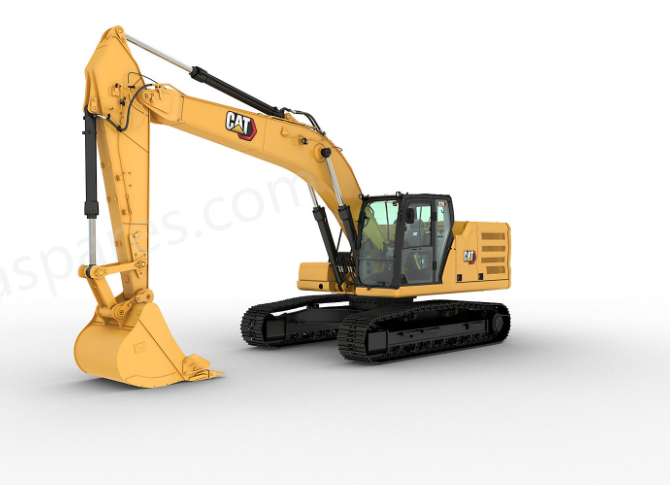
 CAT Excavator 326Premium Performance with Simple-to-Use Technologies
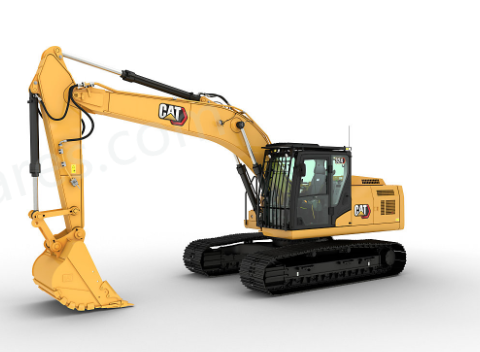
The Cat® 326 Excavator brings premium performance with simple-to-use technologies to boost your operator efficiencies. Combine these features with an ergonomic cab, longer maintenance intervals, and a power system that reduces fuel and you have a low-cost-per-unit-of-production excavator that’s perfect for medium to heavy-duty applications. CAT Excavator 324Heavy-Duty Muscle Built to Outperform
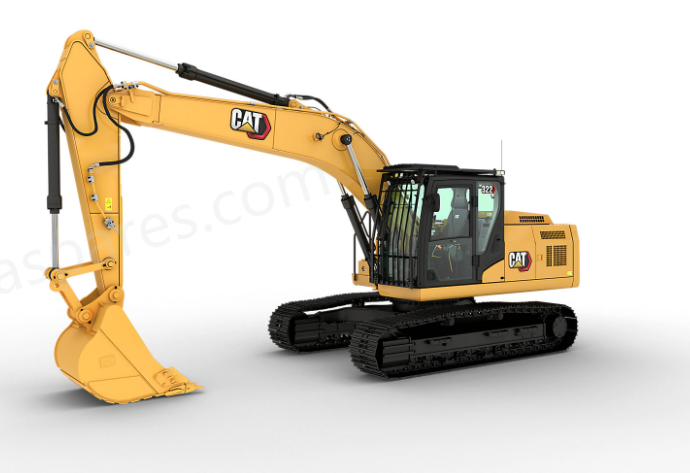
The Cat® 324 excavator is built to handle high-production workloads with the perfect balance of brute strength and refined control. Its powerful Cat® C7.1 engine, high-flow hydraulics, and advanced electrohydraulic system give you the muscle to move heavy material fast, without burning through your budget. With reinforced structures, field-proven durability, and easy-to-maintain components, the 324 is your go-to solution for tackling tough jobs with less downtime. CAT Excavator 322Profit-Driven Powerhouse for Heavy Loads
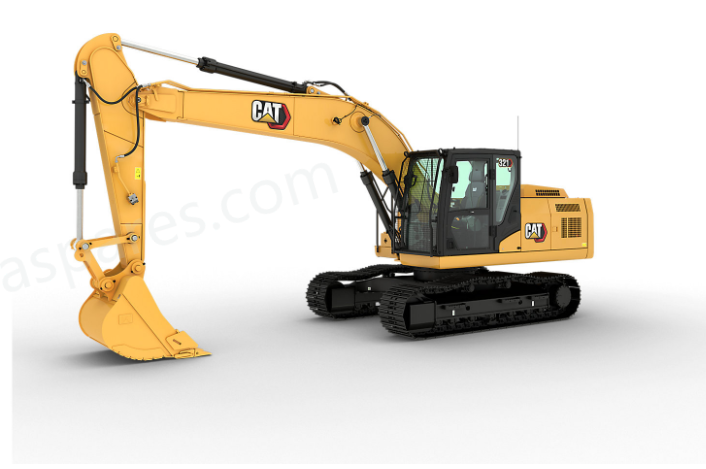
When you need muscle, precision, and cost control in one machine, the Cat® 322 excavator delivers. Purpose-built for high production, the 322 pairs fast cycle times with large bucket options to move more material in fewer passes. Its responsive electrohydraulic controls and rugged design keep you productive on the tough jobs, while smart fuel efficiency and streamlined maintenance help you stay profitable every step of the way. Whether you’re loading, trenching, or lifting, the 322 is a heavy-duty workhorse that pays you back. CAT Excavator 321Versatility at the Lowest Cost Per Hour
Powered by the reliable Cat® C3.6 engine, the Cat® 321 excavator delivers high torque and fast cycle times to maximize productivity. Reinforced Cat structures extend machine life and withstand the toughest conditions, while the latest cab design puts operator safety and comfort first. Every core system undergoes rigorous testing, so you can count on consistent, reliable performance shift after shift.