-News Center-
Common Failure Signs of 5338057 and When It Should Be Replaced
Common Failure Signs of 5338057 and When It Should Be Replaced
For after-sales maintenance work, catching early 5338057 failure signs helps avoid sudden downtime, expensive follow-up damage, and repeat field visits.
This guide focuses on common symptoms, practical checks, and clear replacement timing for demanding construction machinery service conditions.
From recent service patterns, 5338057 issues rarely appear without warning. The key is knowing which small changes point to real part deterioration.
Why 5338057 Failure Matters
In heavy equipment, one worn component can quickly affect alignment, load transfer, vibration levels, and overall drivetrain stability.
When 5338057 begins to fail, the first impact is often subtle. Performance loss may appear before visible damage does.
That also means delayed action can turn a simple parts replacement into a larger repair involving seals, shafts, housings, or connected rotating parts.
Most Common Failure Signs of 5338057
1. Unusual Noise During Operation
One of the earliest 5338057 failure signs is abnormal noise under load, especially grinding, rumbling, or rhythmic knocking.
Noise that changes with speed, gear shifts, or directional movement usually suggests internal wear rather than loose external hardware.
2. Rising Vibration Levels
Another common warning is vibration that grows stronger during acceleration, steering load, or repeated work cycles.
In real service cases, 5338057 vibration problems often start as a minor operator complaint before becoming easy to measure.
3. Heat Buildup Around the Assembly
Excess heat is a stronger signal. It usually points to rising friction, lubrication failure, internal scoring, or overload stress.
If the 5338057 area runs noticeably hotter than similar units, inspection should move from routine to urgent.
4. Metal Debris or Contaminated Lubricant
Metal particles in grease or oil often confirm active wear. This is one of the clearest practical signs of 5338057 damage.
Discolored lubricant, burnt smell, or visible contamination also suggests that the component is no longer operating normally.
Inspection Points That Save Time
A fast inspection is helpful, but a structured one is better. Focus on symptoms that directly affect replacement decisions.
- Check for axial or radial play beyond normal tolerance.
- Listen for speed-related noise during no-load and loaded operation.
- Compare operating temperature with adjacent components.
- Inspect grease or oil for metallic dust, flakes, or dark discoloration.
- Look for seal damage, leakage, or misalignment around the mounting area.
- Review recent overload events, impact use, or repeated direction changes.
These checks help separate a lubrication issue from a true 5338057 wear condition that needs replacement.
For machines working under frequent torque shifts and impact loads, inspection intervals should be shorter than standard schedules.
When 5338057 Should Be Replaced
Not every symptom means immediate replacement. Still, several conditions show that 5338057 has reached the end of safe service life.
- Noise remains after lubrication and external fastener checks.
- Measured play exceeds equipment tolerance or service standards.
- Heat buildup returns quickly after normal maintenance actions.
- Metal debris appears repeatedly in lubricant samples.
- Surface scoring, pitting, cracks, or cage damage is found during disassembly.
A more obvious signal is repeated failure in the same operating zone. That usually means the part is already beyond recovery.
Replacing 5338057 at this stage protects nearby components and reduces the risk of unplanned machine stoppage on site.
Replacement Quality Also Affects Service Results
A correct replacement is not only about fit. It must also match the machine’s real operating load, torque shock, and duty cycle.
For wheel loader drivetrain systems, durable bearing solutions are often critical where direction changes and impact loads are frequent.
In related maintenance planning, 5219962 B120432216 SEM MACHINERY BEARING is one example of a component built for demanding wheel loader applications.
Products designed for high strength, strong torque transfer, and repeated directional shifts can help improve uptime and control operating costs.
How to Reduce Repeat 5338057 Failures
If 5338057 fails again shortly after replacement, the root cause may sit elsewhere in the system.
- Confirm shaft and housing alignment before installation.
- Use the correct lubricant type and fill quantity.
- Check seals to prevent water and dust entry.
- Review operating habits that create overload or repeated shock.
- Inspect nearby components for wear that may transfer stress back into 5338057.
This matters even more in construction machinery. Harsh environments can shorten component life long before calendar-based replacement targets are reached.
Companies with deep machinery parts experience, such as TerraMech, often help reduce this risk by matching parts to actual field conditions.
Final Maintenance Takeaway
The most common 5338057 failure signs are unusual noise, growing vibration, abnormal heat, and contaminated lubricant.
When these symptoms appear together, replacement should not be delayed. Waiting usually increases repair scope and downtime risk.
A practical approach is simple: inspect early, compare symptom trends, verify wear, and replace 5338057 before secondary damage spreads.
That approach supports faster service decisions, more stable machine performance, and fewer repeat visits in high-demand equipment applications.
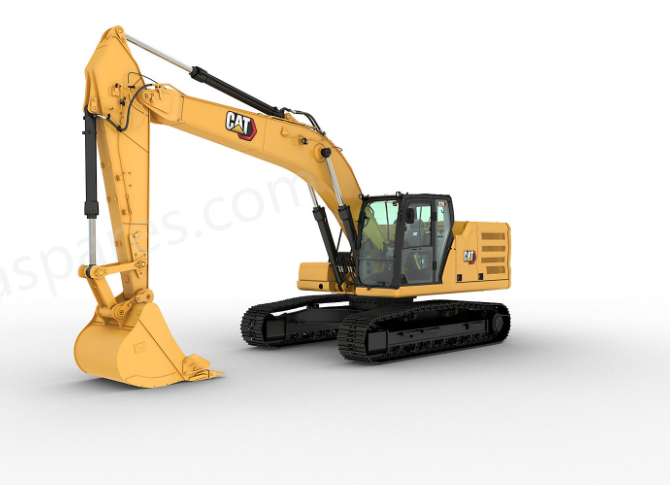
 CAT Excavator 326Premium Performance with Simple-to-Use Technologies
The Cat® 326 Excavator brings premium performance with simple-to-use technologies to boost your operator efficiencies. Combine these features with an ergonomic cab, longer maintenance intervals, and a power system that reduces fuel and you have a low-cost-per-unit-of-production excavator that’s perfect for medium to heavy-duty applications. CAT Excavator 324Heavy-Duty Muscle Built to Outperform
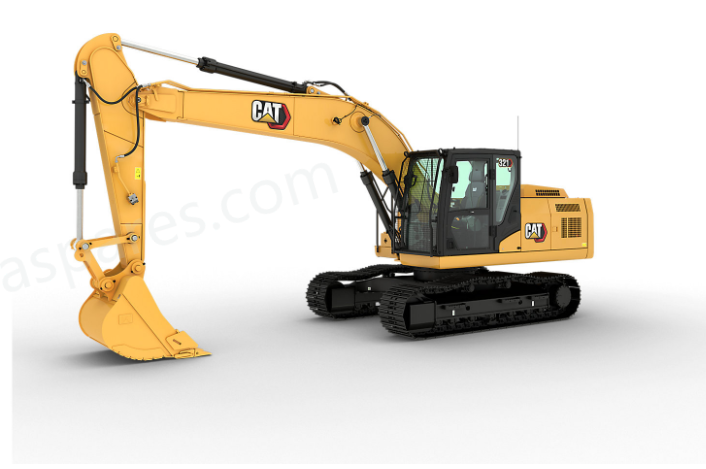
The Cat® 324 excavator is built to handle high-production workloads with the perfect balance of brute strength and refined control. Its powerful Cat® C7.1 engine, high-flow hydraulics, and advanced electrohydraulic system give you the muscle to move heavy material fast, without burning through your budget. With reinforced structures, field-proven durability, and easy-to-maintain components, the 324 is your go-to solution for tackling tough jobs with less downtime. CAT Excavator 322Profit-Driven Powerhouse for Heavy Loads
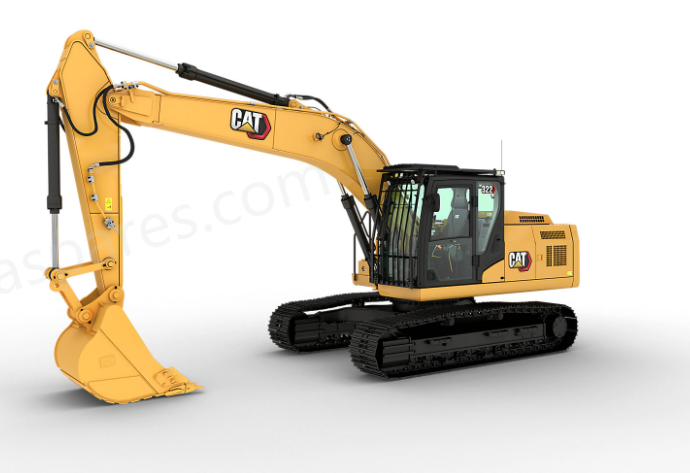
When you need muscle, precision, and cost control in one machine, the Cat® 322 excavator delivers. Purpose-built for high production, the 322 pairs fast cycle times with large bucket options to move more material in fewer passes. Its responsive electrohydraulic controls and rugged design keep you productive on the tough jobs, while smart fuel efficiency and streamlined maintenance help you stay profitable every step of the way. Whether you’re loading, trenching, or lifting, the 322 is a heavy-duty workhorse that pays you back. CAT Excavator 321Versatility at the Lowest Cost Per Hour
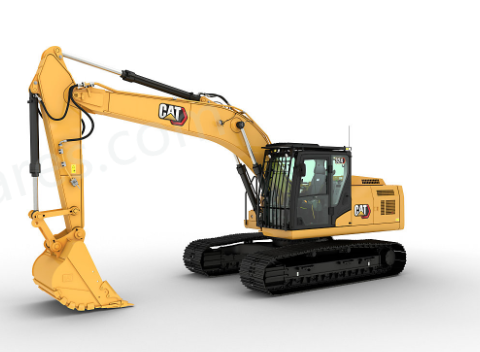
Powered by the reliable Cat® C3.6 engine, the Cat® 321 excavator delivers high torque and fast cycle times to maximize productivity. Reinforced Cat structures extend machine life and withstand the toughest conditions, while the latest cab design puts operator safety and comfort first. Every core system undergoes rigorous testing, so you can count on consistent, reliable performance shift after shift.