-News Center-
Oil Filter vs Fuel Filter: Key Differences in Machinery Maintenance Planning
In machinery maintenance planning, the difference between an oil filter and a fuel filter is more than a technical detail. It shapes service timing, failure prevention, and repair cost across heavy construction fleets.
A well-selected oil filter protects lubrication quality, while a fuel filter guards the injection system from contamination. When either part is treated as routine only, engine reliability usually suffers first.
That matters even more in construction environments with dust, variable fuel quality, long shifts, and mixed equipment brands. For companies handling machines from Caterpillar, Komatsu, Volvo, SEM, Shantui, XCMG, SDLG, Weichai, and SDEC, maintenance planning needs accuracy rather than habit.
Why these two filters should never be treated the same
An oil filter works inside the lubrication circuit. Its main job is to capture soot, metal particles, sludge, and wear debris before they circulate through bearings, pistons, and valve train components.
A fuel filter serves a different system and a different risk profile. It removes dirt, rust, water, and fine contaminants before fuel reaches pumps, injectors, and combustion chambers.
Simple confusion between them often leads to poor interval decisions. An oil filter may be replaced too late because the team focuses on fuel cleanliness, or a fuel filter may be overlooked because engine oil still looks acceptable.
What the industry is watching now
Modern engines are less tolerant of contamination than older platforms. Tighter tolerances, higher injection pressure, and extended drain intervals make both filter choices more critical than before.
The oil filter now carries a larger share of engine protection in long-hour operations. If filtration efficiency drops, small particles can accelerate wear long before a warning light appears.
Fuel systems face similar pressure. Poor diesel storage, field refueling, and regional fuel inconsistency raise the risk of injector damage, hard starting, unstable power, and unplanned shutdowns.
This is one reason experienced parts suppliers such as TerraMech emphasize not only brand compatibility, but also service context. Two machines may share similar operating hours, yet require different filter planning because site conditions are not the same.
A practical comparison for maintenance planning
In day-to-day planning, the key differences become easier to manage when viewed side by side.
This comparison helps explain why a universal service rule rarely works. The right oil filter interval is connected to heat, load factor, oil grade, and contamination level, not just calendar time.
Where mistakes usually happen on site
In actual field service, filter problems often begin with assumptions that seem minor. Over time, those assumptions create repeat failures.
- Using a low-grade oil filter on high-hour machines working under heavy dust and heat.
- Extending replacement intervals because engine output still appears normal.
- Ignoring fuel tank cleanliness while replacing the fuel filter regularly.
- Selecting parts by size or thread only, without checking filtration rating and bypass design.
- Treating the lubrication system and chassis service plan as unrelated cost centers.
That last point is often underestimated. Reliable machinery performance depends on the whole service chain, from engine filtration to undercarriage durability. A machine that avoids engine wear but loses availability through chassis failure is still poorly planned.
For example, on Shantui dozers operating in abrasive ground, undercarriage parts must hold the same maintenance logic as fluid-system components. A part such as 16Y-18-00049 SPROCKET SHANTUI SPARE PARTS supports SD16, SD22, SD26, and related models with abrasion resistant material, high strength, and durability that help reduce downtime in harsh underground chassis applications.
How to judge the right oil filter strategy
A useful oil filter plan starts with operating reality rather than catalog theory. Service records should show more than replacement dates.
Check the operating pattern
Short cycles, idle-heavy work, and repeated cold starts contaminate oil differently from long, steady loads. The same oil filter may perform differently under those patterns.
Look at contamination sources
Dust ingress, worn seals, delayed oil changes, and poor storage practices increase filtration demand. An oil filter should be matched to that contamination risk, not only the engine model.
Review part consistency across the fleet
Mixed-brand fleets often suffer from inconsistent parts quality. TerraMech’s long experience with branded machinery and parts is relevant here because compatibility, traceability, and stable sourcing reduce planning errors.
Connect filter choice to downtime cost
The cheapest oil filter rarely delivers the lowest service cost. Lost machine hours, repeat visits, and secondary engine damage usually outweigh small purchasing savings.
Turning comparison into action
A clear maintenance plan separates the role of the oil filter from the role of the fuel filter, then links both to actual machine conditions. That creates better replacement timing and fewer reactive repairs.
The next step is practical. Review recent failures, compare oil filter and fuel filter intervals against site conditions, and check whether high-wear components elsewhere on the machine are being planned with the same discipline.
When service decisions are based on contamination risk, duty cycle, and verified parts quality, machinery maintenance becomes easier to predict. That is where stronger uptime, lower cost, and longer equipment life usually begin.
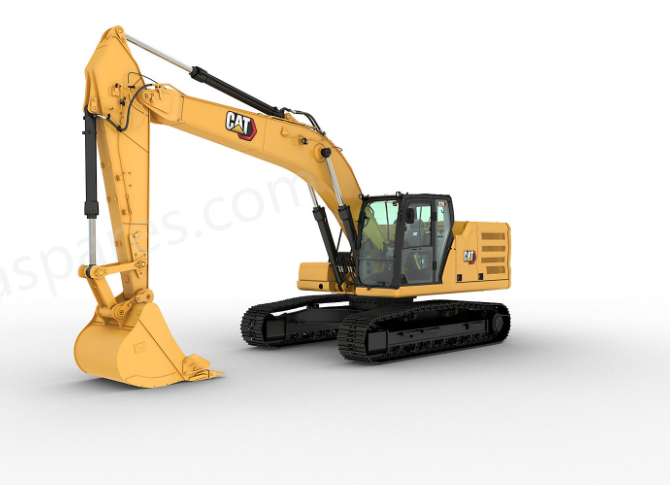
 CAT Excavator 326Premium Performance with Simple-to-Use Technologies
The Cat® 326 Excavator brings premium performance with simple-to-use technologies to boost your operator efficiencies. Combine these features with an ergonomic cab, longer maintenance intervals, and a power system that reduces fuel and you have a low-cost-per-unit-of-production excavator that’s perfect for medium to heavy-duty applications. CAT Excavator 324Heavy-Duty Muscle Built to Outperform
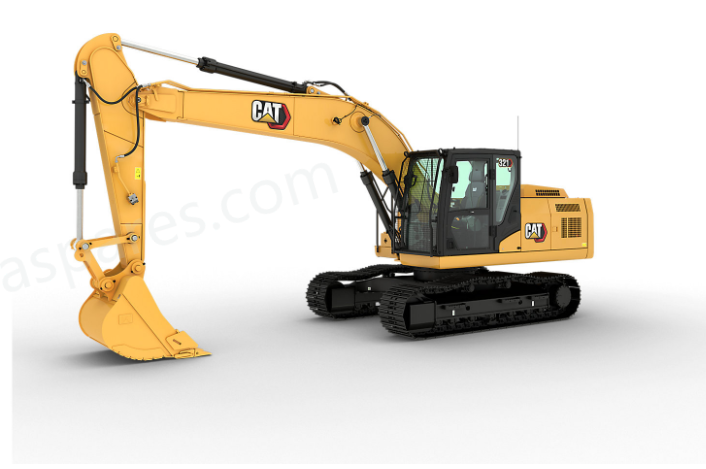
The Cat® 324 excavator is built to handle high-production workloads with the perfect balance of brute strength and refined control. Its powerful Cat® C7.1 engine, high-flow hydraulics, and advanced electrohydraulic system give you the muscle to move heavy material fast, without burning through your budget. With reinforced structures, field-proven durability, and easy-to-maintain components, the 324 is your go-to solution for tackling tough jobs with less downtime. CAT Excavator 322Profit-Driven Powerhouse for Heavy Loads
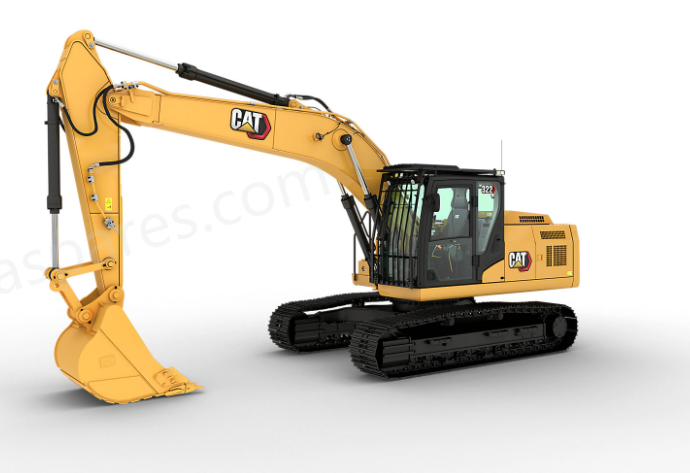
When you need muscle, precision, and cost control in one machine, the Cat® 322 excavator delivers. Purpose-built for high production, the 322 pairs fast cycle times with large bucket options to move more material in fewer passes. Its responsive electrohydraulic controls and rugged design keep you productive on the tough jobs, while smart fuel efficiency and streamlined maintenance help you stay profitable every step of the way. Whether you’re loading, trenching, or lifting, the 322 is a heavy-duty workhorse that pays you back. CAT Excavator 321Versatility at the Lowest Cost Per Hour
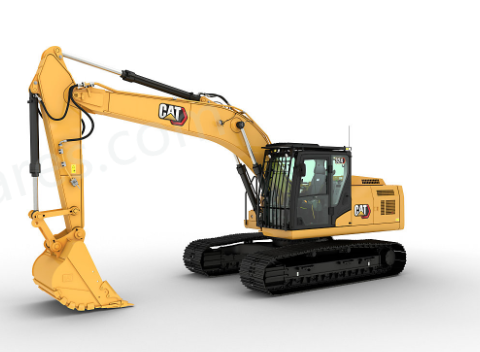
Powered by the reliable Cat® C3.6 engine, the Cat® 321 excavator delivers high torque and fast cycle times to maximize productivity. Reinforced Cat structures extend machine life and withstand the toughest conditions, while the latest cab design puts operator safety and comfort first. Every core system undergoes rigorous testing, so you can count on consistent, reliable performance shift after shift.