-News Center-
What Causes Uneven Wear in Block Brake Pads?
Uneven wear in block brake pads is more than a maintenance issue—it can signal deeper problems in braking performance, installation accuracy, or component compatibility. For aftermarket maintenance teams, identifying the root cause early helps reduce downtime, extend service life, and improve equipment safety. This article explores the most common reasons behind irregular block brake pads wear and offers practical insights for more reliable inspection and replacement decisions.
Why do block brake pads wear unevenly in heavy machinery service?
In construction machinery, block brake pads work under dust, vibration, heat cycling, and variable loads. Uneven wear usually does not come from the pad material alone. It often results from a chain of issues involving the brake disc or drum, caliper movement, mounting accuracy, hydraulic balance, and operating habits.
For aftermarket maintenance personnel, this matters because irregular wear shortens pad life, increases stopping distance, and creates repeat repairs. On wheel loaders, graders, and similar machines, delayed diagnosis can also damage rotors, seals, bearings, and adjacent brake hardware.
- One pad edge may wear faster when the caliper cannot slide freely.
- Inner and outer pads may wear differently when piston force is uneven.
- Glazing and localized hot spots may appear when the brake drags or overheats.
- Tapered wear may point to installation misalignment or distorted contact surfaces.
The key is to treat uneven block brake pads wear as a symptom, not just a consumable replacement event. A proper inspection path helps maintenance teams avoid unnecessary parts changes and restore stable braking performance faster.
The most common root causes
- Sticking caliper pins, seized guide bushes, or corroded sliding points.
- Brake disc runout, drum irregularity, or mounting face contamination.
- Uneven hydraulic pressure caused by hose restriction, seal wear, or trapped air.
- Incorrect pad specification, friction grade mismatch, or poor fitment tolerance.
- Improper bedding-in after replacement, especially on high-load equipment.
- Excessive heat from dragging brakes, overload, or repeated downhill braking.
How to identify the wear pattern before replacing block brake pads
A visual check alone is not enough. Maintenance teams should compare wear shape, thickness variation, heat marks, and surface condition. The pattern often tells you whether the issue comes from force imbalance, alignment error, or material breakdown.
The table below helps link common block brake pads wear patterns to likely mechanical causes and the first inspection step. This is useful when machines must return to service quickly and parts decisions need to be made on site.
Reading wear patterns this way supports faster troubleshooting. It also reduces the risk of replacing block brake pads without correcting the underlying fault, which is a common cause of early repeat wear in field maintenance.
Inspection checklist for service teams
- Measure pad thickness at multiple points, not just the center.
- Check rotor or drum surface for scoring, cracks, heat spots, and runout.
- Verify caliper slides, springs, clips, and contact points move freely.
- Inspect hoses and seals for swelling, leakage, or internal restriction.
- Confirm replacement pads match machine model, duty class, and friction requirements.
Which installation and parts-selection mistakes cause early wear?
Many uneven wear cases begin during installation. Pads may fit the housing but still sit incorrectly because of burrs, rust scale, reused damaged hardware, or incorrect shim arrangement. In aftermarket service, fitment accuracy is as important as the pad compound itself.
Maintenance teams also face mixed-brand fleets and urgent sourcing needs. That makes supplier support critical. TerraMech helps service buyers confirm model matching across major machinery brands and parts systems, reducing the risk of incompatible replacement components entering the job.
Even parts outside the brake assembly can influence maintenance planning. For example, when servicing SEM wheel loaders, coordinated replacement of related machine components such as 5221968 W48000595 BELT SEM MACHINERY can help teams reduce repeated downtime during scheduled shutdowns.
Frequent selection and installation errors
- Choosing pads by approximate size only, without confirming model and operating load.
- Reusing worn abutment clips, distorted springs, or contaminated anti-rattle parts.
- Failing to clean rust and debris from pad seats and bracket contact surfaces.
- Applying lubricant to friction surfaces or using unsuitable grease near high heat zones.
- Skipping bedding-in, which prevents stable surface transfer and creates uneven contact.
For construction equipment that works in mud, aggregate, and long transport cycles, the installation environment is harsh. Small assembly errors quickly become visible as tapered block brake pads wear, noise, drag, or steering pull under braking.
How should aftermarket teams compare causes, risks, and corrective actions?
The next table is designed for practical decision-making. It compares major causes of uneven block brake pads wear, the operational risk they create, and the most efficient corrective action. This is especially helpful when maintenance budgets and repair windows are tight.
This comparison shows why a low-cost pad is not always a low-cost repair. If the root cause is missed, labor, downtime, and secondary component damage can exceed the price difference between basic and correctly matched brake parts.
Cost control without sacrificing reliability
For fleet maintenance teams, the best approach is planned replacement based on wear trend and machine duty, not emergency reaction. Source quality parts, confirm fitment in advance, and inspect related hardware during every brake job. This reduces repeat labor and unpredictable machine stoppage.
TerraMech supports this process with broad branded machinery parts coverage, practical aftermarket knowledge, and supply coordination across Caterpillar, Komatsu, Volvo, SEM, Shantui, XCMG, SDLG, Weichai, and SDEC platforms. That is valuable when maintenance managers need one supplier that understands both equipment and replacement risk.
What service procedures help prevent uneven block brake pads wear?
Preventive practice matters as much as replacement quality. A structured service routine improves braking consistency and helps detect developing faults before pads wear abnormally. This is especially important for loaders and other machines that alternate between short cycles and heavy braking.
Recommended workshop process
- Confirm machine model, brake system type, and operating complaint before disassembly.
- Inspect wear patterns on both sides of the axle and document thickness readings.
- Check rotor or drum condition, sliding hardware, piston travel, and hose integrity.
- Install matched components using clean contact surfaces and correct hardware arrangement.
- Perform bedding-in and a controlled road or yard test to verify release and response.
Where applicable, schedule related parts replacement during the same service window. On SEM loader maintenance, some teams combine brake work with air-conditioning or engine-bay service items to minimize downtime, including checks around 5221968 W48000595 BELT SEM MACHINERY applications in the air-con system.
FAQ for maintenance teams dealing with block brake pads problems
Can uneven block brake pads wear be caused by poor pad quality alone?
Sometimes, but not usually. Low-grade friction material can accelerate wear or create unstable heat behavior, yet most uneven wear patterns still point to mechanical or hydraulic faults. Always inspect fitment, rotor condition, and sliding movement before blaming the pad itself.
When should rotors or drums be serviced together with block brake pads?
If there is scoring, measurable runout, cracking, hard spots, or thickness variation outside service limits, the friction surface should be machined or replaced according to the equipment standard. Installing new pads on a damaged surface often leads to rapid uneven wear and reduced braking stability.
How important is bedding-in after replacement?
It is very important. Proper bedding-in creates stable contact and helps transfer friction material evenly. Without it, block brake pads may develop hot spots, glazing, noise, and patchy wear within a short operating period, especially on machines that return immediately to heavy work.
What should buyers confirm before ordering replacement brake parts?
Confirm machine model, axle configuration, brake assembly type, operating environment, and any OEM or cross-reference numbers. Also ask about hardware kits, compatibility with existing discs or drums, lead time, and whether technical support is available for installation review and parts matching.
Why choose us for machinery parts support and brake-related sourcing?
Aftermarket maintenance teams need more than a catalog. They need accurate model confirmation, dependable branded parts channels, realistic delivery information, and support that understands machine uptime pressure. TerraMech brings over two decades of engineering machinery industry experience and supplies components for leading global brands used across construction fleets.
You can contact us for brake parts selection support, model cross-checking, related component planning, delivery schedule confirmation, ODM and OEM customization needs, sample discussion, and quotation comparison. If your team is managing mixed fleets or urgent repair windows, we can help you narrow the correct parts path faster and reduce repeat maintenance risk.
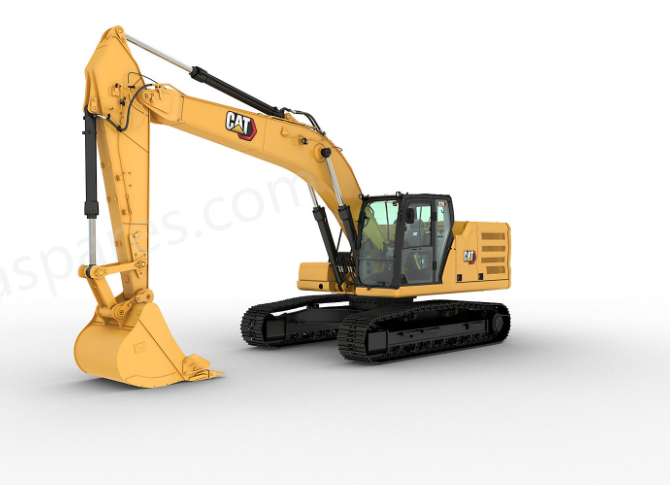
 CAT Excavator 326Premium Performance with Simple-to-Use Technologies
The Cat® 326 Excavator brings premium performance with simple-to-use technologies to boost your operator efficiencies. Combine these features with an ergonomic cab, longer maintenance intervals, and a power system that reduces fuel and you have a low-cost-per-unit-of-production excavator that’s perfect for medium to heavy-duty applications. CAT Excavator 324Heavy-Duty Muscle Built to Outperform
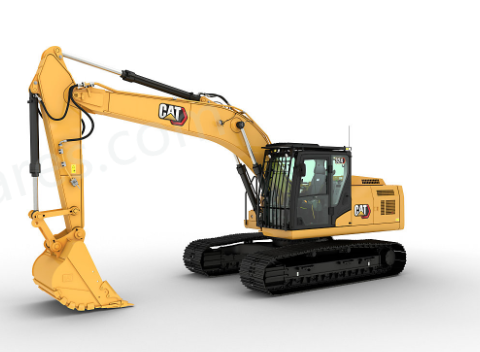
The Cat® 324 excavator is built to handle high-production workloads with the perfect balance of brute strength and refined control. Its powerful Cat® C7.1 engine, high-flow hydraulics, and advanced electrohydraulic system give you the muscle to move heavy material fast, without burning through your budget. With reinforced structures, field-proven durability, and easy-to-maintain components, the 324 is your go-to solution for tackling tough jobs with less downtime. CAT Excavator 322Profit-Driven Powerhouse for Heavy Loads
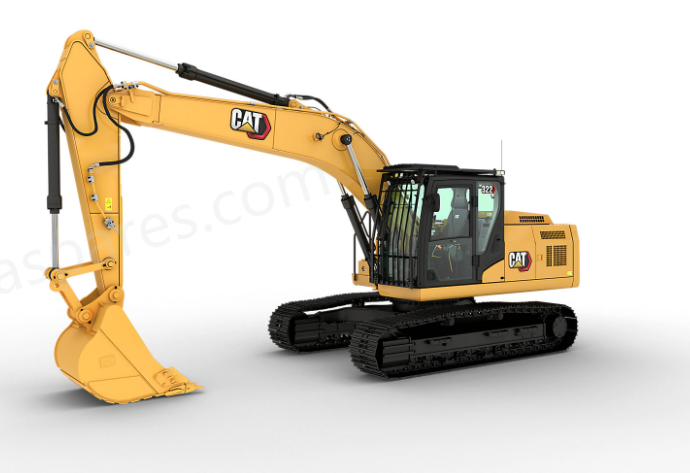
When you need muscle, precision, and cost control in one machine, the Cat® 322 excavator delivers. Purpose-built for high production, the 322 pairs fast cycle times with large bucket options to move more material in fewer passes. Its responsive electrohydraulic controls and rugged design keep you productive on the tough jobs, while smart fuel efficiency and streamlined maintenance help you stay profitable every step of the way. Whether you’re loading, trenching, or lifting, the 322 is a heavy-duty workhorse that pays you back. CAT Excavator 321Versatility at the Lowest Cost Per Hour
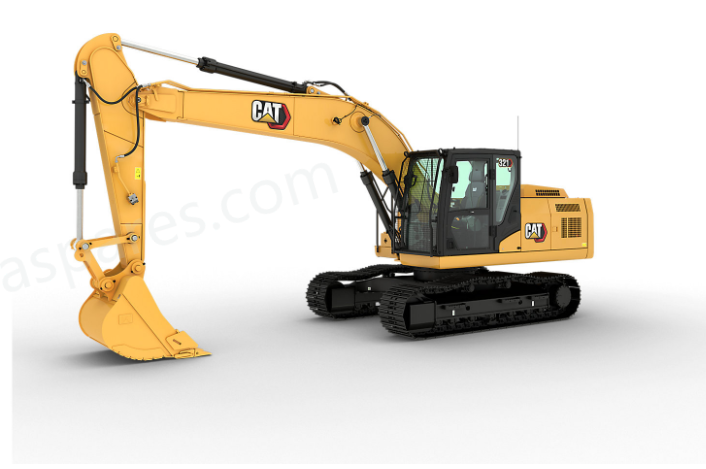
Powered by the reliable Cat® C3.6 engine, the Cat® 321 excavator delivers high torque and fast cycle times to maximize productivity. Reinforced Cat structures extend machine life and withstand the toughest conditions, while the latest cab design puts operator safety and comfort first. Every core system undergoes rigorous testing, so you can count on consistent, reliable performance shift after shift.