-News Center-
When Should Block Brake Pads Be Replaced in Daily Use?
Knowing when to replace block brake pads is essential for safe, efficient machine operation in daily use.
For construction machinery, worn pads reduce stopping power, increase heat, and raise the risk of downtime.
This guide explains replacement timing, warning signs, inspection methods, and practical service tips for block brake pads.
It also shows how correct parts selection supports reliable braking performance in wheel loaders and related equipment.
What are block brake pads, and why do they wear in daily use?
Block brake pads create friction against a rotating surface to slow or stop machinery safely.
In loaders, forklifts, and other heavy machines, block brake pads face dust, heat, vibration, and repeated stop-start cycles.
These factors gradually reduce pad thickness and friction quality.
Wear happens faster when machines carry heavy loads, work on slopes, or operate in muddy or abrasive sites.
Poor driving habits also matter.
Frequent hard braking, riding the brake, and delayed maintenance can shorten the service life of block brake pads.
When should block brake pads be replaced?
There is no single replacement hour for every machine.
The right timing depends on pad thickness, operating conditions, brake temperature, and the manufacturer’s wear limit.
In daily use, block brake pads should be replaced when any of these conditions appear:
- Friction material reaches the minimum specified thickness.
- Braking distance becomes noticeably longer.
- A squealing, grinding, or metal contact sound appears.
- Pads show uneven wear, cracking, glazing, or contamination.
- The machine pulls to one side during braking.
For many machines, inspection should happen during regular servicing rather than waiting for obvious failure.
A preventive approach usually costs less than emergency repair.
What warning signs show block brake pads are close to failure?
The earliest signs are often small changes in feel, sound, or braking response.
Operators should never ignore them.
Common symptoms
- Squeaking during light braking.
- Grinding caused by severe wear.
- Brake fade after repeated stops.
- Vibration or pulsation near the pedal or control linkage.
- Visible heat marks or burnt odor around the brake assembly.
If block brake pads overheat, the friction surface can glaze.
Glazed pads may still look intact, but they lose braking efficiency.
That is why visual inspection alone is not enough.
How can block brake pads be inspected correctly?
Routine inspection is the safest way to decide whether replacement is needed.
The process should be simple, repeatable, and recorded.
- Park the machine safely and release system pressure if required.
- Check pad thickness against the service manual limit.
- Look for cracks, oil contamination, chips, and uneven surface wear.
- Inspect the caliper, disc, drum, and related hardware.
- Test braking response during low-speed movement.
On wheel loaders, the brake caliper condition is also critical.
A worn or sticking caliper can cause abnormal block brake pads wear and poor braking balance.
For example, 5364782 SEM SPARE PARTS WHEEL LOADER BRAKE CALIPER is designed for demanding wheel loader parts applications.
Its structure supports durability, torque transfer, and reliable performance under frequent directional changes.
What factors shorten the life of block brake pads?
Several operating and maintenance factors can reduce pad life faster than expected.
Component quality matters too.
Reliable brake parts help reduce premature wear and support lower owning and operating costs over time.
Is it better to replace one pad or the full brake set?
In most cases, replacing the full set is the safer choice.
Mixed wear levels can create uneven braking force and unstable machine control.
If one side is damaged, the opposite side has often experienced similar stress.
Replacing related components together can also avoid repeated labor costs.
For machines such as SEM653D, SEM658D, or SEM668D, matching brake components improves consistency and service reliability.
That is especially important where direction changes and impact loads are frequent.
FAQ: quick answers about block brake pads
Replacing block brake pads at the right time protects safety, preserves braking performance, and reduces unplanned downtime.
The best approach is regular inspection, early response to warning signs, and use of dependable brake system parts.
TerraMech supports construction machinery maintenance with branded equipment and parts backed by long industry experience.
If braking performance has changed, inspect your block brake pads now and check related assemblies before minor wear becomes major failure.
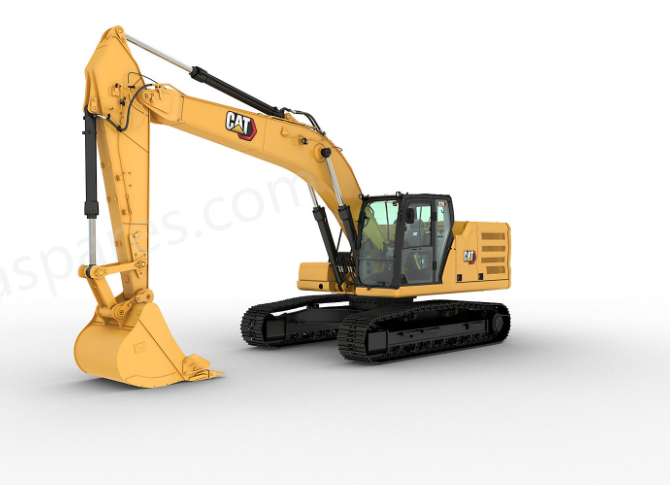
 CAT Excavator 326Premium Performance with Simple-to-Use Technologies
The Cat® 326 Excavator brings premium performance with simple-to-use technologies to boost your operator efficiencies. Combine these features with an ergonomic cab, longer maintenance intervals, and a power system that reduces fuel and you have a low-cost-per-unit-of-production excavator that’s perfect for medium to heavy-duty applications. CAT Excavator 324Heavy-Duty Muscle Built to Outperform
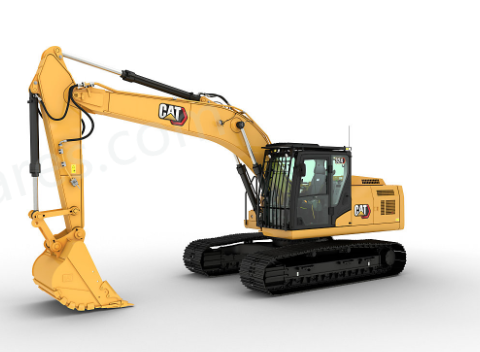
The Cat® 324 excavator is built to handle high-production workloads with the perfect balance of brute strength and refined control. Its powerful Cat® C7.1 engine, high-flow hydraulics, and advanced electrohydraulic system give you the muscle to move heavy material fast, without burning through your budget. With reinforced structures, field-proven durability, and easy-to-maintain components, the 324 is your go-to solution for tackling tough jobs with less downtime. CAT Excavator 322Profit-Driven Powerhouse for Heavy Loads
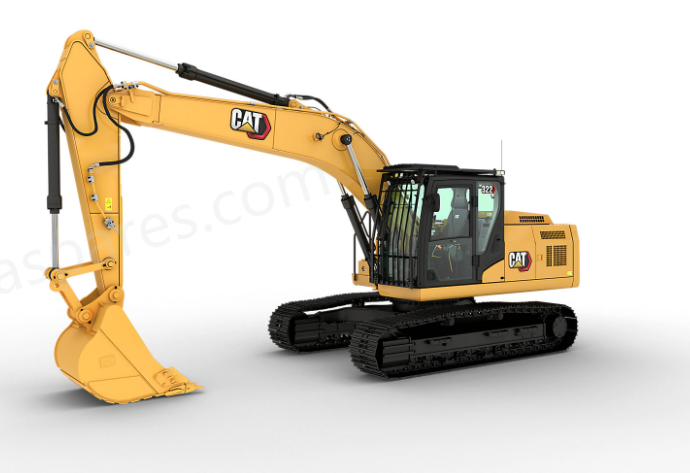
When you need muscle, precision, and cost control in one machine, the Cat® 322 excavator delivers. Purpose-built for high production, the 322 pairs fast cycle times with large bucket options to move more material in fewer passes. Its responsive electrohydraulic controls and rugged design keep you productive on the tough jobs, while smart fuel efficiency and streamlined maintenance help you stay profitable every step of the way. Whether you’re loading, trenching, or lifting, the 322 is a heavy-duty workhorse that pays you back. CAT Excavator 321Versatility at the Lowest Cost Per Hour
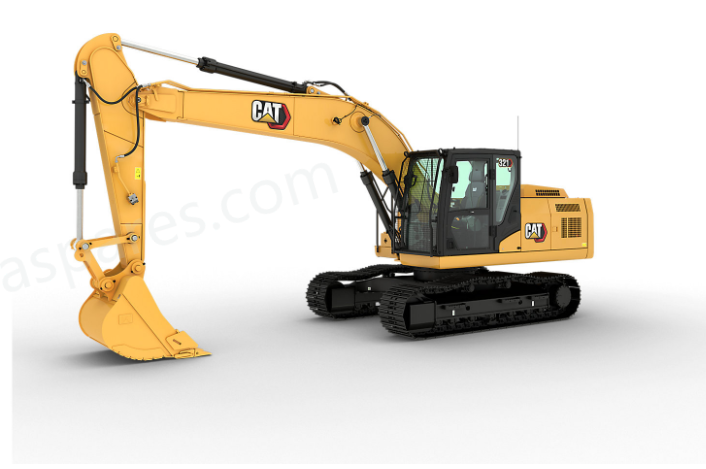
Powered by the reliable Cat® C3.6 engine, the Cat® 321 excavator delivers high torque and fast cycle times to maximize productivity. Reinforced Cat structures extend machine life and withstand the toughest conditions, while the latest cab design puts operator safety and comfort first. Every core system undergoes rigorous testing, so you can count on consistent, reliable performance shift after shift.