-News Center-
2026 Construction Machinery Parts Price Trends to Watch
2026 Construction Machinery Parts Price Trends to Watch
In 2026, construction machinery parts prices will move under several forces at once.
Raw material swings, freight shifts, brand premiums, and aftermarket demand will all affect construction machinery parts sourcing.
A structured review helps control costs, protect uptime, and avoid rushed purchases that weaken equipment reliability.
Why a Structured Review Matters
Construction machinery parts are no longer priced only by factory output.
Steel, castings, exchange rates, regional inventories, and lead times now shape the final landed cost.
For fleets using Caterpillar, Komatsu, Volvo, SEM, Shantui, XCMG, and SDLG machines, comparing supply channels is essential.
Key Checks Before You Buy
- Track steel, copper, rubber, and energy costs monthly, because these inputs often drive sudden changes in construction machinery parts pricing.
- Review supplier stock depth and replenishment cycles, since low inventory usually means longer lead times and higher emergency replacement costs.
- Compare OEM, branded aftermarket, and customized options by lifecycle value, not just unit price, to reduce repeat failures and downtime losses.
- Check model compatibility carefully for loaders, excavators, and driveline systems, especially where pumps, axles, and transmission parts face heavy loads.
- Ask for warranty terms, material standards, and export support early, because service gaps can erase any apparent savings.
For example, wheel loader maintenance often depends on durable hydraulic and drivetrain support.
A suitable reference is 5338057 GEAR PUMP SEM655D SEM660D SEM 636D LOADER PARTS, designed for SEM wheel loader applications.
High strength, durability, and torque capacity matter more when machines face impact loads, frequent direction changes, and repeated gear shifts.
Notes for Different Use Situations
High-Utilization Fleets
Fast-moving construction machinery parts should be bought with demand forecasts tied to service intervals.
This reduces premium freight and avoids overpaying during peak construction seasons.
Export or Multi-Brand Operations
Mixed fleets require broader cross-reference checks and stronger documentation support.
Suppliers with broad brand coverage and export experience can simplify sourcing and lower total purchasing friction.
Often Missed Risks
Cheaper construction machinery parts may carry hidden costs in fitment problems, shorter life, or inconsistent batch quality.
Another common issue is ignoring shipping mode changes, which can sharply raise landed cost during port congestion.
Some buyers also miss the value of one-stop sourcing for pumps, transmission components, and axle-related replacements.
Practical Steps for 2026
- Build a quarterly price watchlist for critical construction machinery parts.
- Separate urgent parts from planned maintenance items.
- Standardize model verification before issuing every order.
- Use suppliers with stable quality, global support, and flexible OEM or ODM capability.
TerraMech brings over two decades of engineering machinery experience and supports globally recognized brands with dependable parts solutions.
That experience becomes especially useful when balancing branded quality, affordability, and availability across changing market conditions.
Next Action
In 2026, better construction machinery parts decisions will come from disciplined comparison, not reactive buying.
Review demand, verify compatibility, compare lifecycle cost, and lock in reliable supply before prices move further.
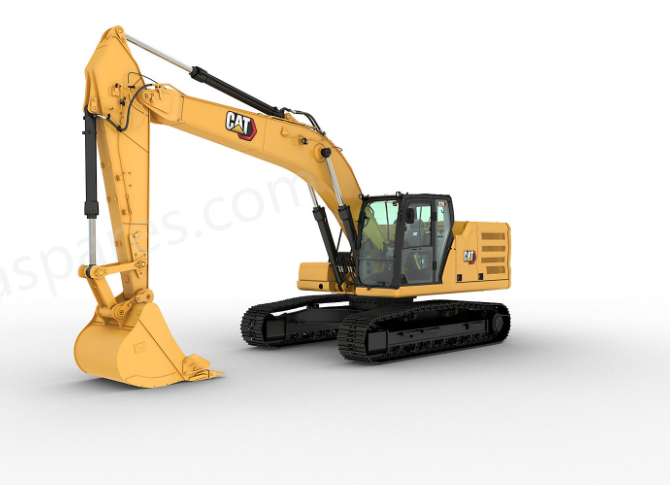
 CAT Excavator 326Premium Performance with Simple-to-Use Technologies
The Cat® 326 Excavator brings premium performance with simple-to-use technologies to boost your operator efficiencies. Combine these features with an ergonomic cab, longer maintenance intervals, and a power system that reduces fuel and you have a low-cost-per-unit-of-production excavator that’s perfect for medium to heavy-duty applications. CAT Excavator 324Heavy-Duty Muscle Built to Outperform
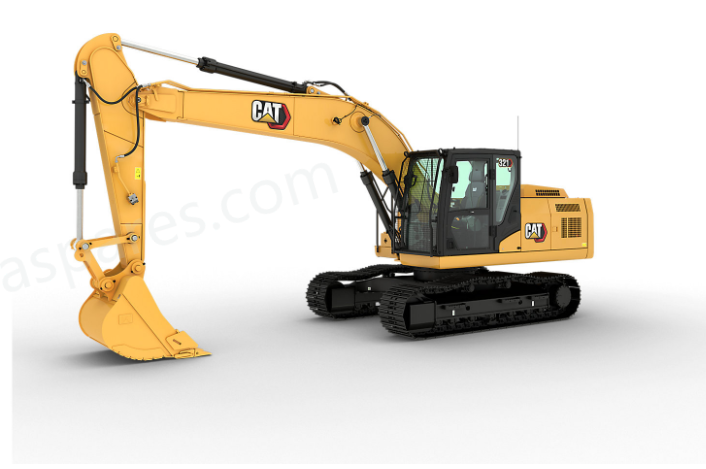
The Cat® 324 excavator is built to handle high-production workloads with the perfect balance of brute strength and refined control. Its powerful Cat® C7.1 engine, high-flow hydraulics, and advanced electrohydraulic system give you the muscle to move heavy material fast, without burning through your budget. With reinforced structures, field-proven durability, and easy-to-maintain components, the 324 is your go-to solution for tackling tough jobs with less downtime. CAT Excavator 322Profit-Driven Powerhouse for Heavy Loads
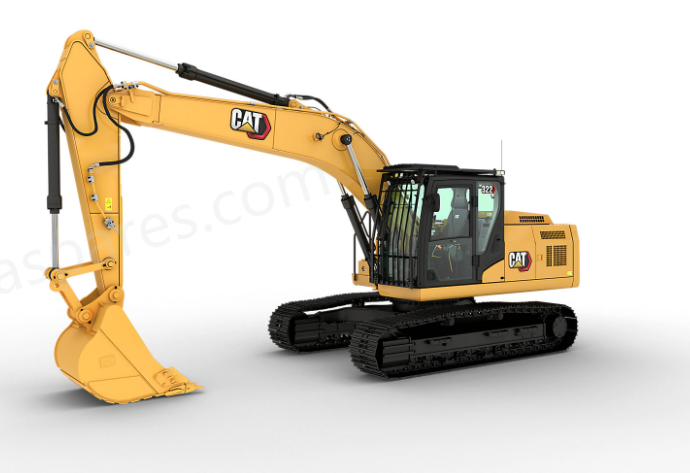
When you need muscle, precision, and cost control in one machine, the Cat® 322 excavator delivers. Purpose-built for high production, the 322 pairs fast cycle times with large bucket options to move more material in fewer passes. Its responsive electrohydraulic controls and rugged design keep you productive on the tough jobs, while smart fuel efficiency and streamlined maintenance help you stay profitable every step of the way. Whether you’re loading, trenching, or lifting, the 322 is a heavy-duty workhorse that pays you back. CAT Excavator 321Versatility at the Lowest Cost Per Hour
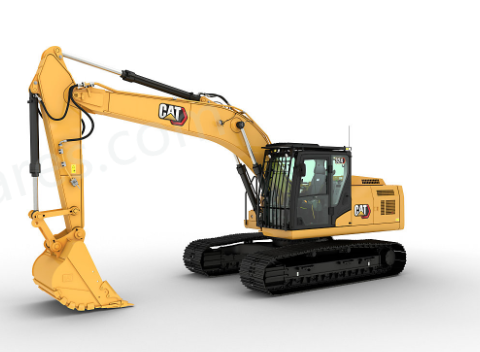
Powered by the reliable Cat® C3.6 engine, the Cat® 321 excavator delivers high torque and fast cycle times to maximize productivity. Reinforced Cat structures extend machine life and withstand the toughest conditions, while the latest cab design puts operator safety and comfort first. Every core system undergoes rigorous testing, so you can count on consistent, reliable performance shift after shift.