-News Center-
How to Inspect 5217288 for Wear, Damage, and Installation Readiness
Why 5217288 Inspection Starts With Real Operating Conditions
Before 5217288 goes into service, the part needs more than a quick visual check.
In construction machinery, small defects often become larger failures under load, heat, vibration, and contamination.
That is why a pre-installation review of 5217288 should focus on actual machine conditions, not only part appearance.
A machine working in dusty wheel loader service behaves differently from one used in lighter engine-related maintenance cycles.
At TerraMech, long experience with Caterpillar, Komatsu, Volvo, SEM, Shantui, XCMG, SDLG, Weichai, and SDEC parts shows a consistent pattern.
Most early issues with 5217288 come from unnoticed wear, transport damage, or poor fit confirmation before installation.
Different Machines Ask Different Questions About 5217288
The same 5217288 inspection routine should not be applied blindly across every machine condition.
In high-dust environments, sealing surfaces and edge integrity matter more because contamination enters quickly after startup.
On machines with frequent stop-start cycles, installation fit and compression stability often deserve closer attention.
Where vibration is heavy, even slight deformation on 5217288 can shorten service life once the machine returns to work.
In practice, the inspection should match load pattern, environment, maintenance history, and replacement urgency.
A quick comparison helps clarify the priority
When 5217288 Arrives From Storage or Transit
A common mistake is assuming new inventory means installation-ready inventory.
For 5217288, storage conditions and transport handling can change the part before it ever reaches the machine.
Start by checking packaging condition, moisture exposure, visible dust, and any sign of impact during shipment.
Then inspect the body of 5217288 under good light.
Look for scoring, bent edges, flattened sections, scratched sealing areas, and protective coating damage.
If the part is related to filtration or sealing performance, trapped debris on contact surfaces should be treated seriously.
That same logic applies when checking associated service items such as SEM SPARE PARTS 5184406 W010517226 FILTERS .
On SEM660B, SEM816, or SEM822D class equipment, clean interfaces and undamaged filters often determine whether maintenance actually restores reliability.
What Matters More During Field Replacement Work
Field replacement creates a different pressure.
Downtime is already happening, so teams often rush 5217288 into place without comparing it against the removed part.
That is usually where fitment problems start.
A better approach is to compare contact points, mounting geometry, thickness, outer diameter, and orientation features side by side.
If 5217288 appears close enough but not identical, stop and confirm the application before installation.
Machines in wheel loader parts service and bulldozer parts service often look similar in maintenance rhythm, but stress paths differ.
That difference can make a marginal fit fail early.
- Check whether 5217288 seats evenly without forced alignment.
- Confirm no burrs or raised spots interfere with full contact.
- Verify adjacent housings are clean and not worn out of tolerance.
- Reject parts showing mixed wear and fresh impact marks together.
Where Wear Assessment Should Be More Careful
Not every mark on 5217288 means rejection, but not every smooth-looking surface is safe either.
In actual service, the more useful judgment is whether the mark changes load transfer, sealing, flow, or stability.
Light cosmetic discoloration may be acceptable.
Sharp scratches across a sealing face usually are not.
If 5217288 shows uneven edge wear, confirm whether the old assembly had misalignment, vibration, or contamination.
Replacing only the part without correcting the surrounding cause often repeats the same failure.
This is especially relevant on machines that rely on genuine maintenance components to keep debris away from critical systems.
That is also why linked service items like filters are reviewed with equal care, not as secondary consumables.
Common misjudgments before installation
- Approving 5217288 by part number alone, without checking mating surfaces.
- Ignoring minor deformation because the part can still be installed.
- Focusing on immediate replacement speed, not service interval risk.
- Treating similar machine models as identical in fit and duty cycle.
A Practical Readiness Check Before 5217288 Goes On the Machine
A useful readiness check for 5217288 does not need to be complicated.
It needs to be consistent.
Use a short sequence that connects condition, application, and fit.
- Confirm the machine model, service area, and duty pattern first.
- Inspect 5217288 for cracks, dents, wear lines, and contamination.
- Measure or compare critical dimensions with the removed component.
- Check surrounding housings for wear that could compromise the new part.
- Install only after dry fit confirms proper seating and alignment.
If replacement involves broader maintenance on SEM machines, related items such as W010517226 or 5217528 series service parts should also be reviewed as a system.
That reduces the risk of solving one problem while leaving another source of contamination or instability untouched.
The Better Next Step Is To Standardize How 5217288 Is Judged
The best inspection result for 5217288 is not simply passing or rejecting one part.
It is building a repeatable standard based on operating environment, fitment accuracy, and wear tolerance.
When 5217288 is checked this way, downtime risk becomes easier to predict and installation decisions become more defensible.
A sensible next move is to document the machine condition, compare service intervals, and define rejection limits before the next replacement cycle.
That approach fits how experienced parts support teams work: they do not only match numbers, they match the part to the job it must survive.
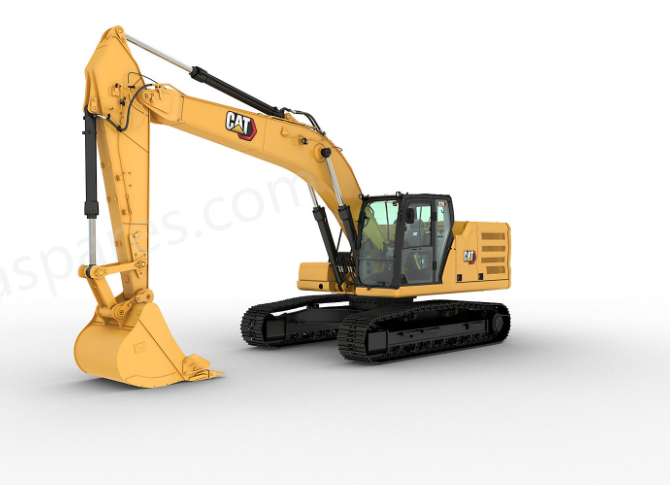
 CAT Excavator 326Premium Performance with Simple-to-Use Technologies
The Cat® 326 Excavator brings premium performance with simple-to-use technologies to boost your operator efficiencies. Combine these features with an ergonomic cab, longer maintenance intervals, and a power system that reduces fuel and you have a low-cost-per-unit-of-production excavator that’s perfect for medium to heavy-duty applications. CAT Excavator 324Heavy-Duty Muscle Built to Outperform
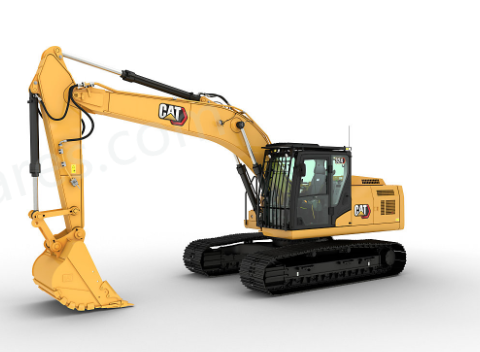
The Cat® 324 excavator is built to handle high-production workloads with the perfect balance of brute strength and refined control. Its powerful Cat® C7.1 engine, high-flow hydraulics, and advanced electrohydraulic system give you the muscle to move heavy material fast, without burning through your budget. With reinforced structures, field-proven durability, and easy-to-maintain components, the 324 is your go-to solution for tackling tough jobs with less downtime. CAT Excavator 322Profit-Driven Powerhouse for Heavy Loads
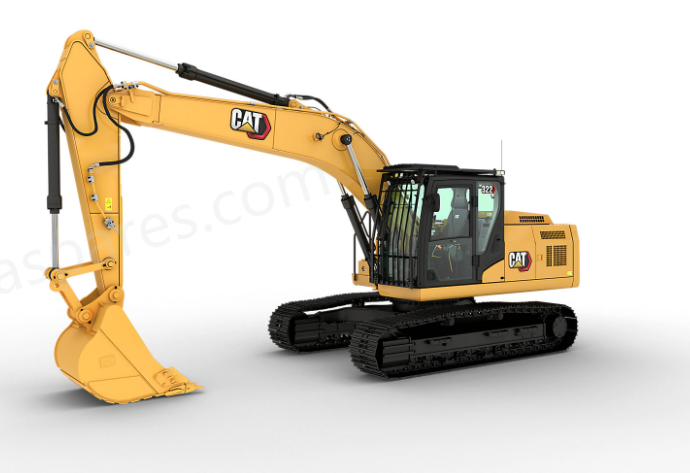
When you need muscle, precision, and cost control in one machine, the Cat® 322 excavator delivers. Purpose-built for high production, the 322 pairs fast cycle times with large bucket options to move more material in fewer passes. Its responsive electrohydraulic controls and rugged design keep you productive on the tough jobs, while smart fuel efficiency and streamlined maintenance help you stay profitable every step of the way. Whether you’re loading, trenching, or lifting, the 322 is a heavy-duty workhorse that pays you back. CAT Excavator 321Versatility at the Lowest Cost Per Hour
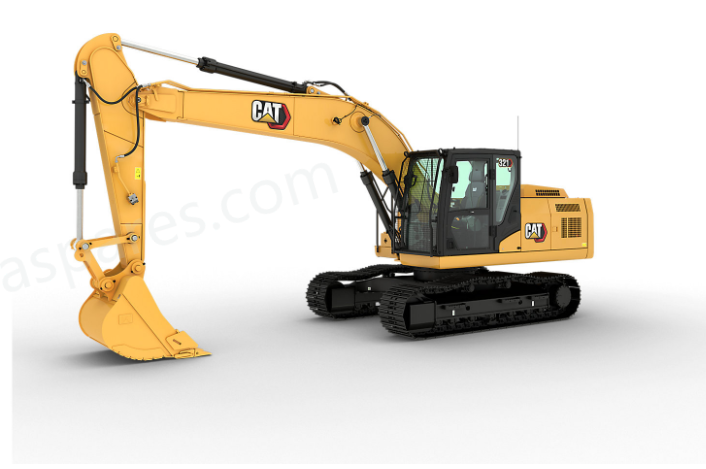
Powered by the reliable Cat® C3.6 engine, the Cat® 321 excavator delivers high torque and fast cycle times to maximize productivity. Reinforced Cat structures extend machine life and withstand the toughest conditions, while the latest cab design puts operator safety and comfort first. Every core system undergoes rigorous testing, so you can count on consistent, reliable performance shift after shift.