-News Center-
Drive Shaft Problems: How Misalignment and Imbalance Lead to Early Failure
Drive Shaft Problems: How Misalignment and Imbalance Lead to Early Failure
Drive shaft failure rarely appears out of nowhere.
In most cases, the drive shaft starts sending signals long before the final breakdown.
Vibration, rumbling, heat, and uneven wear usually point to misalignment or imbalance.
These issues look small at first, but they quickly shorten service life.
For heavy equipment, that means downtime, higher repair cost, and damage spreading into connected parts.
TerraMech has spent more than twenty years supporting construction machinery and parts across major global brands.
That field experience makes one point clear: understanding drive shaft behavior under load is the fastest path to fewer repeat failures.
Why Drive Shaft Failure Starts Earlier Than Expected
A drive shaft transfers torque between major drivetrain components.
When alignment is correct and mass is evenly distributed, rotation stays smooth and predictable.
Once that condition changes, the shaft begins working against itself.
Misalignment forces the drive shaft to run at an improper angle.
Imbalance causes centrifugal force to rise as speed increases.
Together, they overload bearings, universal joints, seals, and nearby transmission parts.
Common early warning signs
- Speed-related vibration through the frame or floor
- Clunking during gear changes or direction changes
- Visible wear around joints, flanges, or splines
- Heat buildup near support bearings or seals
- Oil leakage after repeated vibration cycles
How Misalignment Damages a Drive Shaft
Misalignment usually comes from installation error, worn mounts, frame shift, or distorted mating surfaces.
Even a small offset can create major stress under continuous torque.
Angular misalignment changes joint operating angles and creates non-uniform rotational speed.
Parallel misalignment shifts the centerline and increases side loading.
In real operation, both often appear at the same time.
Typical results of poor alignment
- Accelerated universal joint wear
- Fatigue cracks at welds or yokes
- Loose fasteners after repeated vibration
- Premature bearing and seal failure
- Reduced efficiency across the drivetrain
From a service perspective, misalignment is dangerous because the drive shaft may still rotate while damage grows quietly.
Why Imbalance Gets Worse With Speed and Load
Imbalance means the rotating mass of the drive shaft is no longer evenly distributed.
This may come from missing balance weights, mud buildup, dented tubing, poor repair work, or damaged couplings.
At low speed, symptoms may seem minor.
At operating speed, force rises sharply and turns a small defect into a major reliability problem.
This is why a drive shaft that feels acceptable during idle inspection can fail in active field use.
What imbalance usually affects first
- Center support bearings
- Transmission output bearings
- Pinion bearings and seals
- Joint caps and retaining hardware
The clearer signal is vibration that increases with speed but changes little with steering input.
Practical Inspection Steps That Catch Problems Early
A useful inspection process should be simple, repeatable, and tied to actual machine symptoms.
Start with the drive shaft, but always inspect the connected system.
- Check for dents, cracked welds, missing weights, and fresh metal marks.
- Measure joint angles and compare both ends of the drive shaft.
- Inspect mounts, supports, and flange faces for looseness or distortion.
- Rotate by hand and feel for binding, roughness, or uneven resistance.
- Review wear patterns on seals and bearings for clues about shaft motion.
- Road-test or field-test under load, not just during idle.
In tracked equipment, drivetrain shock loads make inspection even more important.
Machines that see regular direction changes and gear shifts place repeated stress on every rotating connection.
That is also why transmission-related parts must match the working conditions, not just the dimensions.
Parts Quality Matters Across the Whole Drivetrain
A drive shaft problem is not always isolated to the shaft itself.
Weak transmission components can introduce shock, heat, and unstable power flow.
For bulldozer drivetrain service, durable components built for high strength and significant impact loads make a real difference.
One example is SHANTUI FICTION DISK 16Y-15-03000 SD16 SD22 BULLDOZER SPARE PARTS.
It is used in transmission system and drivetrain applications across models such as SD16, SD22, SD32, D65, and D155.
For machines operating in harsh conditions, stable torque delivery and durable internal parts help reduce secondary stress on the drive shaft.
How to Prevent Repeat Drive Shaft Failure
The best fix is not replacing the drive shaft alone.
The real solution is correcting the root cause before the new part sees the same conditions.
- Align connected components after any major drivetrain repair
- Balance or replace a damaged drive shaft instead of forcing reuse
- Replace worn mounts, supports, and hardware together when needed
- Track vibration history instead of relying on single inspections
- Choose parts with proven durability for heavy-duty operating cycles
In practice, early action costs far less than a full drivetrain event.
When a drive shaft starts showing repeat vibration, noise, or uneven wear, treat it as a system warning.
Check alignment, confirm balance, and inspect surrounding transmission parts with equal attention.
That approach reduces downtime, protects expensive components, and keeps the machine working where it should: in the field.
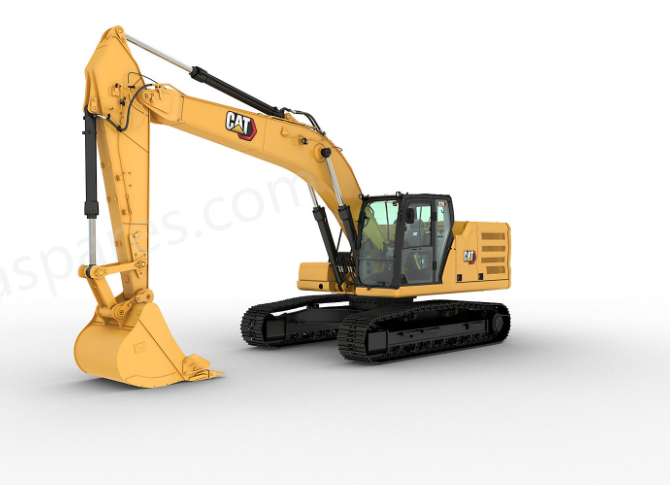
 CAT Excavator 326Premium Performance with Simple-to-Use Technologies
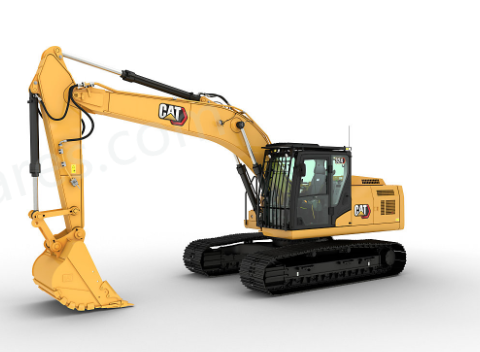
The Cat® 326 Excavator brings premium performance with simple-to-use technologies to boost your operator efficiencies. Combine these features with an ergonomic cab, longer maintenance intervals, and a power system that reduces fuel and you have a low-cost-per-unit-of-production excavator that’s perfect for medium to heavy-duty applications. CAT Excavator 324Heavy-Duty Muscle Built to Outperform
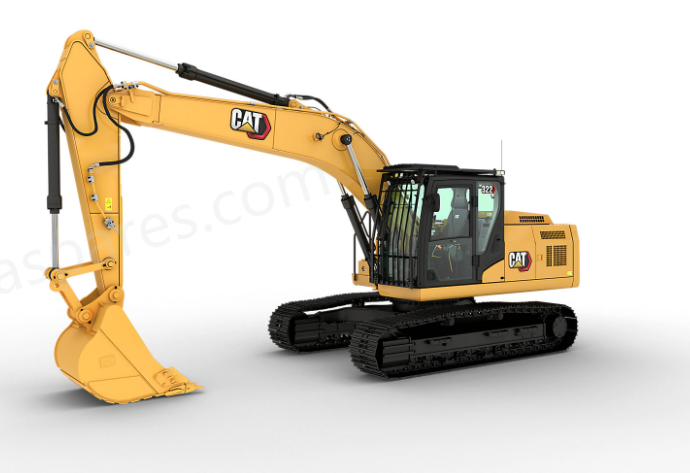
The Cat® 324 excavator is built to handle high-production workloads with the perfect balance of brute strength and refined control. Its powerful Cat® C7.1 engine, high-flow hydraulics, and advanced electrohydraulic system give you the muscle to move heavy material fast, without burning through your budget. With reinforced structures, field-proven durability, and easy-to-maintain components, the 324 is your go-to solution for tackling tough jobs with less downtime. CAT Excavator 322Profit-Driven Powerhouse for Heavy Loads
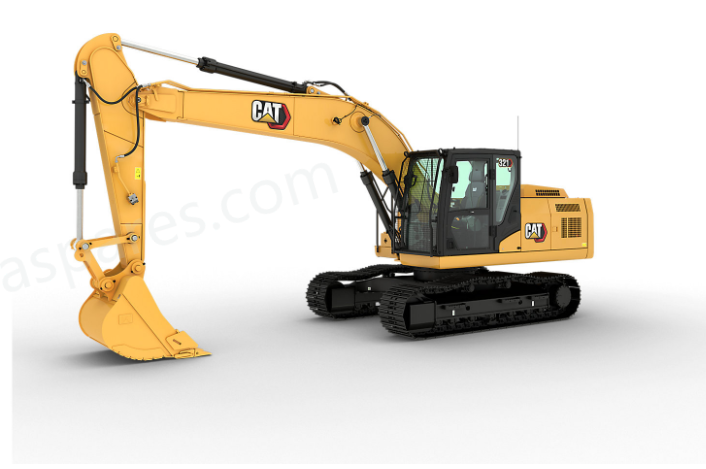
When you need muscle, precision, and cost control in one machine, the Cat® 322 excavator delivers. Purpose-built for high production, the 322 pairs fast cycle times with large bucket options to move more material in fewer passes. Its responsive electrohydraulic controls and rugged design keep you productive on the tough jobs, while smart fuel efficiency and streamlined maintenance help you stay profitable every step of the way. Whether you’re loading, trenching, or lifting, the 322 is a heavy-duty workhorse that pays you back. CAT Excavator 321Versatility at the Lowest Cost Per Hour
Powered by the reliable Cat® C3.6 engine, the Cat® 321 excavator delivers high torque and fast cycle times to maximize productivity. Reinforced Cat structures extend machine life and withstand the toughest conditions, while the latest cab design puts operator safety and comfort first. Every core system undergoes rigorous testing, so you can count on consistent, reliable performance shift after shift.