-News Center-
OEM vs Aftermarket 5338057: Which Option Makes More Sense for Fleet Maintenance?
OEM vs Aftermarket 5338057: Which Option Makes More Sense for Fleet Maintenance?
When fleets evaluate replacement strategies, the choice between OEM and aftermarket 5338057 parts can directly affect uptime, cost control, and long-term equipment reliability.
For companies running construction machinery at scale, that decision is rarely just about unit price. It is about risk, service intervals, and operational stability.
This article breaks down how OEM and aftermarket 5338057 options perform in daily fleet maintenance, and where each one fits best.
Why 5338057 Matters in Fleet Maintenance
The 5338057 part is not simply a line item in a purchasing list. In many maintenance plans, it is tied to system performance, service timing, and machine availability.
If 5338057 fails early, the visible cost is replacement. The hidden cost is often downtime, delayed jobs, technician hours, and possible secondary wear.
That is why the OEM versus aftermarket 5338057 decision should be based on total operating impact, not purchase price alone.
What You Get with OEM 5338057
OEM 5338057 parts are built to the original equipment specification. That usually means predictable fit, documented compatibility, and more stable quality control.
For fleets with mixed jobsite pressure and tight uptime targets, OEM can reduce uncertainty during scheduled maintenance and emergency replacement.
OEM 5338057 often makes sense when machines are newer, under warranty, or assigned to critical projects where failure carries a high business penalty.
- Consistent dimensions and material standards
- Lower risk of installation mismatch
- Clearer traceability and supplier accountability
- Better alignment with strict service policies
The trade-off, of course, is cost. OEM 5338057 pricing is usually higher, and lead times can be longer if stock is limited.
Where Aftermarket 5338057 Creates Value
Aftermarket 5338057 parts appeal to fleets that need flexibility. In practical terms, they can reduce procurement cost and improve parts availability.
That matters when older machines still generate strong value, but do not justify premium replacement spending on every component.
A well-made aftermarket 5338057 can perform reliably, especially when sourced from an experienced supplier with proven manufacturing and export controls.
- Lower upfront purchase cost
- More sourcing options across regions
- Useful for mature fleets and planned cost control
- Potentially faster replacement during urgent repairs
Still, not all aftermarket 5338057 options are equal. Performance depends heavily on process consistency, supplier support, and application fit.
The Real Risks Behind the Price Gap
The biggest mistake is comparing OEM and aftermarket 5338057 by invoice value only. The smarter comparison is total lifecycle cost.
A lower-cost part loses its advantage if it shortens service intervals, increases labor frequency, or triggers unplanned shutdowns.
On the other hand, paying more for OEM 5338057 may not always create extra value if the application is low-risk and the supplier quality gap is small.
A Smarter Way to Evaluate 5338057 Options
A practical purchasing decision starts with machine criticality. Ask which assets must stay running, and which assets allow more cost flexibility.
Then review maintenance history. If 5338057 has a direct influence on hydraulic efficiency, service cost, or repeat failures, testing quality becomes even more important.
For example, related hydraulic components such as 5338618 Z52281009 TUBE AS are often evaluated not only by fit, but by lifecycle value.
In hydraulic systems, stable part quality helps maintain peak efficiency, lower service expenses, and reduce unexpected downtime across the machine lifecycle.
This is where experienced suppliers matter. TerraMech brings more than two decades of engineering machinery experience and supports globally recognized brands across parts demand.
That background is especially useful when fleets need branded equipment support, broad model matching, and one-stop OEM or ODM customization options.
When OEM Makes More Sense
- Machines are under warranty or near-new
- Downtime has a direct impact on project delivery
- The 5338057 part affects core system reliability
- Internal policy requires strict original specification parts
In these cases, OEM 5338057 is often the safer operational choice, even if the purchasing cost is higher.
When Aftermarket Makes More Sense
- The fleet includes aging but productive assets
- Budget discipline is a major purchasing goal
- The supplier can verify quality and compatibility
- Parts availability matters more than brand labeling alone
In these situations, aftermarket 5338057 can deliver better value, especially when paired with supplier validation and performance tracking.
Final Decision: Cost Alone Is Not the Answer
The best 5338057 strategy is rarely all OEM or all aftermarket. Many successful fleets use a tiered approach based on risk, asset age, and jobsite importance.
Use OEM 5338057 where failure is expensive. Use qualified aftermarket 5338057 where lifecycle economics clearly support it.
That approach creates a more balanced maintenance model, with stronger uptime protection and better long-term cost control.
If the goal is smarter fleet maintenance, start by reviewing usage conditions, supplier capability, and the real operating role of 5338057 before the next purchase cycle.
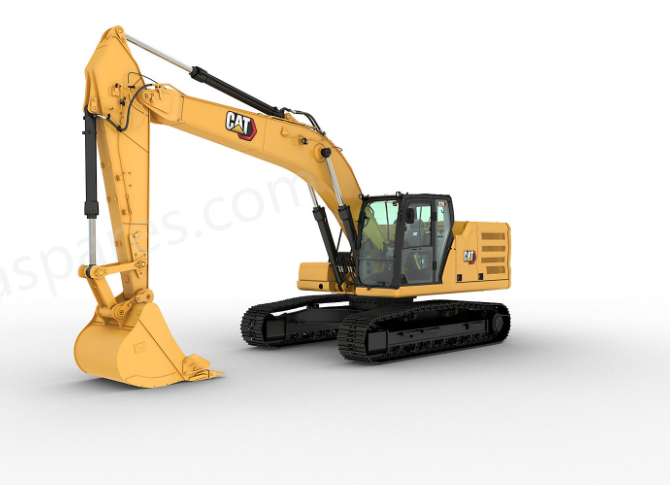
 CAT Excavator 326Premium Performance with Simple-to-Use Technologies
The Cat® 326 Excavator brings premium performance with simple-to-use technologies to boost your operator efficiencies. Combine these features with an ergonomic cab, longer maintenance intervals, and a power system that reduces fuel and you have a low-cost-per-unit-of-production excavator that’s perfect for medium to heavy-duty applications. CAT Excavator 324Heavy-Duty Muscle Built to Outperform
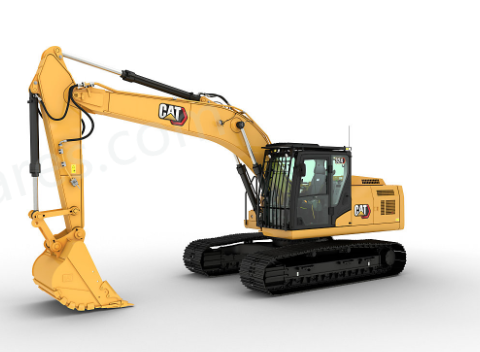
The Cat® 324 excavator is built to handle high-production workloads with the perfect balance of brute strength and refined control. Its powerful Cat® C7.1 engine, high-flow hydraulics, and advanced electrohydraulic system give you the muscle to move heavy material fast, without burning through your budget. With reinforced structures, field-proven durability, and easy-to-maintain components, the 324 is your go-to solution for tackling tough jobs with less downtime. CAT Excavator 322Profit-Driven Powerhouse for Heavy Loads
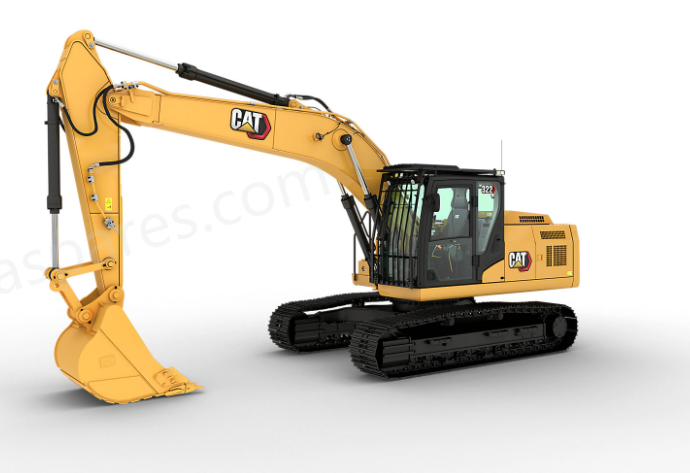
When you need muscle, precision, and cost control in one machine, the Cat® 322 excavator delivers. Purpose-built for high production, the 322 pairs fast cycle times with large bucket options to move more material in fewer passes. Its responsive electrohydraulic controls and rugged design keep you productive on the tough jobs, while smart fuel efficiency and streamlined maintenance help you stay profitable every step of the way. Whether you’re loading, trenching, or lifting, the 322 is a heavy-duty workhorse that pays you back. CAT Excavator 321Versatility at the Lowest Cost Per Hour
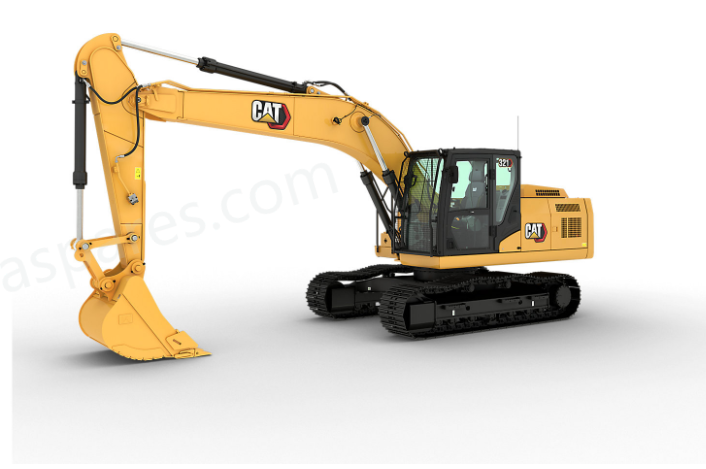
Powered by the reliable Cat® C3.6 engine, the Cat® 321 excavator delivers high torque and fast cycle times to maximize productivity. Reinforced Cat structures extend machine life and withstand the toughest conditions, while the latest cab design puts operator safety and comfort first. Every core system undergoes rigorous testing, so you can count on consistent, reliable performance shift after shift.