-News Center-
Why Traceability Matters When Choosing 5371024 Pulley Spare Parts for Fleets
Why Traceability Matters When Choosing 5371024 Pulley Spare Parts for Fleets
For dealers, distributors, and fleet-focused agents, choosing 5371024 PULLEY SEM WHEEL LOADER PULLEY SPARE PARTS is not only about fit and price. The real issue is whether you can trace where the part came from, what batch it belongs to, and whether the supplier can stand behind it when a machine is down in the field. In fleet work, a pulley that fails early rarely stays a single-part problem. It can trigger belt wear, service delays, operator complaints, and awkward calls with customers who expected a machine back on schedule.
That is why experienced buyers usually treat traceability as part of cost control. A cheaper pulley with weak documentation often becomes the expensive option once repeat replacement, freight, labor, and downtime are counted. If you are sourcing for multiple loaders, or supplying customers who run mixed SEM fleets, this is the checklist worth using before you place the order.
Start with the part identity, not the quote
A surprising number of purchasing mistakes start with a part number that looks right but is tied to the wrong machine configuration. Before comparing offers, confirm what the supplier is matching against: OEM number, machine model, serial range, and application position. For 5371024 PULLEY SEM WHEEL LOADER PULLEY SPARE PARTS, that means you should not accept “fits SEM loader” as a complete answer.
- Ask for the full reference basis: part number, equipment model, and if available, exploded diagram position.
- Check whether the supplier is quoting an exact replacement or an interchangeable alternative.
- If your customer fleet includes older and newer units under the same model family, confirm there was no supersession or design revision.
This sounds basic, but it is where many avoidable returns come from.
What traceability should actually include
Some suppliers use the word “traceable” very loosely. In practice, usable traceability means you can follow the part back through a documented chain. At minimum, a fleet buyer should be looking for a batch or lot reference, manufacturing source, packing label consistency, and commercial paperwork that matches what is physically delivered.
If a shipment arrives with mixed labels, missing batch marks, or cartons that do not match the invoice description, pause there. It does not automatically mean the part is bad, but it does mean you have lost control of verification. That becomes a problem later when one pulley in a shipment fails and you need to isolate affected stock.
Inspect the supplier’s habits, not just the sample part
A clean sample proves very little if the supplier cannot repeat it order after order. The better question is whether they work in a controlled, predictable way. Ask how they handle part identification, inbound inspection, and replacement claims. You do not need a long presentation. You need direct answers.
This is often where an established machinery parts supplier separates itself from a trading-only source. TerraMech, with long experience across brands such as SEM, Caterpillar, Komatsu, Volvo, Shantui, XCMG, SDLG, Weichai, and SDEC, is operating in the part of the market where buyers usually expect clearer product sourcing and steadier export handling. That does not replace your own checks, but it changes the starting point of the conversation.
A practical sign of maturity is whether the supplier can discuss related consumables and drive components in the same system, not as random line items. For example, if you are reviewing loader air-conditioning or belt-driven service items around the same machine platform, products like 5221968 W48000595 BELT SEM MACHINERY are easier to source correctly when the supplier understands application context instead of only part number trading.
Do the cost math the way fleet customers do it
Distributors sometimes get pushed into quote-only comparisons. That is understandable, but fleets do not feel cost at the invoice line alone. They feel it in service interruptions, emergency shipping, mechanic hours, and machine availability. A pulley that is 8% cheaper but causes one extra service event has already lost the comparison in most real operating environments.
When comparing suppliers, build your own internal landed-cost view:
- Unit price
- Freight and consolidation efficiency
- Claim response time
- Stock consistency across repeat orders
- Documentation support for your downstream customer
Once you score those factors, the “lowest price” offer often looks less attractive.
Watch for red flags that usually show up before a failure claim
Buyers who have handled enough warranty conversations tend to notice the same warning signs early:
- The supplier avoids sending clear label or packaging photos.
- Different sales staff describe the same part in different ways.
- There is no stable document trail between quotation, proforma invoice, and shipment.
- The supplier pushes immediate payment before technical confirmation is complete.
- Returned questions about fitment are answered with broad claims instead of drawings, labels, or application references.
None of these prove a part will fail. Together, they usually point to weak process control. That is exactly what traceability is supposed to protect you from.
For export orders, paperwork discipline matters more than people admit
If you supply fleets across borders, traceability is not only technical. It is commercial and operational. Part description consistency affects customs documents, warehouse receiving, and even whether your local team can match the stock to a later service claim. If your market requires specific import documents or labeling rules, verify them in advance because these vary by country and should be treated as 【待核实】 against current local requirements.
Suppliers with global customer service and export experience usually handle this better, especially when bundled orders include multiple SEM wheel loader parts. It reduces the chance of one loosely documented item delaying the whole shipment.
A short buying routine that saves trouble later
- Confirm the exact machine application for the 5371024 pulley.
- Request batch or lot trace details before payment.
- Match quote description, labels, and shipment documents line by line.
- Check whether related parts in the same drive or service system should be sourced together.
- Agree on claim handling before the order ships, not after the machine is down.
That last point gets ignored too often. If the supplier cannot explain what happens when a field issue appears, you are carrying more risk than the quote suggests.
When you are buying 5371024 PULLEY SEM WHEEL LOADER PULLEY SPARE PARTS for fleet customers, traceability is not paperwork for its own sake. It is what lets you defend your margin, protect uptime, and keep future orders from turning into quality disputes. Price still matters. It just matters after you know exactly what you are buying, where it came from, and who will answer for it.
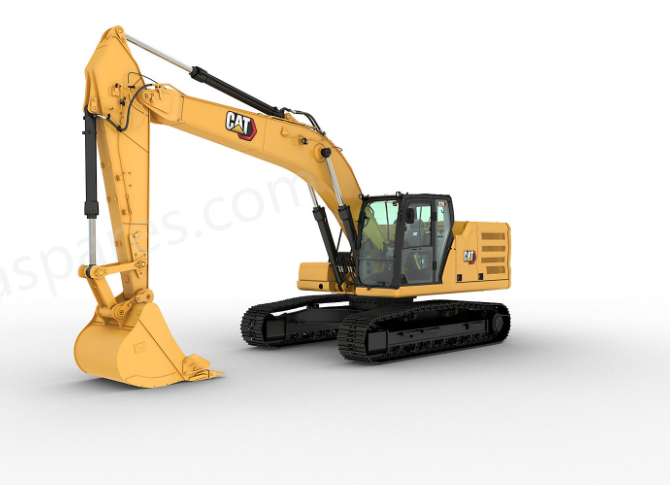
 CAT Excavator 326Premium Performance with Simple-to-Use Technologies
The Cat® 326 Excavator brings premium performance with simple-to-use technologies to boost your operator efficiencies. Combine these features with an ergonomic cab, longer maintenance intervals, and a power system that reduces fuel and you have a low-cost-per-unit-of-production excavator that’s perfect for medium to heavy-duty applications. CAT Excavator 324Heavy-Duty Muscle Built to Outperform
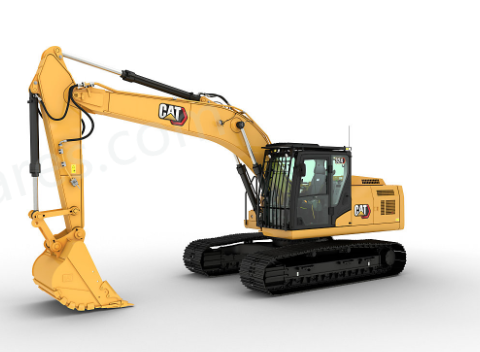
The Cat® 324 excavator is built to handle high-production workloads with the perfect balance of brute strength and refined control. Its powerful Cat® C7.1 engine, high-flow hydraulics, and advanced electrohydraulic system give you the muscle to move heavy material fast, without burning through your budget. With reinforced structures, field-proven durability, and easy-to-maintain components, the 324 is your go-to solution for tackling tough jobs with less downtime. CAT Excavator 322Profit-Driven Powerhouse for Heavy Loads
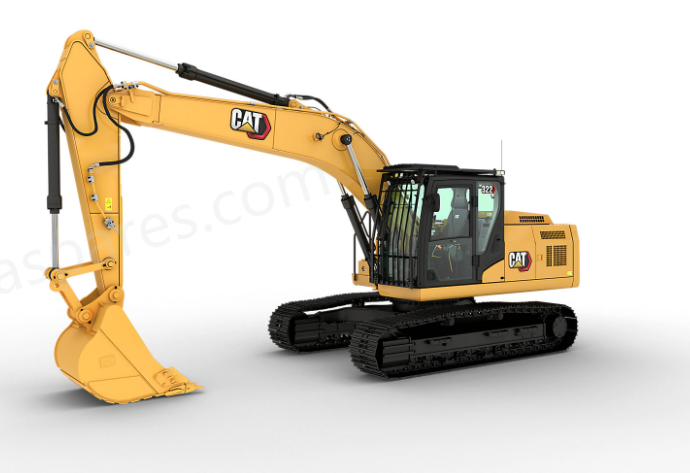
When you need muscle, precision, and cost control in one machine, the Cat® 322 excavator delivers. Purpose-built for high production, the 322 pairs fast cycle times with large bucket options to move more material in fewer passes. Its responsive electrohydraulic controls and rugged design keep you productive on the tough jobs, while smart fuel efficiency and streamlined maintenance help you stay profitable every step of the way. Whether you’re loading, trenching, or lifting, the 322 is a heavy-duty workhorse that pays you back. CAT Excavator 321Versatility at the Lowest Cost Per Hour
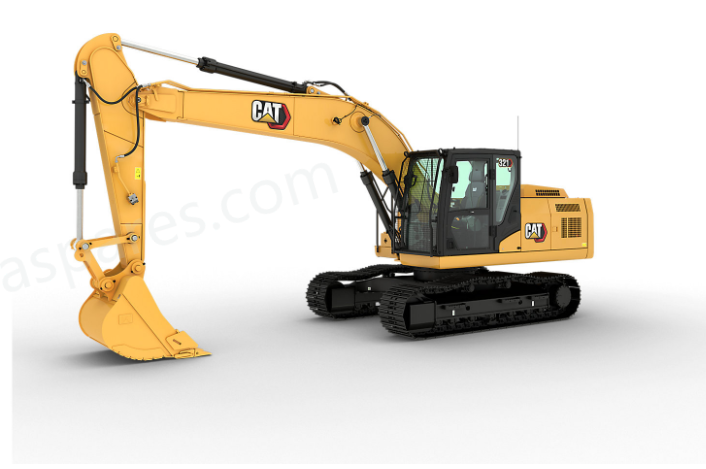
Powered by the reliable Cat® C3.6 engine, the Cat® 321 excavator delivers high torque and fast cycle times to maximize productivity. Reinforced Cat structures extend machine life and withstand the toughest conditions, while the latest cab design puts operator safety and comfort first. Every core system undergoes rigorous testing, so you can count on consistent, reliable performance shift after shift.