-News Center-
Common Installation Mistakes That Can Shorten the Service Life of 5224345
Common Installation Mistakes That Can Shorten the Service Life of 5224345
Even a high-quality part like 5224345 can fail early if it is installed incorrectly. For equipment operators and maintenance teams, small mistakes during fitting, alignment, or tightening may lead to faster wear, unexpected downtime, and higher repair costs. Understanding these common installation errors is the first step to protecting machine performance and extending the service life of 5224345.
In field service, early failure is often blamed on part quality. Sometimes that is true. Just as often, the real problem starts on the workbench: dirt on the mounting surface, rushed tightening, reused seals, or a part forced into position when it should have dropped in smoothly. If you work around excavators, loaders, or other heavy equipment long enough, you start seeing the same patterns repeat.
Check the Part Before It Ever Reaches the Machine
One of the most common mistakes with 5224345 installation is starting the job before confirming the part itself. Operators and technicians sometimes assume that if the label looks right, the component must be right. That is not enough.
- Check the part number against the machine manual or parts list.
- Inspect for shipping damage, edge burrs, dents, or thread distortion.
- Compare critical dimensions with the old part if the application allows it.
- Confirm you have the matching seals, fasteners, shims, or washers required for the job.
A surprising number of service-life problems begin with “almost correct” parts. If 5224345 feels tight before final seating, do not assume it will settle during operation. That kind of thinking usually ends in scoring, uneven load, or a leak path opening up after a few hours.
Dirty Mounting Surfaces Ruin Good Parts Fast
This is the simplest mistake and one of the most expensive. Dust, old gasket residue, metal flakes, and hardened grease can stop 5224345 from sitting squarely. The part may appear installed, but the contact surface is no longer even. That creates stress concentration, poor sealing, or misalignment from the first startup.
A clean rag is not always enough. If the seat has corrosion, old sealant buildup, or impact marks, clean it properly and inspect it under good light. Run a finger across the surface. If you can feel raised material, the new part will feel it too. On heavy machines working in dirt, quarry dust, or demolition conditions, this matters even more because contamination spreads everywhere during disassembly.
Forcing Alignment Is a Short Cut to Early Wear
If 5224345 has to be pried, hammered, or pulled hard into place with bolts, stop and find out why. Parts that are meant to align should seat with controlled pressure, not brute force. Forcing fitment often damages edges, distorts housings, and puts the component under constant side load.
This shows up later as heat, vibration, uneven wear marks, or repeat failures that seem mysterious until someone checks the mounting geometry. Bent brackets, worn mating parts, and accumulated housing damage are common hidden causes. Replacing only 5224345 without correcting those conditions usually wastes the replacement.
On machines used in excavator applications, especially units with long operating hours, surrounding wear can be the real story. That is one reason experienced buyers often look at the full operating environment, not just the replacement part. The same thinking applies when evaluating machines like the CAT Excavator 323 GC, where durable design and longer service intervals help, but correct maintenance practice still decides whether components reach their expected life.
Wrong Torque Is Still One of the Biggest Installation Errors
Overtightening gets less attention than loose fasteners, but both are bad. Too loose, and the part can shift, vibrate, or leak. Too tight, and you may crush a sealing surface, stretch a bolt, distort a flange, or damage threads in the housing.
The practical check is simple: use the manufacturer’s torque specification when available. If that spec is not on hand, do not guess. Marking bolts by feel is common on site, but it is also how repeat jobs are created. Tighten in sequence where required, especially on components that depend on even clamping pressure. Uneven tightening can make 5224345 fail even when the final numbers seem close.
Also pay attention to lubrication on threads if the procedure calls for it. Dry torque and lubricated torque are not interchangeable. If the service documentation is unclear, mark that point as 【待核实】 instead of improvising.
Reusing Old Seals, O-Rings, or Fasteners
This one usually happens when a machine is needed back on the job quickly. Someone says the old seal “still looks fine,” or the original bolts “should be okay for one more round.” Sometimes you get away with it. Many times you do not.
Compressed seals may not recover their shape. Old O-rings can nick during reassembly. Fasteners exposed to heavy vibration, heat cycles, or corrosion may no longer clamp consistently. If 5224345 depends on correct sealing or precise retention, reused support hardware can shorten its life before the machine even leaves the bay.
Dry Starts and Poor Lubrication During Assembly
Some parts should never go in dry. Others should stay absolutely free from the wrong lubricant. The problem is that teams sometimes apply grease or oil as a universal habit without checking material compatibility or installation guidance.
For 5224345, the safe approach is to verify whether the contact surfaces, seals, or moving interfaces require pre-lubrication, assembly paste, or clean dry installation. Using the wrong product can swell elastomers, attract abrasive dust, or interfere with locking compounds. Using nothing when lubrication is required can create scoring during first motion.
Skipping the First Run Inspection
A clean install is not the end of the job. The first few minutes of operation often reveal whether 5224345 was fitted correctly. Noise, heat, slight weeping, vibration, or movement at the mounting point usually show up early.
- Run the machine at light load first if operating conditions allow.
- Check for leaks, unusual sound, and fastener relaxation.
- Reinspect alignment marks or witness marks after the first operating cycle.
- Record what was replaced and any torque values used for future troubleshooting.
This follow-up matters even on modern, operator-friendly equipment. Machines such as the CAT Excavator 323 GC are built for easy controls, fuel efficiency, and lower cost per hour, but no machine design can compensate for an unchecked installation error.
One More Thing Operators Often Notice Before the Shop Does
Operators usually catch the first signs: a new vibration, a smell, a temperature change, or a machine that does not feel right after maintenance. That feedback should not be brushed aside. Many service-life issues with 5224345 start small and become expensive only because the early warning was ignored.
If you want 5224345 to last, the checklist is not complicated. Confirm the part, clean the seat, avoid forced fitment, use the right torque, replace supporting seals and hardware where needed, and watch the first run closely. Most early failures come from missing one of those basics, not from anything mysterious.
At TerraMech, after more than two decades in construction machinery and branded parts supply, the pattern is familiar: the parts that last are usually the parts installed with patience. In heavy equipment maintenance, careful fitting is not extra work. It is the job.
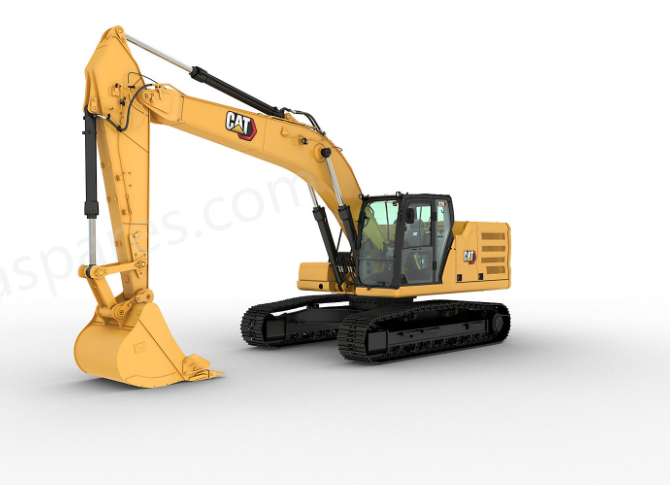
 CAT Excavator 326Premium Performance with Simple-to-Use Technologies
The Cat® 326 Excavator brings premium performance with simple-to-use technologies to boost your operator efficiencies. Combine these features with an ergonomic cab, longer maintenance intervals, and a power system that reduces fuel and you have a low-cost-per-unit-of-production excavator that’s perfect for medium to heavy-duty applications. CAT Excavator 324Heavy-Duty Muscle Built to Outperform
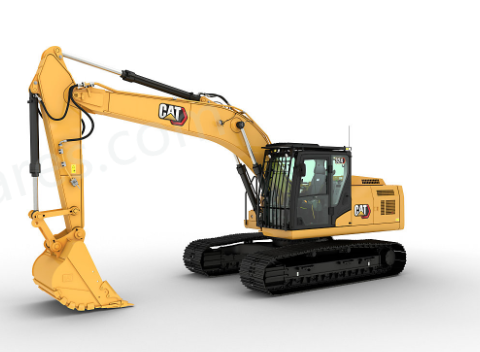
The Cat® 324 excavator is built to handle high-production workloads with the perfect balance of brute strength and refined control. Its powerful Cat® C7.1 engine, high-flow hydraulics, and advanced electrohydraulic system give you the muscle to move heavy material fast, without burning through your budget. With reinforced structures, field-proven durability, and easy-to-maintain components, the 324 is your go-to solution for tackling tough jobs with less downtime. CAT Excavator 322Profit-Driven Powerhouse for Heavy Loads
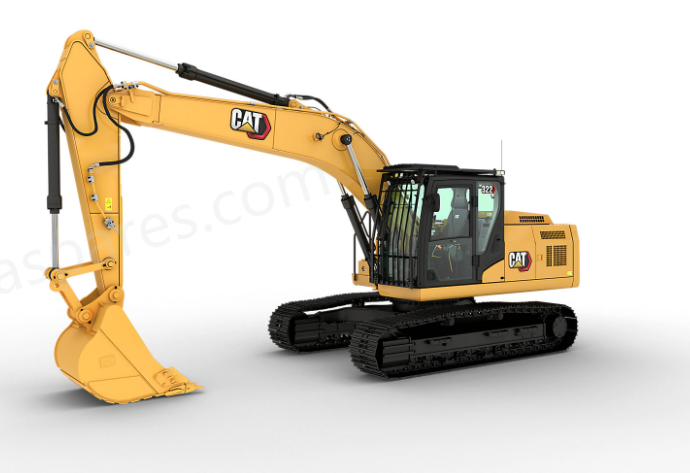
When you need muscle, precision, and cost control in one machine, the Cat® 322 excavator delivers. Purpose-built for high production, the 322 pairs fast cycle times with large bucket options to move more material in fewer passes. Its responsive electrohydraulic controls and rugged design keep you productive on the tough jobs, while smart fuel efficiency and streamlined maintenance help you stay profitable every step of the way. Whether you’re loading, trenching, or lifting, the 322 is a heavy-duty workhorse that pays you back. CAT Excavator 321Versatility at the Lowest Cost Per Hour
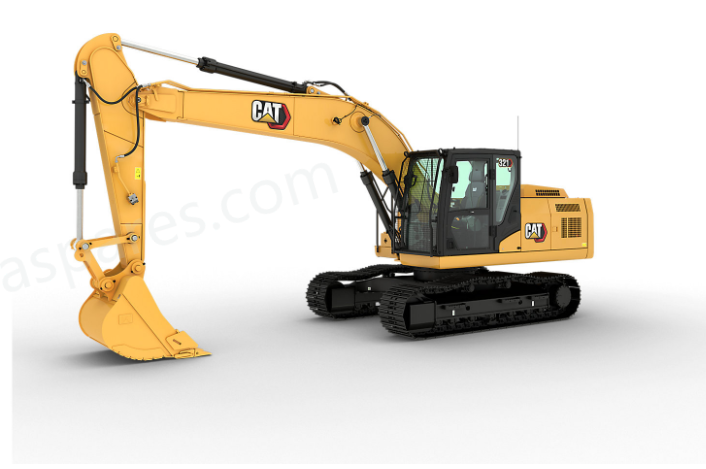
Powered by the reliable Cat® C3.6 engine, the Cat® 321 excavator delivers high torque and fast cycle times to maximize productivity. Reinforced Cat structures extend machine life and withstand the toughest conditions, while the latest cab design puts operator safety and comfort first. Every core system undergoes rigorous testing, so you can count on consistent, reliable performance shift after shift.