-News Center-
Filter Parts Buying Guide: How Material and Micron Rating Affect Performance
Choosing filter parts is rarely a routine line item in construction machinery procurement. Material selection and micron rating shape how well a machine handles dust, moisture, metal particles, and fluid contamination. That directly affects uptime, service intervals, and total operating cost. In fleets working across loaders, excavators, and engines from major global brands, a filter that looks similar on paper can perform very differently in the field.
Why material and micron rating deserve closer attention
Filter parts are designed to separate unwanted particles from air, fuel, oil, or hydraulic fluid. Their job sounds simple, but the consequences of getting specifications wrong are expensive.
A filter with poor media strength may collapse under pressure. One with the wrong micron rating may either pass harmful particles or restrict flow too early. Both outcomes increase wear and shorten component life.
This matters even more in construction machinery, where working conditions are rarely clean or stable. Dust-heavy sites, changing temperatures, long operating hours, and vibration all test filter performance beyond basic catalog descriptions.
What micron rating really tells you
Micron rating describes the particle size a filter can capture. One micron is extremely small, but the number alone does not tell the whole story.
A lower micron rating usually means finer filtration. That can protect sensitive systems better, especially in hydraulic circuits and fuel systems with tight tolerances.
However, finer is not always better. If the rating is too tight for the system, pressure drop can rise, flow can suffer, and maintenance intervals may become shorter than expected.
The practical question is not simply, “How fine is the filter?” It is whether the filter parts match the contamination profile, flow demand, and equipment design.
Common buying mistakes around micron ratings
- Comparing micron numbers without checking efficiency standards
- Using one rating across different systems
- Assuming aftermarket replacements behave like OEM specifications
- Ignoring how dirt-holding capacity affects service life
How filter material changes real-world performance
Filter media is where performance becomes tangible. Cellulose, synthetic media, blended materials, and wire-backed structures each serve different operating priorities.
Cellulose media is often cost-effective and suitable for less demanding environments. It can work well in standard duty cycles, but moisture resistance and consistency may be limited.
Synthetic media usually provides better particle capture, stronger structure, and longer service life. In severe environments, it often delivers more stable filtration across the maintenance cycle.
Blended media sits between the two, balancing cost and durability. For many fleets, this becomes a practical middle ground when operating conditions vary by project or season.
Where the buying decision becomes operational
The right filter parts should be evaluated against the machine system, not in isolation. Air intake, lubrication, hydraulics, and fuel delivery each have different contamination risks and tolerance limits.
For example, hydraulic systems often need tighter contamination control because particle damage affects valves, pumps, and precision surfaces. Engine air filtration, meanwhile, must balance airflow with dust retention.
This system-level thinking also supports adjacent component decisions. In wheel loader drivetrains, contamination control works alongside robust transmission parts that absorb torque and repeated impact loads.
A component such as 5533498 W028000000B TORQUE CONVERTER reflects that broader principle. In SEM660D wheel loader applications, drivetrain reliability depends on both durable power-transfer parts and clean operating fluids.
What the market is paying attention to now
Current demand in mechanical parts is shifting toward longer service intervals, predictable supply, and compatibility with branded equipment. Buyers are under pressure to reduce lifecycle cost, not just purchase price.
That is why filter parts are now reviewed alongside maintenance planning, equipment utilization, and supplier consistency. A cheaper filter that triggers earlier replacement or secondary wear is rarely the low-cost option.
TerraMech operates in this context, supplying machinery and parts across brands including Caterpillar, Komatsu, Volvo, SEM, Shantui, XCMG, SDLG, Weichai, and SDEC. That cross-brand experience matters because filter compatibility and service expectations are not identical across platforms.
Signals worth checking before placing an order
- Application type: engine, hydraulic, fuel, air, or transmission
- Media construction and burst resistance
- Micron efficiency under operating flow, not static claims alone
- Seal quality, housing fit, and temperature tolerance
- Supplier ability to support mixed-brand fleets over time
A practical way to compare filter parts
A useful comparison starts with the machine manual, but it should not end there. Site dust level, fuel cleanliness, climate, operating hours, and maintenance discipline all influence the right choice.
If the equipment runs in abrasive, high-load conditions, stronger media and better dirt-holding capacity usually justify the added cost. If maintenance windows are predictable and conditions are moderate, a balanced option may be sufficient.
It also helps to compare filter parts against failure history. Repeated injector issues, hydraulic wear, or shortened oil life often point to a filtration mismatch rather than a single defective component.
The next step is to create a short evaluation matrix by system, contamination risk, and service target. That makes it easier to standardize purchasing decisions, screen alternatives, and align filter selection with overall equipment reliability goals.
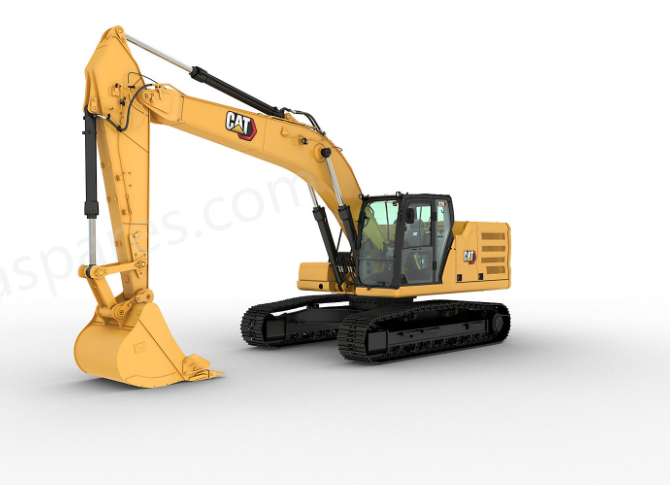
 CAT Excavator 326Premium Performance with Simple-to-Use Technologies
The Cat® 326 Excavator brings premium performance with simple-to-use technologies to boost your operator efficiencies. Combine these features with an ergonomic cab, longer maintenance intervals, and a power system that reduces fuel and you have a low-cost-per-unit-of-production excavator that’s perfect for medium to heavy-duty applications. CAT Excavator 324Heavy-Duty Muscle Built to Outperform
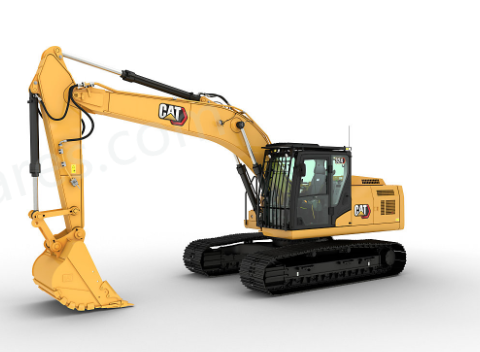
The Cat® 324 excavator is built to handle high-production workloads with the perfect balance of brute strength and refined control. Its powerful Cat® C7.1 engine, high-flow hydraulics, and advanced electrohydraulic system give you the muscle to move heavy material fast, without burning through your budget. With reinforced structures, field-proven durability, and easy-to-maintain components, the 324 is your go-to solution for tackling tough jobs with less downtime. CAT Excavator 322Profit-Driven Powerhouse for Heavy Loads
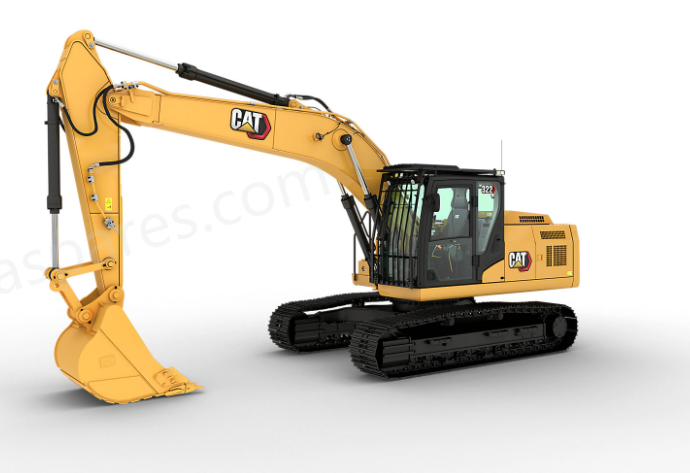
When you need muscle, precision, and cost control in one machine, the Cat® 322 excavator delivers. Purpose-built for high production, the 322 pairs fast cycle times with large bucket options to move more material in fewer passes. Its responsive electrohydraulic controls and rugged design keep you productive on the tough jobs, while smart fuel efficiency and streamlined maintenance help you stay profitable every step of the way. Whether you’re loading, trenching, or lifting, the 322 is a heavy-duty workhorse that pays you back. CAT Excavator 321Versatility at the Lowest Cost Per Hour
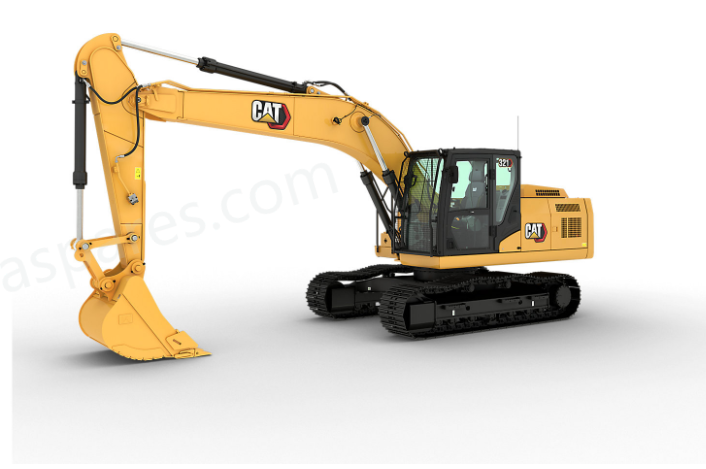
Powered by the reliable Cat® C3.6 engine, the Cat® 321 excavator delivers high torque and fast cycle times to maximize productivity. Reinforced Cat structures extend machine life and withstand the toughest conditions, while the latest cab design puts operator safety and comfort first. Every core system undergoes rigorous testing, so you can count on consistent, reliable performance shift after shift.