-News Center-
5230037 Z520030791 Pin SEM Spare Parts: What Dimensions Matter Most
When evaluating 5230037 Z520030791 PIN SEM SPARE PARTS, dimensional accuracy is the first checkpoint, not a secondary detail. A replacement pin may look correct at a glance, yet small differences in diameter, length, groove position, or tolerance can change load transfer, accelerate bushing wear, and create avoidable downtime. In SEM machinery, where pin-joint reliability affects attachment stability and structural life, understanding which measurements deserve the closest review helps turn a part number into a sound technical decision.
Why pin dimensions carry more weight than they seem
Pins are simple components, but they sit at critical movement points. They connect arms, linkages, brackets, and chassis-related assemblies where force is repeated, directional, and often uneven.
For 5230037 Z520030791 PIN SEM SPARE PARTS, the dimensional profile determines whether the pin seats correctly, rotates as intended, and shares stress with mating parts instead of concentrating it.
That matters across the broader mechanical parts market as well. TerraMech, with more than twenty years in branded construction machinery and components, works across SEM, Shantui, Caterpillar, Komatsu, Volvo, XCMG, SDLG, Weichai, and SDEC platforms, where dimensional mismatches remain one of the most common causes of premature replacement.
The measurements that deserve priority
Not every measurement has the same impact. Some dimensions directly govern fit, while others affect retention, lubrication, and long-term wear behavior.
Outer diameter and tolerance
The outer diameter is usually the most sensitive value. If it is undersized, the pin may move excessively inside the bore. If oversized, installation force rises and bushing damage becomes likely.
Tolerance matters as much as nominal size. A pin listed with the correct diameter but poor machining control can still fail the application.
Working length and overall length
Working length defines the bearing area inside the joint. Overall length affects how the pin aligns with side plates, washers, seals, or locking hardware.
In 5230037 Z520030791 PIN SEM SPARE PARTS selection, these two values should be checked separately. Treating them as the same number often leads to field-fit problems.
Grooves, cross-holes, and locking features
Retention details are easy to overlook. Groove width, groove depth, and hole position must match the machine’s locking method.
A pin with the right diameter but the wrong retaining geometry may install temporarily, then loosen during operation.
Chamfer, shoulder, and end shape
Lead-in chamfers help prevent edge scoring during installation. Shoulder dimensions can also define axial location, especially in compact linkage assemblies.
These are not decorative machining details. They affect assembly speed and the repeatability of fit.
How dimensions influence service life
Dimension errors rarely stay isolated. They usually trigger a chain reaction across adjacent parts.
This is why 5230037 Z520030791 PIN SEM SPARE PARTS should be reviewed as part of a joint system, not as a standalone steel item. Pin, bushing, seal, washer, and bracket geometry work together.
Where evaluators usually see problems
The highest risk often appears in replacement situations where the old part has already worn surrounding bores. A new pin may match the drawing, yet still feel incorrect in a worn housing.
Another common issue is relying only on part numbers from mixed supply histories. Machines in the field may carry earlier repairs, local modifications, or non-original bushings.
- Measure the removed pin and the receiving bore independently.
- Check whether wear is uniform or concentrated on one side.
- Confirm the actual retention method before ordering.
- Review hardness, finish, and lubrication path with the dimensions.
That broader review approach is increasingly common in parts support. In related underground chassis parts discussions, the same logic applies when assessing systems around items such as NT855-C280(BC3) Shantui Genuine Engine, where surrounding fit conditions often matter as much as the listed specification itself.
Useful context beyond the drawing
A technically correct choice is not based on dimensions alone. Surface hardness, coating condition, and material quality influence whether the measured fit stays stable after installation.
For 5230037 Z520030791 PIN SEM SPARE PARTS, documentation quality also matters. Clear traceability, consistent machining, and responsive technical support reduce evaluation time and improve confidence before shipment.
This is one reason experienced supply partners remain relevant. TerraMech’s background in branded machinery parts, global service, fast response, and customization support reflects the practical side of spare-parts evaluation: a dimension sheet is useful, but usable guidance is often what prevents the wrong order.
A practical way to verify 5230037 Z520030791 PIN SEM SPARE PARTS
A structured review does not need to be complicated. It needs to be consistent.
- Start with nominal diameter, tolerance, and working length.
- Verify groove, hole, shoulder, and chamfer dimensions.
- Compare the new pin against the mating bushing condition.
- Check whether lubrication passages or seal interfaces are present.
- Confirm supplier support for cross-checking, especially on mixed-brand fleets.
If a replacement decision still feels uncertain, the next step is usually clear: validate the joint as an assembly, compare actual field measurements with the parts record, and rank the dimensions by operational consequence. That approach gives 5230037 Z520030791 PIN SEM SPARE PARTS a more reliable place in maintenance planning, cost control, and equipment uptime.
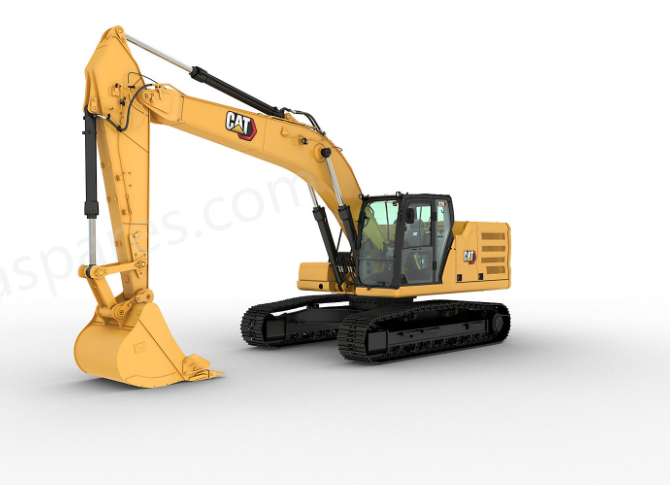
 CAT Excavator 326Premium Performance with Simple-to-Use Technologies
The Cat® 326 Excavator brings premium performance with simple-to-use technologies to boost your operator efficiencies. Combine these features with an ergonomic cab, longer maintenance intervals, and a power system that reduces fuel and you have a low-cost-per-unit-of-production excavator that’s perfect for medium to heavy-duty applications. CAT Excavator 324Heavy-Duty Muscle Built to Outperform
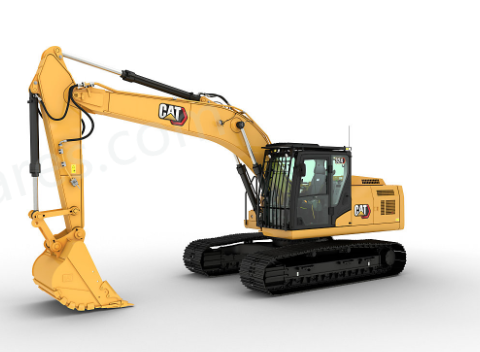
The Cat® 324 excavator is built to handle high-production workloads with the perfect balance of brute strength and refined control. Its powerful Cat® C7.1 engine, high-flow hydraulics, and advanced electrohydraulic system give you the muscle to move heavy material fast, without burning through your budget. With reinforced structures, field-proven durability, and easy-to-maintain components, the 324 is your go-to solution for tackling tough jobs with less downtime. CAT Excavator 322Profit-Driven Powerhouse for Heavy Loads
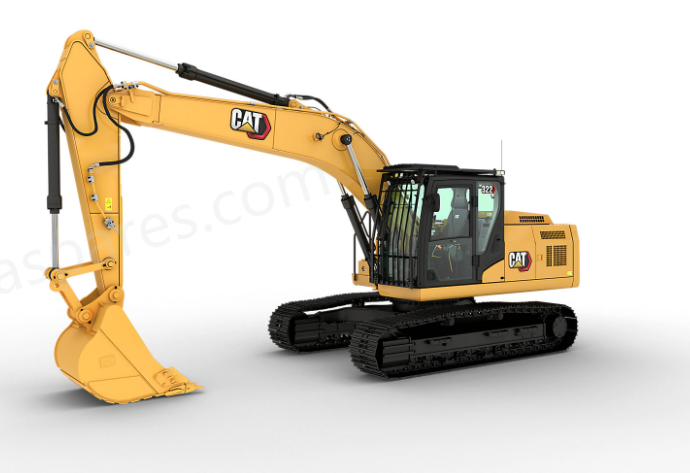
When you need muscle, precision, and cost control in one machine, the Cat® 322 excavator delivers. Purpose-built for high production, the 322 pairs fast cycle times with large bucket options to move more material in fewer passes. Its responsive electrohydraulic controls and rugged design keep you productive on the tough jobs, while smart fuel efficiency and streamlined maintenance help you stay profitable every step of the way. Whether you’re loading, trenching, or lifting, the 322 is a heavy-duty workhorse that pays you back. CAT Excavator 321Versatility at the Lowest Cost Per Hour
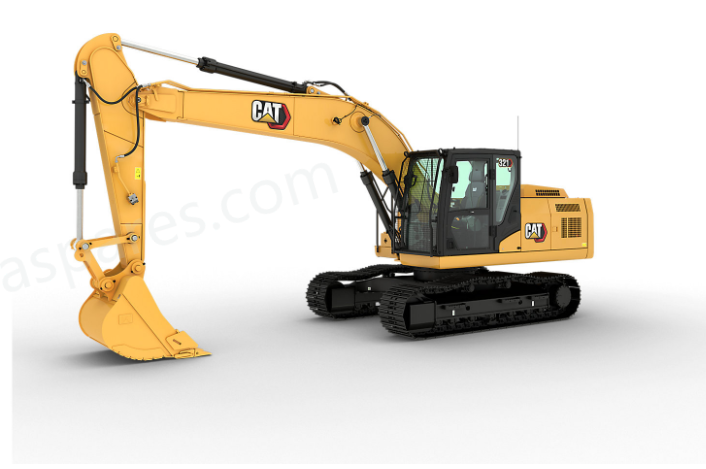
Powered by the reliable Cat® C3.6 engine, the Cat® 321 excavator delivers high torque and fast cycle times to maximize productivity. Reinforced Cat structures extend machine life and withstand the toughest conditions, while the latest cab design puts operator safety and comfort first. Every core system undergoes rigorous testing, so you can count on consistent, reliable performance shift after shift.