-News Center-
Common Failure Signs Linked to Worn Block Brake Pads
Worn block brake pads can trigger a chain of safety and performance issues in construction machinery, from reduced braking response to abnormal noise and uneven wear.
For aftermarket maintenance work, early detection matters. It helps reduce downtime, prevent secondary damage, and keep braking systems stable under demanding jobsite conditions.
This guide explains the most common failure signs linked to block brake pads, how to inspect them, and what practical decisions support safer, faster service.
What are the earliest warning signs of worn block brake pads?
The first sign is usually weaker braking response. Machines may need more pedal force or longer stopping distance during low-speed travel or loaded operation.
Another common signal is high-pitched squealing or grinding. These noises often appear when block brake pads become thin or the friction surface turns uneven.
Operators may also notice vibration during braking. This can point to glazed pads, heat spots, or contact problems between the pad and drum or disc.
Watch for these early symptoms:
- Longer stopping time
- Brake fade during repeated use
- Sharp or metallic noise
- Pulling to one side
- Burning smell after heavy braking
If several signs appear together, the block brake pads should be inspected immediately rather than adjusted repeatedly.
Why do worn block brake pads cause wider mechanical problems?
Block brake pads do not fail alone. Once friction material thins beyond limits, heat rises faster and spreads to nearby rotating and sealing parts.
This extra heat can damage drums, discs, springs, pins, seals, and hydraulic components. In severe cases, it changes braking geometry and accelerates uneven wear.
On construction machinery, this is especially risky because working cycles include dust, shock loads, slopes, and frequent stop-start movement.
A worn braking system may also affect undercarriage stability. Reliable chassis components are important in harsh environments, including underground chassis parts applications.
In broader maintenance planning, matching brake checks with undercarriage inspections can improve uptime. This is where parts quality across the machine becomes relevant.
For example, durable support parts such as 8190-MH-C4000S1-03 SHANTUI IDLER WHEEL SPARE PARTS help maintain structural reliability in demanding service conditions.
How can you inspect block brake pads accurately in the field?
Start with a visual check. Look for thinning friction material, cracking, edge chipping, oil contamination, glazing, and color changes caused by overheating.
Next, measure pad thickness against service limits. Do not rely only on appearance, because some block brake pads wear unevenly across the contact surface.
Then inspect related hardware. Return springs, adjusters, anchor points, and contact faces should move correctly and show no excessive scoring or looseness.
A useful field checklist includes:
- Measure pad thickness on both sides
- Check for oil, grease, or coolant contamination
- Inspect drum or disc surface condition
- Test pedal travel and response
- Review heat marks and odor after operation
If contamination is present, replacing only the block brake pads may not solve the issue. The leak source must be repaired first.
How do you tell normal wear from dangerous wear?
Normal wear is gradual and even. Dangerous wear is uneven, rapid, noisy, or linked to heat damage and machine instability.
Use this quick comparison table during service checks:
This distinction helps avoid two costly mistakes: replacing too late or replacing parts while the root cause remains untouched.
What maintenance mistakes shorten block brake pads life?
One frequent mistake is ignoring heat. Repeated braking on slopes or during overloaded travel can harden the friction layer and reduce braking efficiency.
Another issue is mixing low-quality parts with worn hardware. New block brake pads cannot perform well if drums, pins, or springs remain damaged.
Incorrect installation also matters. Poor seating, missed adjustment, or contaminated contact faces can create early noise and uneven wear patterns.
Good maintenance practice should include:
- Replace pads in axle sets when required
- Clean friction areas before assembly
- Inspect drums, discs, and linkages together
- Verify correct adjustment after installation
- Recheck performance after initial operating hours
Across heavy equipment fleets, dependable parts sourcing supports this process. TerraMech supplies branded machinery and components with broad model coverage and export experience.
When is replacement the smarter choice than continued adjustment?
Adjustment only works when wear remains within limits and the hardware is healthy. Once the friction material is near minimum thickness, adjustment adds risk.
Replacement is the better option when braking becomes inconsistent, noise persists, or the machine operates in high-load environments with strict uptime demands.
It is also smarter when inspection reveals related wear elsewhere. Strong machine reliability depends on durable supporting components throughout the chassis and brake system.
For harsh-duty applications, choosing robust parts with reliable construction and proven service support can reduce repeat maintenance and improve long-term operating stability.
Conclusion: how should you respond to block brake pads warning signs?
Block brake pads should never be treated as a minor consumable once clear warning signs appear. Delayed action often leads to greater repair cost and safety exposure.
Focus on response time, inspection accuracy, and root-cause diagnosis. Check wear patterns, heat damage, contamination, and related hardware before deciding on repair steps.
When maintenance planning includes both braking parts and undercarriage reliability, service outcomes improve. That approach supports better machine availability in demanding mechanical parts applications.
If your service plan also involves chassis support components, review options such as 8190-MH-C4000S1-03 SHANTUI IDLER WHEEL SPARE PARTS alongside brake inspections for a more complete maintenance strategy.
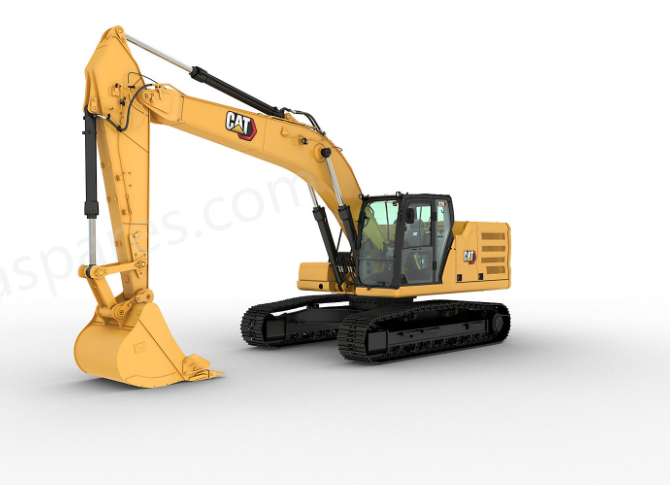
 CAT Excavator 326Premium Performance with Simple-to-Use Technologies
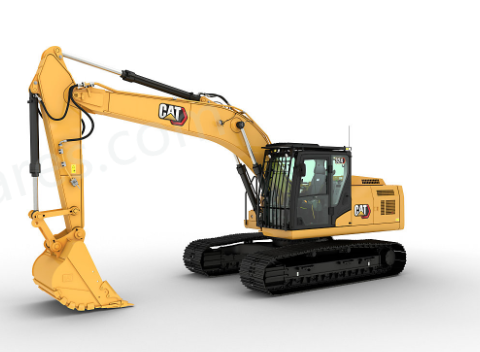
The Cat® 326 Excavator brings premium performance with simple-to-use technologies to boost your operator efficiencies. Combine these features with an ergonomic cab, longer maintenance intervals, and a power system that reduces fuel and you have a low-cost-per-unit-of-production excavator that’s perfect for medium to heavy-duty applications. CAT Excavator 324Heavy-Duty Muscle Built to Outperform
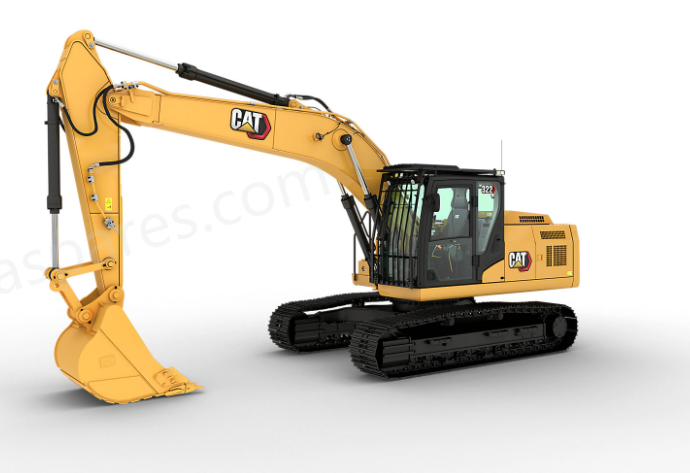
The Cat® 324 excavator is built to handle high-production workloads with the perfect balance of brute strength and refined control. Its powerful Cat® C7.1 engine, high-flow hydraulics, and advanced electrohydraulic system give you the muscle to move heavy material fast, without burning through your budget. With reinforced structures, field-proven durability, and easy-to-maintain components, the 324 is your go-to solution for tackling tough jobs with less downtime. CAT Excavator 322Profit-Driven Powerhouse for Heavy Loads
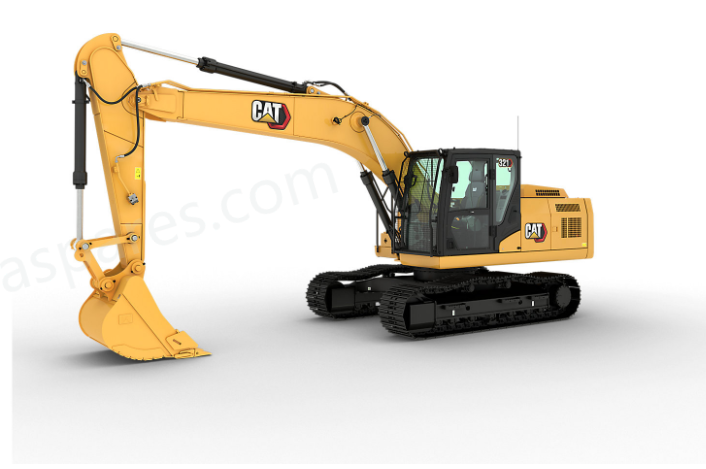
When you need muscle, precision, and cost control in one machine, the Cat® 322 excavator delivers. Purpose-built for high production, the 322 pairs fast cycle times with large bucket options to move more material in fewer passes. Its responsive electrohydraulic controls and rugged design keep you productive on the tough jobs, while smart fuel efficiency and streamlined maintenance help you stay profitable every step of the way. Whether you’re loading, trenching, or lifting, the 322 is a heavy-duty workhorse that pays you back. CAT Excavator 321Versatility at the Lowest Cost Per Hour
Powered by the reliable Cat® C3.6 engine, the Cat® 321 excavator delivers high torque and fast cycle times to maximize productivity. Reinforced Cat structures extend machine life and withstand the toughest conditions, while the latest cab design puts operator safety and comfort first. Every core system undergoes rigorous testing, so you can count on consistent, reliable performance shift after shift.