-News Center-
New Maritime Code Shifts No-Pickup Liability to Shipper
Effective May 1, 2026, the revised People’s Republic of China Maritime Code introduces a fundamental change in liability allocation for uncollected cargo at discharge ports — shifting primary responsibility from consignees to shippers. This legal update directly affects exporters of automotive, industrial, and electronics spare parts, where just-in-time delivery, tight inventory cycles, and standardized Incoterms® usage are critical. The shift reflects broader regulatory efforts to clarify contractual risk boundaries in cross-border maritime trade, particularly amid rising port congestion and documentation disputes.
Event Overview
The newly revised Maritime Code of the People’s Republic of China, effective May 1, 2026, amends Article 93 to establish shipper liability as primary when cargo remains unclaimed at the destination port. This replaces the prior 30-year standard assigning default responsibility to the consignee. The amendment applies uniformly to all international sea carriage contracts governed by Chinese law, regardless of governing law clauses unless expressly opted out under valid conflict-of-law provisions.
Industries Affected
Direct Trading Enterprises
Exporters and importers engaged in direct B2B spare parts trade face immediate operational recalibration. Under FOB or CIF terms, sellers historically assumed limited post-discharge obligations; now, failure by overseas buyers to clear or collect goods may trigger shipper liability for demurrage, storage, customs penalties, and even cargo abandonment costs. Contractual renegotiation — especially around notice requirements, proof of delivery, and force majeure triggers — becomes urgent.
Raw Material Procurement Enterprises
Firms sourcing components or sub-assemblies for downstream assembly (e.g., Tier-2 suppliers to OEMs) often operate on consignment or vendor-managed inventory models. Under the new rule, if their overseas customers delay receipt due to production schedule shifts or quality holds, procurement entities may be held liable despite lacking control over final disposition. This increases exposure in supply chain finance arrangements and complicates advance payment structures.
Manufacturing Enterprises
Original Equipment Manufacturers (OEMs) and contract manufacturers exporting finished spare parts must revisit shipping instructions, bill of lading endorsements, and Incoterms® selection. For instance, using FCA instead of FOB may mitigate exposure, but requires precise coordination with inland carriers and forwarders. Internal compliance teams also need updated training on evidentiary standards — e.g., what constitutes sufficient proof that the consignee was duly notified and capable of taking delivery.
Supply Chain Service Providers
Freight forwarders, NVOCCs, and logistics platforms facilitating spare parts shipments now bear heightened advisory duties. Their standard terms may no longer shield them from claims arising from ambiguous delivery instructions or incomplete consignee contact verification. Insurance underwriters are already adjusting premium models for marine cargo policies covering ‘shipper liability extensions,’ and third-party logistics providers report increased demand for real-time discharge-port status monitoring services.
Key Considerations and Recommended Actions
Review and Amend Standard Trade Terms
Companies should audit existing export contracts and pro forma invoices for references to ‘consignee responsibility’ or passive delivery language. Replace generic phrasing with explicit clauses defining shipper obligations only up to the point of carrier handover — and specify that risk transfer is contingent upon consignee readiness, documented via electronic acknowledgment or pre-arrival notification systems.
Update Documentation and Communication Protocols
Bills of lading, packing lists, and commercial invoices must now include clear consignee contact verification fields and time-stamped evidence of pre-discharge notice (e.g., EDI 997 confirmations or API-based tracking alerts). Customer-facing communication templates — including email scripts and portal notifications — should be revised to emphasize joint accountability and document retention expectations.
Reassess Insurance Coverage and Risk Transfer Mechanisms
Marine cargo insurance policies typically exclude liabilities arising from commercial non-performance. Exporters should verify whether their current policies cover shipper-triggered demurrage or port charges, and consider adding ‘Extended Shipper Liability’ endorsements. Where feasible, bilateral agreements with consignees should allocate cost-sharing thresholds (e.g., first 7 days borne by consignee; beyond that, shared proportionally).
Editorial Perspective / Industry Observation
Observably, this amendment does not reflect a punitive regulatory stance but rather an effort to align domestic law with evolving global practice — several major jurisdictions (including Germany and Singapore) have moved toward shipper accountability frameworks where documentation and notice rigor are central. Analysis shows that the practical impact will vary significantly by trade lane: high-volume, low-margin spare parts shipments (e.g., fasteners, filters) face disproportionate cost pressure, while high-value, serialized components benefit from tighter digital traceability infrastructure already in place. Current more relevant than theoretical liability is the timing mismatch — many overseas consignees lack systems to confirm readiness before vessel arrival, making proactive coordination the de facto compliance layer.
Conclusion
This revision marks a structural recalibration in maritime risk governance — one that elevates contractual precision and operational transparency over historical assumptions. For the spare parts export sector, it serves less as a disruption and more as a catalyst: accelerating adoption of digital trade platforms, strengthening documentation discipline, and reinforcing the principle that risk allocation must mirror actual control points in the logistics chain. A measured, process-oriented response — not wholesale term avoidance — best positions firms for resilience.
Source Attribution
Official text published in the State Council Gazette, No. 12, March 2026; explanatory notes issued by the Ministry of Transport (PRC), April 10, 2026. Judicial interpretations and model clause guidance are pending release by the Supreme People’s Court and China International Economic and Trade Arbitration Commission (CIETAC). These remain under active observation.
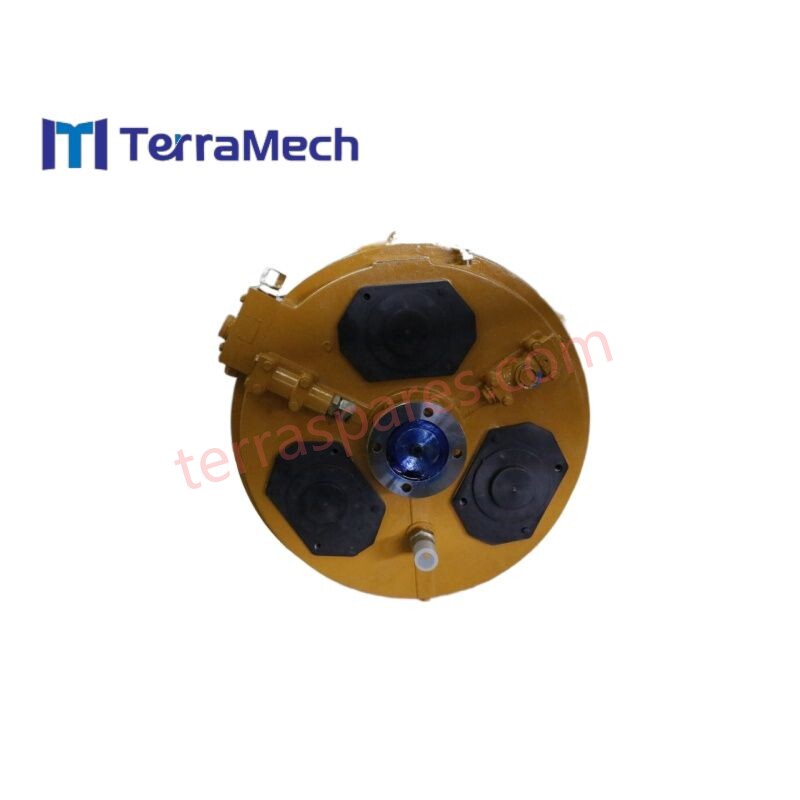
 5508972 SEM TORQUE CONVERTER WHEEL LOADER SPARE PARTSAccessories Category:Torque Converter System
Accessories Name: YJ380 Torque Converter
SEM Accessories Code:5508972
Specification: 5508972
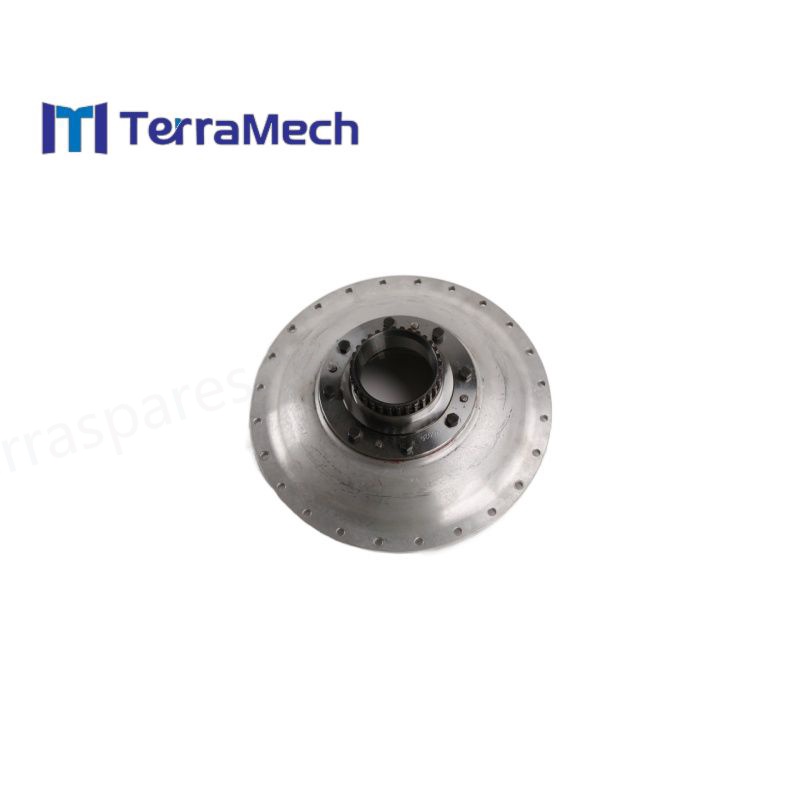
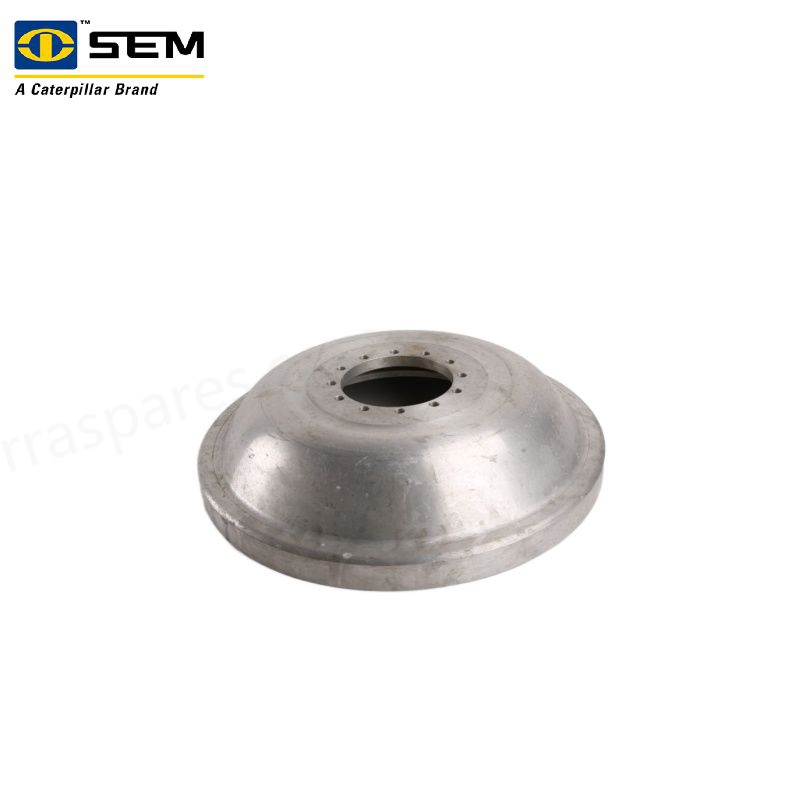
Suitable Vehicle Model:SEM663D SEM660D 5371024 PULLEY SEM WHEEL LOADER PULLEY SPARE PARTSSEM618D SEM636D SEM655D WHEEL LOADER TRANSMISSION SPARE PARTS
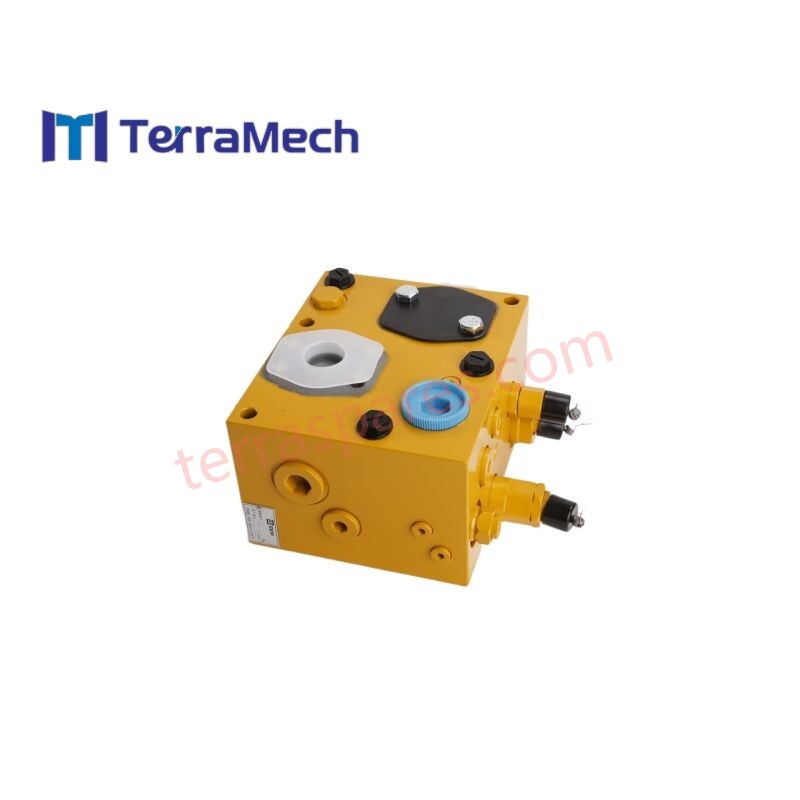
 5846875 VALVE SEM WHEEL LOADER GENUINE VALVE PARTSAccessories Category:Hydraulic System
Accessories Name: Cartridge valve
SEM Accessories Code:5846875
Specification:5846875 5402771 Pulley SEM WHEEL LOADER TRANSMISSION PARTSSEM636D SEM655D SEM656D WHEEL LOADER PARTS