-News Center-
Why Does a Wheel Loader Gear GP Fail Prematurely in Harsh Jobsite Conditions?
Why Does a Wheel Loader Gear GP Fail Prematurely in Harsh Jobsite Conditions?
When a MACHINERY WHEEL LOADER GEAR GP fails too early, downtime, repair costs, and jobsite pressure rise fast. For aftersales maintenance teams working in abrasive, high-load environments, understanding the real causes behind premature gear wear is essential to preventing repeat failures. This article explores how contamination, poor lubrication, overload, and installation issues affect gear life, helping you diagnose problems faster and protect wheel loader performance in harsh operating conditions.
If you have replaced a gear set once and then seen the same machine come back with noise, backlash, or broken teeth far earlier than expected, the problem usually was not the gear alone. In rough quarry, mining, demolition, and muddy earthmoving conditions, gear failure is often the last visible symptom of something upstream. That is where a practical checklist helps.
Start with the wear pattern, not the part number
Before ordering another MACHINERY WHEEL LOADER GEAR GP, look closely at the failed tooth surfaces. A polished, evenly worn flank suggests a different story than pitting, scoring, chipped edges, or broken roots.
- Fine pitting across the tooth face often points to lubrication film breakdown or contamination.
- Deep scoring usually means abrasive particles have circulated through the housing.
- Edge loading can indicate misalignment, bearing looseness, or poor contact pattern after assembly.
- Broken teeth at the root are commonly linked to shock load, overload, or repeated impact loading.
This first check saves time. If the failure mode is read correctly, you avoid blaming material quality for what is really a sealing, alignment, or operating issue.
Contamination is still the most common repeat offender
On harsh jobsites, dust, water, and metallic debris get into places they should not. Once contamination enters the gearbox or axle assembly, the new gear starts life in a bad environment. Maintenance teams know this, but under schedule pressure it is easy to change the failed gear and move on without finding the entry point.
Check the breather, seals, drain plug magnet, and housing interior. If the old oil looks milky, water ingress is likely. If the oil carries visible grit, do not install replacement parts before flushing the full system and inspecting adjacent bearings. Small particles left behind will quickly damage a fresh gear mesh.
In some fleets, contamination problems are not limited to the gearbox. Undercarriage and chassis wear can also increase vibration and shock transfer through the machine. That is one reason buyers who manage mixed wear parts often look for durable support components such as 8190-MH-D3000S1-03 SHANTUI CARRIER ROLLER SPARE PARTS when they are already addressing severe ground-contact conditions.
Do not treat “has oil” as “has correct lubrication”
A gearbox can be full and still be under-lubricated in real operating terms. Wrong viscosity, degraded additives, aeration, and overheating all reduce film strength. In loaders that work long shifts with frequent reversing and heavy bucket loading, this matters more than many teams expect.
A few field checks are worth making every time:
- Confirm the lubricant grade matches the OEM recommendation for the climate and duty cycle.
- Check whether oil change intervals were shortened for dusty or wet conditions. Standard intervals are often too optimistic for severe service.
- Look for signs of overheating around the housing, seals, and drained oil odor.
- Verify the oil level under the correct machine position and procedure, not by guesswork.
If you have no oil analysis program in place, at least retain a sample when a gear fails. That gives you something objective to compare next time instead of relying on memory.
Overload damage usually shows up after the operator has forgotten the event
A wheel loader gear does not always fail during the overload itself. It may survive the hit, then crack or spall later under normal work. That is why maintenance teams should ask about actual machine use, not just service hours. Was the loader pushing blasted rock? Was it repeatedly ramming stockpiles? Was it fitted with an attachment that changed the load profile? These details matter.
Harsh sites create repeated shock loads. Even a good MACHINERY WHEEL LOADER GEAR GP can suffer early fatigue if the driveline sees more impact than it was set up for. If tooth breakage is concentrated on one area rather than uniform wear, suspect operating shock before suspecting normal wear life.
Installation mistakes are quieter, but expensive
This is where repeat failures often begin. A gear can look perfect on the bench and still fail early because backlash, bearing preload, contact pattern, or torque procedure was off during assembly. The machine may even leave the workshop sounding normal at first.
If the OEM manual gives specific contact pattern or preload instructions, use them. If documentation is missing, mark the removed setup carefully before disassembly and verify against available service data. Do not improvise critical settings.
Look beyond the failed gear to the supporting parts
A gear train rarely works alone. Worn shafts, fatigued bearings, poor-quality seals, and loosened mounts all shorten service life. After-sales teams sometimes face budget limits and replace only the visibly broken component. That keeps the machine moving for a while, but it often pushes the same repair back onto the schedule.
This is also where supplier choice matters. Companies such as TerraMech, with long experience across brands including Caterpillar, Komatsu, Volvo, SEM, Shantui, XCMG, SDLG, Weichai, and SDEC, are typically used by buyers who need parts support across different machine lines and want fewer compatibility surprises. That does not replace inspection, but it helps reduce sourcing errors when machines operate in severe conditions.
In undercarriage-heavy environments, some teams also review related wear items during the same service window, including 8190-MH-D3000S1-03 SHANTUI CARRIER ROLLER SPARE PARTS, especially where abrasion resistance and downtime control are major concerns.
A short field checklist before you close the job
- Drain and inspect the old lubricant before teardown notes get lost.
- Photograph wear patterns and tooth damage for comparison on the next failure.
- Replace suspect seals and inspect breathers instead of reusing them on a severe-service machine.
- Measure backlash and alignment during assembly, not after the machine returns to work.
- Ask the operator what the machine was doing in the days before failure.
- Record lubricant type and service interval. If that information is unclear, mark it as 【待核实】 rather than guessing.
Most premature wheel loader gear failures are preventable, but not by replacing the gear alone. The useful habit is to treat every failed MACHINERY WHEEL LOADER GEAR GP as evidence. Read the wear pattern, check contamination paths, verify lubrication quality, and confirm the assembly setup. That usually tells you whether the next gear will live a normal life or come back damaged before the invoice is forgotten.
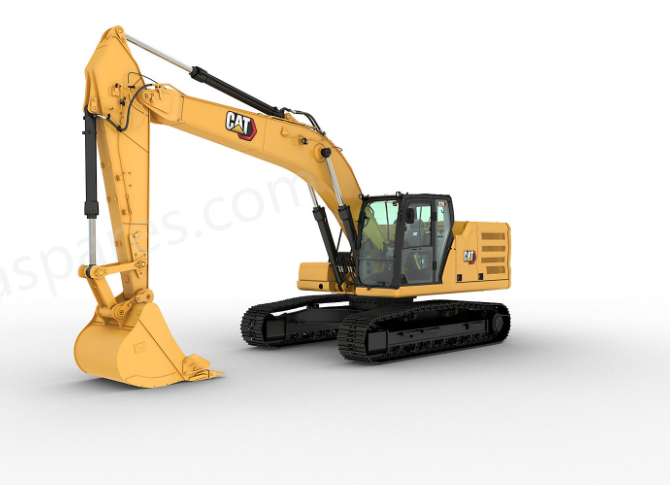
 CAT Excavator 326Premium Performance with Simple-to-Use Technologies
The Cat® 326 Excavator brings premium performance with simple-to-use technologies to boost your operator efficiencies. Combine these features with an ergonomic cab, longer maintenance intervals, and a power system that reduces fuel and you have a low-cost-per-unit-of-production excavator that’s perfect for medium to heavy-duty applications. CAT Excavator 324Heavy-Duty Muscle Built to Outperform
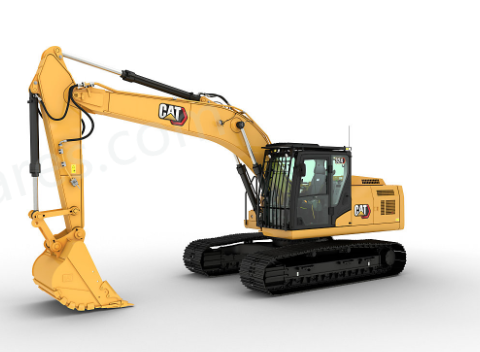
The Cat® 324 excavator is built to handle high-production workloads with the perfect balance of brute strength and refined control. Its powerful Cat® C7.1 engine, high-flow hydraulics, and advanced electrohydraulic system give you the muscle to move heavy material fast, without burning through your budget. With reinforced structures, field-proven durability, and easy-to-maintain components, the 324 is your go-to solution for tackling tough jobs with less downtime. CAT Excavator 322Profit-Driven Powerhouse for Heavy Loads
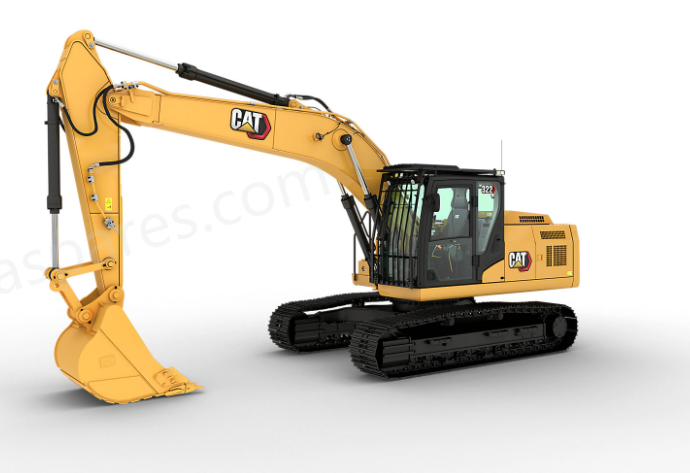
When you need muscle, precision, and cost control in one machine, the Cat® 322 excavator delivers. Purpose-built for high production, the 322 pairs fast cycle times with large bucket options to move more material in fewer passes. Its responsive electrohydraulic controls and rugged design keep you productive on the tough jobs, while smart fuel efficiency and streamlined maintenance help you stay profitable every step of the way. Whether you’re loading, trenching, or lifting, the 322 is a heavy-duty workhorse that pays you back. CAT Excavator 321Versatility at the Lowest Cost Per Hour
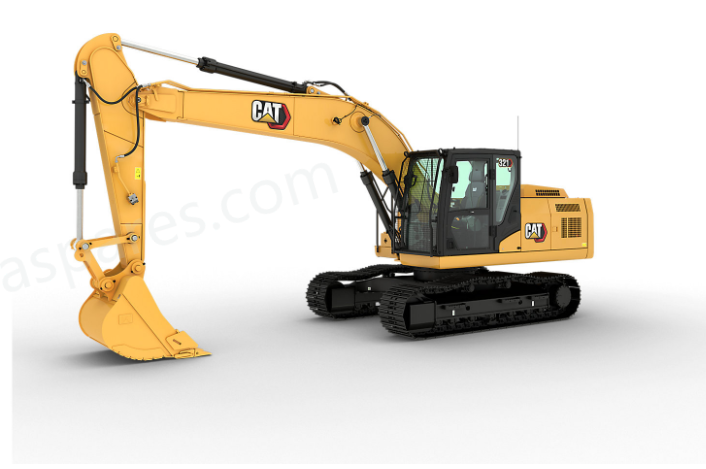
Powered by the reliable Cat® C3.6 engine, the Cat® 321 excavator delivers high torque and fast cycle times to maximize productivity. Reinforced Cat structures extend machine life and withstand the toughest conditions, while the latest cab design puts operator safety and comfort first. Every core system undergoes rigorous testing, so you can count on consistent, reliable performance shift after shift.