


-News Center-
How Much Does a Soil Compactor Cost to Buy, Rent and Maintain?
The sticker price tells you almost nothing about what a SOIL COMPACTOR will actually cost. A machine that looks cheap on a quotation can turn expensive once fuel, parts, transport, and idle time are added, while a higher-priced unit with better support can end up costing less over three or four years. For anyone signing off the spend, the useful question is not how much it costs today, but how much it costs to keep working, project after project.
That is why purchase, rental, and maintenance should be judged together. A contractor who needs compaction every week faces a very different calculation from a team that needs it for one road-base job a year. Size, weight, drum type, engine power, and brand all move the price, but so do delivery, operator skill, ground conditions, and how quickly a part can be sourced when something fails.
What buying really involves
New machines span a wide range. A small walk-behind plate or rammer for trenches and patch work sits at the lower end, a mid-size single-drum roller for road base and larger earthworks costs substantially more, and a large padfoot or smooth-drum roller built for heavy compaction is a major capital purchase. The gap is not just about size. Engine output, vibration frequency, drum width, articulation, cab comfort, and emissions compliance all add cost, and two machines with similar tonnage can be priced very differently depending on the brand and the dealer support behind them.
Used equipment complicates the comparison further. A low-hour machine from a known brand can be good value, but hours alone do not tell the story. Drum condition, hydraulic leaks, vibration system wear, tyre or pad condition, and service history matter more. A buyer who skips a proper inspection often pays for it later in repairs. Financing also changes the picture. A cash purchase, a loan, and a lease do not carry the same monthly pressure, and tax treatment, depreciation, and resale value differ by market, so the cheapest monthly payment is not always the cheapest decision.
TerraMech, with over two decades in construction machinery and parts, sees this pattern often: buyers focus on the machine and forget the supply chain around it. Availability of filters, drums, bearings, and engine components, plus a supplier who can identify the right part quickly, can matter as much as the initial discount. A machine parked for a week waiting for a part is not saving money.
When renting makes more sense
Renting removes the capital outlay and the long-term maintenance burden, which suits short jobs, seasonal work, or a trial before buying a size you have not used before. Daily and weekly rates are usually higher per working day than ownership, but you pay only for the period you need, and the rental company normally handles servicing, breakdown cover, and replacement if the unit fails on site.
The trap is underestimating the extras. Transport to and from site, fuel, cleaning, damage charges, and idle days when weather or preceding work delays compaction can push the final invoice well above the quoted rate. A three-day hire that stretches to six days because the fill was not ready is a common example. If a project needs the same size of compactor for several months, or across multiple sites in a year, ownership usually starts to win on cost, even after maintenance is included. The break-even point depends on utilisation, and it is worth working it out with real project dates rather than a rough guess.
Maintenance, fuel, and the costs people forget
Running costs are where budgets most often go wrong. Fuel use varies with engine size, load, and how much of the day is spent actually compacting rather than idling or travelling between passes. Oil, filters, hydraulic fluid, and grease are routine, but they are not trivial over a year, especially on a machine working in dust, heat, or wet conditions. Drum scrapers, vibration mounts, and bearings wear gradually, then fail suddenly if inspection is skipped.
Parts pricing is another variable. Branded components and genuine replacements tend to cost more upfront but can reduce repeat failures, while cheaper alternatives may work well for non-critical items and poorly for engine and hydraulic systems. For engine-related parts in particular, correct identification matters, and suppliers such as TerraMech, which handle Caterpillar, Komatsu, Volvo, SEM, Shantui, XCMG, SDLG, Weichai, and SDEC equipment, can help match a part to the exact model rather than a close equivalent. That is also where a specific item like SEM SPARE PARTS 5217534 W110000160 GOVERNOR [blocked] can become relevant during a repair, when the governor or related engine control needs attention and downtime is already costing more than the part itself.
Downtime is the hardest cost to put on a spreadsheet, yet it is often the largest. A compactor out of service can hold up paving, backfilling, and the next trade. A good maintenance plan therefore includes more than a service interval: regular checks of fluid levels, leaks, drum condition, and vibration function, a realistic stock of fast-moving consumables, and a clear route to parts and technical help. Operators who report small faults early usually save far more than they cost in inspection time.
How to judge lifetime value before you approve
A practical way to compare options is to build a simple lifetime estimate: purchase or rental cost, plus expected fuel and servicing, plus a provision for repairs and parts, plus transport and downtime risk, minus expected resale value at the end of the period you plan to keep it. The numbers will not be exact, and they should not be presented as if they are. They will, however, show whether a cheaper machine with high fuel use and poor parts support is really cheaper than a more expensive one that holds its value and stays on site.
Ask for the details that change the answer. What is included in the price, and what is not? What is the warranty period, and what does it exclude? How long does a common part take to arrive? What is the machine's typical resale position in your market? For a rental, what is the charge for extra days, damage, and transport, and who pays if the machine breaks down through no fault of the operator? These questions often reveal more than a comparison table of headline prices.
If the work is occasional and the size varies from job to job, renting keeps cash free and avoids storage and servicing. If the work is regular, the size is predictable, and you have operators and a maintenance routine in place, buying is usually the stronger financial case. The wrong choice is rarely the machine itself. It is approving a price without checking utilisation, support, and what happens when the machine stops.
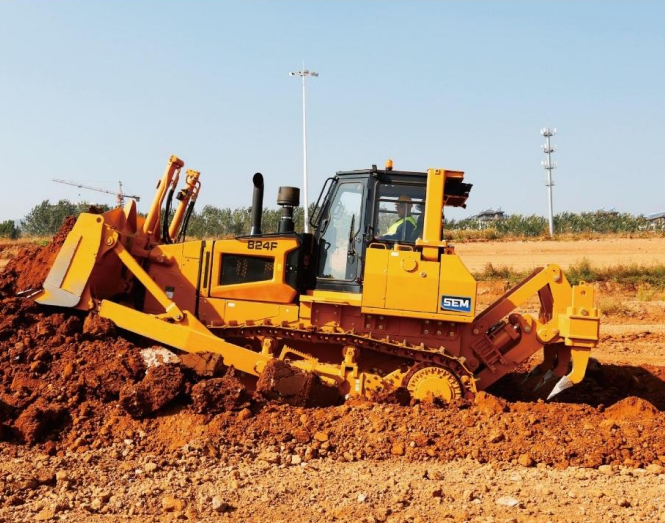
 SEM 824F ProductThe 824F features the new F Series design and is powered by a Weichai WD12T2 engine, delivering a gross power output of up to 185 kW (248 hp). The machine utilizes an electronically controlled hydrostatic transmission system, enhancing productivity and maneuverability. It offers various track shoe widths from 560 mm to 915 mm, as well as multiple blade options, including SU, S, U, Waste Handling, and Forest blades. Rear equipment options include a multi-shank ripper, single-shank ripper, and winch to meet diverse customer needs.
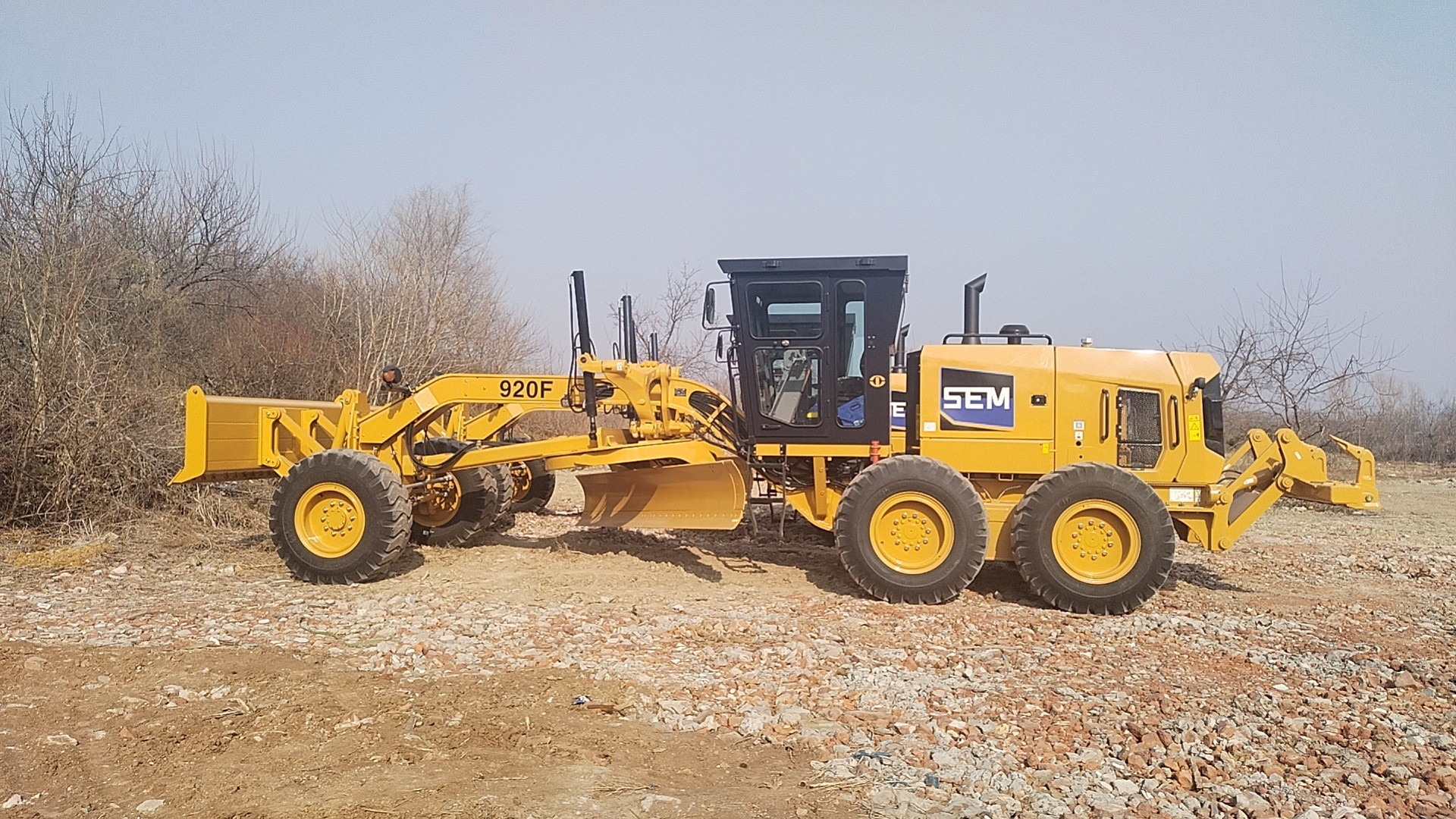
 SEM 920F Motor GraderThe SEM F Series Tier 2 Motor Grader is equipped with an SDEC engine and a PPC load-sensing hydraulic system for consistent, precise blade movement and reduced fuel consumption. The rear tandem drive is manufactured by Caterpillar and incorporates Caterpillar’s proven tandem axle design, delivering differentiated reliability, longer service life, and lower ownership and operating costs.
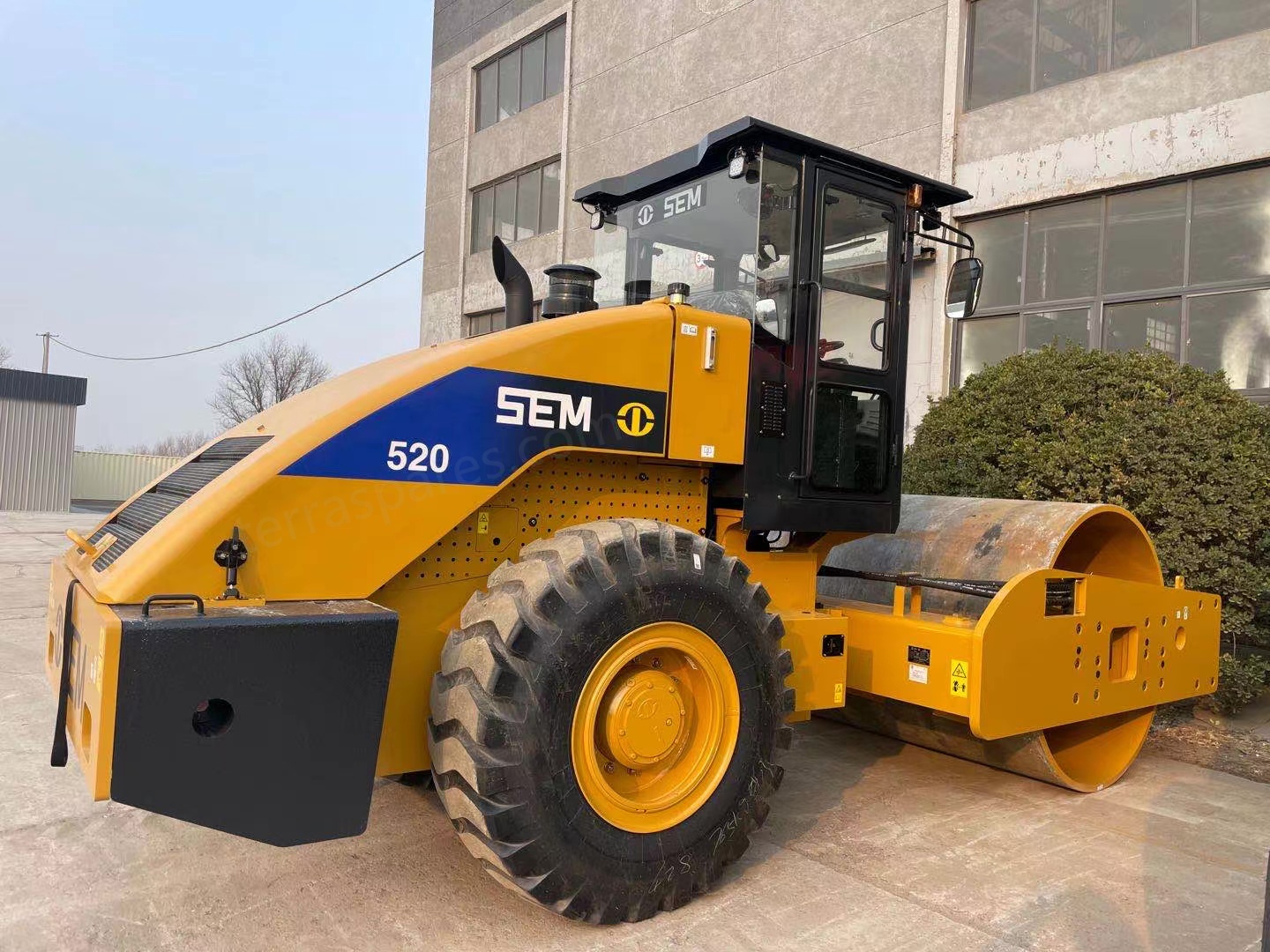
 SEM Road Roller Machines SEM 520The SEM 520 Single Drum Vibratory Road Roller is a heavy-duty compaction machine designed for large-scale road construction, highway projects and heavy earthwork tasks. Powered by a high-performance Weichai engine, it delivers steady and sufficient power for long-hour continuous operation. Equipped with the advanced pod-type sealed vibration system, it effectively resists dust and water intrusion, greatly extending the service life of core components. With powerful excitation force, optimized vibration frequency and amplitude, it achieves outstanding compaction results on soil, gravel and asphalt layers. The reinforced body structure and reliable wet brake system ensure superior stability and operational safety on various terrains. As an export-ready National II / Tier 2 model, it works well with regular fuel and features a service-friendly layout for easy daily upkeep.
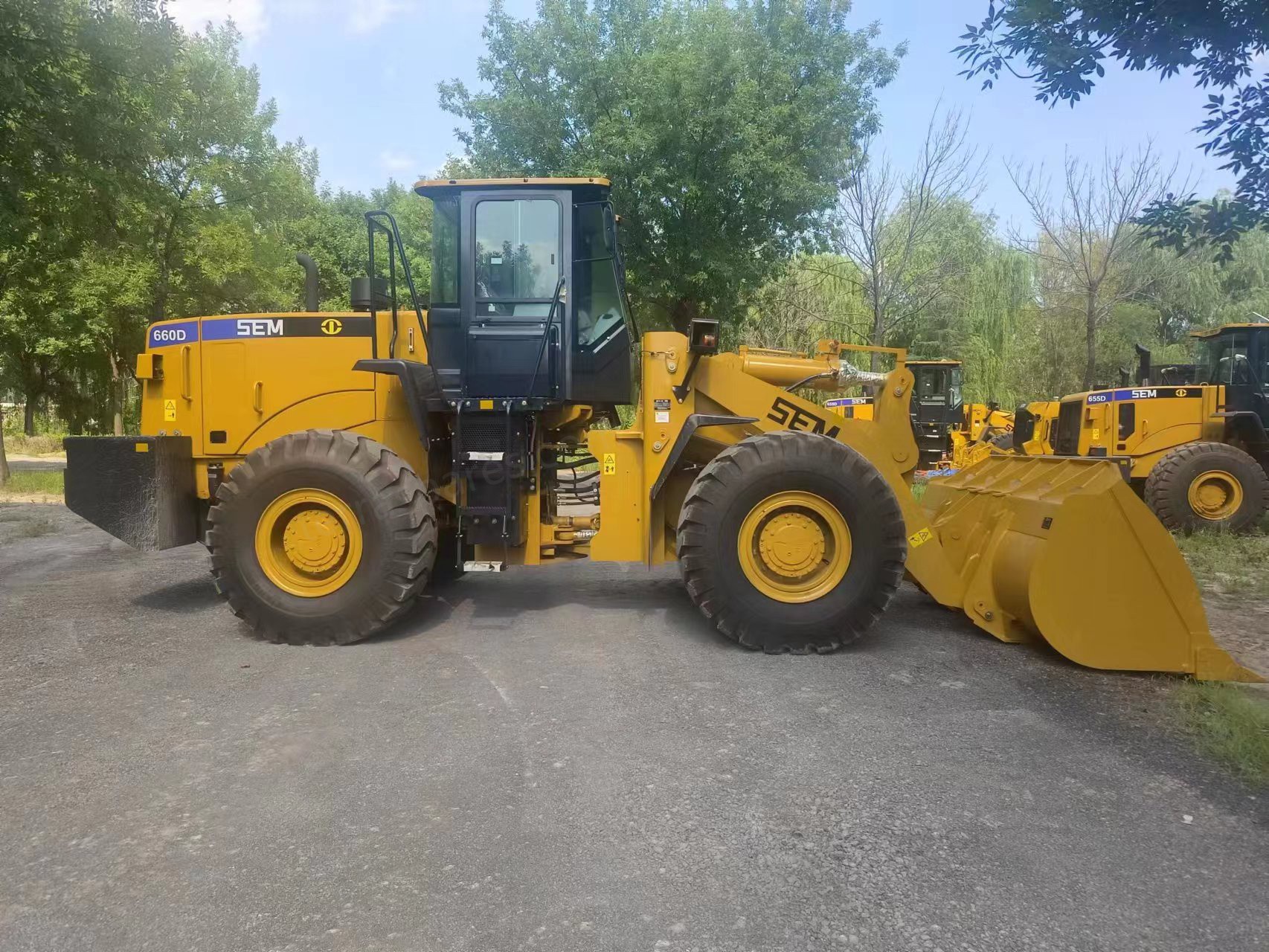
 SEM Wheel Loader Machines SEM 660D 6 Ton Wheel LoaderThe SEM 660D 6 Ton Wheel Loader is a heavy-duty, high-performance machine built to tackle the most demanding loading, stockpiling, and material handling tasks. Powered by a robust 178kW Weichai engine and paired with a durable countershaft transmission, it delivers consistent power and reliable torque for its 6-ton rated load. Equipped with advanced load-sensing hydraulics, the 660D ensures smooth, responsive operation and fast cycle times, boosting productivity on every shift. With a bucket capacity ranging from 2.8 to 5.5 m³, it adapts to a wide variety of applications, including mining, quarries, ports, and construction sites. Designed with operator comfort and low maintenance in mind, this export-ready National II / Tier 2 model runs reliably on low-quality fuel and features a simple, service-friendly layout.