


-News Center-
How to Read Motor Grader Specifications Before You Buy or Rent One?
Reading a motor grader specification sheet is not about finding the biggest numbers. It is about checking whether the machine fits the work, the site and the budget. Engine power, operating weight, blade width, turning radius and articulation all interact, and a figure that looks strong on paper can hide weak traction, poor visibility or costly maintenance. The fastest way to read a sheet is to start with the job, not the brochure: what material you are cutting, how long the haul is, how tight the tolerance is, and how much room you have to turn.
A grader bought for rough subgrade work and one bought for fine finishing may share a similar horsepower rating and still behave very differently. One may hold grade with a light touch and a stable frame, while the other needs constant correction and extra passes. Before comparing models, write down the three conditions that will decide success on your site. Then use the specification sheet to test each model against those conditions, line by line, instead of ranking machines by a single headline figure.
Power only matters in context
Net engine power is usually the first number people look at, but it tells you little on its own. Check whether the figure is net or gross, at what rpm it is measured, and whether the machine keeps that power when the hydraulics, fan and air conditioning are under load. A grader that loses power when the blade is loaded and the circle is turning will feel weaker than its rating suggests, especially in heavy clay or wet gravel.
Operating weight is the other half of that equation. A heavier machine generally gives better traction and a steadier blade, but it also needs more power to move, costs more to transport and can rut a soft surface. Compare power-to-weight only between machines in the same class and with similar tyres or tracks. If two models have close power figures, look at torque rise, drawbar pull and the transmission's gear spread. Those numbers explain whether the machine can keep moving at low speed without stalling or slipping, which is where most grading time is spent.
- Check the rated power, the rpm it is measured at, and whether it is net or gross.
- Compare operating weight with and without common attachments, not just the base figure.
- Look for drawbar pull and low-speed torque, not just top speed.
- Ask how the machine behaves at working speed, when the blade is engaged.
Blade size, circle and down pressure
Blade width decides how much material you move per pass, but a wider blade is not always faster. On a narrow road or a site with tight edges, a wide mouldboard can be hard to position and may leave uncut strips. On a wide haul road, a narrow blade means more passes and more fuel. Match blade length to the width of the work and to the machine's weight: a long blade on a light frame will bounce and leave waves, while a short blade on a heavy frame wastes the machine's stability.
The circle and drawbar matter just as much. Check circle diameter, blade rotation range and sideshift. A larger rotation range helps when cutting ditches or working close to a kerb, and good sideshift lets you keep the frame clear of an obstacle while the blade stays on line. Down pressure is often overlooked. If the specification gives a maximum blade down force, compare it with the material you need to cut. Hard, compacted surfaces need enough force to break the crust without lifting the front wheels or losing steering.
Transmission, speeds and control
A motor grader spends most of its life at 3 to 12 km/h, so the number of gears and how they are spaced matters more than maximum travel speed. Look for a transmission that gives you small steps in the working range, with smooth shifts and no dead spots. If the sheet lists both forward and reverse speeds, check that reverse is usable for grading, not just for repositioning. Inching control, a lock-up torque converter or a direct-drive option can change how precisely you can hold speed on a slope.
Transmission condition also affects how a used machine will perform after purchase or during a rental. Worn clutches, delayed shifts or overheating under load will show up as uneven speed and poor blade control, even if the engine is strong. When parts availability is part of the decision, check that drivetrain components for the model you are considering can be sourced without long delays. For some Shantui-built machines, for example, buyers check the supply of SHANTUI TRANSMISSION 16Y-15-00000 SD16 SD22 SPARE PARTS [blocked] alongside the specification, because a transmission that cannot be serviced quickly can keep a grader off site longer than a lower power rating ever will.
Turning radius, articulation and visibility
Turning radius is often quoted as a single figure, but it can hide the difference between a machine that turns on its front wheels and one that uses frame articulation. Check both figures, and check the articulation angle. A grader with a larger articulation angle can steer the rear wheels around a tight corner while keeping the blade on line, which helps on bends and in confined yards. If your site has narrow access, steep cross slopes or tight turning areas, a small difference here can decide whether the machine can work at all.
Visibility from the cab is rarely on the specification sheet in a useful form, yet it affects accuracy directly. Look at cab height, window layout, mirror placement and whether the operator can see both ends of the blade without leaning. A machine with good rear visibility is easier to reverse safely, and a clear view of the mouldboard helps the operator catch a high spot before it becomes a ridge. If you can, sit in the cab and check the view at working height, not just from the ground.
What the sheet leaves out
Hydraulic flow and pressure deserve a closer look than they usually get. A high flow rate at rated engine speed does not help if flow drops sharply at low rpm, when you are making fine adjustments. Check the implement pump flow, the number of hydraulic circuits and whether blade lift, sideshift and circle rotation can be used together without slowing each other down. Slow or jerky hydraulics will force the operator to make more corrections, and those corrections show up as an uneven finish.
Tyres, ground clearance and service access also change the real cost of a machine. The specification may list a standard tyre size, but the tyre fitted on site may be different, and that changes ground pressure, ride height and turning behaviour. Check ground clearance under the drawbar and circle, and check how easy it is to reach filters, grease points and the transmission dipstick. A machine that is hard to service will be serviced less often, and that will show up in the finish long before it shows up as a breakdown. Compare service intervals, fluid capacities and the location of daily checks, and treat a sheet that hides those details as incomplete.
Use the specification as a filter, not a ranking. Shortlist two or three machines that meet your power, weight, blade and turning requirements, then test the remaining questions in the cab and on a trial pass if possible. Does it hold speed on a slope? Does the blade stay steady when the circle is turned? Can the operator see the work and reach the controls without strain? Those answers, combined with a careful reading of the numbers, will tell you more than any single headline figure.
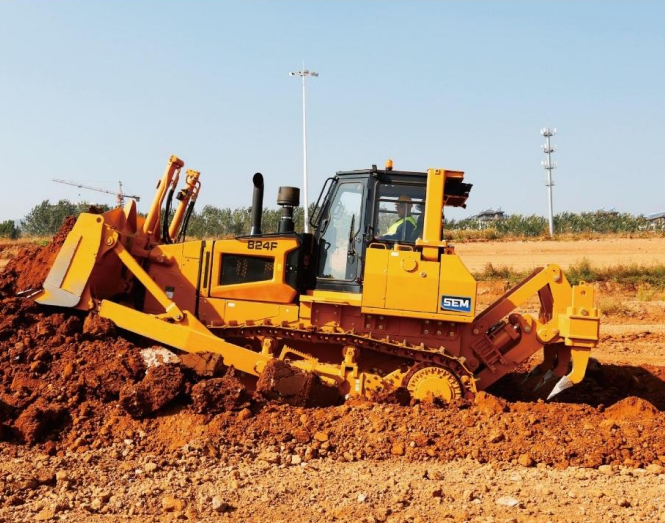
 SEM 824F ProductThe 824F features the new F Series design and is powered by a Weichai WD12T2 engine, delivering a gross power output of up to 185 kW (248 hp). The machine utilizes an electronically controlled hydrostatic transmission system, enhancing productivity and maneuverability. It offers various track shoe widths from 560 mm to 915 mm, as well as multiple blade options, including SU, S, U, Waste Handling, and Forest blades. Rear equipment options include a multi-shank ripper, single-shank ripper, and winch to meet diverse customer needs.
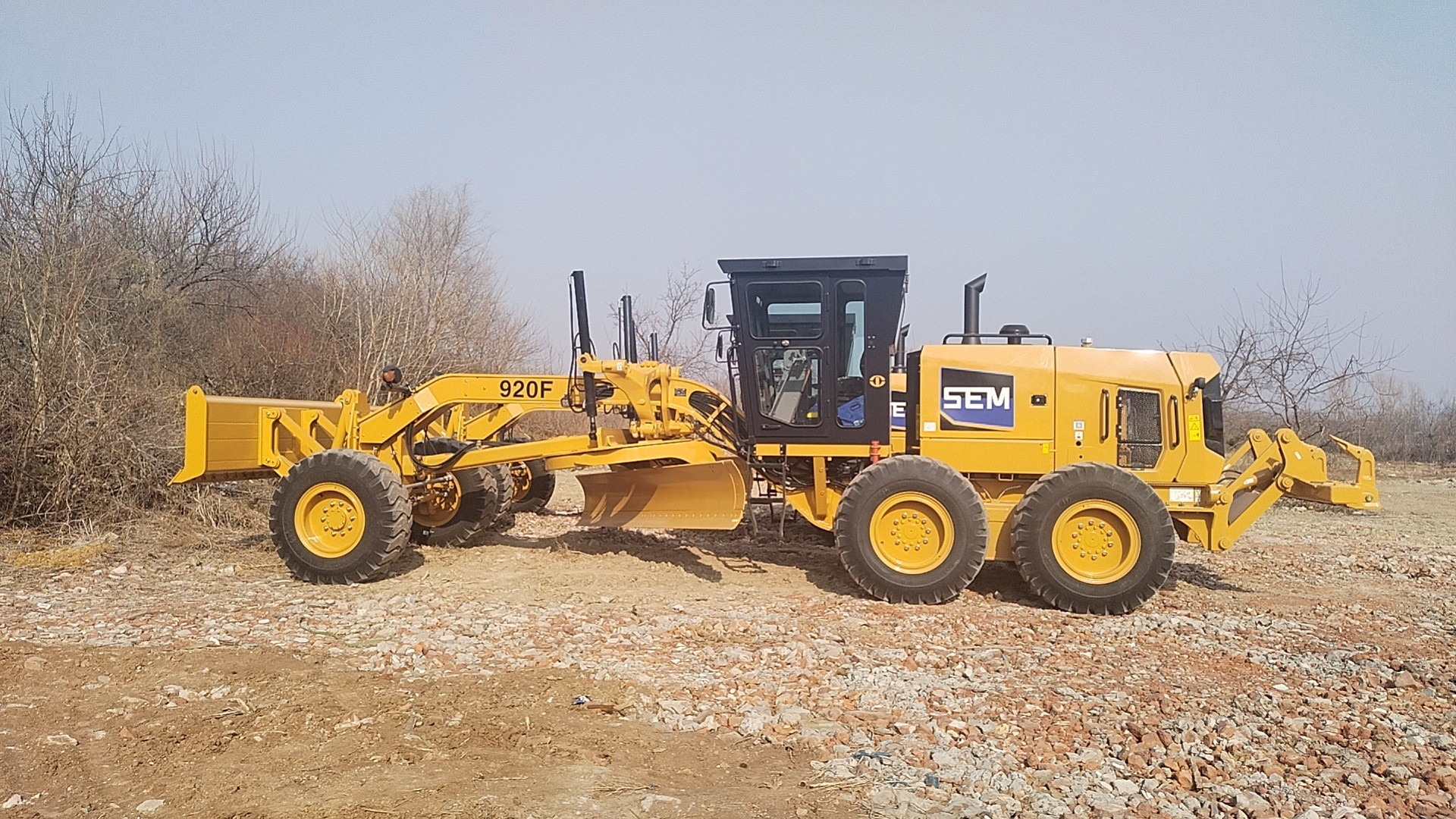
 SEM 920F Motor GraderThe SEM F Series Tier 2 Motor Grader is equipped with an SDEC engine and a PPC load-sensing hydraulic system for consistent, precise blade movement and reduced fuel consumption. The rear tandem drive is manufactured by Caterpillar and incorporates Caterpillar’s proven tandem axle design, delivering differentiated reliability, longer service life, and lower ownership and operating costs.
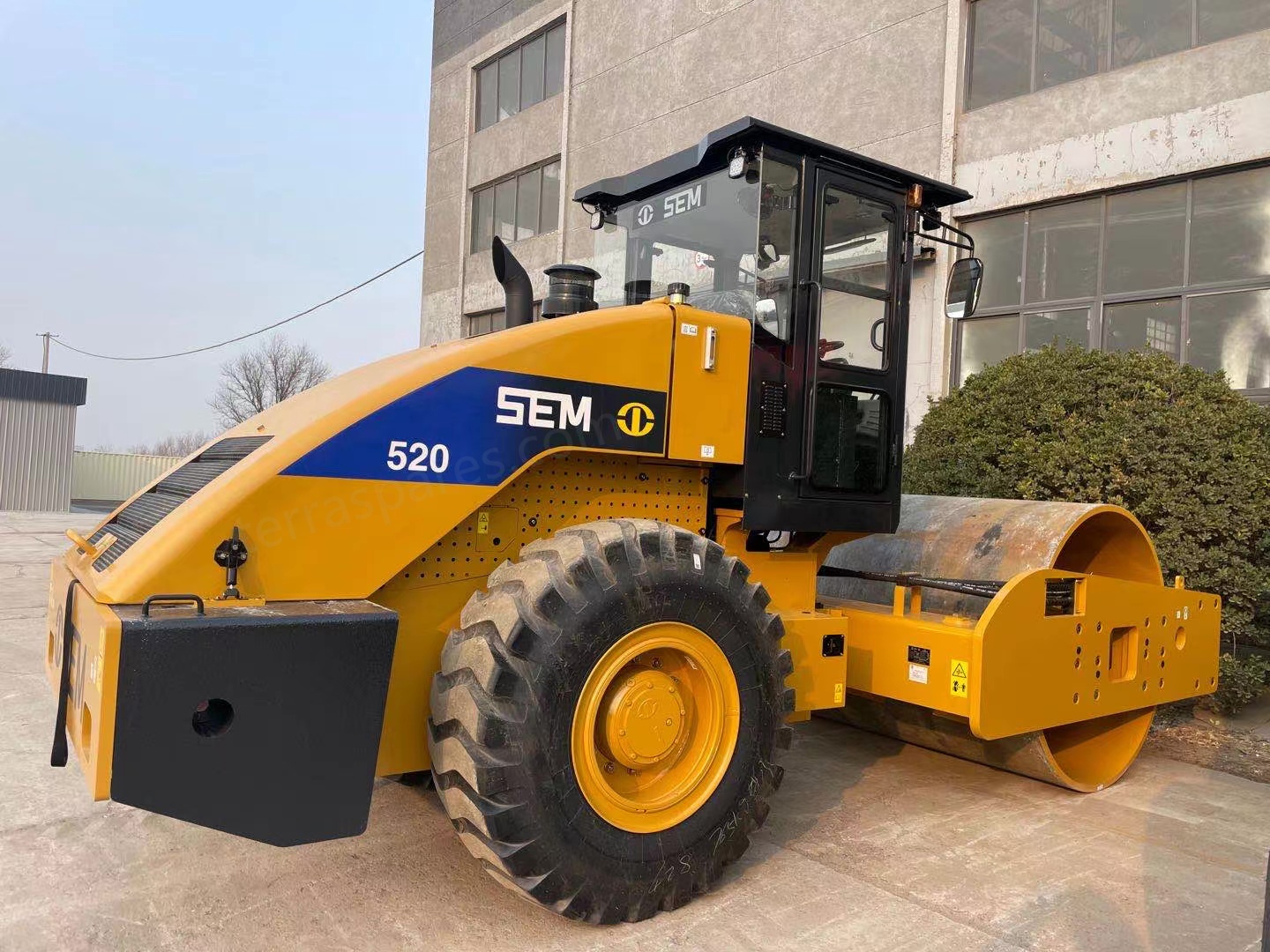
 SEM Road Roller Machines SEM 520The SEM 520 Single Drum Vibratory Road Roller is a heavy-duty compaction machine designed for large-scale road construction, highway projects and heavy earthwork tasks. Powered by a high-performance Weichai engine, it delivers steady and sufficient power for long-hour continuous operation. Equipped with the advanced pod-type sealed vibration system, it effectively resists dust and water intrusion, greatly extending the service life of core components. With powerful excitation force, optimized vibration frequency and amplitude, it achieves outstanding compaction results on soil, gravel and asphalt layers. The reinforced body structure and reliable wet brake system ensure superior stability and operational safety on various terrains. As an export-ready National II / Tier 2 model, it works well with regular fuel and features a service-friendly layout for easy daily upkeep.
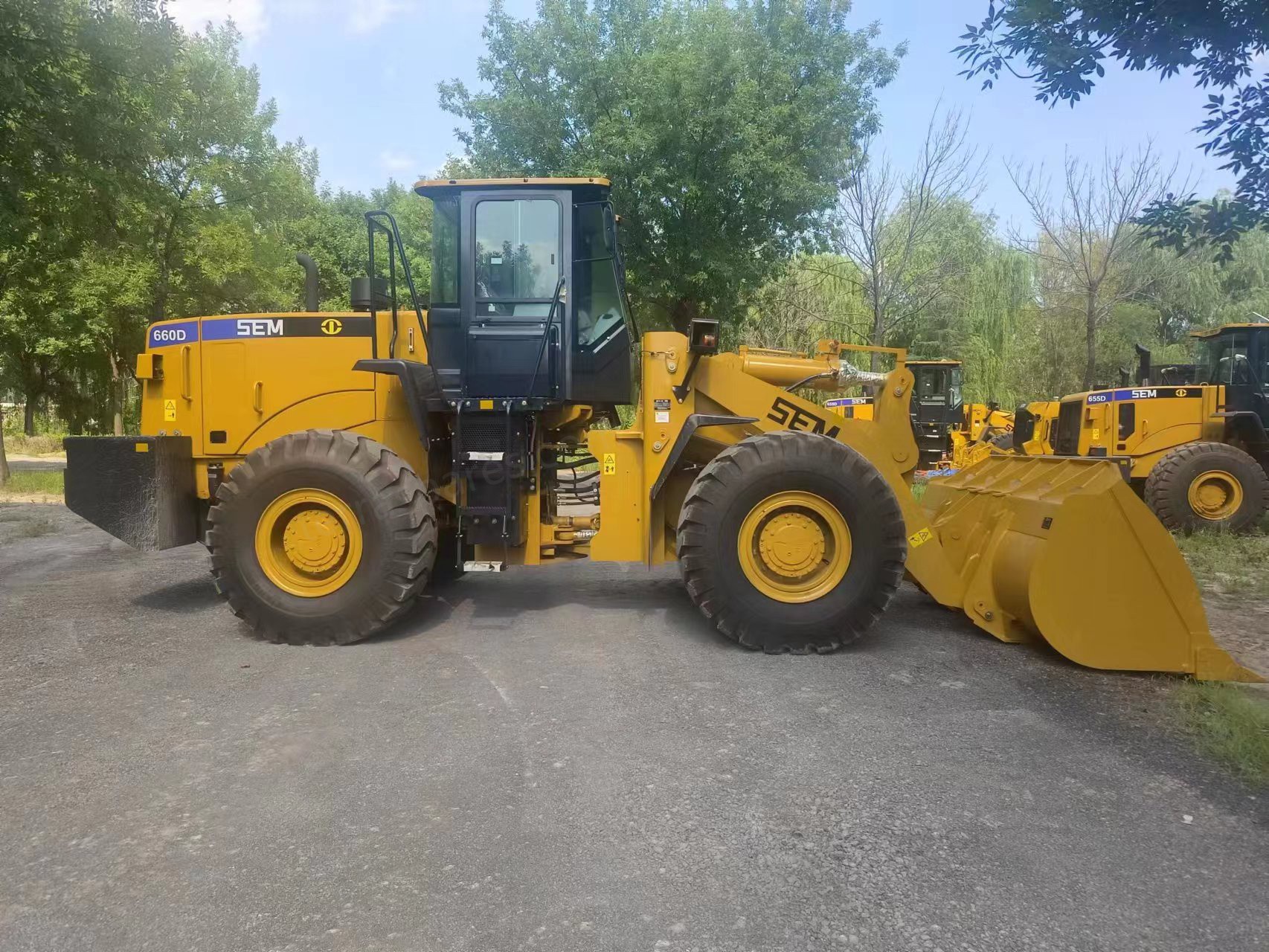
 SEM Wheel Loader Machines SEM 660D 6 Ton Wheel LoaderThe SEM 660D 6 Ton Wheel Loader is a heavy-duty, high-performance machine built to tackle the most demanding loading, stockpiling, and material handling tasks. Powered by a robust 178kW Weichai engine and paired with a durable countershaft transmission, it delivers consistent power and reliable torque for its 6-ton rated load. Equipped with advanced load-sensing hydraulics, the 660D ensures smooth, responsive operation and fast cycle times, boosting productivity on every shift. With a bucket capacity ranging from 2.8 to 5.5 m³, it adapts to a wide variety of applications, including mining, quarries, ports, and construction sites. Designed with operator comfort and low maintenance in mind, this export-ready National II / Tier 2 model runs reliably on low-quality fuel and features a simple, service-friendly layout.