


-News Center-
What Is a Soil Compactor and How Does It Improve Ground Stability?
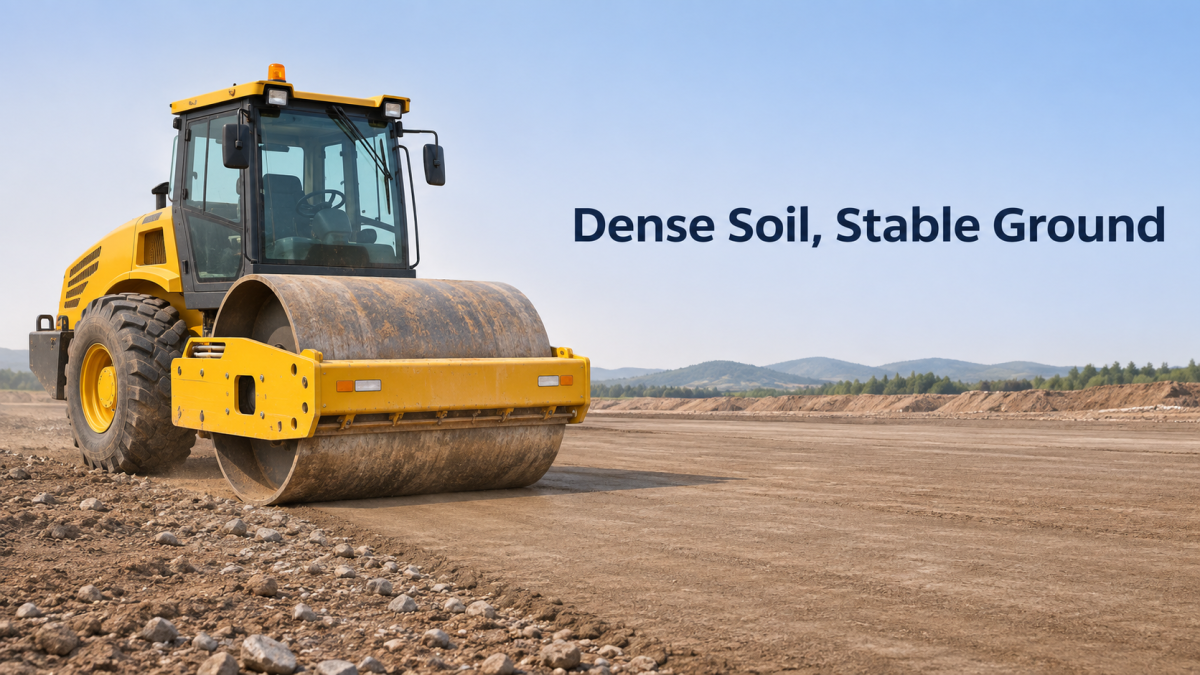
A SOIL COMPACTOR is a machine that presses loose soil, gravel, and fill into a dense, stable layer. It applies repeated vibration, impact, or static pressure to force particles closer together, squeezing out air and reducing the voids that let a surface settle later. The result is not just a harder surface. A compacted layer carries load more evenly, resists rutting under wheels, and holds its shape when water moves through it. Without that density, a road base can sink in patches, a slab can crack along a weak line, and a trench backfill can drop months after the work looks finished.
What happens inside the soil during compaction
Loose soil contains a large volume of air between particles. Those gaps give the material room to move when weight is applied or when moisture changes. Compaction removes much of that space. As particles are pushed together, friction between them increases and they begin to lock into place. A well-compacted layer behaves more like a single mass than a collection of loose grains, which is why it spreads a wheel load or a footing load over a wider area instead of letting it punch down at one point.
Moisture changes how easily that locking happens. Dry granular soil can resist rearrangement because particles grip each other without any lubricant. Very wet soil can also resist compaction because water fills the voids and cannot be squeezed out quickly enough. Between those extremes, a thin film of water helps particles slide past each other into a tighter arrangement. That is why two soils with the same name can respond very differently on site, and why a layer that looks damp enough on the surface can still be dry underneath.
Vibration, impact and static pressure work in different ways
Vibratory rollers use a rotating eccentric weight to send rapid pulses through the drum and into the ground. Each pulse briefly breaks the friction between grains, allowing them to settle closer together before the next pulse arrives. This method suits sand, gravel and crushed stone, where particles are large enough to rearrange freely. Static rollers, by contrast, rely on weight alone. A smooth steel drum or a pneumatic-tyred roller kneads the surface as it passes, which can work well on cohesive soils that need sustained pressure rather than shaking.
Impact compaction works differently again. A rammer or jumping jack delivers a concentrated blow to a small area, driving energy downward in a short, sharp pulse. That makes it useful in trenches, around foundations and in other confined spaces where a roller cannot turn. Plate compactors sit between these approaches, using vibration over a flat base to treat granular fill in layers. Choosing between them is less about power on paper and more about matching the energy to the soil: vibration loosens granular material so it can pack, while impact and kneading force clay particles together without relying on that loosening effect.
Why the same number of passes gives different results
Pass count alone says little about density. A thin lift of 150 mm can reach its target density in a few passes, while the same material placed in a 400 mm lift may stay loose at depth even after many more. The energy from a roller or plate diminishes with depth, so the bottom of a thick layer often receives far less compaction than the top. That gap creates a hidden weak zone that only shows up when a load is applied or when water finds its way in.
Speed matters in a similar way. A roller moving too fast does not give vibration time to act on each point, while a roller moving too slowly can overwork a thin lift and break down the aggregate. Soil type adds another variable. Clean sand compacts quickly and shows little change after a certain point. Clay changes slowly, and its response depends on moisture, plasticity and how it was placed. A density test taken only at the surface can miss these differences, which is why a result that looks acceptable on paper can still hide settlement below.
Site preparation before compaction also shapes the outcome. Ground that still contains roots, soft pockets, topsoil or loose debris will not compact evenly, no matter how many passes follow. Clearing and levelling that material first creates a uniform base for the compactor to work on. On open sites, that early earthmoving stage is often handled by a dozer, and a machine such as the SEM 816D 16 Ton Bulldozer [blocked] is used to push, level and clear material so the fill beneath is consistent before compaction begins.
Where ground stability actually comes from
Stability is not a single property. It comes from three changes happening together: higher density, lower air content and more consistent contact between particles. Higher density raises bearing capacity because the soil can resist shear, the sliding failure that occurs when one part of the soil moves past another under load. Lower air content reduces the amount the layer can compress later. More consistent contact means water has fewer large channels to flow through, so erosion inside the fill and softening after rain are less likely.
That combination explains why compaction helps in places that seem unrelated. Under a road, it prevents wheel paths from forming and keeps the pavement from cracking where the base has settled. Under a building, it reduces differential settlement, the uneven sinking that puts stress on slabs and walls. In a trench, it stops backfill from sinking and leaving a dip that collects water. In each case, the failure looks different on the surface, but the cause is the same: loose material with room to move.
Compaction does not make soil waterproof or turn weak clay into rock. It improves the soil that is already there within its own limits. A highly plastic clay will still move with moisture changes, and an organic soil will still compress over time. The value of the work lies in removing the avoidable part of that movement, the settlement caused by air and loose placement, so the remaining behaviour is predictable enough to design and build on.
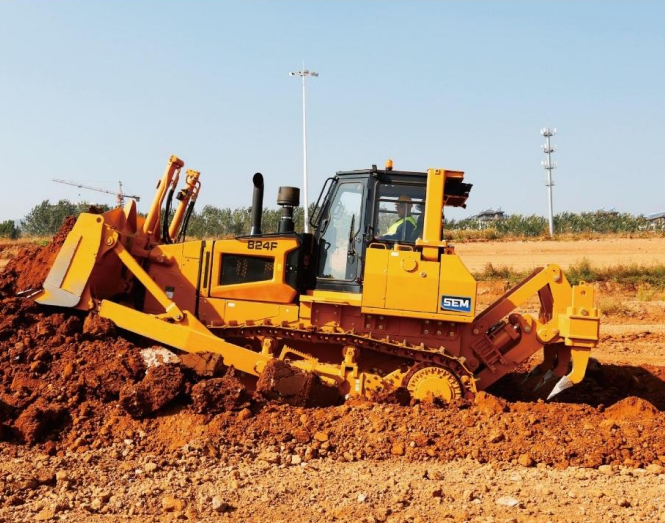
 SEM 824F ProductThe 824F features the new F Series design and is powered by a Weichai WD12T2 engine, delivering a gross power output of up to 185 kW (248 hp). The machine utilizes an electronically controlled hydrostatic transmission system, enhancing productivity and maneuverability. It offers various track shoe widths from 560 mm to 915 mm, as well as multiple blade options, including SU, S, U, Waste Handling, and Forest blades. Rear equipment options include a multi-shank ripper, single-shank ripper, and winch to meet diverse customer needs.
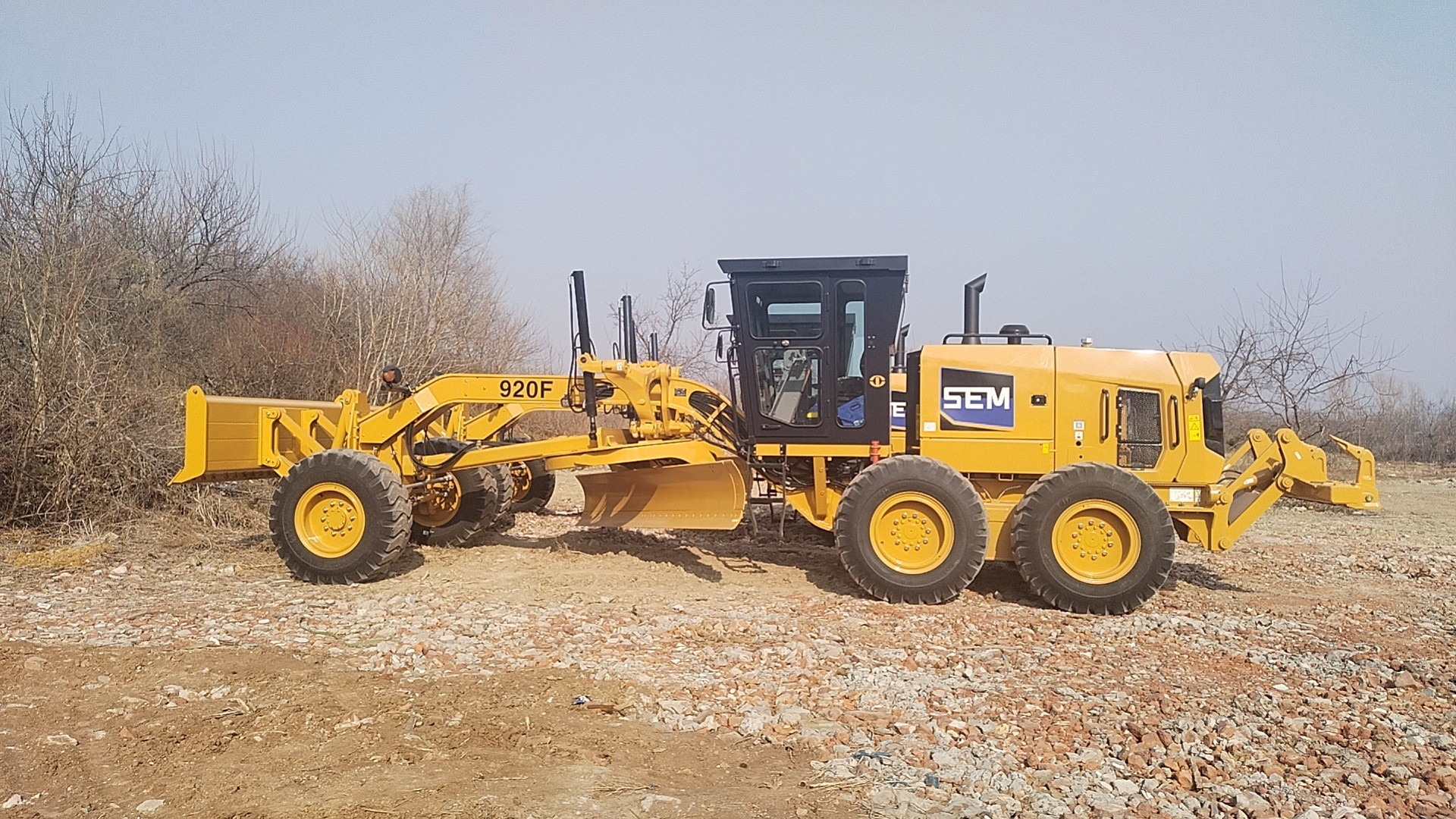
 SEM 920F Motor GraderThe SEM F Series Tier 2 Motor Grader is equipped with an SDEC engine and a PPC load-sensing hydraulic system for consistent, precise blade movement and reduced fuel consumption. The rear tandem drive is manufactured by Caterpillar and incorporates Caterpillar’s proven tandem axle design, delivering differentiated reliability, longer service life, and lower ownership and operating costs.
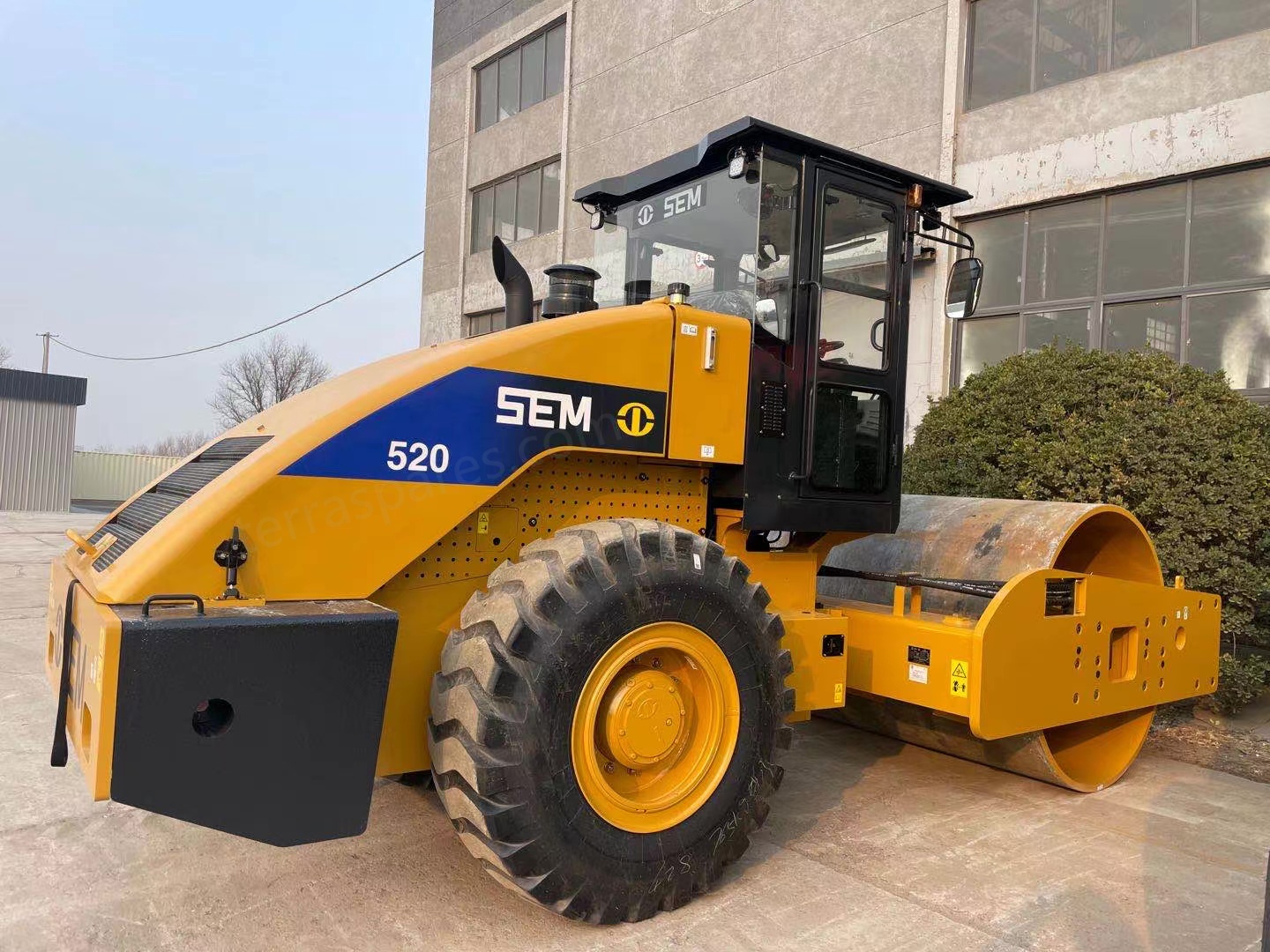
 SEM Road Roller Machines SEM 520The SEM 520 Single Drum Vibratory Road Roller is a heavy-duty compaction machine designed for large-scale road construction, highway projects and heavy earthwork tasks. Powered by a high-performance Weichai engine, it delivers steady and sufficient power for long-hour continuous operation. Equipped with the advanced pod-type sealed vibration system, it effectively resists dust and water intrusion, greatly extending the service life of core components. With powerful excitation force, optimized vibration frequency and amplitude, it achieves outstanding compaction results on soil, gravel and asphalt layers. The reinforced body structure and reliable wet brake system ensure superior stability and operational safety on various terrains. As an export-ready National II / Tier 2 model, it works well with regular fuel and features a service-friendly layout for easy daily upkeep.
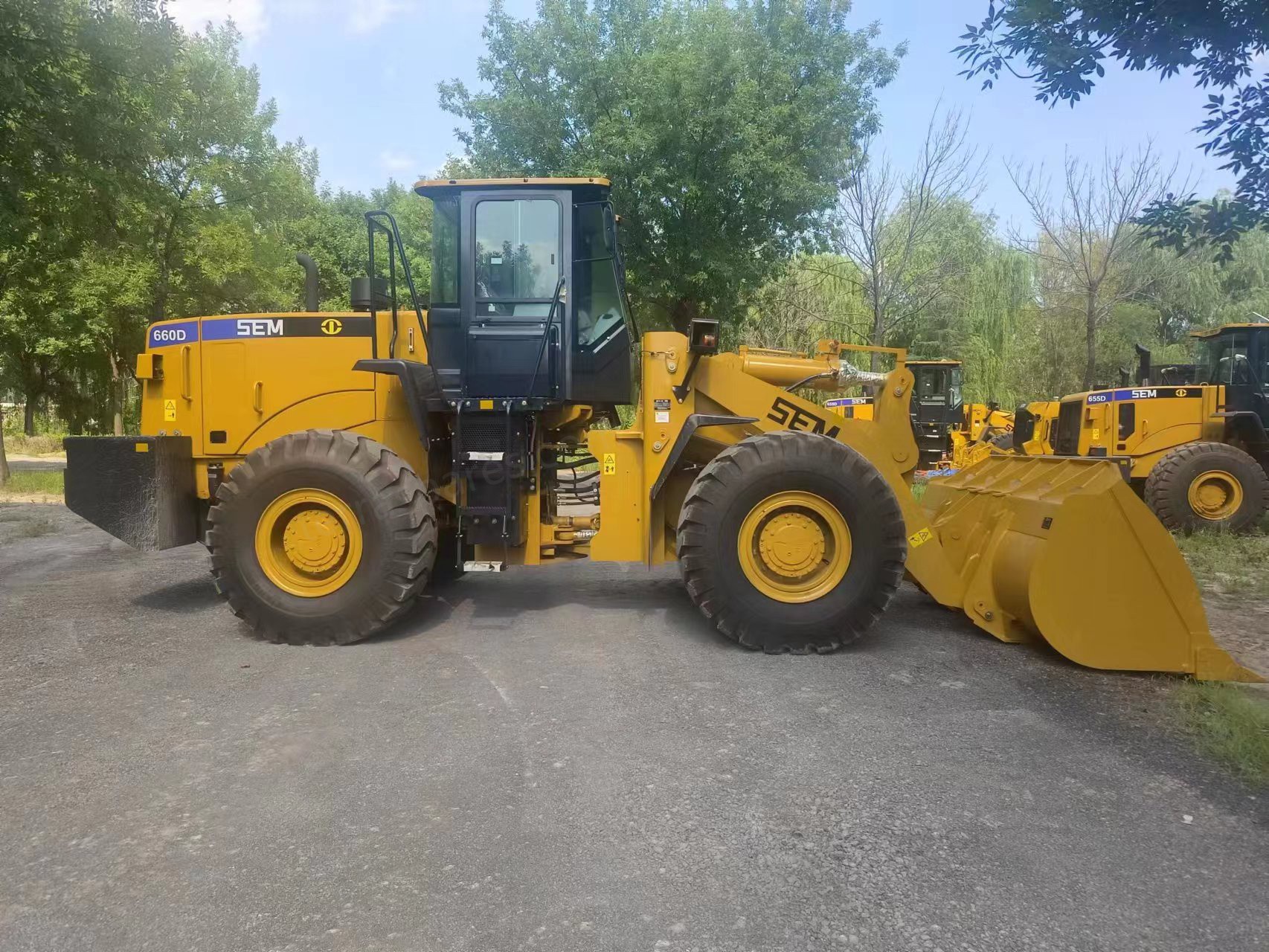
 SEM Wheel Loader Machines SEM 660D 6 Ton Wheel LoaderThe SEM 660D 6 Ton Wheel Loader is a heavy-duty, high-performance machine built to tackle the most demanding loading, stockpiling, and material handling tasks. Powered by a robust 178kW Weichai engine and paired with a durable countershaft transmission, it delivers consistent power and reliable torque for its 6-ton rated load. Equipped with advanced load-sensing hydraulics, the 660D ensures smooth, responsive operation and fast cycle times, boosting productivity on every shift. With a bucket capacity ranging from 2.8 to 5.5 m³, it adapts to a wide variety of applications, including mining, quarries, ports, and construction sites. Designed with operator comfort and low maintenance in mind, this export-ready National II / Tier 2 model runs reliably on low-quality fuel and features a simple, service-friendly layout.