


-News Center-
Are Electric Motor Graders Ready for Heavy Road Construction Work?
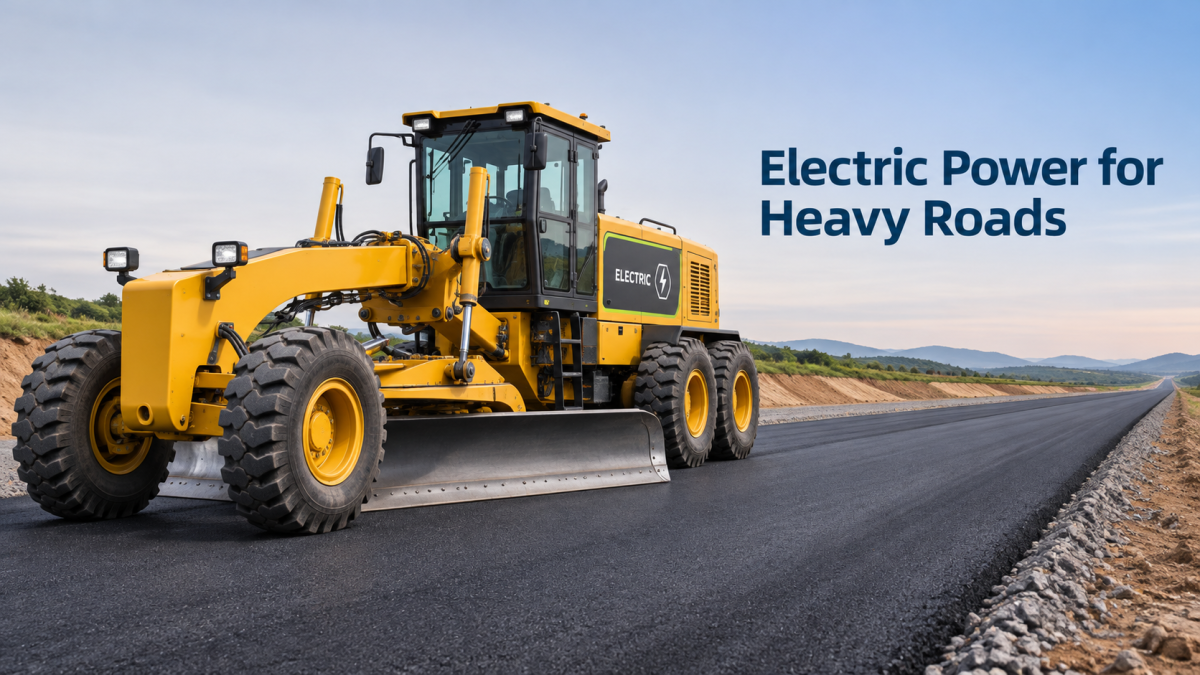
Electric power is moving from concept machines to real job sites, and for heavy road construction the question is no longer whether an electric motor grader can move dirt. It can. The harder question is whether it can sustain the load, precision and operating hours that road building demands, day after day, without charging downtime eroding the productivity it is meant to protect.
The short answer is conditional: electric motor graders are ready for defined heavy work, but not yet a like-for-like replacement for diesel across every road project. On sites with predictable duty cycles, access to charging and work that rewards precise, low-speed blade control, they can match diesel on output. On remote, high-utilisation projects with long shifts, steep grades and no reliable power supply, diesel still holds a practical advantage. The decision therefore turns less on the machine itself than on the site, the shift pattern and the cost of keeping it charged.
Where electric power already holds up
A motor grader earns its value through torque at low speed, fine blade control and stability, not through top speed. Electric drive suits that profile well. Instant torque helps maintain blade load on a cut, and electric motors can deliver smooth, repeatable power to the wheels and hydraulics without the lag and gear changes associated with a conventional drivetrain. For finish grading, shoulder work, haul-road maintenance and urban road projects, where passes are measured and speed is low, that control can translate into consistent surface quality and less rework.
Dust, vibration and noise are also part of the working case. An electric motor grader produces no exhaust at the point of use and runs more quietly than a diesel equivalent, which matters on night work, near residential areas, airports and tunnels, and on sites with tightening local emission or noise controls. Cab conditions can improve as well, with less heat and vibration transmitted from the powertrain. These are not decisive for every project, but on constrained urban and regulated sites they change what hours can be worked and what permits are easier to manage.
The constraint is energy, not force
The main limit is not whether the machine can cut hard material. It is how long it can keep cutting at high load before it needs to recharge. Road construction is rarely a steady, moderate load. A grader may work a long cut on a grade, push heavy windrows, travel between sections and then return to fine grading, all in one shift. Sustained draw under load depletes a battery much faster than intermittent light work, and the effect is amplified by cold weather, soft ground and repeated hill climbing.
That makes duty cycle the first test. A machine that completes a full shift on a short, well-planned urban job may fall short on a remote highway project where the working day is longer, idle time is limited and the nearest charger is hours away. Diesel can be refuelled in minutes from a bowser; recharging requires time, capacity and a power connection that may not exist at the cut. If charging has to happen mid-shift, the lost production must be counted honestly, including the time to move the machine to the charger and back.
Battery size alone does not resolve this. A larger pack adds weight, cost and charging time, and it changes the machine's balance and transport requirements. A smaller pack keeps the machine lighter and cheaper but narrows the range of jobs it can complete without interruption. Manufacturers are balancing these trade-offs differently, which means two electric motor graders with similar headline power can behave very differently over a ten-hour day. Fleet buyers need to test against their own cut lengths, grades and idle patterns, not against a brochure figure.
Charging and site logistics decide viability
On a fixed site with grid power, a depot charger or a temporary substation, electric operation becomes much more workable. Overnight charging, opportunity charging during breaks and a second machine to cover peak demand can keep utilisation high. On a linear road project that moves several kilometres a week, the infrastructure has to move too. That adds planning, cabling, protection from dust and water, and coordination with the site power supply, which is often sized for offices and lighting rather than heavy plant.
Mobile charging and battery swapping are discussed as answers, but both add complexity. A mobile charger still needs a fuel or grid source, and swapping requires compatible packs, lifting equipment and spare batteries. Neither removes the underlying energy problem; they shift it to logistics. For a contractor working across multiple short projects, the cost and effort of moving charging capacity can outweigh the saving on fuel, especially if only one or two machines in the fleet are electric.
The cost logic is wider than fuel
Electric motor graders typically carry a higher purchase price than diesel equivalents, and that premium has to be recovered through lower energy and maintenance costs over the machine's life. Electricity is often cheaper per unit of work than diesel, and electric drivetrains have fewer moving parts in the powertrain, which can reduce routine servicing on filters, oil and exhaust aftertreatment. Those savings are real, but they are sensitive to utilisation. A machine that sits idle because it is waiting to charge, or that is restricted to shorter shifts, recovers its premium more slowly.
Residual value and parts support also belong in the calculation. The used market for electric heavy plant is still developing, and buyers will weigh battery condition, remaining life and the availability of service expertise. Mixed fleets will remain common for some time, and the diesel units that stay in service still need reliable engine-system support, for example SHANTUI BULLDOZER 04121-22281 SD16 SD22 SD32 BELT [blocked] for SD16, SD22 and SD32 models. A decision to trial electric graders should therefore be made alongside a clear plan for the existing fleet, not as a separate purchase.
What to watch before committing a fleet
Three practical checks separate a viable trial from an expensive experiment. First, map the real shift: hours worked, distance travelled, grade and load, and the longest continuous period without a break. Second, confirm the power source for the full project, not just the first week, including who supplies it, what capacity is available and what happens if the site moves. Third, price the whole change, including chargers, cabling, driver training, service cover and any additional machine needed to maintain output while one charges.
Regulation is the other variable to track. Emission zones, noise limits and client sustainability requirements are tightening in many markets, and they can make electric plant a condition of winning work rather than simply a cost choice. That pressure is uneven by region and project type, so a fleet strategy that works in one market may not transfer directly to another. Watching tender requirements and local rules is as important as watching battery development.
For now, the sensible position is selective adoption. Electric motor graders are ready for heavy road work where the site, shift and charging are controlled, and where precision and low local emissions carry value. They are not yet ready to replace diesel outright on long, remote, high-utilisation road projects. A fleet that trials them on the right work, measures actual energy use and downtime, and keeps diesel capacity where it is still needed will learn faster, and spend less, than one that commits on principle alone.
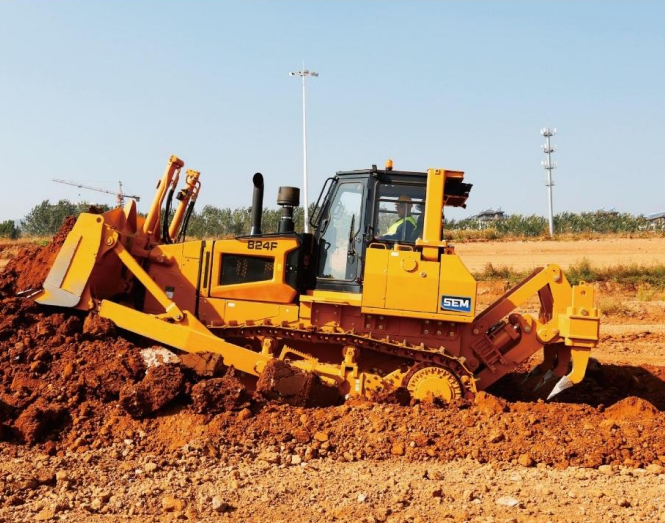
 SEM 824F ProductThe 824F features the new F Series design and is powered by a Weichai WD12T2 engine, delivering a gross power output of up to 185 kW (248 hp). The machine utilizes an electronically controlled hydrostatic transmission system, enhancing productivity and maneuverability. It offers various track shoe widths from 560 mm to 915 mm, as well as multiple blade options, including SU, S, U, Waste Handling, and Forest blades. Rear equipment options include a multi-shank ripper, single-shank ripper, and winch to meet diverse customer needs.
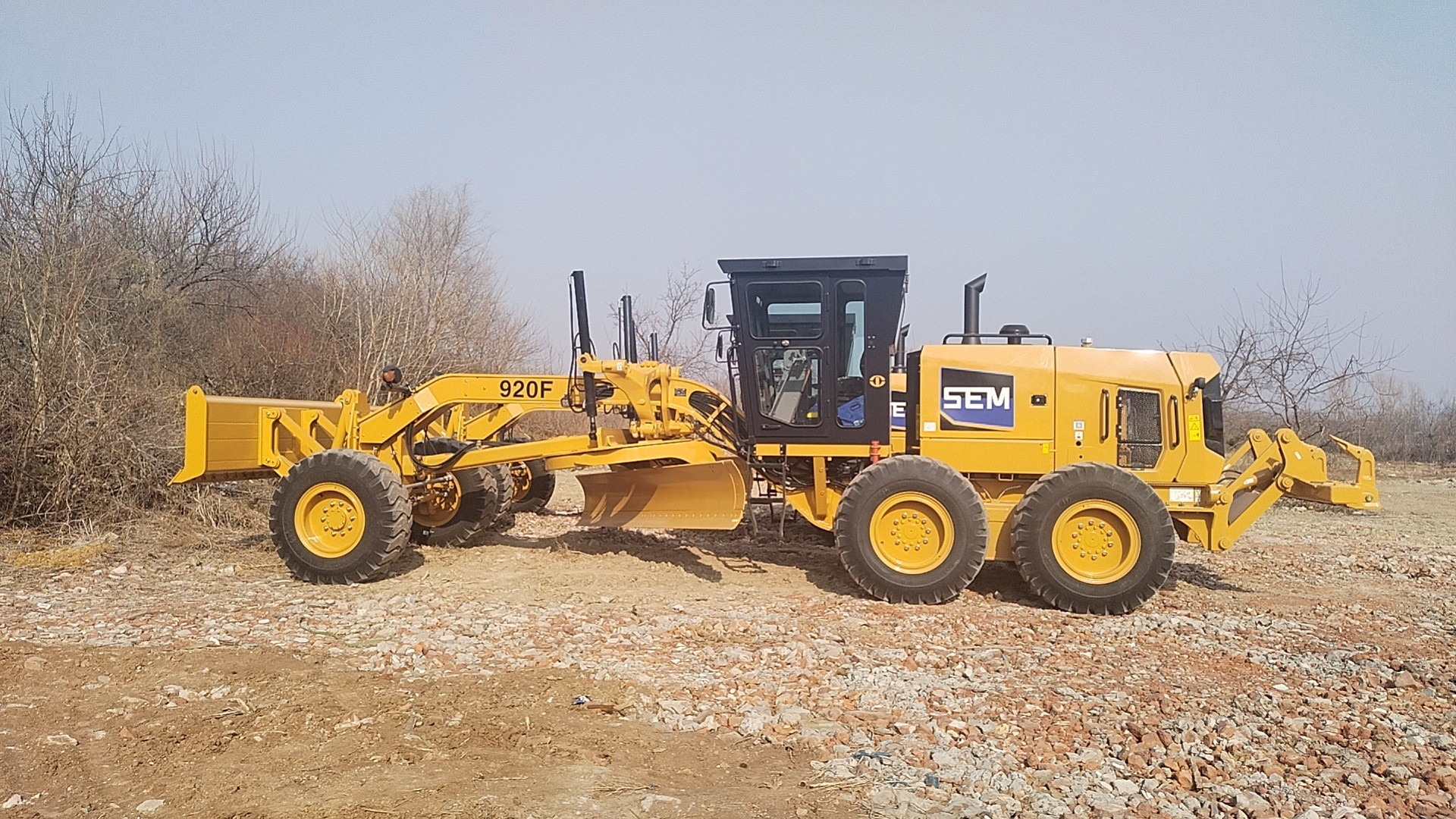
 SEM 920F Motor GraderThe SEM F Series Tier 2 Motor Grader is equipped with an SDEC engine and a PPC load-sensing hydraulic system for consistent, precise blade movement and reduced fuel consumption. The rear tandem drive is manufactured by Caterpillar and incorporates Caterpillar’s proven tandem axle design, delivering differentiated reliability, longer service life, and lower ownership and operating costs.
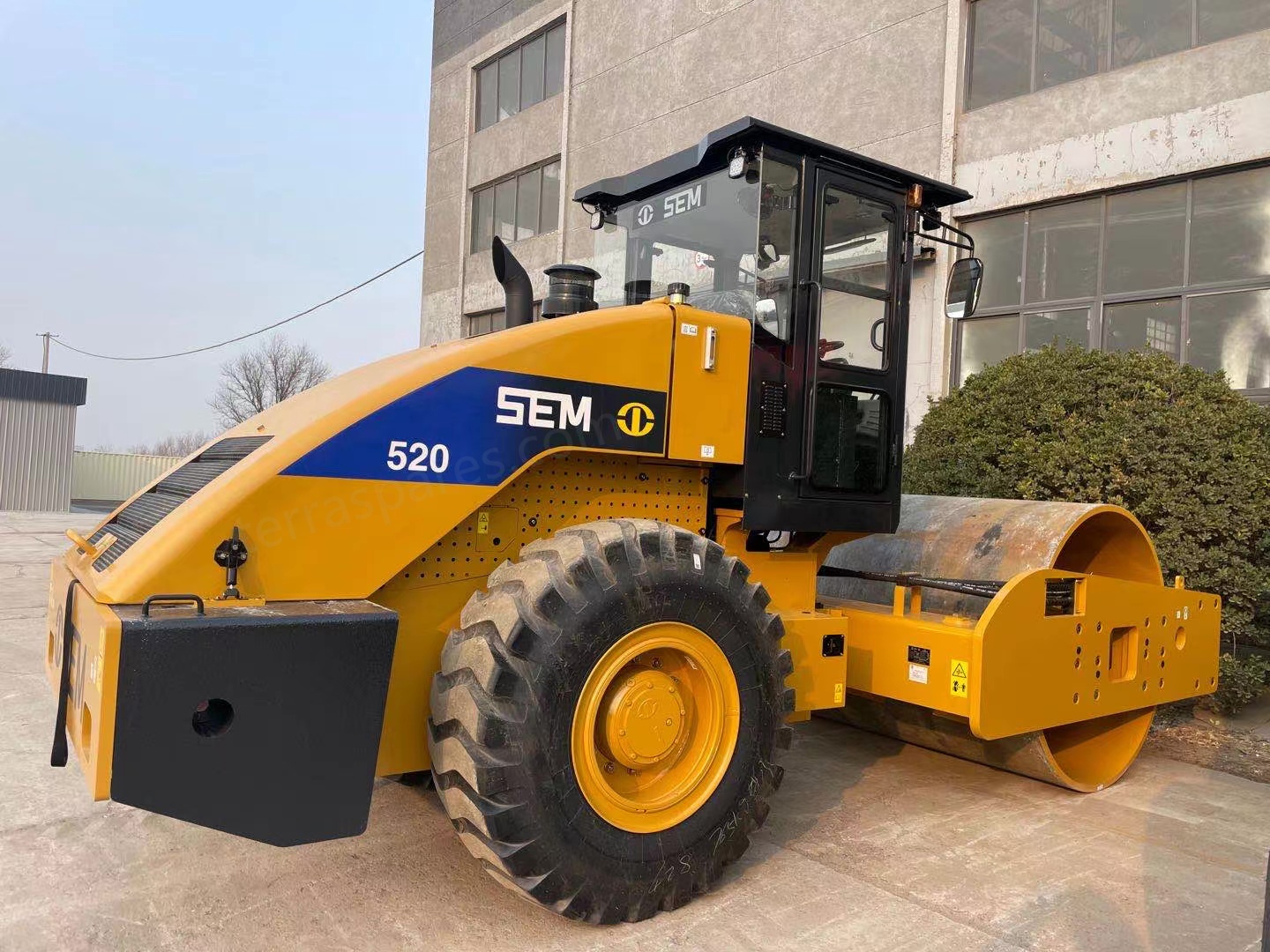
 SEM Road Roller Machines SEM 520The SEM 520 Single Drum Vibratory Road Roller is a heavy-duty compaction machine designed for large-scale road construction, highway projects and heavy earthwork tasks. Powered by a high-performance Weichai engine, it delivers steady and sufficient power for long-hour continuous operation. Equipped with the advanced pod-type sealed vibration system, it effectively resists dust and water intrusion, greatly extending the service life of core components. With powerful excitation force, optimized vibration frequency and amplitude, it achieves outstanding compaction results on soil, gravel and asphalt layers. The reinforced body structure and reliable wet brake system ensure superior stability and operational safety on various terrains. As an export-ready National II / Tier 2 model, it works well with regular fuel and features a service-friendly layout for easy daily upkeep.
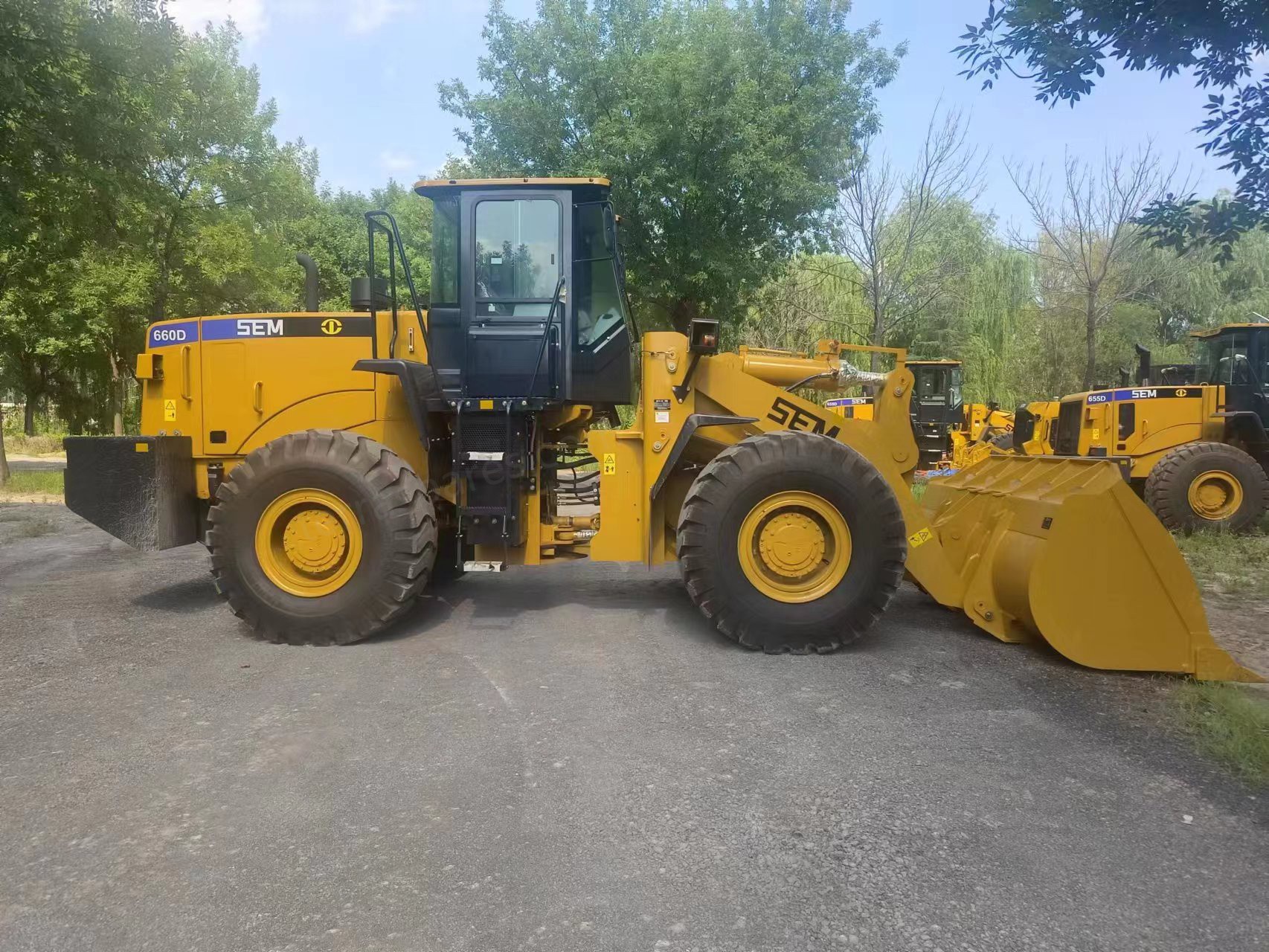
 SEM Wheel Loader Machines SEM 660D 6 Ton Wheel LoaderThe SEM 660D 6 Ton Wheel Loader is a heavy-duty, high-performance machine built to tackle the most demanding loading, stockpiling, and material handling tasks. Powered by a robust 178kW Weichai engine and paired with a durable countershaft transmission, it delivers consistent power and reliable torque for its 6-ton rated load. Equipped with advanced load-sensing hydraulics, the 660D ensures smooth, responsive operation and fast cycle times, boosting productivity on every shift. With a bucket capacity ranging from 2.8 to 5.5 m³, it adapts to a wide variety of applications, including mining, quarries, ports, and construction sites. Designed with operator comfort and low maintenance in mind, this export-ready National II / Tier 2 model runs reliably on low-quality fuel and features a simple, service-friendly layout.