-News Center-
EU CBAM Carbon Reporting Deepens for Component Exports
On May 21, 2026, the European Union significantly intensified compliance requirements under its Carbon Border Adjustment Mechanism (CBAM), extending mandatory carbon data disclosure to exporters of metal-based mechanical components and engineering parts. This development marks a pivotal shift from sectoral coverage (steel, aluminum, electricity) toward upstream supply chain transparency — directly affecting global manufacturers whose products integrate regulated materials, even as sub-assemblies or zero-assembly components.
Event Overview
Starting in 2026, the EU CBAM mandates that exporters of steel, aluminum, cement, hydrogen, electricity, and fertilizers submit verified, full-life-cycle greenhouse gas emission data for covered goods. Crucially, this requirement now explicitly applies to downstream products containing these materials — including mechanical parts, structural components, and electromechanical assemblies exported to the EU. Exporters must report not only their own production emissions but also upstream Scope 1 and Scope 2 emissions from raw material suppliers, with all data subject to third-party verification prior to customs clearance.
Industries Affected
Direct Trading Enterprises: Companies engaged in cross-border export of finished mechanical parts (e.g., gearboxes, chassis brackets, motor housings) face new pre-clearance obligations. Impact manifests in extended lead times due to data collection and verification cycles, increased administrative overhead, and potential loss of EU customer contracts if reporting fails to meet CBAM Registry standards.
Raw Material Procurement Enterprises: Firms sourcing semi-finished metals (e.g., rolled steel, extruded aluminum alloys, forged billets) must now demand certified carbon intensity data from upstream smelters and refiners. Their ability to compile compliant input data directly determines whether downstream customers can meet CBAM filing deadlines — transforming procurement due diligence into a regulatory dependency.
Contract Manufacturing & Fabrication Enterprises: Tier-2 and Tier-3 metal fabricators (e.g., CNC machining shops, sheet metal stampers, welding specialists) are now operationally implicated — even when they do not hold export licenses. Their energy consumption patterns, process fuel types, and heat treatment methods contribute to final product carbon footprints; many lack internal GHG accounting systems and face urgent capability gaps in emission quantification and documentation.
Supply Chain Service Providers: Logistics integrators, customs brokers, and trade compliance consultants must expand service scopes to include CBAM-specific data validation, registry account management, and audit readiness support. Demand is rising for bilingual (EU language + English) professionals trained in both ISO 14067 and EU Commission Implementing Regulation (EU) 2023/1773 — yet certified capacity remains limited across major exporting regions.
Key Focus Areas and Response Measures
Map and quantify upstream carbon exposure
Exporters must identify all regulated-material inputs (e.g., EN10025 steel plate, EN AW-6061 aluminum extrusions) in BOMs and trace them to Tier-1 and Tier-2 suppliers. A tiered supplier engagement protocol — prioritizing those supplying >5% of total embodied carbon — is now essential for efficient data collection.
Adopt CBAM-aligned GHG accounting protocols early
Waiting for national guidance is no longer viable. Firms should implement calculation methodologies aligned with EU Commission’s ‘CBAM Guidance on Emission Quantification’ (v3.1, Jan 2026), using default values only where primary data is unavailable — and documenting all assumptions transparently for verifier review.
Integrate carbon data into ERP and PLM systems
Manual spreadsheets are insufficient for recurring quarterly CBAM reporting. Leading firms are embedding carbon tracking fields into existing ERP modules (e.g., SAP S/4HANA CO-PA) and PLM platforms (e.g., Siemens Teamcenter), enabling automated aggregation of energy, fuel, and material data across production lines.
Editorial Perspective / Industry Observation
Observably, the CBAM’s expansion into component-level reporting signals a structural recalibration of global industrial accountability — shifting emphasis from facility-level emissions to product-level carbon provenance. Analysis shows this is less about revenue generation (CBAM revenues remain marginal relative to EU climate budget) and more about accelerating decarbonization incentives across transnational value chains. From an industry perspective, the policy functions as a de facto harmonization lever: it pressures non-EU jurisdictions to develop interoperable carbon accounting frameworks or risk competitive erosion in high-value manufacturing exports. Current evidence suggests adoption lags most significantly among SMEs lacking dedicated sustainability teams — a gap unlikely to close without targeted technical assistance programs.
Conclusion
This CBAM evolution does not merely raise compliance stakes — it redefines what constitutes ‘market access’ for precision manufacturing exporters. The requirement to disclose upstream carbon data transforms supply chain visibility from a strategic advantage into a regulatory prerequisite. Rational assessment indicates that early adopters who treat carbon data as core operational intelligence — rather than a periodic compliance burden — will gain measurable advantages in customer trust, financing terms, and resilience against future environmental trade measures.
Source Attribution
European Commission, Implementing Regulation (EU) 2023/1773 (as amended by Corrigendum C/2026/1892); EU CBAM Transitional Registry User Manual v4.0 (April 2026); European Environment Agency (EEA) Technical Note ‘Scope 3 Data Requirements for CBAM Declarants’, March 2026. Ongoing monitoring required for national implementation guidelines issued by Germany’s Zoll and France’s DGDDI, expected Q3 2026.
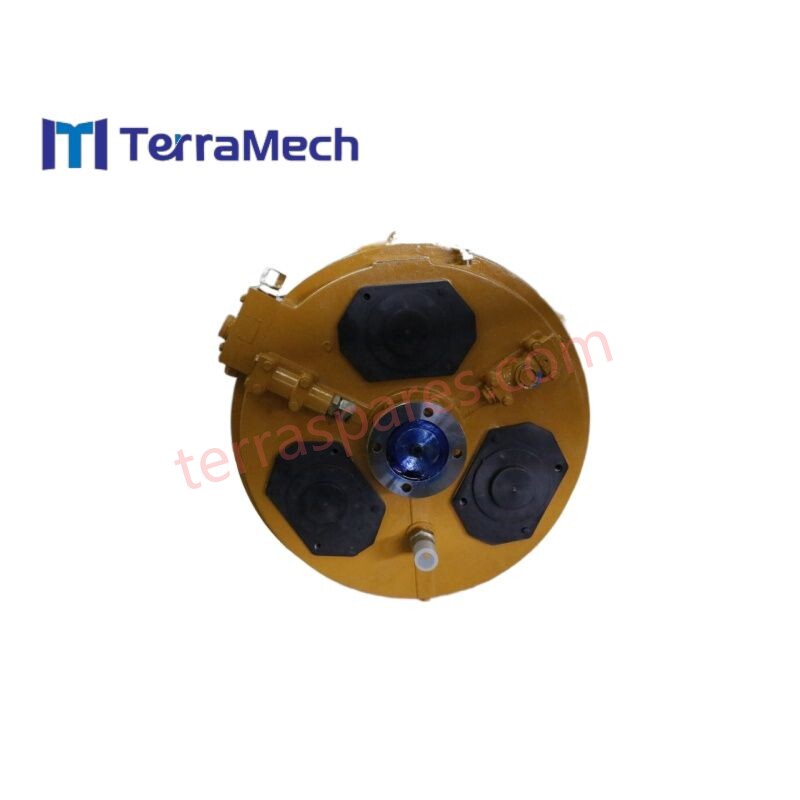
 5508972 SEM TORQUE CONVERTER WHEEL LOADER SPARE PARTSAccessories Category:Torque Converter System
Accessories Name: YJ380 Torque Converter
SEM Accessories Code:5508972
Specification: 5508972
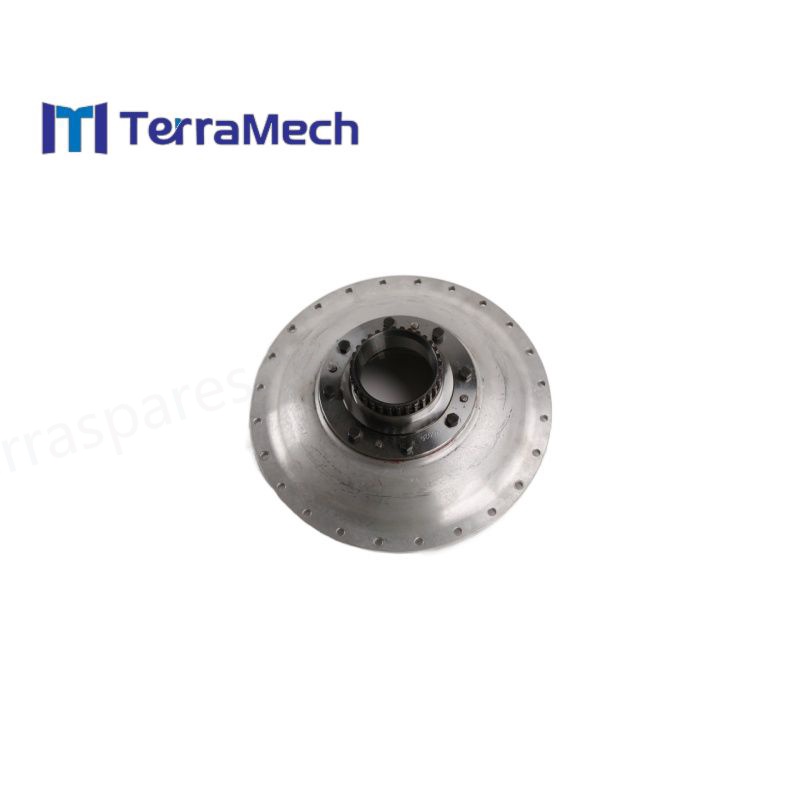
Suitable Vehicle Model:SEM663D SEM660D 5371024 PULLEY SEM WHEEL LOADER PULLEY SPARE PARTSSEM618D SEM636D SEM655D WHEEL LOADER TRANSMISSION SPARE PARTS
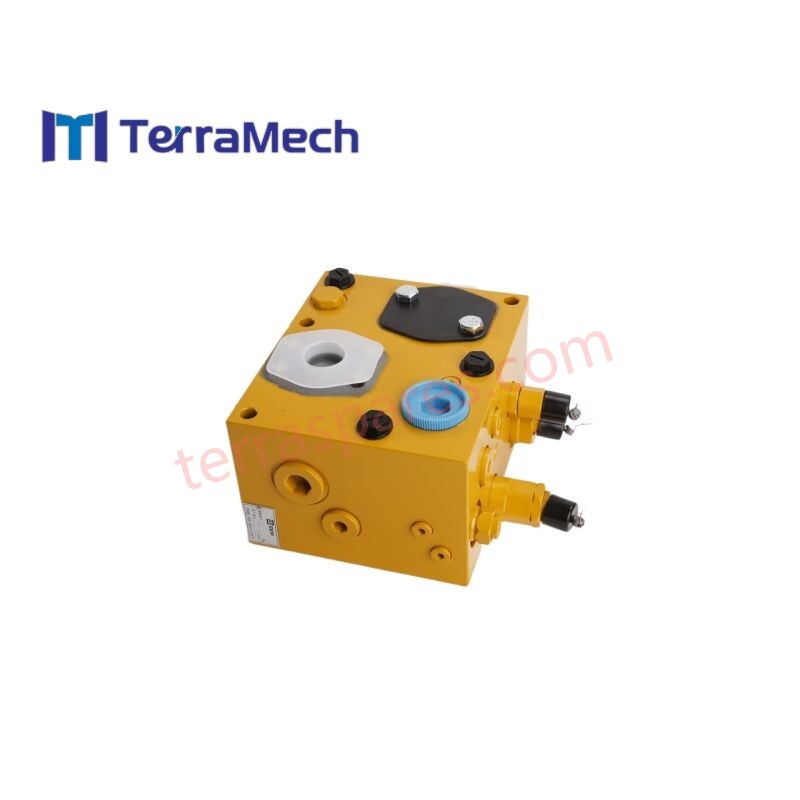
 5846875 VALVE SEM WHEEL LOADER GENUINE VALVE PARTSAccessories Category:Hydraulic System
Accessories Name: Cartridge valve
SEM Accessories Code:5846875
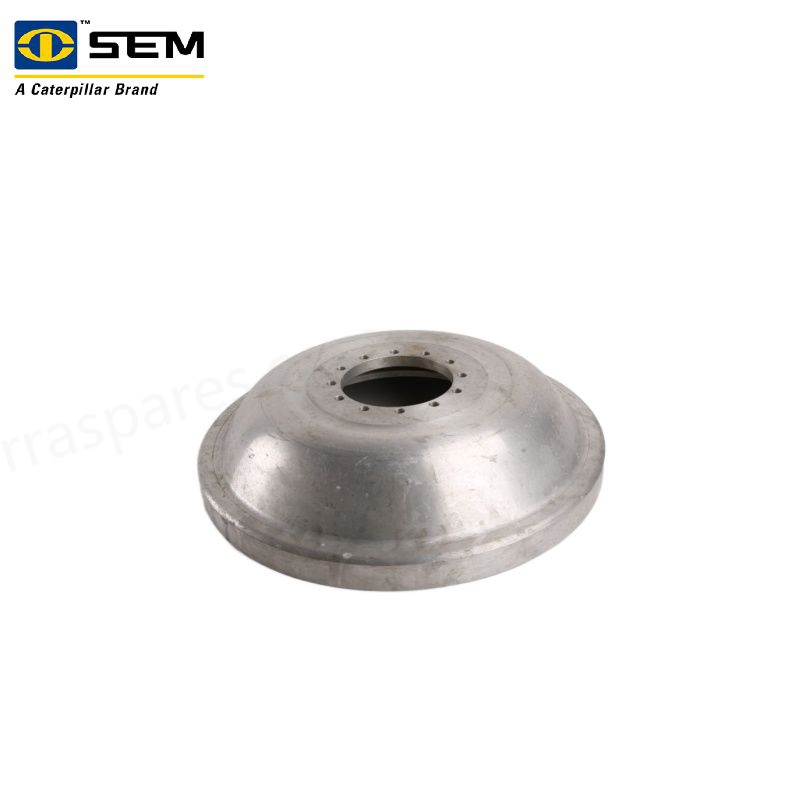
Specification:5846875 5402771 Pulley SEM WHEEL LOADER TRANSMISSION PARTSSEM636D SEM655D SEM656D WHEEL LOADER PARTS