-News Center-
Vietnam Proposes 3% Special Duty on Bearings from China, Korea, Germany
On April 18, 2026, Vietnam’s Ministry of Industry and Trade issued Notification No. 127/TM-CN, proposing a two-year 3% special regulatory tax on imported rolling bearings (HS code 8482) from China, South Korea, and Germany. This move targets import surges and domestic underutilization — and warrants close attention from bearing exporters, distributors, and industrial equipment supply chain stakeholders operating in or serving the Vietnamese market.
Event Overview
On April 18, 2026, the Vietnamese Ministry of Industry and Trade published Notification No. 127/TM-CN, announcing its proposal to impose a 3% special regulatory tax on imports of rolling bearings (HS 8482) originating from China, South Korea, and Germany. The proposed duty would apply for two years. The stated justification is that domestic bearing production capacity utilization stands below 65%, while imports of these products have increased by over 22%. Public consultation on the proposal runs until May 18, 2026. If implemented, the measure is expected to affect approximately USD 1.2 billion in annual Chinese bearing exports to Vietnam.
Which Subsectors Are Affected?
Direct Exporters (especially Chinese bearing manufacturers)
These companies face potential cost increases on shipments to Vietnam. Since the proposed duty applies specifically to HS 8482 goods from three countries — with China accounting for an estimated USD 1.2 billion in annual exports — pricing competitiveness and order fulfillment timelines may be impacted. The effect is concentrated on finished rolling bearings, not raw materials or components outside HS 8482.
Distributors and Importers in Vietnam
Vietnamese-based importers and industrial parts distributors handling HS 8482 bearings from the listed countries may need to revise landed cost calculations, adjust inventory planning, and renegotiate terms with overseas suppliers ahead of any implementation. Margins could compress unless price adjustments are passed on — which may affect downstream demand in maintenance, repair, and operations (MRO) channels.
OEMs and Contract Manufacturers Using Imported Bearings
Domestic Vietnamese equipment assemblers — particularly in machinery, automotive components, and electric motor production — often rely on imported HS 8482 bearings for performance or cost reasons. A sustained 3% import cost increase could pressure input cost structures, especially where local alternatives are limited or unqualified for specific applications.
Supply Chain and Logistics Service Providers
Firms offering customs brokerage, tariff classification advisory, or trade compliance support for mechanical components may see rising demand for HS 8482-specific guidance. Accurate tariff coding and origin documentation will become more critical during the consultation and potential implementation phase.
What Should Relevant Businesses Monitor and Do Now?
Track official updates through Vietnam’s Ministry of Industry and Trade
The proposal remains in the public consultation stage until May 18, 2026. Stakeholders should monitor the Ministry’s official portal for revisions, stakeholder feedback summaries, or formal issuance of a decision — which would determine whether the duty proceeds, at what rate, and with what effective date.
Verify HS code alignment and origin documentation for affected shipments
Only HS 8482 rolling bearings from China, South Korea, and Germany are named. Companies should confirm product classification accuracy and ensure origin declarations meet Vietnam’s requirements — as misclassification or incomplete documentation could trigger delays or penalties regardless of final duty status.
Distinguish between policy signal and enforceable obligation
This is a proposed regulatory measure, not yet law. While the stated rationale (sub-65% domestic capacity utilization + >22% import growth) signals sectoral concern, no definitive timeline or legal force exists prior to formal adoption. Businesses should avoid premature operational changes but prepare contingency options — such as alternative sourcing routes or localized stockpiling — only if further signals indicate high likelihood of implementation.
Assess near-term procurement timing and inventory strategy
If the duty takes effect retroactively or with short notice post-consultation, importers may consider adjusting shipment schedules or building buffer stock ahead of the May 18 deadline — provided commercial and logistical conditions allow. Such decisions should be weighed against storage costs and demand visibility.
Editorial Observation / Industry Perspective
From an industry perspective, this proposal is best understood as a targeted trade safeguard signal — not an immediate tariff imposition. It reflects growing policy attention on intermediate industrial inputs within Vietnam’s manufacturing upgrade agenda. Analysis来看, the choice of HS 8482 — a globally standardized, high-volume mechanical component — suggests intent to protect domestic bearing producers without broadly disrupting upstream or downstream sectors. Observation来看, the narrow scope (three countries, two-year duration, single-digit rate) indicates caution; it is more likely a negotiating lever or early-stage corrective measure than a sweeping protectionist shift. Current more appropriate interpretation is that this is a procedural milestone in Vietnam’s evolving industrial policy framework — one requiring monitoring, not alarm.
It remains to be seen whether similar measures extend to other mechanical components in the future — but for now, HS 8482 is the sole focus.
Conclusion
This proposal does not yet change trade conditions — but it introduces measurable policy risk for exporters and importers of rolling bearings into Vietnam. Its significance lies less in the 3% rate itself and more in what it signals about Vietnam’s willingness to use targeted fiscal tools to address perceived imbalances in domestic industrial capacity. For stakeholders, the most rational stance is disciplined vigilance: treat the notice as an actionable data point for compliance planning, not as a trigger for broad strategic revision.
Source Attribution
Main source: Vietnam Ministry of Industry and Trade, Notification No. 127/TM-CN, issued April 18, 2026.
Public consultation period ends May 18, 2026 — implementation status remains pending and subject to official confirmation.
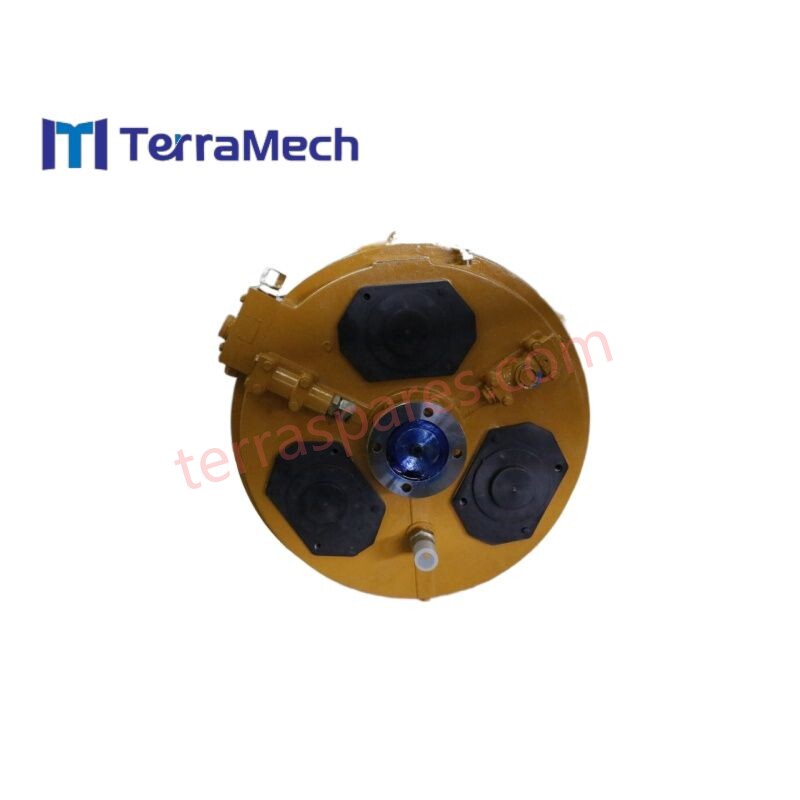
 5508972 SEM TORQUE CONVERTER WHEEL LOADER SPARE PARTSAccessories Category:Torque Converter System
Accessories Name: YJ380 Torque Converter
SEM Accessories Code:5508972
Specification: 5508972
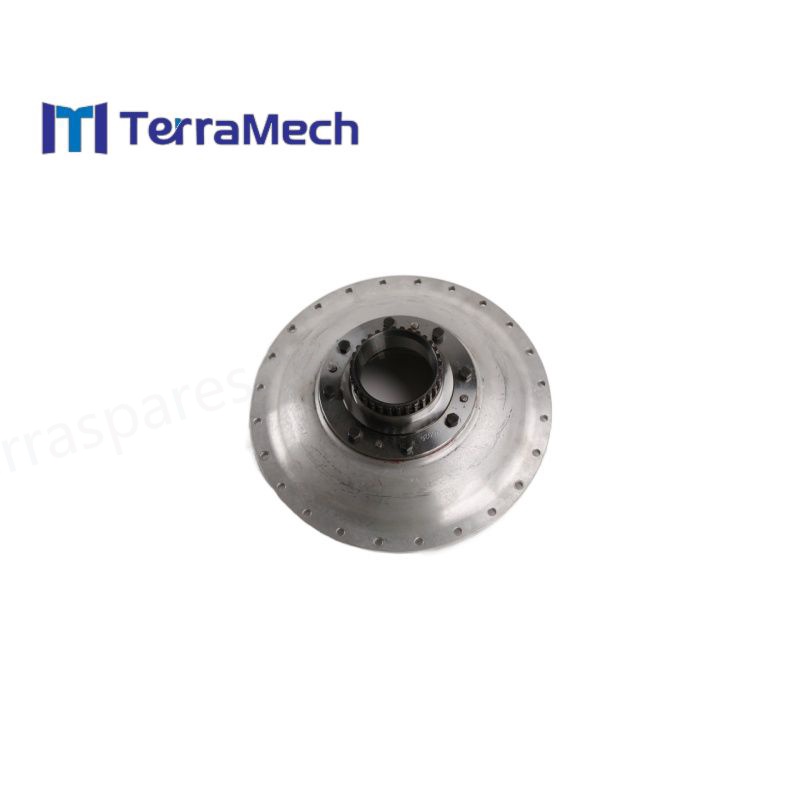
Suitable Vehicle Model:SEM663D SEM660D 5371024 PULLEY SEM WHEEL LOADER PULLEY SPARE PARTSSEM618D SEM636D SEM655D WHEEL LOADER TRANSMISSION SPARE PARTS
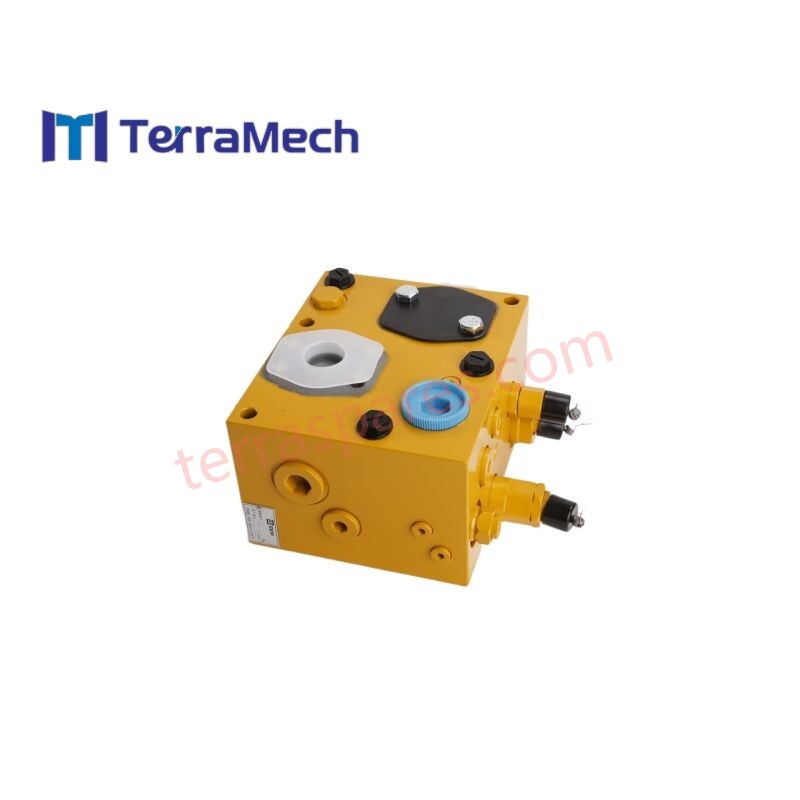
 5846875 VALVE SEM WHEEL LOADER GENUINE VALVE PARTSAccessories Category:Hydraulic System
Accessories Name: Cartridge valve
SEM Accessories Code:5846875
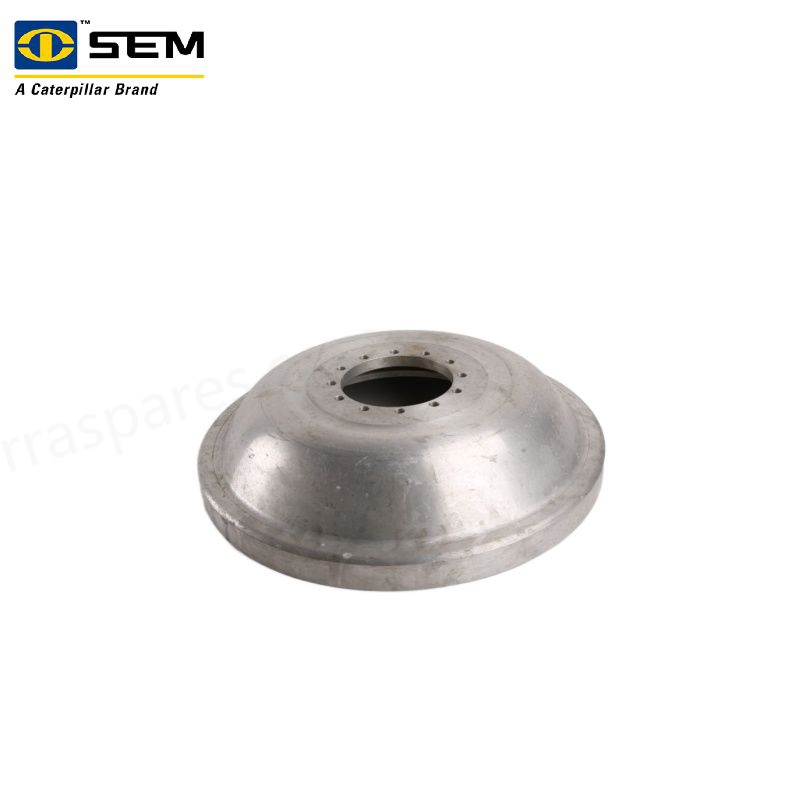
Specification:5846875 5402771 Pulley SEM WHEEL LOADER TRANSMISSION PARTSSEM636D SEM655D SEM656D WHEEL LOADER PARTS