-News Center-
RCEP Launches Cross-Border Repair & Re-Export Fast Track for Machinery Parts in Shenzhen
On April 19, 2026, the first RCEP-enabled cross-border repair and re-export pilot for mechanical parts was completed in Shenzhen — marking a procedural milestone for maintenance-based trade under the agreement. This development is especially relevant for enterprises engaged in hydraulic systems, industrial pumps, valve assemblies, and precision fluid-control components across ASEAN-China supply chains.
Event Overview
On April 19, 2026, Shenzhen Customs, in coordination with customs authorities from three ASEAN countries, executed the first live test of the RCEP cross-border repair and re-export mechanism. A faulty hydraulic pump originating from Thailand was sent to a bonded maintenance center in Shenzhen, where it underwent seal replacement and calibration. It was then re-exported within 48 hours, cleared duty-free under an RCEP origin declaration, with no bond deposit required. The mechanism is now available in 21 comprehensive bonded zones nationwide and applies specifically to repaired goods classified under HS codes 8413 and 8481.
Which Subsectors Are Affected
Direct Trade Enterprises
Companies exporting or importing machinery parts for repair between RCEP member economies face revised customs treatment: faster clearance, zero tariff on re-export, and simplified documentation. The change directly affects transaction timing, landed cost calculation, and compliance workflows — particularly for firms handling time-sensitive equipment repairs across borders.
Repair & Maintenance Service Providers
Firms operating in bonded maintenance centers (especially those certified for HS 8413/8481 items) gain a standardized, treaty-backed framework to attract regional repair orders. Eligibility hinges on maintaining proper recordkeeping for repair scope, part traceability, and origin declaration submission — not just technical capability.
Industrial Equipment Manufacturers
Manufacturers outsourcing after-sales service or warranty repairs to China-based facilities may now route more repair volumes through Shenzhen or other designated bonded zones. This could shift service-level agreements, logistics routing, and spare-parts inventory planning — but only for products falling under the two specified HS codes.
Supply Chain & Logistics Operators
Cross-border repair flows introduce new documentation triggers (e.g., RCEP origin declarations for repaired goods, not just originals) and tighter turnaround expectations (48-hour target). Forwarders and customs brokers must verify whether consignments qualify under the narrow HS code scope before quoting lead times or advising clients.
What Relevant Enterprises or Practitioners Should Focus On
Monitor official implementation guidelines for HS 8413/8481 repair eligibility
The mechanism currently applies only to repaired goods under HS 8413 (positive displacement pumps) and 8481 (taps, valves, similar appliances). Enterprises should confirm whether their specific parts — including sub-assemblies or modified configurations — fall unambiguously within these headings, as classification disputes may delay clearance despite the fast-track intent.
Verify origin declaration requirements for repaired goods
Unlike standard RCEP exports, this channel requires origin declarations covering the repaired item, not the original component. Firms must ensure their ASEAN-based exporters understand how to issue valid declarations reflecting post-repair origin criteria — which differ from those applied to new goods.
Assess bonded zone operational readiness beyond Shenzhen
Although extended to 21 comprehensive bonded zones, actual processing capacity, customs familiarity with the procedure, and local support infrastructure vary. Companies planning to scale use of this channel should conduct due diligence on non-Shenzhen zones — including turnaround history, IT system compatibility, and staff training status — before shifting volume.
Separate policy signal from immediate scalability
This is a pilot-tested mechanism, not a fully scaled program. While the 48-hour result is confirmed, average clearance times across all 21 zones remain unreported. Enterprises should treat current performance as indicative, not guaranteed — and retain contingency plans for standard repair import/export procedures until broader operational data emerges.
Editorial Perspective / Industry Observation
From an industry perspective, this initiative is best understood as a targeted procedural upgrade — not a broad liberalization of repair trade. It addresses a specific friction point (customs delays and tariff uncertainty on repaired goods) for a narrow set of high-precision mechanical components. Analysis来看, its value lies less in immediate cost savings and more in signaling regulatory willingness to adapt RCEP implementation to service-integrated manufacturing models. Observation来看, the focus on HS 8413/8481 suggests early-stage prioritization of fluid-power systems — a sector where repair cycles, part longevity, and cross-border service networks are already mature. Current more appropriate interpretation is that this is a test case for future expansion to other HS categories, rather than a standalone trade facilitation tool.
It is not yet a general-purpose solution for cross-border repair, nor does it alter rules of origin for new goods or simplify non-repair-related maintenance activities (e.g., software updates, diagnostics-only visits). Its durability and scalability will depend on consistent inter-agency alignment among RCEP members — particularly on origin certification standards for repaired items — which remains an area requiring ongoing observation.
Conclusion
This RCEP cross-border repair fast track represents a concrete step toward operationalizing trade agreement provisions for circular-service models in capital goods industries. However, its current scope is tightly bounded by product classification, geography, and procedural prerequisites. For affected enterprises, the priority is not adoption at scale, but disciplined qualification, documentation discipline, and measured scaling based on verified zone-level performance — not headline timelines.
Source Attribution
Primary information sourced from official announcements issued jointly by Shenzhen Customs and participating ASEAN customs administrations on April 19, 2026. Ongoing implementation details — including full list of 21 bonded zones, average clearance times outside Shenzhen, and guidance on origin declaration formats for repaired goods — remain subject to further official publication and are noted here as areas requiring continued monitoring.
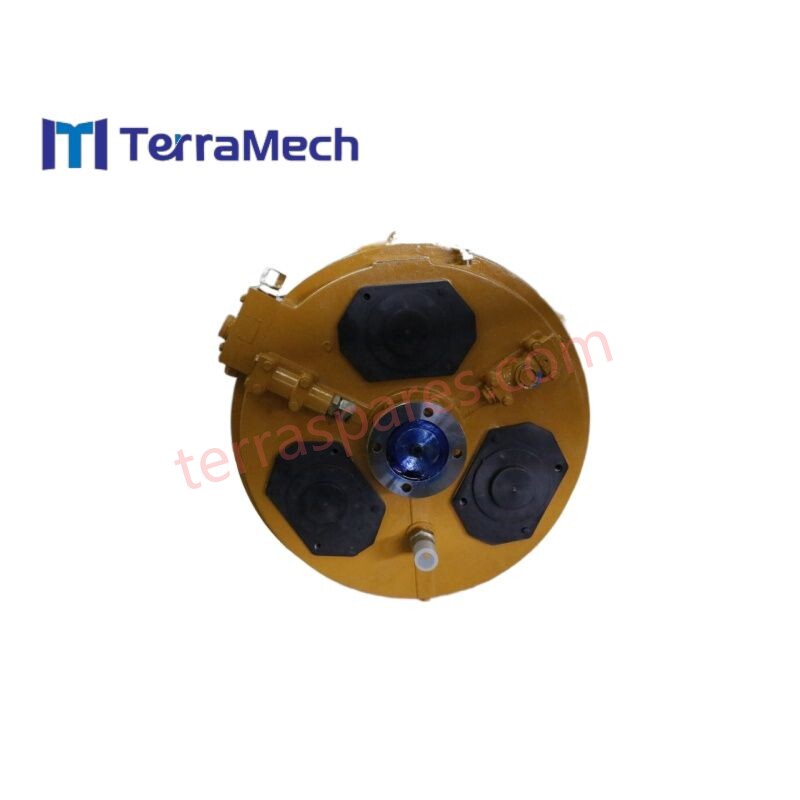
 5508972 SEM TORQUE CONVERTER WHEEL LOADER SPARE PARTSAccessories Category:Torque Converter System
Accessories Name: YJ380 Torque Converter
SEM Accessories Code:5508972
Specification: 5508972
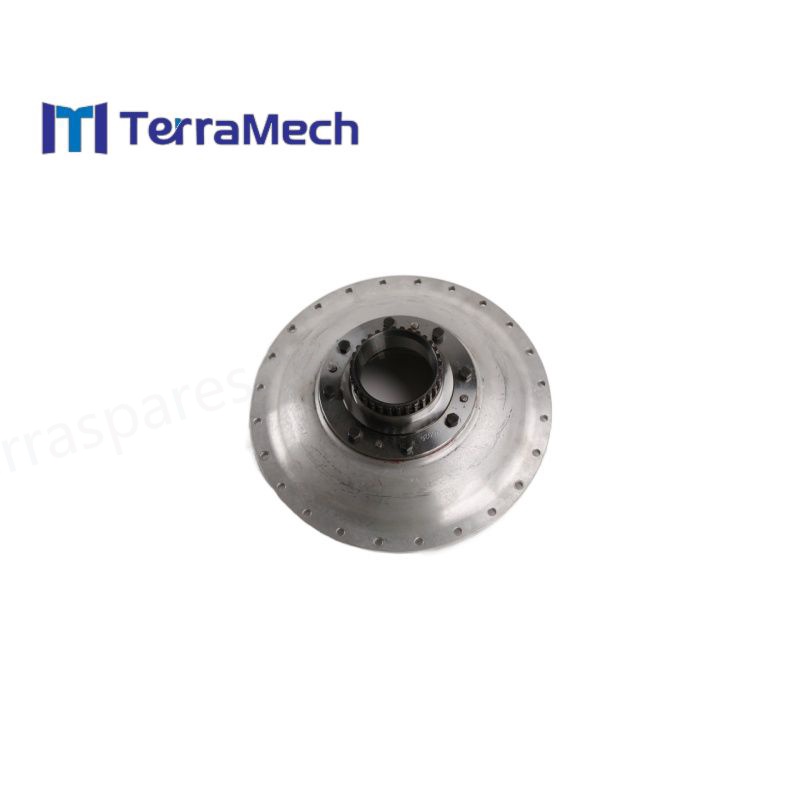
Suitable Vehicle Model:SEM663D SEM660D 5371024 PULLEY SEM WHEEL LOADER PULLEY SPARE PARTSSEM618D SEM636D SEM655D WHEEL LOADER TRANSMISSION SPARE PARTS
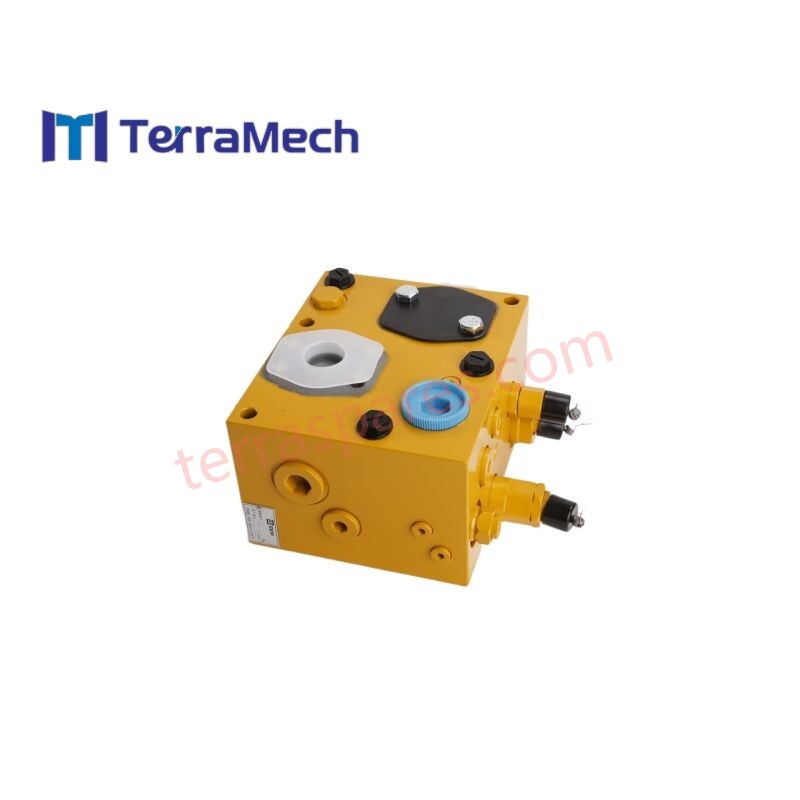
 5846875 VALVE SEM WHEEL LOADER GENUINE VALVE PARTSAccessories Category:Hydraulic System
Accessories Name: Cartridge valve
SEM Accessories Code:5846875
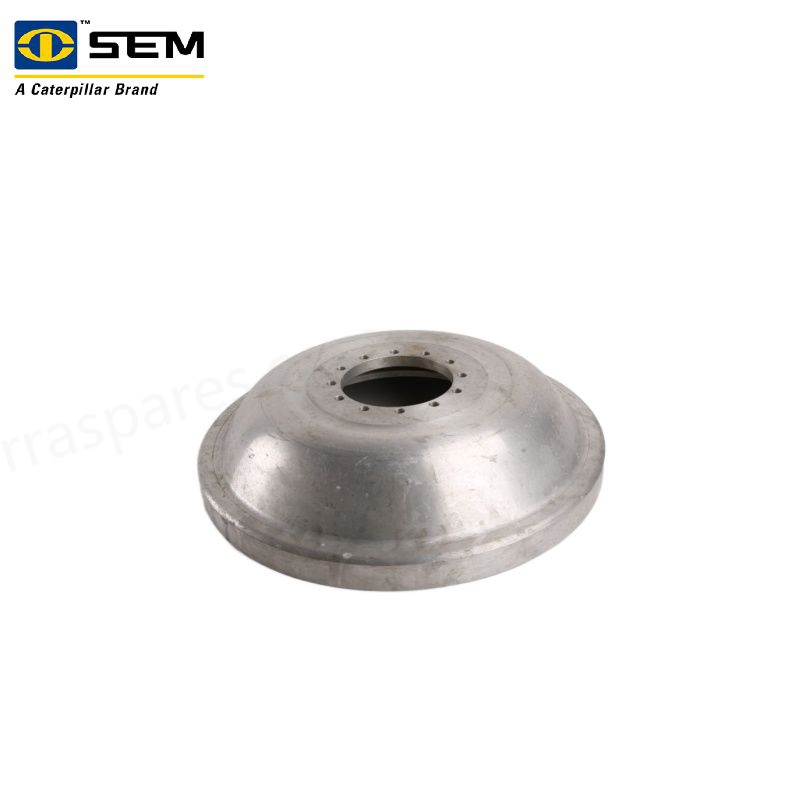
Specification:5846875 5402771 Pulley SEM WHEEL LOADER TRANSMISSION PARTSSEM636D SEM655D SEM656D WHEEL LOADER PARTS