-News Center-
EU REACH Annex XVII Adds Cr(VI) Limit for Mechanical Fasteners
On 19 April 2026, the European Commission adopted Regulation (EU) 2026/783, adding chromium(VI)-treated mechanical fasteners — including bolts, nuts, and washers — to Annex XVII of the REACH Regulation (Entry 72), with a concentration limit of 0.001% (10 ppm). This update directly affects manufacturers and OEM suppliers in China exporting such components to the EU market, where non-compliant products risk customs rejection, market recall, and financial penalties.
Event Overview
The European Commission published Regulation (EU) 2026/783 on 19 April 2026. It amends Annex XVII of Regulation (EC) No 1907/2006 (REACH) by inserting a new restriction under Entry 72, applying specifically to mechanical fasteners with surface treatments containing hexavalent chromium (Cr(VI)). The limit is set at 0.001% by weight in the surface coating or plating layer. The restriction applies to all mechanical fasteners placed on the EU market or imported into the EU as finished parts, effective from 1 July 2026.
Industries Affected by This Restriction
Direct Exporters (EU-bound Trade Enterprises)
Companies exporting finished mechanical fasteners from China (or other third countries) to the EU must ensure compliance before shipment. Non-compliance may result in refusal of entry at EU customs, leading to delays, storage costs, and potential destruction or return of goods.
Original Equipment Manufacturers (OEM Suppliers)
OEMs supplying fasteners to EU-based automotive, industrial equipment, or construction machinery producers face contractual and regulatory exposure. Failure to meet this requirement may breach supply agreements and trigger audit findings during EU customer due diligence or product conformity assessments.
Surface Treatment & Finishing Service Providers
Plating and coating facilities that apply Cr(VI)-based passivation, chromate conversion coatings, or decorative chrome layers to fasteners will need to revise process specifications and validate alternative chemistries. Transition timelines must align with the 1 July 2026 enforcement date.
Importers & Authorised Representatives in the EU
EU-based importers and authorised representatives are legally responsible for verifying compliance of imported fasteners under REACH Article 5. They must obtain and retain documentation — including test reports and declarations of conformity — demonstrating Cr(VI) levels are below 10 ppm in the surface treatment.
Key Focus Areas and Recommended Actions for Stakeholders
Monitor official guidance and enforcement clarifications
Regulation (EU) 2026/783 enters into force on 19 April 2026 but applies from 1 July 2026. Stakeholders should track updates from the European Chemicals Agency (ECHA) and national competent authorities regarding interpretation of ‘surface treatment’, sampling methodology, and acceptable testing standards (e.g., EN ISO 3613 or equivalent).
Identify high-risk product categories and supply chain touchpoints
Focus verification efforts on fasteners subject to chromate conversion coatings (e.g., zinc-plated with yellow or olive drab passivation), decorative chrome plating, or other Cr(VI)-containing post-treatments. Map these items across bill-of-materials and trace them to specific production batches and finishing vendors.
Distinguish between regulatory adoption and operational readiness
While the legal deadline is fixed, technical readiness — including validation of Cr(VI)-free alternatives, requalification of coating processes, and updated labelling — may require lead time beyond six months. Companies should treat the regulation’s publication date (19 April 2026) as the practical start of implementation planning, not just the enforcement date.
Prepare documentation, testing, and supplier communication now
Initiate Cr(VI) testing of representative samples using accredited laboratories; request updated declarations of conformity from surface treatment suppliers; and revise internal quality control checklists to include Cr(VI) verification prior to EU shipment. Internal cross-functional alignment (procurement, QA, logistics, regulatory affairs) is critical ahead of the deadline.
Editorial Perspective / Industry Observation
From an industry perspective, this amendment signals a tightening of chemical restrictions targeting legacy surface treatment practices — not a broad-based shift in REACH policy. It reflects increasing regulatory scrutiny of Cr(VI) in finished articles, particularly where consumer or occupational exposure risks persist despite functional utility. Analysis来看, this is less a sudden policy shock and more a formalisation of expectations already emerging in EU supply chain audits and customer sustainability requirements. Current more appropriate understanding is that it consolidates existing de facto compliance pressures into binding law — making proactive alignment essential, not optional.
Observation来看, the narrow scope (mechanical fasteners only, limited to surface treatment) suggests targeted enforcement rather than systemic expansion. However, its placement within Annex XVII — alongside other substance-specific restrictions — means future amendments could follow similar patterns for adjacent metal components (e.g., springs, hinges, or stamped parts). Industry stakeholders should therefore treat this as both a discrete compliance milestone and an early indicator of evolving EU chemical management priorities.
Current more appropriate understanding is that this regulation functions primarily as a legal enforcement mechanism for an already-anticipated requirement — one increasingly embedded in EU buyer specifications and third-party certification schemes (e.g., IATF 16949, ISO 14001 audits). Its significance lies less in novelty and more in enforceability.
Conclusion
This amendment to REACH Annex XVII formalises a clear, enforceable limit for hexavalent chromium in mechanical fastener surface treatments. Its primary implication is procedural certainty: companies now have a defined timeline, scope, and threshold against which compliance will be assessed. Rather than representing a fundamental change in direction, it crystallises an ongoing trend toward stricter controls on Cr(VI) in finished metal goods. Current more appropriate understanding is that it marks the transition from voluntary or contractual expectations to mandatory legal obligation — requiring structured, evidence-based readiness, not reactive crisis management.
Information Sources
Primary source: Commission Regulation (EU) 2026/783, published in the Official Journal of the European Union on 19 April 2026. Further guidance from ECHA and national REACH enforcement authorities remains pending and will be monitored for updates.
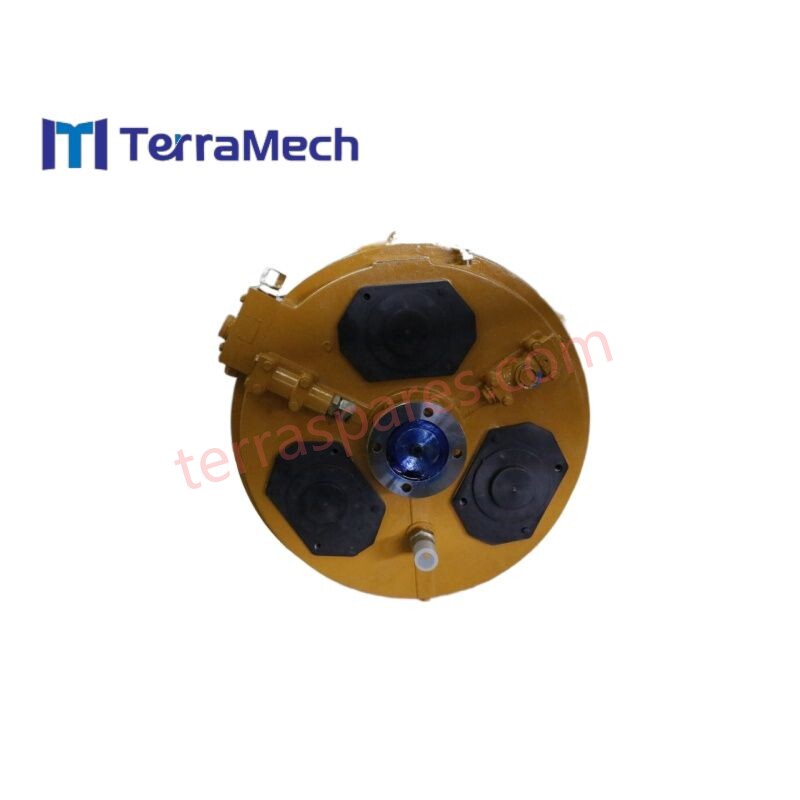
 5508972 SEM TORQUE CONVERTER WHEEL LOADER SPARE PARTSAccessories Category:Torque Converter System
Accessories Name: YJ380 Torque Converter
SEM Accessories Code:5508972
Specification: 5508972
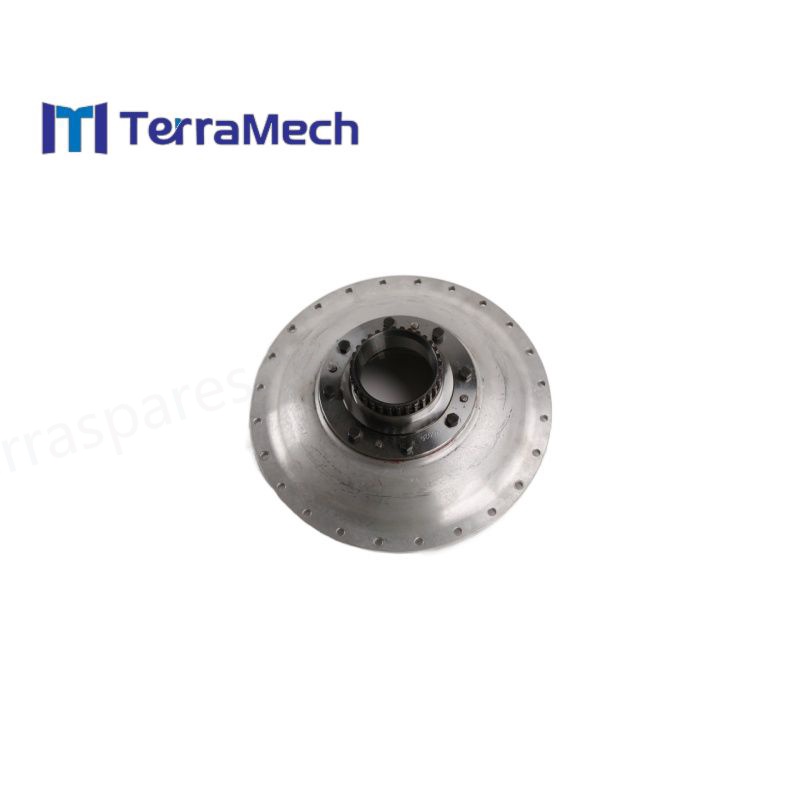
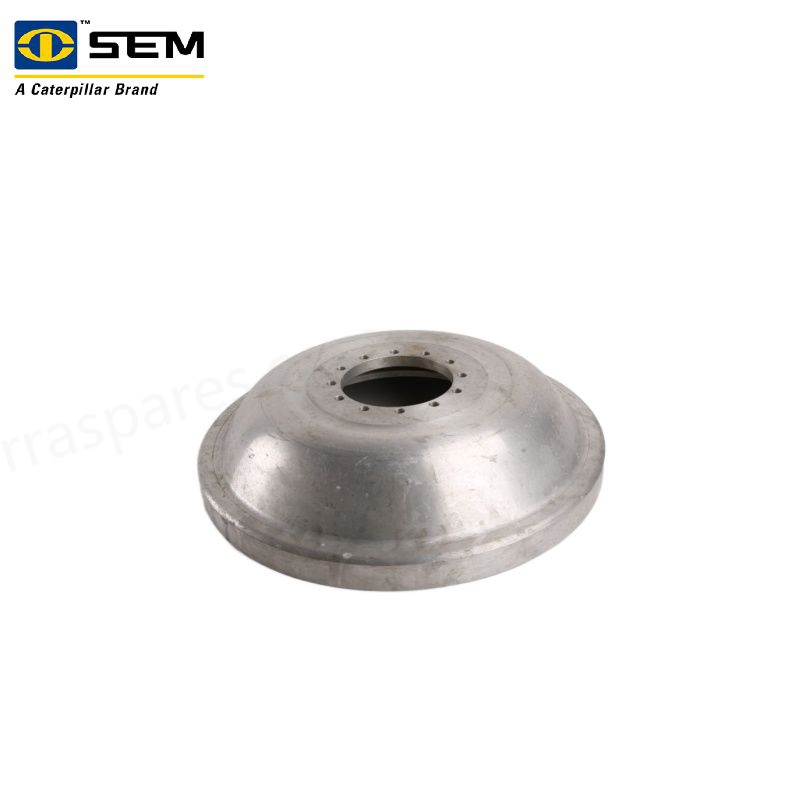
Suitable Vehicle Model:SEM663D SEM660D 5371024 PULLEY SEM WHEEL LOADER PULLEY SPARE PARTSSEM618D SEM636D SEM655D WHEEL LOADER TRANSMISSION SPARE PARTS
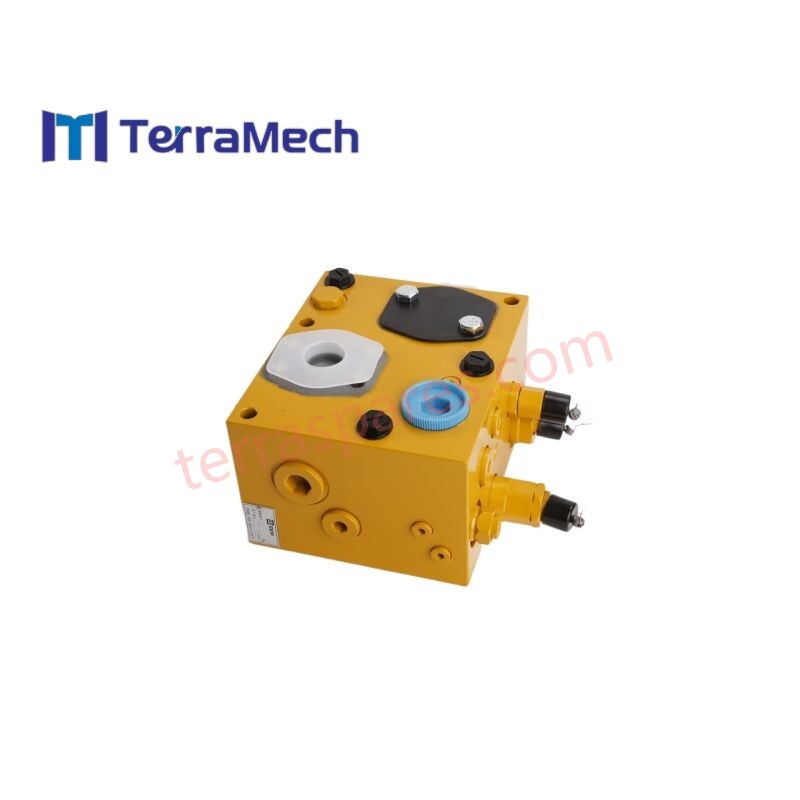
 5846875 VALVE SEM WHEEL LOADER GENUINE VALVE PARTSAccessories Category:Hydraulic System
Accessories Name: Cartridge valve
SEM Accessories Code:5846875
Specification:5846875 5402771 Pulley SEM WHEEL LOADER TRANSMISSION PARTSSEM636D SEM655D SEM656D WHEEL LOADER PARTS