-News Center-
Ningbo Port Launches Green Export Channel for Machinery Parts
Ningbo Port has launched a pilot 'Green Export Channel for Mechanical Parts' effective April 10, 2026 — the first such initiative targeting machinery exporters at a major Chinese port. This development is especially relevant for global suppliers of bearings, sprockets, and cast/forged components, as well as procurement and logistics professionals serving industrial equipment markets in North America, Europe, and Southeast Asia. It signals a tangible shift in customs efficiency for certified manufacturers exporting from China’s Yangtze River Delta.
Event Overview
On April 10, 2026, Ningbo Customs and the Ningbo Machinery Industry Association jointly initiated a pilot program at Beilun Port: the 'Green Export Channel for Mechanical Parts'. Eligible enterprises must hold both ISO 9001 and ISO 14001 certifications and maintain zero export returns over the preceding 12 months. Qualifying firms receive 'immediate release upon declaration' and are subject to low-probability inspection. Eighty-three companies were selected for the first cohort — including suppliers to XCMG and Shantui — and their average export clearance time for bearings, sprockets, and cast/forged parts dropped from 5.8 days to 2.1 days.
Industries Affected by This Initiative
Direct Exporters (OEM/ODM Manufacturers)
These enterprises — particularly those producing precision mechanical components for construction, agricultural, or material-handling equipment — experience direct operational impact. The reduction in clearance time improves cash flow predictability and reduces demurrage-related costs at port. More critically, it enables tighter alignment with overseas buyers’ just-in-time inventory cycles.
Downstream Equipment Assemblers (e.g., XCMG, Shantui Tier-2 Suppliers)
While not directly operating the channel, these firms rely on consistent inbound component delivery. Faster export clearance from upstream parts suppliers means more reliable lead times for their own production planning — especially when sourcing from Ningbo-based vendors. Any delay upstream previously risked line-stoppage; this policy mitigates that exposure.
International Procurement & Sourcing Teams
Buyers managing global supply chains — especially those with regional hubs in EU, US, or ASEAN — can now treat Ningbo-origin mechanical parts as higher-predictability SKUs. The 2.1-day average clearance window allows more accurate forecasting of landed cost timing and warehouse intake scheduling, reducing safety stock requirements.
Freight Forwarders & Customs Brokerage Firms Serving Machinery Sector
Firms specializing in mechanical parts exports from Zhejiang face evolving service expectations. With 'immediate release' becoming standard for certified clients, value shifts toward pre-clearance compliance verification (e.g., documentation readiness, classification accuracy) rather than post-submission intervention. Brokers must now differentiate based on certification support capability — not just filing speed.
What Relevant Enterprises or Practitioners Should Monitor and Act On
Track official expansion criteria and geographic scope
The current program is limited to Beilun Port and applies only to firms meeting dual ISO certification + zero-return criteria. From industry angle, its design suggests scalability — but whether it extends to other ports (e.g., Shanghai or Qingdao), adds new eligibility metrics (e.g., carbon footprint reporting), or includes additional product categories remains unconfirmed. Stakeholders should monitor announcements from Ningbo Customs and the General Administration of Customs of China (GACC).
Verify eligibility status and prepare supporting documentation
Eligibility hinges on verifiable, auditable records: valid ISO 9001/14001 certificates and 12-month export return history. Current more suitable approach is to audit internal quality and environmental management systems — and ensure traceability of export records — before applying. Firms lacking full dual certification may need 6–12 months to align, making early gap assessment critical.
Distinguish between policy intent and operational reality
'Immediate release' applies only after successful electronic declaration and system validation. Analysis shows delays still occur if HS code classification, origin statements, or packaging declarations are inconsistent. Practitioners should treat the green channel as a process optimization tool — not an automatic exemption — and prioritize data accuracy over speed alone.
Reassess procurement and inventory coordination with Ningbo-based partners
Overseas buyers relying on Ningbo-sourced parts can now revise order intervals and buffer stock levels. Observation shows lead time compression tends to be most impactful when combined with synchronized ERP-to-customs data flows. Firms should initiate joint reviews with key Ningbo suppliers on documentation handoff timelines and real-time status sharing — not just assume faster clearance equals automatic improvement.
Editorial Perspective / Industry Observation
This initiative is best understood as a targeted regulatory experiment — not yet a nationwide standard. From industry angle, it reflects growing alignment between customs modernization goals and sector-specific trade facilitation needs. Its narrow eligibility (dual ISO + clean return record) indicates regulators are prioritizing quality assurance and supply chain reliability over blanket acceleration. That makes it less a broad 'speed-up' measure and more a signal that certified manufacturing discipline is increasingly tied to tangible trade benefits. Continued observation is warranted on whether participation correlates with measurable reductions in post-arrival inspections abroad — a key downstream indicator of trust transfer.
Current more appropriate interpretation is that this is a high-signal, low-scale trial. Its significance lies not in immediate volume impact (83 firms represent a small share of total machinery exporters), but in its precedent-setting structure: linking environmental and quality management rigor directly to customs treatment. For stakeholders, the priority is assessing fit — not assuming applicability.
Conclusion
This pilot represents a concrete step toward performance-based trade facilitation for mechanical components — one where verified operational discipline translates into measurable time savings. It does not eliminate documentation or compliance requirements, nor does it apply universally. Rather, it offers a defined pathway for qualified firms to achieve greater predictability in cross-border movement of precision parts. For the broader machinery supply chain, the takeaway is pragmatic: certification and consistency matter more than ever — and their value is now being formally recognized at the port gate.
Information Sources
Main source: Official announcement issued by Ningbo Customs and Ningbo Machinery Industry Association, effective April 10, 2026.
Note: Expansion beyond Beilun Port, inclusion of additional product categories, or changes to eligibility criteria remain unconfirmed and require ongoing monitoring.
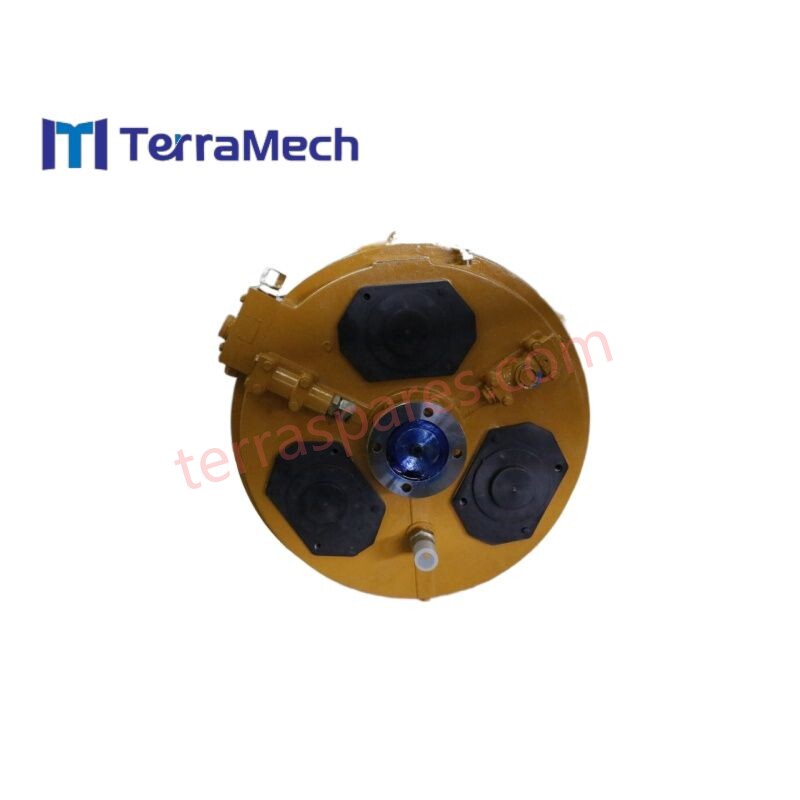
 5508972 SEM TORQUE CONVERTER WHEEL LOADER SPARE PARTSAccessories Category:Torque Converter System
Accessories Name: YJ380 Torque Converter
SEM Accessories Code:5508972
Specification: 5508972
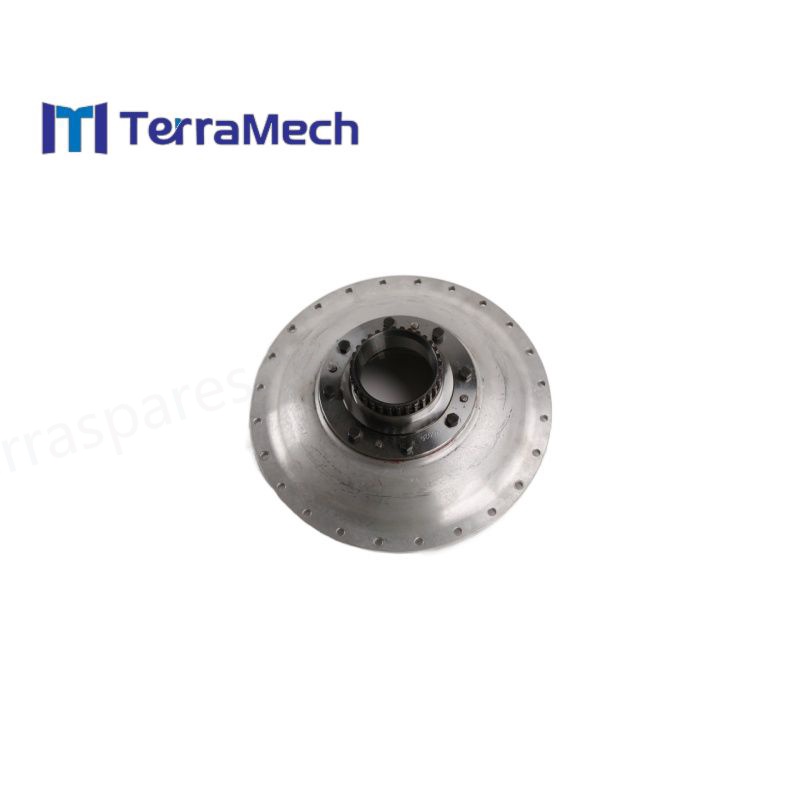
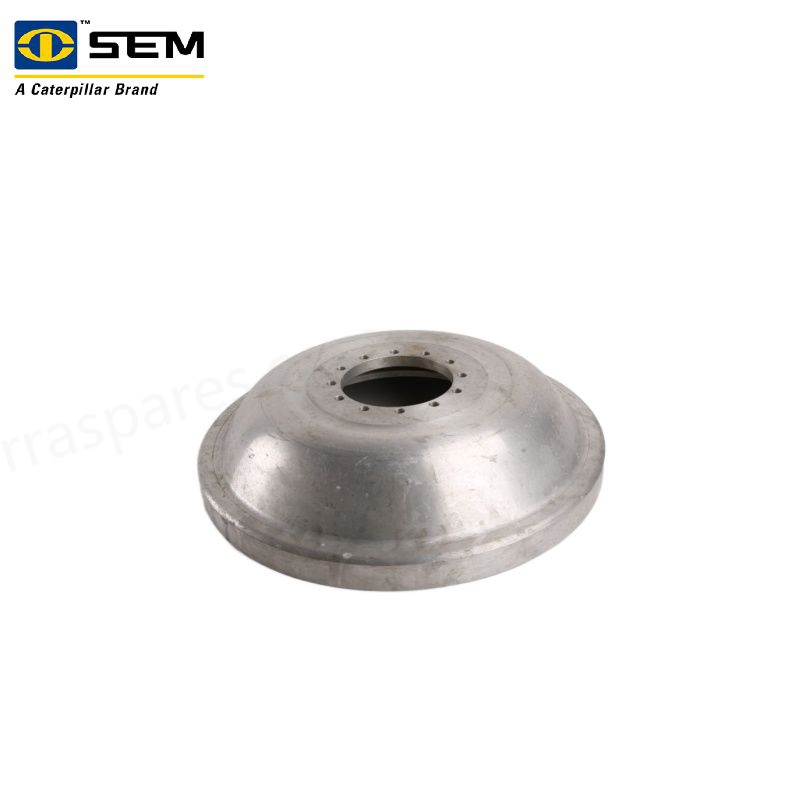
Suitable Vehicle Model:SEM663D SEM660D 5371024 PULLEY SEM WHEEL LOADER PULLEY SPARE PARTSSEM618D SEM636D SEM655D WHEEL LOADER TRANSMISSION SPARE PARTS
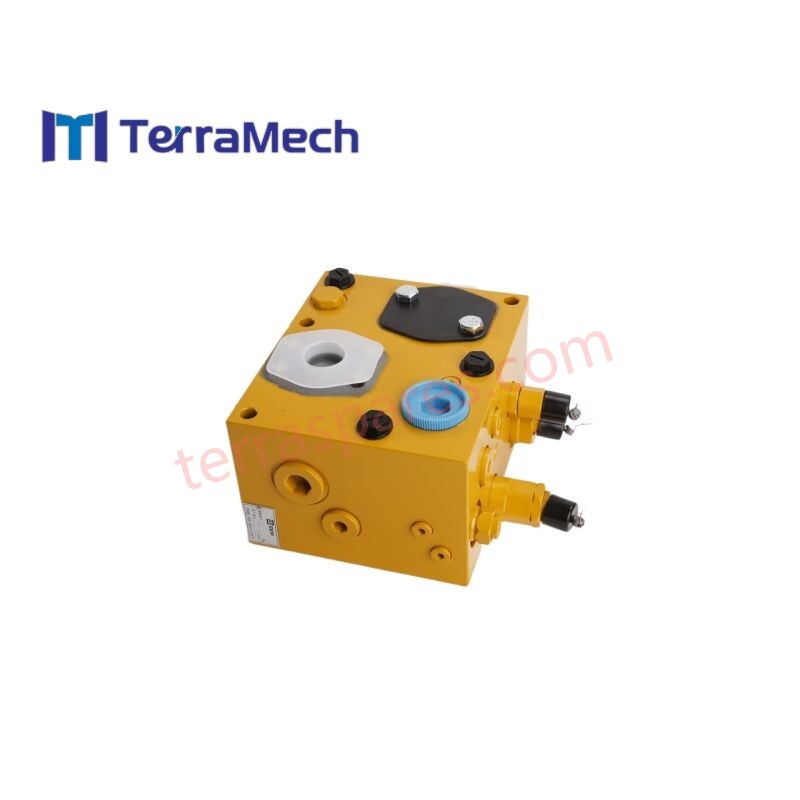
 5846875 VALVE SEM WHEEL LOADER GENUINE VALVE PARTSAccessories Category:Hydraulic System
Accessories Name: Cartridge valve
SEM Accessories Code:5846875
Specification:5846875 5402771 Pulley SEM WHEEL LOADER TRANSMISSION PARTSSEM636D SEM655D SEM656D WHEEL LOADER PARTS