-News Center-
US Expands Export Controls on Industrial Bearings to China
On April 16, 2026, the U.S. Department of Commerce’s Bureau of Industry and Security (BIS) updated the Export Administration Regulations (EAR), adding 37 Chinese entities — primarily industrial bearing manufacturers, testing labs, and supporting suppliers — to the Entity List. This action directly affects companies involved in high-precision bearing production, including P4/P2-grade angular contact ball bearings and high-speed railway axle box bearings, and signals heightened scrutiny of advanced manufacturing supply chains.
Event Overview
On April 16, 2026, the U.S. Bureau of Industry and Security (BIS) amended the Export Administration Regulations (EAR) by listing 37 Chinese entities on the Entity List. These entities are engaged in industrial bearing manufacturing, quality inspection, and related support activities. The restriction specifically targets U.S.-origin high-precision grinding machines, online dynamic balancing instruments, and AI-powered quality inspection software. No further details regarding implementation timelines, licensing policies, or exemptions have been publicly released as of the update date.
Industries Affected by Segment
Direct Exporters & Trade Intermediaries
These firms face immediate disruption in fulfilling orders for high-precision bearings destined for end markets requiring U.S.-sourced enabling equipment or software. Because the controls target inputs critical to achieving P4/P2 tolerances, export delivery schedules — especially for aerospace, rail, and precision machinery applications — may be extended or suspended pending alternative process validation.
Bearing Component & Raw Material Suppliers
Suppliers of specialty steels, ceramic rolling elements, or cage materials may experience downstream demand softness if bearing manufacturers scale back high-tier production lines. While not directly restricted, their revenue exposure correlates with the operational continuity of listed entities’ precision machining capabilities.
Domestic Bearing Manufacturers (Non-Listed)
Unlisted Chinese bearing makers may see short-term order diversion but remain subject to indirect constraints: sourcing of calibrated metrology tools, certified calibration services, or AI training datasets tied to U.S. software platforms could be curtailed, limiting scalability of next-generation quality assurance systems.
Global Distributors & Channel Partners
Overseas distributors serving OEMs in rail, wind power, or machine tool sectors must reassess the technical sustainability of current Chinese supplier portfolios. Lead-time volatility, certification gaps (e.g., ISO 9001/TS 16949 traceability under new process controls), and lack of third-party verification for AI-driven defect classification now represent material commercial risks.
What Enterprises and Practitioners Should Monitor and Do Now
Track official BIS guidance and EAR amendment notices
Monitor Federal Register updates and BIS advisory alerts for clarifications on license requirements, grandfathering provisions, or potential carve-outs for specific end-uses (e.g., civil infrastructure). No such exceptions have been confirmed to date.
Map dependencies on controlled U.S. equipment and software in precision processes
Identify whether current high-accuracy grinding, dynamic balancing, or automated optical inspection workflows rely on U.S.-origin hardware or AI models subject to EAR §744.11. Document model numbers, firmware versions, and software licensing terms — these will determine eligibility for continued use or need for replacement.
Distinguish between policy signal and enforceable restriction
This listing is an administrative control, not a blanket ban on all bearing exports. Its immediate effect is limited to U.S. persons and items subject to the EAR. Non-U.S. subsidiaries using non-U.S. tools may operate unaffected — but verification requires granular analysis of technology origin and integration pathways.
Initiate contingency planning for critical process validation
Begin documenting alternative calibration methodologies, non-U.S. metrology tooling options, and manual or open-source AI inspection frameworks. Prioritize validation for processes tied to P4/P2 grade certification — regulatory audits and customer qualification protocols may require updated evidence within 6–12 months.
Editorial Perspective / Industry Observation
From industry perspective, this action is best understood as a targeted escalation in technology access governance rather than a broad-sector embargo. It reflects growing U.S. focus on precision motion control infrastructure — a dual-use enabler across defense, rail, and semiconductor equipment domains. Analysis来看, the selection of 37 entities suggests a pattern-based enforcement approach: targeting firms with documented exports to sensitive end-users or prior involvement in state-backed industrial upgrading programs. Observation来看, the timing — ahead of anticipated revisions to multilateral Wassenaar Arrangement controls on advanced machine tools — indicates coordination with allied export control strategies. Current more appropriate interpretation is that this represents an early-stage signal of tightening standards for high-accuracy mechanical component ecosystems, not yet a fully implemented operational blockade.
This development underscores how export controls are increasingly applied at the level of enabling technologies — not just final products. For global industrial supply chains, it highlights the growing importance of mapping upstream dependencies on regulated instrumentation and software, especially where performance certification hinges on traceable, auditable process control. The shift is from product-level compliance to workflow-level transparency.
Information Source: U.S. Bureau of Industry and Security (BIS), Federal Register Notice dated April 16, 2026; Export Administration Regulations (EAR), Supplement No. 4 to Part 744. Ongoing monitoring is recommended for any supplemental FAQs or licensing policy statements issued by BIS in the coming weeks.
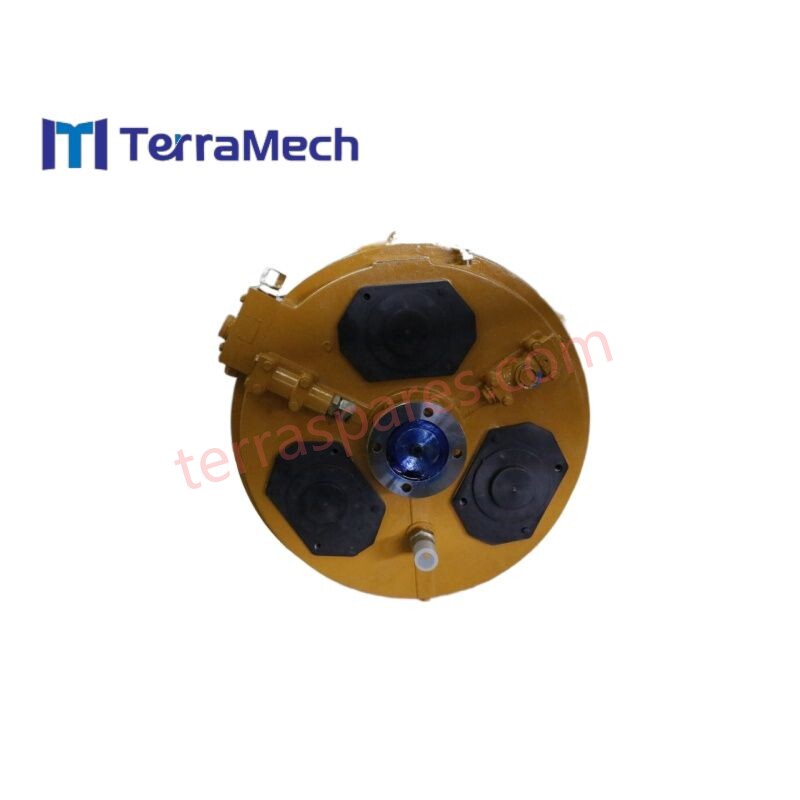
 5508972 SEM TORQUE CONVERTER WHEEL LOADER SPARE PARTSAccessories Category:Torque Converter System
Accessories Name: YJ380 Torque Converter
SEM Accessories Code:5508972
Specification: 5508972
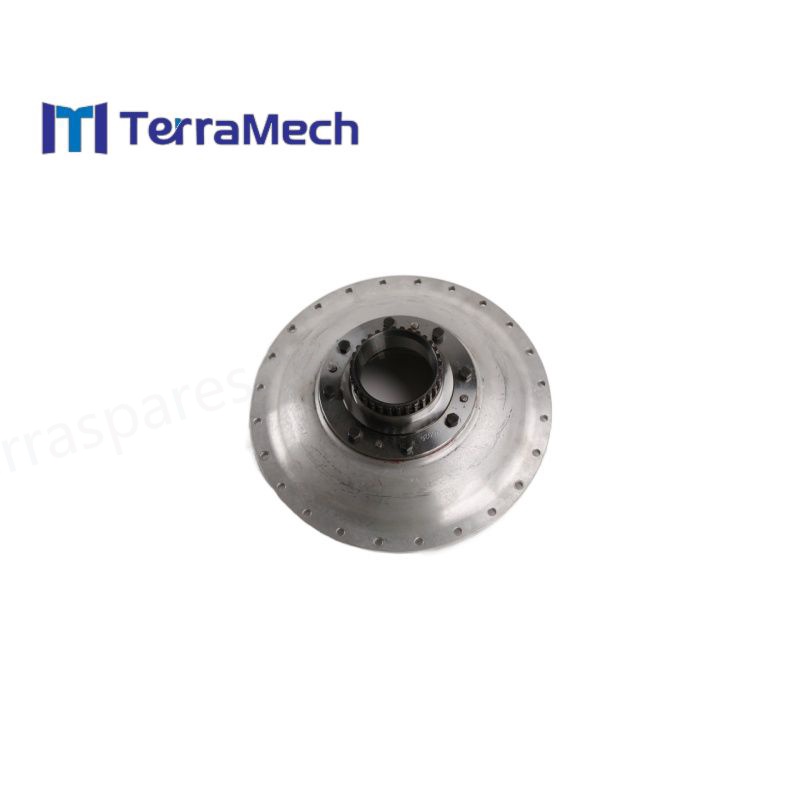
Suitable Vehicle Model:SEM663D SEM660D 5371024 PULLEY SEM WHEEL LOADER PULLEY SPARE PARTSSEM618D SEM636D SEM655D WHEEL LOADER TRANSMISSION SPARE PARTS
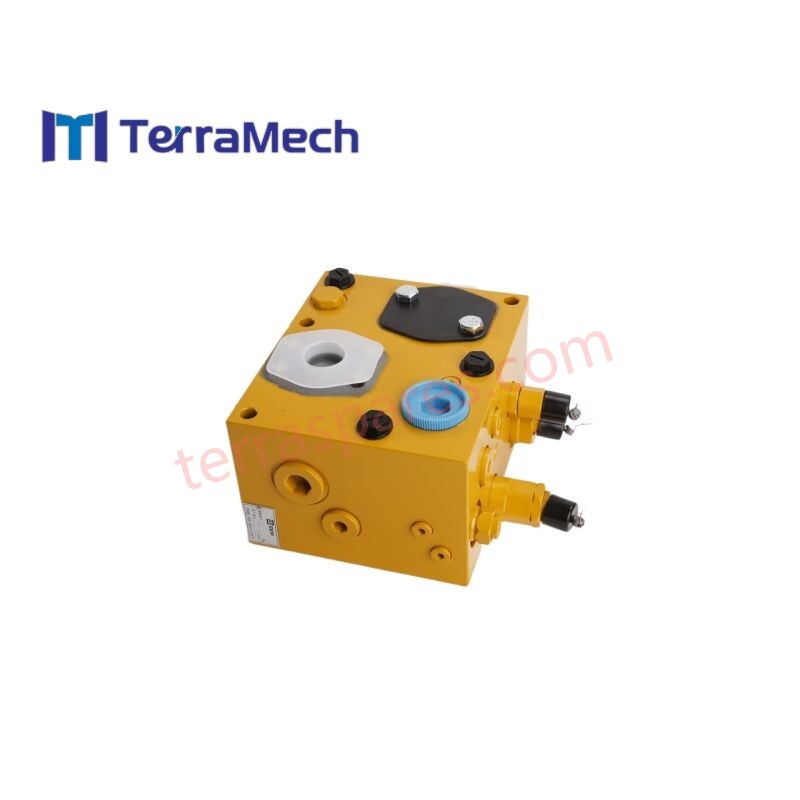
 5846875 VALVE SEM WHEEL LOADER GENUINE VALVE PARTSAccessories Category:Hydraulic System
Accessories Name: Cartridge valve
SEM Accessories Code:5846875
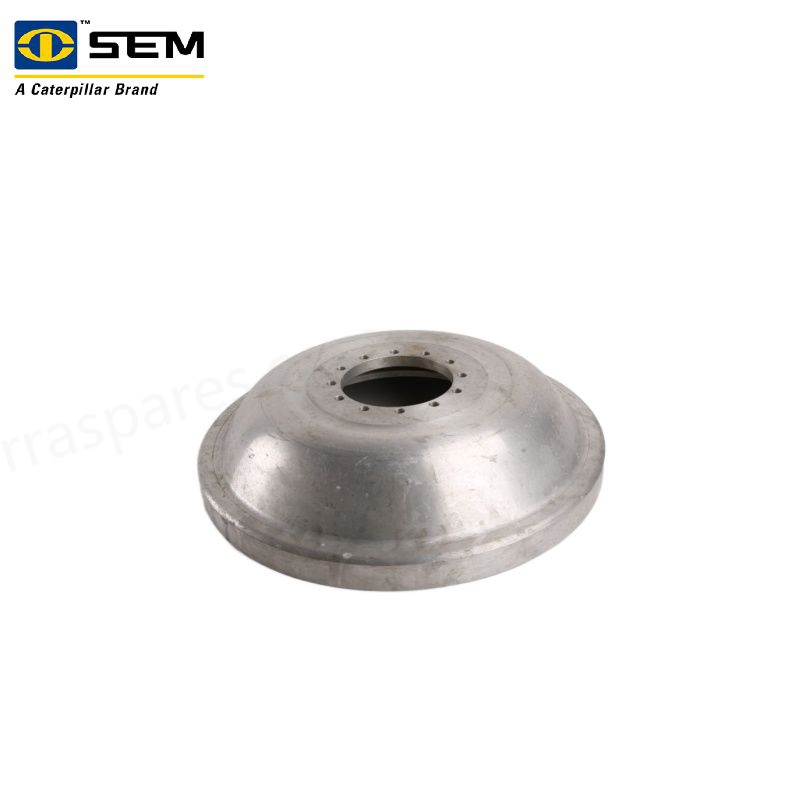
Specification:5846875 5402771 Pulley SEM WHEEL LOADER TRANSMISSION PARTSSEM636D SEM655D SEM656D WHEEL LOADER PARTS