-News Center-
TÜV Rheinland Updates Machinery Safety Guide: Wireless Modules Now Mandatory for EMC+RF Testing
On April 16, 2026, TÜV Rheinland released version 3.2 of its Implementation Guidelines for Functional Safety and EMC Certification of Machinery Components, introducing mandatory electromagnetic compatibility (EMC) and radiofrequency (RF) exposure testing for machinery components integrating Wi-Fi, Bluetooth, or Zigbee modules — including smart fasteners, IoT sensor mounts, and networked hydraulic valve blocks. This update directly affects Chinese manufacturers exporting Industry 4.0-compatible industrial components to the European market and requires system integrators outside the EU to verify whether their Chinese suppliers have completed pre-compliance RF compatibility testing.
Event Overview
On April 16, 2026, German certification body TÜV Rheinland published Implementation Guidelines for Functional Safety and EMC Certification of Machinery Components v3.2. The revision explicitly adds integrated wireless communication modules (Wi-Fi/Bluetooth/Zigbee) in certain mechanical components — specifically named as smart fasteners, IoT sensor brackets, and networked hydraulic valve blocks — to the list of items subject to compulsory combined EMC and RF exposure evaluation. No further implementation timelines, transitional provisions, or grandfathering clauses were disclosed in the publicly available version of the guideline.
Industries Affected by This Update
Direct Exporters (Chinese Component Manufacturers)
These enterprises supply certified mechanical parts to EU-based OEMs or system integrators. Because the new requirement applies at the component level — not just the final machine — exporters must now conduct two distinct conformity assessments (EMC + RF exposure) even for subassemblies previously exempted under legacy machinery directives. Impact manifests in extended certification lead times, increased test fees (especially for RF exposure measurement in near-field conditions), and potential redesign cycles if initial test failures occur.
EU-Based System Integrators & OEMs
Integrators sourcing mechanical subsystems from China must now validate supplier compliance with v3.2 before integration. Non-compliant components risk rejection during CE marking audits or post-market surveillance. The burden shifts toward earlier technical due diligence — particularly for projects involving connected hardware — and may necessitate updated procurement checklists and supplier qualification protocols.
EMC/RF Test Laboratories & Certification Support Providers
Labs accredited for EN 61000-6-2/-4 and EN 50663 (or equivalent RF exposure standards) face rising demand for dual-scope testing packages. Providers offering only EMC — but not RF exposure assessment — may see reduced competitiveness for clients targeting EU machinery markets. Capacity planning and staff upskilling in RF near-field measurement methodologies become operationally relevant.
What Enterprises and Practitioners Should Focus On Now
Monitor official updates from TÜV Rheinland on transition arrangements
The guideline’s effective date and any grace period for existing certifications remain unspecified. Enterprises should track announcements via TÜV Rheinland’s official publications and authorized partner channels — not third-party summaries — to distinguish binding requirements from preliminary guidance.
Prioritize pre-testing for high-risk product categories
Smart fasteners, IoT sensor mounts, and networked hydraulic valve blocks are explicitly cited in the guideline. Exporters should treat these as priority candidates for RF exposure pre-compliance screening — especially those already undergoing EMC certification — to avoid delays once formal v3.2 enforcement begins.
Distinguish between regulatory signal and immediate obligation
As of the guideline’s publication, no legal mandate (e.g., amendment to EU Machinery Regulation 2023/1230) has been issued. From industry perspective, this revision functions primarily as a certification body’s procedural update — influential for CE marking pathways but not yet a standalone legal requirement. Businesses should align internal readiness with actual audit expectations, not hypothetical deadlines.
Initiate cross-functional alignment between R&D, QA, and export teams
Wireless module integration decisions — such as antenna placement, shielding strategy, or firmware-controlled transmit power — now impact certification outcomes more directly. Engineering and compliance teams need early-stage collaboration to embed RF-aware design practices, reducing late-stage rework risk.
Editorial Perspective / Industry Observation
Observation shows that this update reflects TÜV Rheinland’s effort to close an emerging gap between traditional machinery safety frameworks and the functional realities of Industry 4.0 hardware. While not yet codified in EU legislation, the inclusion of RF exposure testing signals growing institutional attention to human exposure risks from embedded radios in industrial environments — especially where workers operate in proximity to active transmitters. Analysis suggests this is currently a de facto standard-setting move rather than an enforcement-ready regulation; its significance lies less in immediate compliance pressure and more in its role as an early indicator of how notified bodies are interpreting evolving risk profiles. Continued monitoring is warranted because similar requirements may be adopted by other EU-notified bodies or referenced in future harmonized standards.
Conclusion
This guideline revision does not introduce new EU law, but it materially reshapes the technical pathway to CE marking for specific categories of intelligent mechanical components exported from China to Europe. It highlights an increasing convergence of machinery safety, EMC, and wireless communications compliance — requiring more integrated engineering and certification strategies. Currently, it is more appropriately understood as a procedural anticipation of future regulatory expectations than a fully enforceable mandate.
Information Source
Primary source: TÜV Rheinland, Implementation Guidelines for Functional Safety and EMC Certification of Machinery Components v3.2, published April 16, 2026. No supplementary policy documents or transitional timelines have been officially released as of the guideline’s publication date. Ongoing observation is recommended for updates on implementation dates, scope clarifications, or alignment with upcoming revisions to EN ISO 13849 or EN 62061.
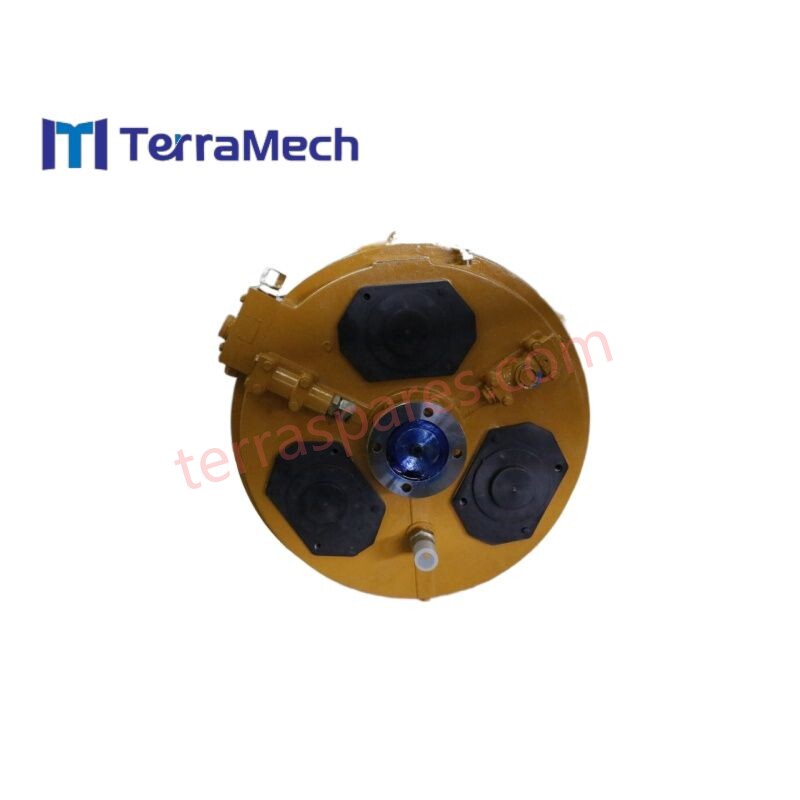
 5508972 SEM TORQUE CONVERTER WHEEL LOADER SPARE PARTSAccessories Category:Torque Converter System
Accessories Name: YJ380 Torque Converter
SEM Accessories Code:5508972
Specification: 5508972
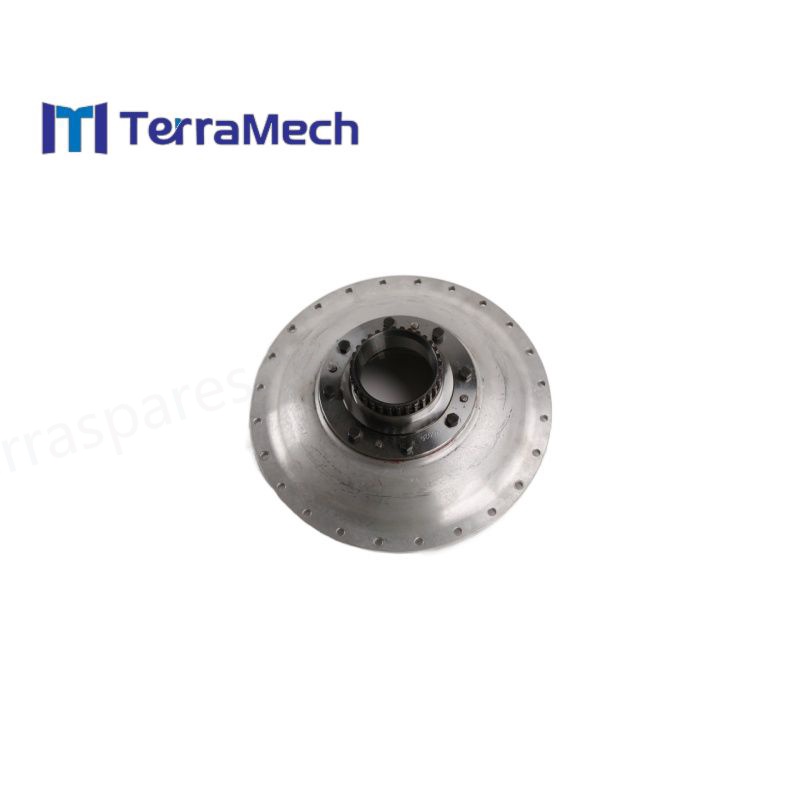
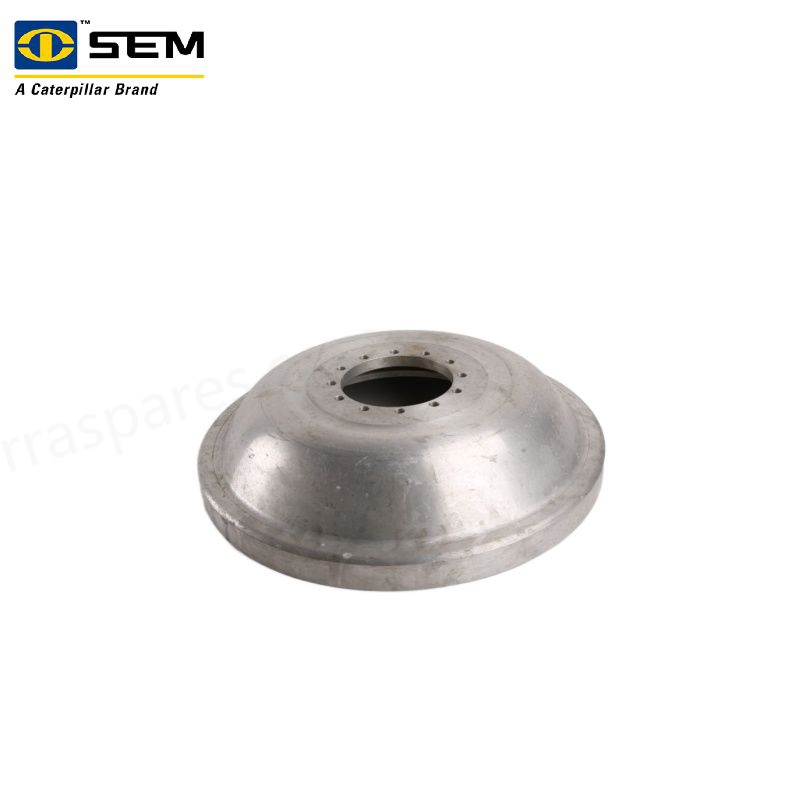
Suitable Vehicle Model:SEM663D SEM660D 5371024 PULLEY SEM WHEEL LOADER PULLEY SPARE PARTSSEM618D SEM636D SEM655D WHEEL LOADER TRANSMISSION SPARE PARTS
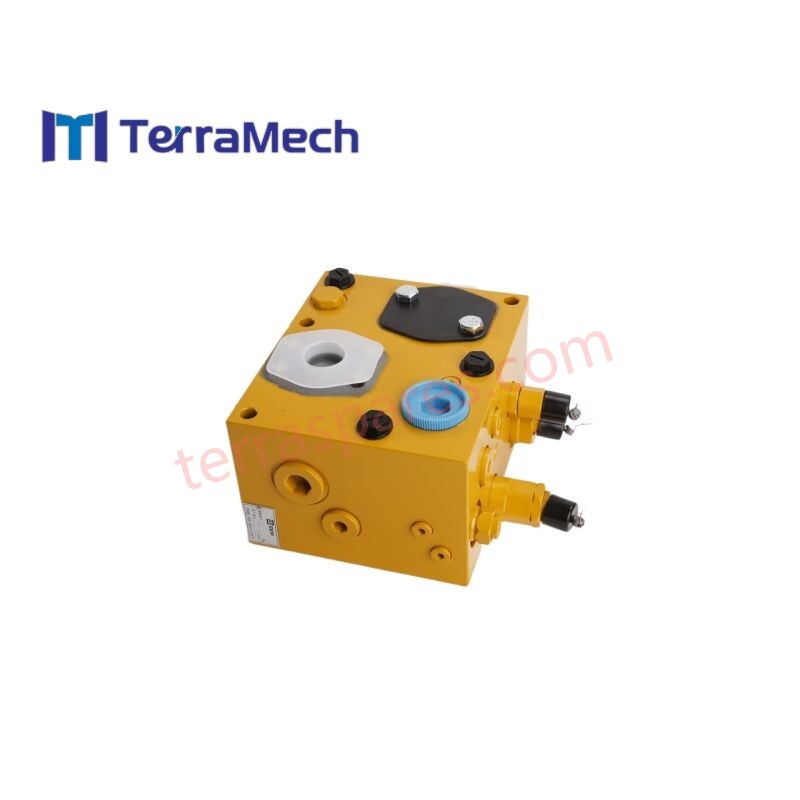
 5846875 VALVE SEM WHEEL LOADER GENUINE VALVE PARTSAccessories Category:Hydraulic System
Accessories Name: Cartridge valve
SEM Accessories Code:5846875
Specification:5846875 5402771 Pulley SEM WHEEL LOADER TRANSMISSION PARTSSEM636D SEM655D SEM656D WHEEL LOADER PARTS