-News Center-
Vietnam Raises Import Tariffs on Construction Machinery Parts from 2026
Vietnam’s Ministry of Industry and Trade has announced a tariff adjustment targeting key imported construction machinery components, effective 1 July 2026. This policy shift directly affects international suppliers, importers, and supply chain operators engaged in the construction equipment sector — particularly those sourcing gearboxes, hydraulic pumps, and seals from China and other third countries.
Event Overview
On 15 April 2026, Vietnam’s Ministry of Industry and Trade issued Circular No. 22/2026/TT-BCT. It stipulates that, starting 1 July 2026, the Most-Favoured-Nation (MFN) import tariff rate for certain construction machinery parts classified under HS codes 8431, 8483, and 8484 — including gearboxes, hydraulic pumps, and sealing elements — will increase from 8% to 12%. The circular confirms an exception: Chinese-origin parts that undergo at least 30% value addition through assembly or processing within Vietnam remain eligible for the preferential 8% rate.
Which Subsectors Are Affected
Direct Trading Enterprises
Companies exporting finished or semi-finished mechanical components from China (or other non-Vietnamese origins) into Vietnam will face higher landed costs due to the 4-percentage-point tariff hike. This affects pricing competitiveness, especially for standardized, low-differentiation parts where margin pressure is acute.
Raw Material and Component Procurement Firms
Firms sourcing raw materials or subcomponents for final assembly in Vietnam may see cost pass-throughs if upstream suppliers adjust their ex-works prices in anticipation of the new tariff regime. The policy incentivizes local sourcing or regional procurement — but only where value-add thresholds are met.
Contract Manufacturing and Assembly Operators
Manufacturers operating CKD (Completely Knocked Down) or SKD (Semi-Knocked Down) facilities in Vietnam stand to benefit operationally: parts assembled locally with ≥30% value addition retain the lower 8% rate. However, compliance verification — including documentation of local labor, overhead, and process steps — becomes critical to qualify.
Supply Chain and Logistics Service Providers
Third-party logistics firms, customs brokers, and bonded warehouse operators may experience increased demand for Vietnam-based inventory consolidation, pre-clearance staging, and tariff classification support — especially for clients seeking to meet the 30% local value-add requirement.
What Relevant Enterprises or Practitioners Should Focus On — And How to Respond
Monitor official implementation guidance and classification clarifications
The circular references HS codes and value-add criteria, but does not yet specify how ‘30% value addition’ will be verified — e.g., whether it covers labor, local overhead, testing, or packaging. Enterprises should track upcoming technical notices from Vietnam Customs or the General Department of Vietnam Customs.
Assess exposure by HS code, origin, and current logistics model
Suppliers should map all affected parts against HS 8431, 8483, and 8484 classifications, confirm country-of-origin declarations, and review current shipment structures (e.g., FOB vs. DAP, direct air vs. sea freight with inland assembly). Even minor misclassifications risk disqualification from the preferential rate.
Distinguish between policy signal and operational readiness
This tariff change is a formal regulatory action — not a proposal or consultation. However, its real-world impact depends on enforcement consistency, audit frequency, and administrative capacity. Companies should treat it as binding but allow buffer time for internal process alignment before 1 July 2026.
Prepare documentation and internal workflows for local value-add claims
For firms planning to qualify for the 8% rate via Vietnamese assembly, now is the time to document labor hours, local material inputs, energy consumption, and facility-related costs. Retrospective validation will not suffice; systems must be ready to generate auditable records upon request.
Editorial Perspective / Industry Observation
From an industry perspective, this measure is better understood as a calibrated industrial policy signal — not merely a revenue-raising tool. It reflects Vietnam’s broader strategy to deepen domestic manufacturing capability in capital goods sectors, while selectively retaining openness for foreign investment that supports local job creation and technology transfer. Analysis来看, the 30% value-add threshold appears designed to encourage meaningful localization without mandating full vertical integration. Observation来看, the timing — mid-2026 — suggests alignment with Vietnam’s 2026–2030 industrial development plan, making further localization incentives likely. Current更值得关注的是 how consistently the threshold is applied across provinces and customs offices, rather than whether the rule itself will be reversed.
Concluding, this tariff adjustment marks a structural inflection point for cross-border trade in construction machinery components involving Vietnam. It does not eliminate import opportunities, but redefines the conditions under which they remain economically viable. For stakeholders, the shift is less about cost avoidance and more about strategic adaptation — aligning supply models with evolving definitions of ‘local presence’ and ‘value creation’ in Vietnam’s regulatory framework.
Source: Vietnam Ministry of Industry and Trade, Circular No. 22/2026/TT-BCT (issued 15 April 2026, effective 1 July 2026).
Further monitoring is recommended for implementing guidelines on ‘30% value addition’ verification, expected from Vietnam Customs in Q2 2026.
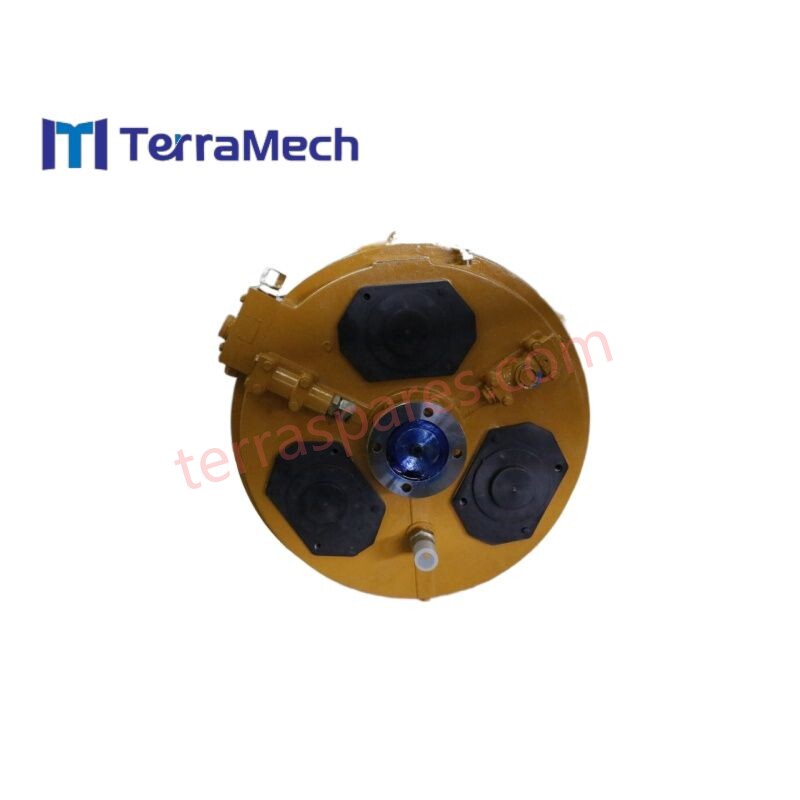
 5508972 SEM TORQUE CONVERTER WHEEL LOADER SPARE PARTSAccessories Category:Torque Converter System
Accessories Name: YJ380 Torque Converter
SEM Accessories Code:5508972
Specification: 5508972
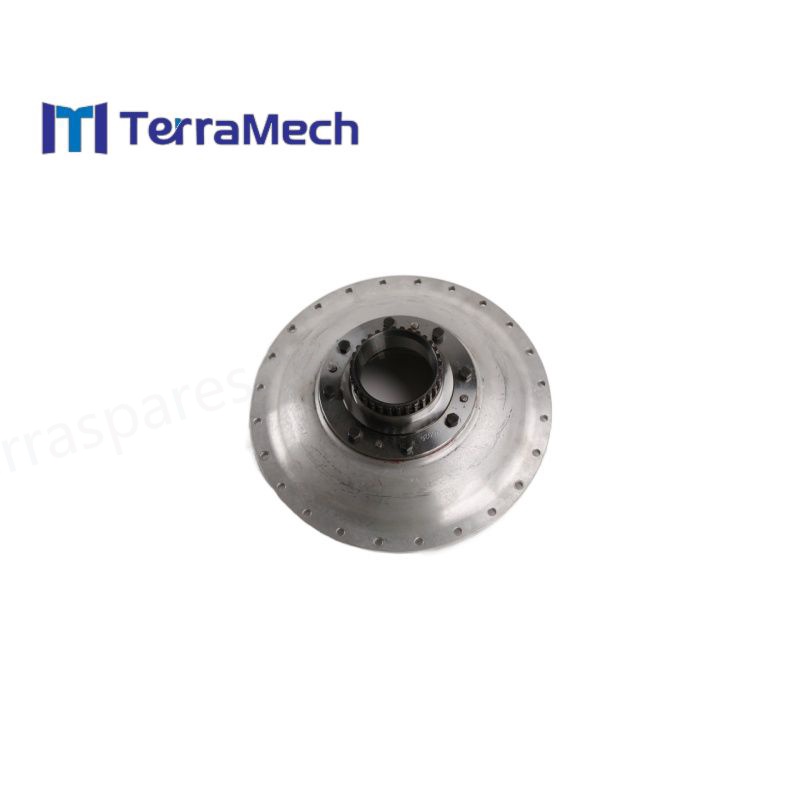
Suitable Vehicle Model:SEM663D SEM660D 5371024 PULLEY SEM WHEEL LOADER PULLEY SPARE PARTSSEM618D SEM636D SEM655D WHEEL LOADER TRANSMISSION SPARE PARTS
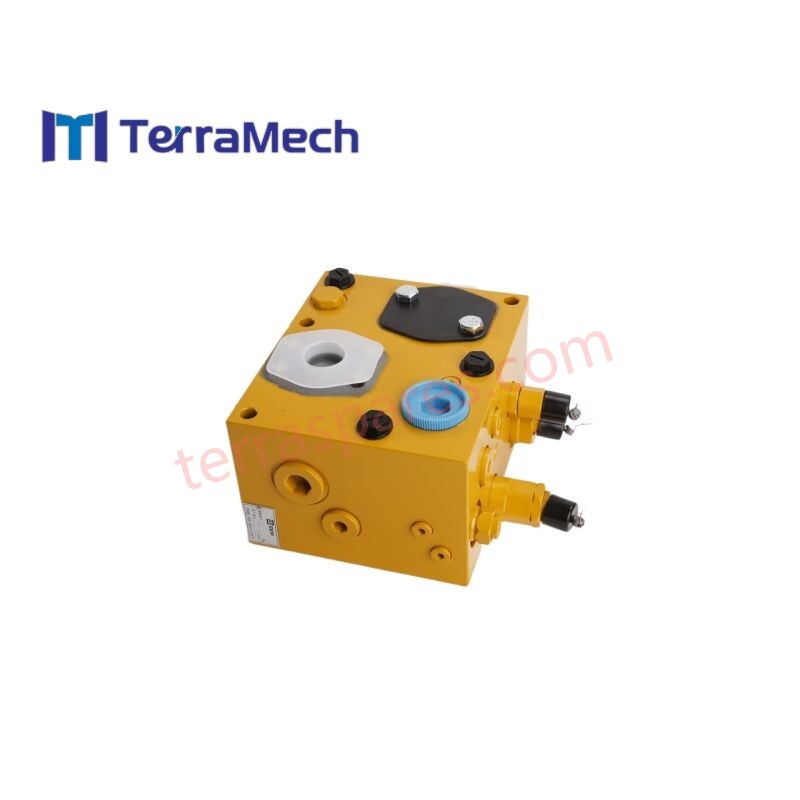
 5846875 VALVE SEM WHEEL LOADER GENUINE VALVE PARTSAccessories Category:Hydraulic System
Accessories Name: Cartridge valve
SEM Accessories Code:5846875
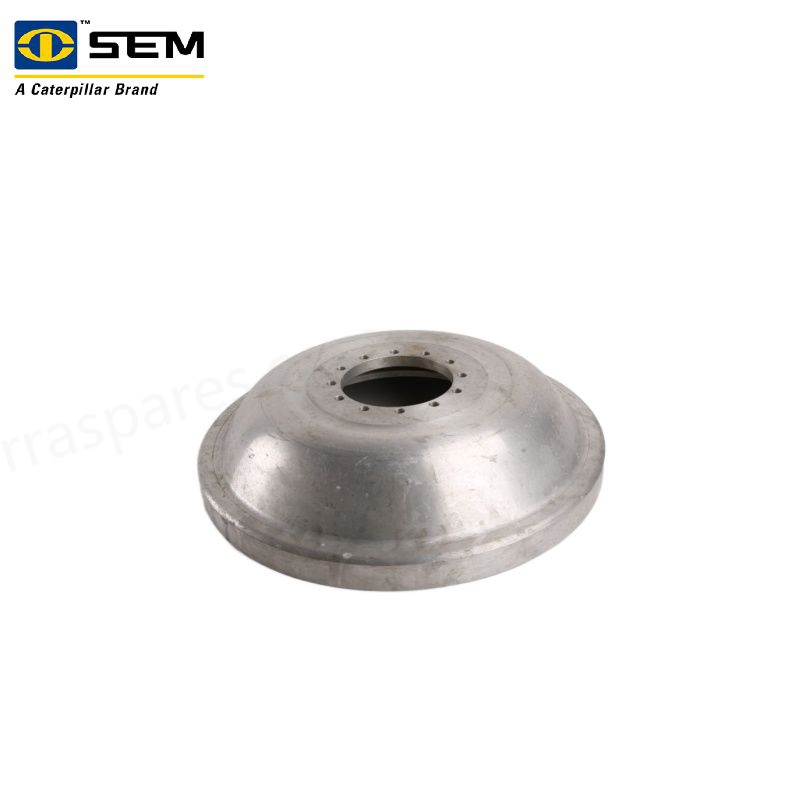
Specification:5846875 5402771 Pulley SEM WHEEL LOADER TRANSMISSION PARTSSEM636D SEM655D SEM656D WHEEL LOADER PARTS