-News Center-
Red Sea Crisis: Suez Canal Fee Hike & $2800/TEU Surcharge for Machinery Parts
Amid the ongoing Red Sea crisis, the Suez Canal Authority (SCA) imposed a temporary security surcharge of $2800 per TEU on container vessels effective April 22, 2026 — doubling the prior March rate. This development directly impacts exporters and importers of mechanical components from East and South China ports serving Southern Europe, the Middle East, and East Africa, where average end-to-end logistics costs have risen by 22% due to both the surcharge and extended Cape of Good Hope routing.
Event Overview
On April 18, 2026, the Suez Canal Authority announced a temporary security surcharge of $2800 per TEU for container ships transiting the canal, effective April 22, 2026, and valid through June 30, 2026. This replaces the earlier $1400/TEU surcharge introduced in March. Concurrently, rerouting via the Cape of Good Hope adds 12–15 days to voyage duration and increases fuel consumption. As a result, total logistics costs for mechanical parts shipped from ports in China’s Yangtze River Delta and Pearl River Delta to Southern Europe, the Middle East, and East Africa have risen by an average of 22%. Several international freight forwarders have notified clients that FOB/CIF freight cost allocation terms require renegotiation.
Which Subsectors Are Affected
Direct Trading Enterprises
Exporters and importers of mechanical components face immediate pressure on gross margins, as the $2800/TEU surcharge applies directly to containerized shipments. Those operating under fixed-price contracts with European or Middle Eastern buyers may absorb cost increases unless contractual clauses allow for freight adjustment — particularly relevant for long-lead-time orders placed before April 2026.
Manufacturing Enterprises (OEM/ODM)
Contract manufacturers supplying mechanical subassemblies or finished equipment to global markets are exposed to cascading cost volatility. Since many operate on tight margin structures and rely on predictable landed cost models, the 22% logistics cost increase challenges production planning, pricing cycles, and quarterly profitability forecasts — especially for shipments scheduled between April and June 2026.
Supply Chain Service Providers
Frieght forwarders, NVOCCs, and customs brokers must update rate sheets, revise transit time estimates, and revalidate documentation workflows for affected lanes. The surcharge applies specifically to containers (not bulk or Ro-Ro), meaning service providers handling mixed cargo types need precise TEU-level cost attribution — particularly when consolidating mechanical parts with other goods.
Procurement & Sourcing Teams
Buyers sourcing mechanical components from Chinese suppliers now face revised landed cost benchmarks. With forwarders signaling potential further adjustments ahead of the June 30 expiry, procurement teams must assess whether to lock in rates for Q2 shipments, reassess supplier lead times, or evaluate alternative origin points — though no viable near-term alternatives to China-based production capacity exist for most precision-machined parts.
What Relevant Companies or Practitioners Should Monitor and Do Now
Track official SCA communications beyond June 30, 2026
The surcharge is explicitly time-bound through June 30, 2026. Current more-than-doubling of the fee suggests high perceived risk exposure; however, its extension, modification, or replacement post-June remains unannounced. Stakeholders should monitor SCA bulletins and IMO maritime advisories for formal updates — not market rumors.
Reconcile current shipment schedules against the $2800/TEU threshold
Since the surcharge applies only to containerized mechanical parts (not breakbulk or project cargo), enterprises should verify whether their actual cargo moves in standard dry containers — and whether any shipments booked before April 22 but transiting after that date fall under the new rate. Forwarders’ invoice timing practices vary; verification is needed case-by-case.
Review FOB/CIF clause language in active contracts
International freight forwarders have flagged the need to renegotiate freight cost allocation in trade terms. Companies should audit open purchase orders and sales contracts signed before April 2026 to determine whether freight cost pass-through mechanisms (e.g., “freight payable as billed” or “subject to carrier surcharges”) are contractually enforceable — or whether amendment is required.
Update internal landed cost calculators with verified surcharge + Cape routing data
Many ERP- or TMS-integrated landed cost tools still reflect pre-April 2026 assumptions. Finance and logistics teams should replace default ocean freight benchmarks with confirmed $2800/TEU + 12–15 day delay + incremental bunker cost figures — using forwarder-provided line-item quotes, not averages.
Editorial Perspective / Industry Observation
From an industry perspective, this surcharge is less a standalone cost adjustment and more a structural signal: it reflects institutionalized risk pricing for Red Sea transit amid persistent uncertainty. Analysis来看, the 100% increase over one month — rather than phased escalation — suggests SCA views the threat environment as qualitatively different from prior disruptions. It is currently better understood as a near-term liquidity and planning shock than a long-term tariff shift, given its explicit expiration date and lack of linkage to tonnage or vessel class. However, observation来看, the fact that multiple forwarders are already advising clients to renegotiate trade terms indicates operational impact has moved beyond theoretical modeling into daily execution — warranting sustained monitoring through Q2 2026.
Industry stakeholders should treat this not as a transient anomaly, but as a stress test of supply chain resilience — especially for time-sensitive mechanical components with narrow delivery windows or just-in-time assembly dependencies.
Conclusion
This Suez Canal surcharge update is a concrete indicator of how geopolitical risk is being translated into measurable, near-term cost and timeline consequences for global mechanical component trade. Its significance lies not in novelty, but in magnitude and timing: a $2800/TEU levy applied across a critical corridor during peak shipping season creates immediate working capital and planning pressure. It is best interpreted today as a confirmed cost event with defined duration — not a permanent regime change, but one requiring disciplined, document-driven response across procurement, logistics, and commercial functions.
Source Attribution
Main source: Suez Canal Authority official announcement dated April 18, 2026. Additional context drawn from public notifications issued by multiple international freight forwarders between April 19–21, 2026. The surcharge’s post-June 30, 2026 status remains pending official confirmation and is noted here as a point for continued observation.
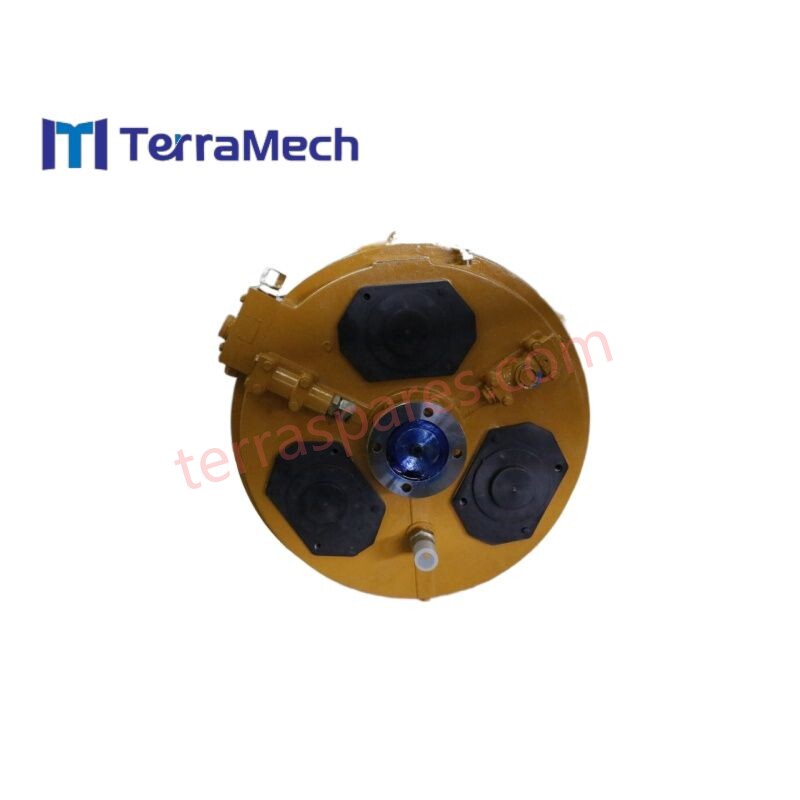
 5508972 SEM TORQUE CONVERTER WHEEL LOADER SPARE PARTSAccessories Category:Torque Converter System
Accessories Name: YJ380 Torque Converter
SEM Accessories Code:5508972
Specification: 5508972
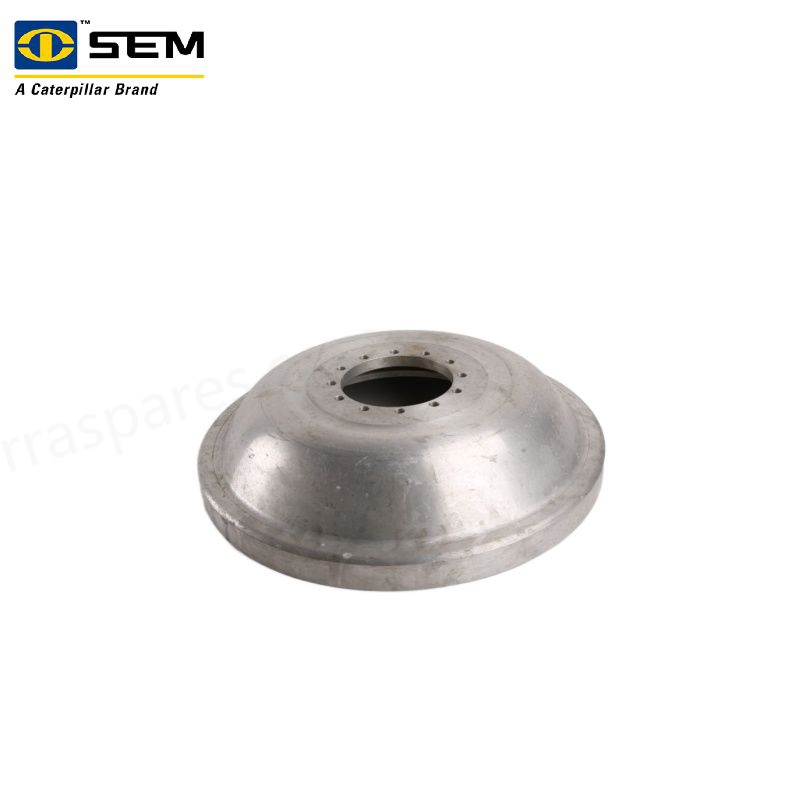
Suitable Vehicle Model:SEM663D SEM660D 5371024 PULLEY SEM WHEEL LOADER PULLEY SPARE PARTSSEM618D SEM636D SEM655D WHEEL LOADER TRANSMISSION SPARE PARTS
 5846875 VALVE SEM WHEEL LOADER GENUINE VALVE PARTSAccessories Category:Hydraulic System
Accessories Name: Cartridge valve
SEM Accessories Code:5846875
Specification:5846875 5402771 Pulley SEM WHEEL LOADER TRANSMISSION PARTSSEM636D SEM655D SEM656D WHEEL LOADER PARTS