-News Center-
VDMA 2026 Report: China’s Mid-High-End Machining Gains Recognition, ESG Gaps Hinder Procurement
German VDMA released its 2026 Global Construction Machinery Component Sourcing Trends Report on April 16, 2026. The report highlights growing confidence among German equipment manufacturers in China’s capabilities in precision casting, five-axis milling, and surface treatment—yet identifies inconsistent ESG disclosure as a critical barrier to deeper procurement collaboration. Companies in construction machinery, hydraulic systems, powertrain components, and turbocharger manufacturing should monitor this development closely, as it signals both opportunity and operational risk in global supply chain planning.
Event Overview
The German Engineering Federation (VDMA) published its annual 2026 Global Construction Machinery Component Sourcing Trends Report on April 16, 2026. According to the report, 62% of surveyed German machinery firms plan to increase component procurement from China in 2026, citing strong competitiveness in mid-to-high-end machining—including precision casting, five-axis milling, and surface treatment. However, over 78% of respondents cited insufficient ESG transparency—specifically the absence of ISO 14001/45001 certification and non-disclosure of supply chain labor practices and carbon data—as a key obstacle to scaling cooperation. The report explicitly notes hydraulic control valves, drive shafts, and turbocharger housings as categories with significant near-term procurement growth potential.
Which Subsectors Are Affected
Direct Trade Enterprises
These enterprises act as intermediaries between Chinese suppliers and German OEMs. They are affected because their value proposition increasingly hinges on verifying and bridging ESG compliance gaps—not just logistics or pricing. Impact manifests in heightened due diligence requirements, longer quotation cycles, and rising demand for third-party verification support.
Component Manufacturing Enterprises (Machining & Foundry)
Manufacturers engaged in precision casting, multi-axis CNC machining, or functional surface treatment face direct pressure to formalize ESG documentation. Impact includes increased audit readiness demands, potential delays in qualification for Tier 1 supplier lists, and competitive disadvantage against peers with certified environmental or occupational health management systems.
Supply Chain Service Providers (e.g., Certification Bodies, ESG Data Platforms)
Providers supporting compliance verification and sustainability reporting see elevated relevance. Impact appears in rising inquiries for ISO 14001/45001 gap assessments, supply chain labor mapping tools, and carbon footprint calculation services tailored to mechanical component exporters.
What Relevant Enterprises or Practitioners Should Focus On — And How to Respond Now
Monitor VDMA’s upcoming technical working group updates
The report is part of VDMA’s broader sourcing governance initiative. Follow-up guidance—expected in Q3 2026—may clarify minimum ESG documentation thresholds for specific component categories (e.g., hydraulic valves). Early awareness helps prioritize internal alignment efforts.
Prioritize certification and disclosure for high-potential categories
Given the report’s explicit mention of hydraulic control valves, drive shafts, and turbocharger housings, companies supplying these parts should treat ISO 14001/45001 certification and baseline carbon/labour data collection as near-term operational priorities—not long-term strategy items.
Distinguish between stated intent and actual procurement shifts
While 62% of surveyed firms plan to expand procurement from China, the report does not quantify actual order volume changes or timeline commitments. Enterprises should avoid overinterpreting intent as guaranteed demand; instead, treat it as a signal to strengthen technical credibility and compliance readiness before engagement deepens.
Prepare ESG-aligned communication materials for German buyers
German procurement teams increasingly request standardized ESG summaries alongside technical specifications. Preparing concise, bilingual (English–German) one-pagers covering certification status, scope of environmental management, and current labour practice disclosures can accelerate response time to RFQs.
Editorial Perspective / Industry Observation
This report is best understood as a coordinated signal, not yet a binding market shift. From industry perspective, VDMA’s framing reflects an institutional effort to align sourcing expectations across its membership—especially amid tightening EU CSRD-related supply chain due diligence requirements. Analysis来看, the emphasis on specific component types (e.g., turbocharger housings) suggests that procurement expansion is not uniform across all mechanical parts, but rather concentrated where Chinese capacity demonstrably meets performance and reliability benchmarks. Observation来看, the 78% ESG barrier figure indicates that technical capability alone no longer suffices: compliance infrastructure now functions as a de facto entry gate. Current more appropriate interpretation is that this represents a maturing phase in Sino-German industrial collaboration—one where quality and sustainability are treated as co-requisites, not sequential milestones.
Conclusion
The VDMA report confirms China’s strengthened position in mid-to-high-end mechanical component manufacturing—but reframes competitiveness to include verifiable ESG performance. For stakeholders, this is neither a sudden disruption nor a mere trend. It is a structural recalibration: technical excellence must now be accompanied by transparent, auditable environmental and social governance. The most pragmatic stance is to treat ESG readiness not as a compliance cost, but as a foundational enabler of sustained access to premium European procurement channels.
Source Attribution
Main source: VDMA (German Engineering Federation), 2026 Global Construction Machinery Component Sourcing Trends Report, published April 16, 2026.
Points requiring ongoing observation: VDMA’s forthcoming technical annexes on ESG documentation expectations for specific component families; implementation timelines for EU-level supply chain due diligence rules affecting machinery imports.
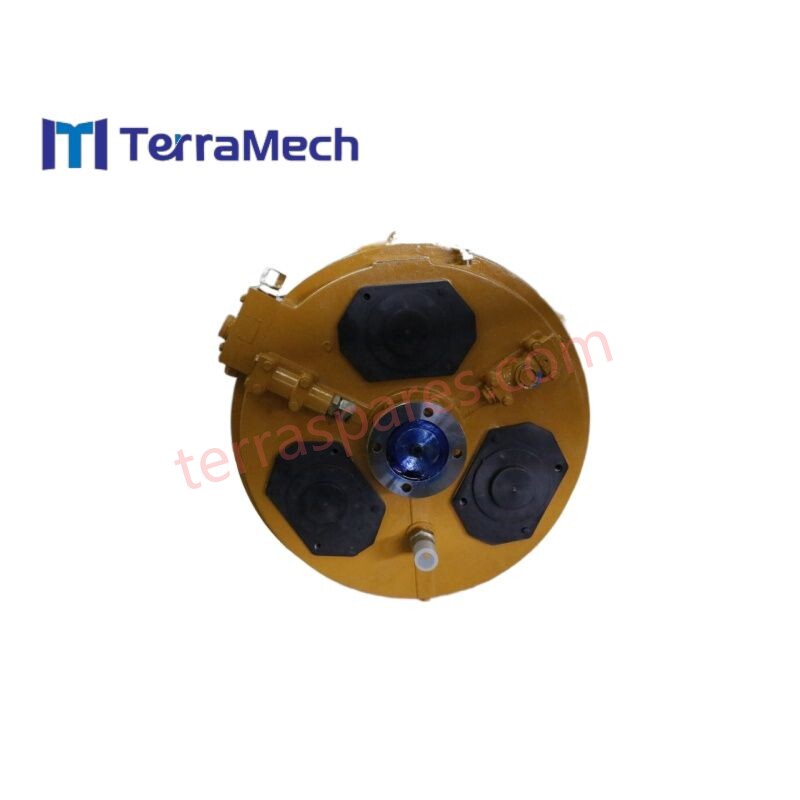
 5508972 SEM TORQUE CONVERTER WHEEL LOADER SPARE PARTSAccessories Category:Torque Converter System
Accessories Name: YJ380 Torque Converter
SEM Accessories Code:5508972
Specification: 5508972
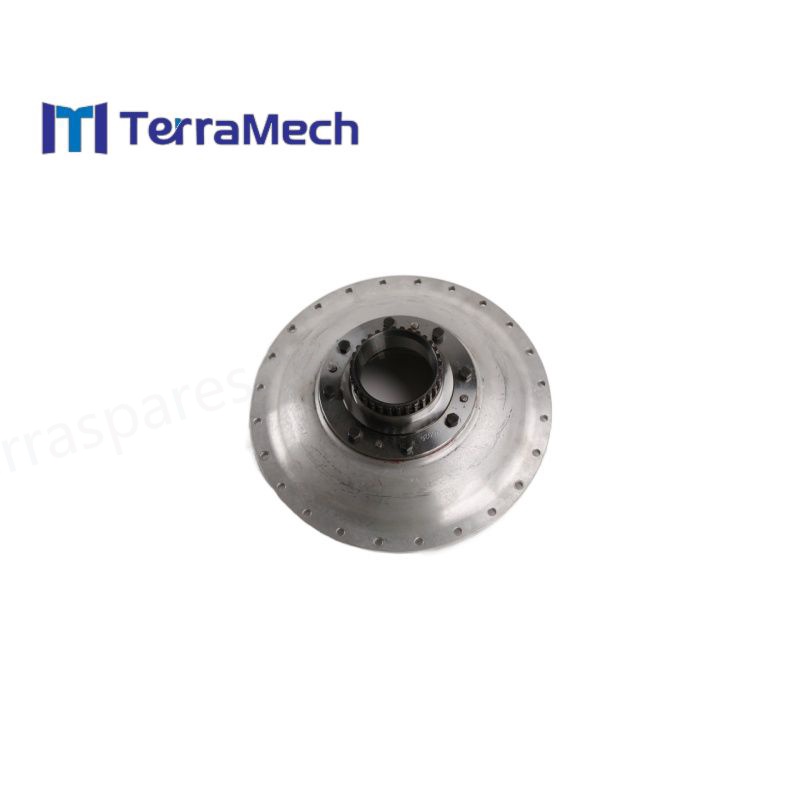
Suitable Vehicle Model:SEM663D SEM660D 5371024 PULLEY SEM WHEEL LOADER PULLEY SPARE PARTSSEM618D SEM636D SEM655D WHEEL LOADER TRANSMISSION SPARE PARTS
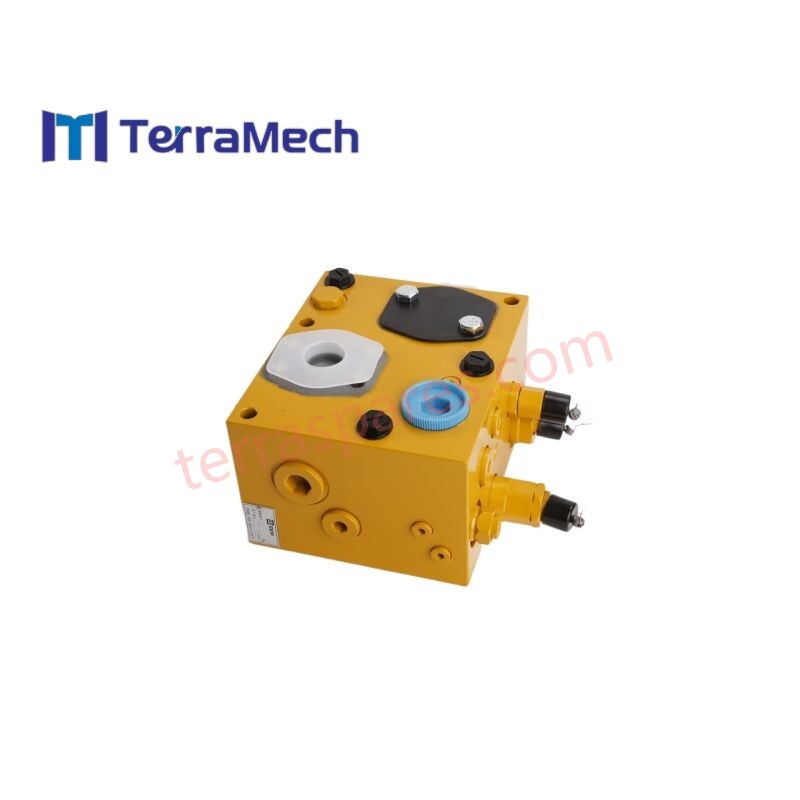
 5846875 VALVE SEM WHEEL LOADER GENUINE VALVE PARTSAccessories Category:Hydraulic System
Accessories Name: Cartridge valve
SEM Accessories Code:5846875
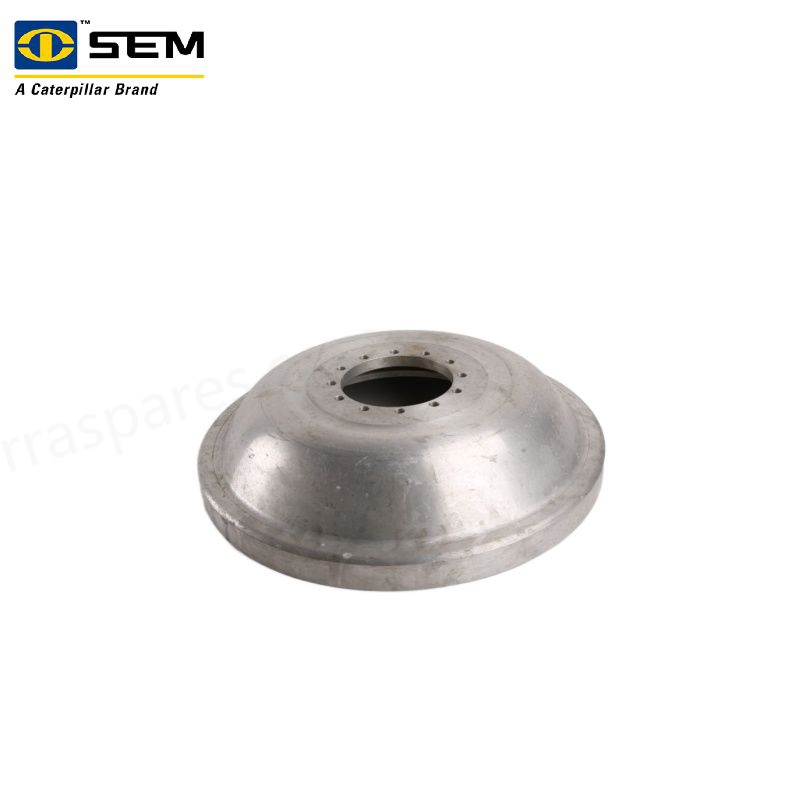
Specification:5846875 5402771 Pulley SEM WHEEL LOADER TRANSMISSION PARTSSEM636D SEM655D SEM656D WHEEL LOADER PARTS