-News Center-
Japan Adds High-Precision Gearbox Monitoring Modules to Dual-Use Export Controls
On April 18, 2026, Japan’s Ministry of Economy, Trade and Industry (METI) updated its Guidelines for Export Control to China, designating high-precision gearbox condition monitoring modules — featuring vibration spectrum analysis and edge AI diagnostics (sampling rate ≥50 kHz, compliant with ISO 10816-3) — as dual-use technologies subject to individual licensing. This change directly affects wind power equipment manufacturers, construction machinery OEMs, and their global supply chain partners operating in or sourcing from China.
Event Overview
On April 18, 2026, METI revised the Enforcement Ordinance of the Foreign Exchange and Foreign Trade Act, adding specific gearbox online monitoring modules to the list of items requiring case-by-case export approval for shipments to China. The modules are defined by technical parameters: real-time vibration spectral analysis capability, embedded AI-based fault diagnosis, minimum sampling rate of 50 kHz, and compliance with ISO 10816-3 vibration severity standards. As a result, Chinese importers of these modules now face an average review period of 45 days, potentially delaying delivery schedules for integrated wind turbines and heavy machinery.
Industries Affected by Segment
Direct Exporters and Trading Companies
Companies exporting these modules from Japan to Chinese entities must now submit individual license applications. Approval is no longer automatic under general licenses, increasing administrative burden and lead time. Delays may trigger contractual penalties or force renegotiation of delivery terms where modules are critical path components.
Wind Power Equipment Manufacturers
These modules are widely deployed in offshore and onshore wind turbine gearboxes for predictive maintenance. Japanese-sourced modules used in Chinese-assembled turbines — or in joint ventures relying on Japanese subsystems — now face extended integration timelines. Production planning cycles may need adjustment to accommodate the 45-day regulatory buffer.
Construction Machinery OEMs and Tier-1 Suppliers
For hydraulic excavators, cranes, and tunnel boring machines using advanced drivetrain monitoring, procurement of these modules from Japanese suppliers is now subject to licensing. Inventory management strategies — especially for spares and retrofit kits destined for Chinese service networks — require reassessment to avoid field downtime due to import delays.
Global Supply Chain Integrators
Firms coordinating multi-country component sourcing (e.g., Japanese sensors + German controllers + Chinese assembly) must verify whether inclusion of this module triggers jurisdictional control obligations beyond Japan — particularly under coordinated multilateral frameworks. Documentation traceability and end-use verification protocols become more consequential.
Key Considerations and Recommended Actions for Stakeholders
Monitor official METI guidance updates and interpretation notes
METI has not yet published detailed implementation FAQs or classification criteria for borderline variants (e.g., modules with lower sampling rates but identical AI firmware). Stakeholders should subscribe to METI’s Export Control Information Portal and track notifications issued through Japan’s Trade Control Information Center (TCIC).
Map current module specifications against the exact technical thresholds cited
The regulation applies only to modules meeting *all* specified criteria: ≥50 kHz sampling, ISO 10816-3 compliance, *and* integrated edge AI diagnostic functionality. Firms should audit technical datasheets and firmware version logs to determine if existing SKUs fall within scope — rather than assuming all vibration monitoring hardware is affected.
Distinguish policy signal from operational impact
This revision reflects a targeted adjustment to existing dual-use controls, not a broad technology embargo. It does not restrict exports to third countries or prohibit domestic use in Japan. Companies should avoid overgeneralizing the measure while ensuring compliance in China-bound shipments.
Adjust procurement lead times and engage early with Japanese suppliers
Given the 45-day average review window, procurement teams should initiate license applications at least 7–8 weeks before planned shipment dates. Early engagement with Japanese exporters — including pre-submission technical clarification requests — can help reduce processing friction.
Editorial Observation / Industry Perspective
From industry perspective, this update is best understood as a calibration of existing export control enforcement — not a new strategic pivot. It signals heightened scrutiny of AI-enabled industrial sensing technologies with clear mechanical failure prediction capabilities, especially where such capabilities intersect with critical infrastructure sectors like wind energy and heavy equipment. Analysis来看, METI’s focus remains narrowly technical and application-specific; there is no indication yet of expanded coverage to adjacent categories (e.g., standalone accelerometers or non-AI data loggers). Current more appropriate interpretation is that this serves as both a compliance checkpoint and an early warning indicator for how regulators may treat edge-integrated industrial IoT modules in future revisions.
It is not yet a systemic constraint, but it is a procedural inflection point — one that underscores how granular technical specifications now drive export eligibility in dual-use regimes. Continued attention is warranted, particularly as other export-control jurisdictions (e.g., EU, UK) evaluate similar thresholds for AI-enhanced condition monitoring systems.
Conclusion
This regulatory update marks a precise, parameter-driven tightening of Japan’s export controls — focused exclusively on a narrowly defined class of AI-augmented gearbox monitoring hardware bound for China. Its immediate effect is procedural delay, not prohibition. For stakeholders, the most constructive response is technical due diligence, timeline recalibration, and sustained monitoring of METI’s implementation practice — rather than strategic redirection. It reflects evolving regulatory attention to embedded AI in industrial hardware, but remains a targeted measure, not a broad sectoral restriction.
Information Sources
Main source: Japan Ministry of Economy, Trade and Industry (METI), Revised Enforcement Ordinance of the Foreign Exchange and Foreign Trade Act, effective April 18, 2026; METI’s publicly released Guidelines for Export Control to China (April 2026 edition). Ongoing implementation details — including average processing times per application type and criteria for exemption requests — remain subject to observation and are not yet codified in official guidance documents.
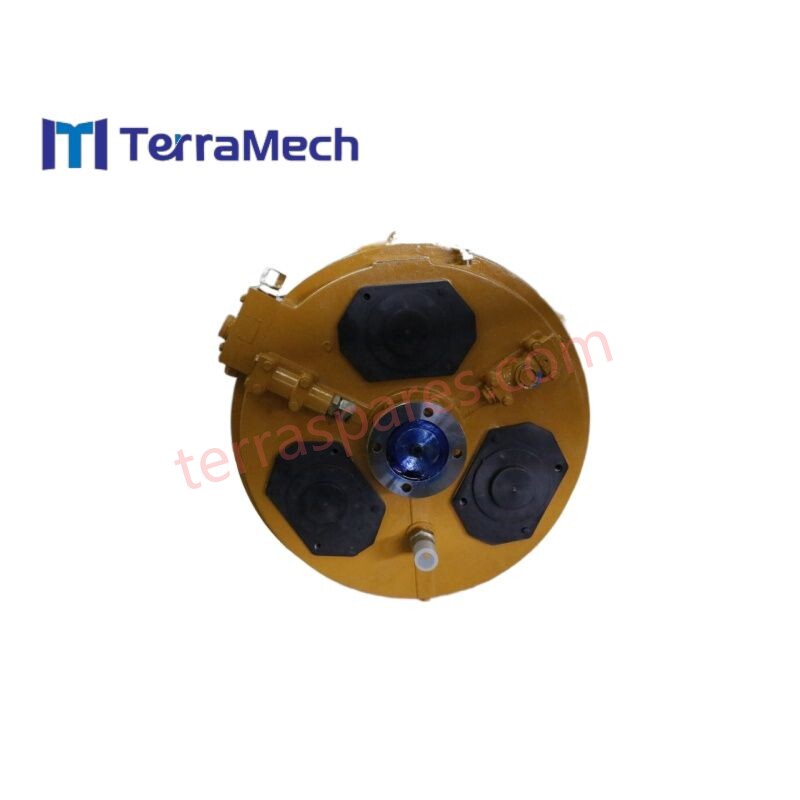
 5508972 SEM TORQUE CONVERTER WHEEL LOADER SPARE PARTSAccessories Category:Torque Converter System
Accessories Name: YJ380 Torque Converter
SEM Accessories Code:5508972
Specification: 5508972
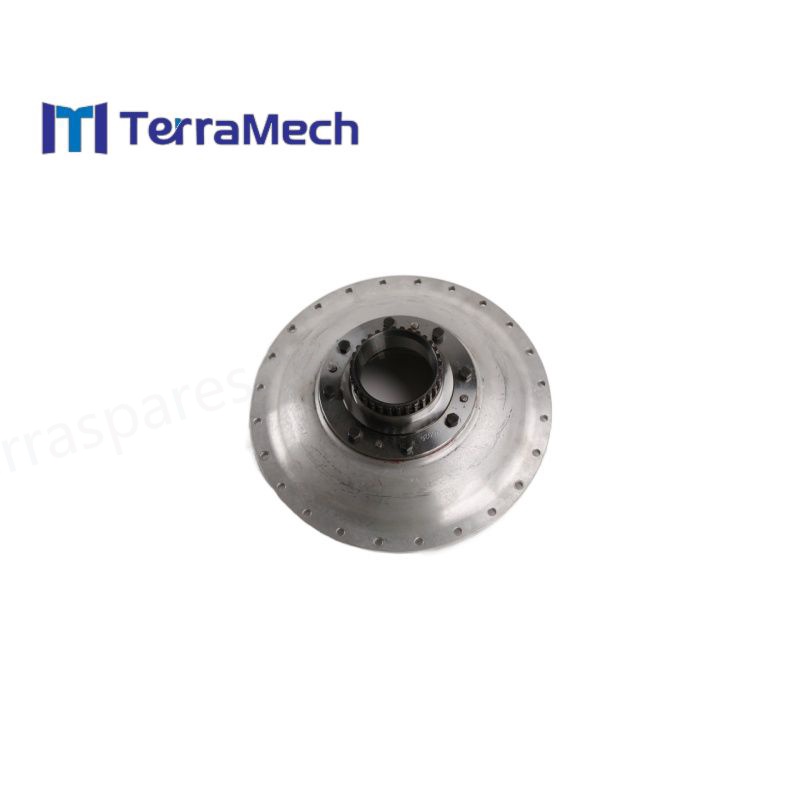
Suitable Vehicle Model:SEM663D SEM660D 5371024 PULLEY SEM WHEEL LOADER PULLEY SPARE PARTSSEM618D SEM636D SEM655D WHEEL LOADER TRANSMISSION SPARE PARTS
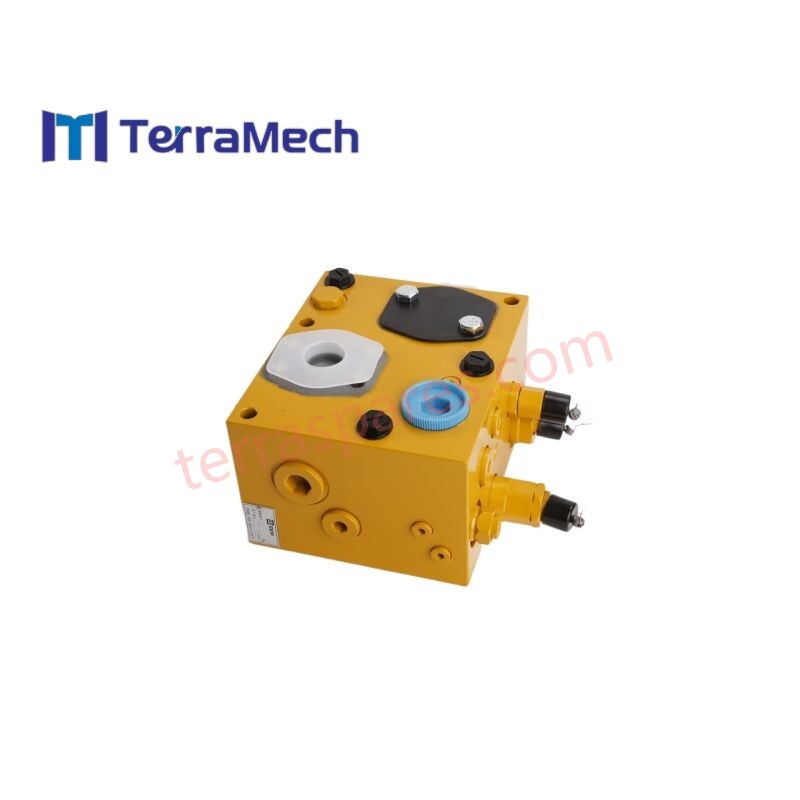
 5846875 VALVE SEM WHEEL LOADER GENUINE VALVE PARTSAccessories Category:Hydraulic System
Accessories Name: Cartridge valve
SEM Accessories Code:5846875
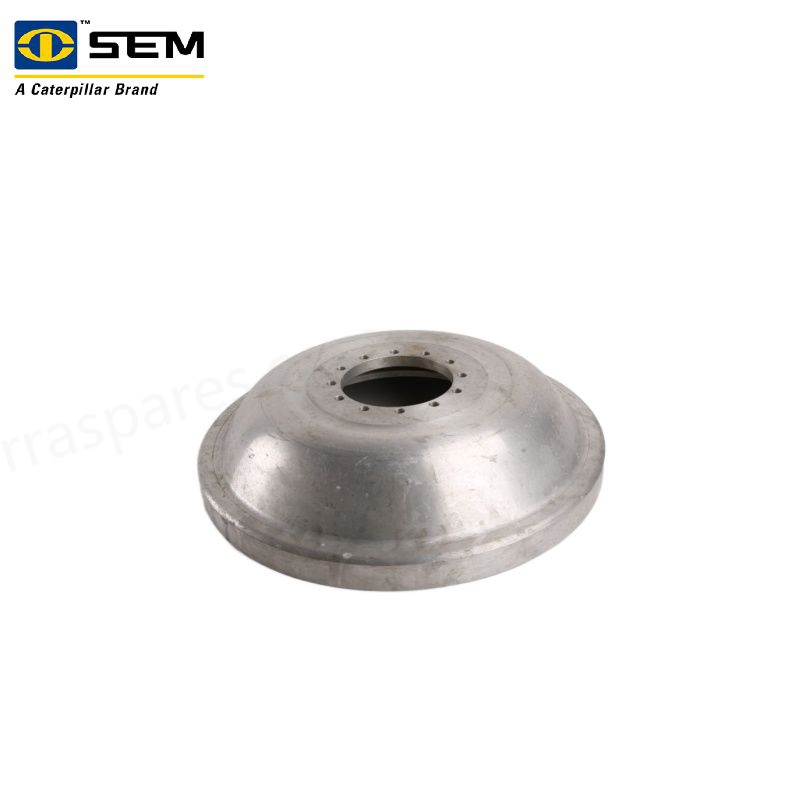
Specification:5846875 5402771 Pulley SEM WHEEL LOADER TRANSMISSION PARTSSEM636D SEM655D SEM656D WHEEL LOADER PARTS